A big upgrade for Clapham Common’s basketball court

Things are looking up for Clapham Common’s basketball court. As part of a project to support grass roots basketball in the UK, it’s set to be turned in to a proper spectator arena with new rows of tiered spectator seating around the sides of the court, as well as a big general renovation of the court itself to include sponsor logos. It’s a project by Basketball England, and part of a wider effort by the NBA and Footlocker which will see urban basketball sites in cities across Europe upgraded (similar projects are underway in Paris, Barcelona, and Milan). As the owner of basketball site Hoopsfix commented, “It’s going to be the nicest outdoor set up in the country and be huge for the basketball community“.

This follows an initial upgrade of the basic court a few years ago, which saw the rickety perimeter fencing that surrounded part of the site replaced, the whole court resurfaced, and new floodlights installed. The adjacent skate park also had a major upgrade, which has been a resounding success – it’s become perennially busy, attracting a surprisingly wide mix of people from dawn to dusk.

Building anything on ‘common land’ is an unusually complicated process, because the common has general ownership rather than it just being down to the individual landowner, with decisions being made by central government following detailed investigations – so although the work is fairly small scale and funding is in place, the project needs to wait for the Planning Inspectorate to give it the nod. The previous upgrade to the courts saw some concerns about common land being used for something that was more of a sports centre, as well as the impact of new lighting and fencing. However it’s fair to say that a run down and dilapidated facility does no-one any good, and since that upgrade the area has certainly seen a lot more public use. We understand that if all goes well, this should all get going in the summer.

Foot Locker ‘s involvement as a key sponsor and funder is a bit interesting. There’s an obvious marketing angle for Footlocker in further growing its basketball activity (which is why they are also partnered with the NBA for this project: the NBA is well aware that basketball could grow considerably in the UK!) – and their “raise the game” programme is designed to “celebrate the people, places and institutions throughout Europe which are committed to helping basketball culture thrive”.

But Footlocker hasn’t just turned up out of nowhere – they have surprisingly deep roots just down the road in Brixton. It’s a little known fact that Footlocker was originally part of Woolworths! And Woolworths’ first ever London store (and only their seventh store in the UK) was in Brixton – just along from the tube station. Woolworths later moved to the other side of the tube station, and Footlocker set up one of their earliest UK stores in part of the original building – which was their only south London store and something of a local icon. Until, that is, it was set on fire and completely destroyed in the 2011 London riots. Their building was wrecked, but was eventually patched up to become a dreary parade of phone shops. Footlocker were clearly still keen on Brixton despite the disaster that had befallen their store, and reopened for business five years after the fire in an new site (by T K Maxx).

All in all – coming on top of recent investments in the skate park, and the four outdoor gyms, it’s good to see the sports facilities in the Common being kept up to date. There’s probably also a mini golf on the way on Clapham Common Westside, which we’ll be covering in a future article.

On a loosely related note – The gradually-deteriorating former Recovery Kitchen next door to the basketball courts, which ran for a while as a health-focussed cafe but which has been closed for quite some time, was put up for lease again in the early summer (for offers around £25,000 a year, on a five year lease). We understand it is now, at last, ‘under offer’ to a prospective operator. Sadly Recovery Kitchen never really took off, despite the owner’s best efforts to spruce up what was frankly a tired and shabby building. Running a park cafe at those rent levels really isn’t a walk in the park (with limited evening trade, a trade that’s rather sensitive to the weather, and not a lot of indoor seating for the winter) – but the previous incarnation of the building as Fields was a huge success, and showed that even the most unpromising park cafe buildings can work with the right amount of imagination (and maybe a bit of luck). No news yet as to what the new operator plans to do, but with the Common’s other resident cafes La Baita and Common Ground – as well as Honest Tom’s snack van – all doing a healthy trade serving people on their outdoor exercise, the sooner this building gets back in use the better.


Posted in Clapham Common, Environment, Planning, Useful to know | 2 Comments

John Archer, Battersea’s groundbreaking mayor, may be honoured with a statue on Lavender Hill

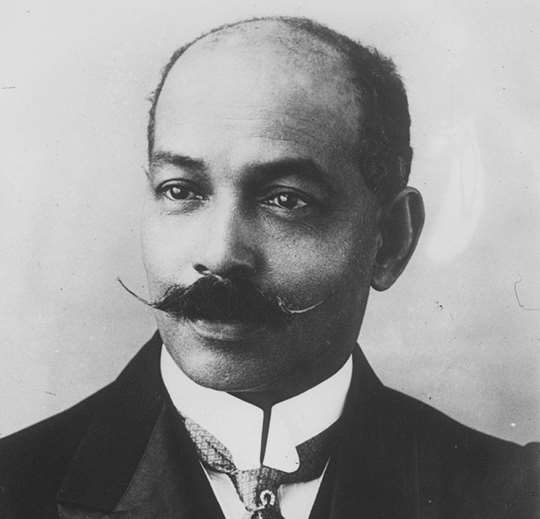
It’s surprising how little we talk about John Archer. Born in Liverpool, he and his Canadian wife moved to Battersea in 1890 when he was about 30. He was clearly an industrious gentleman, with myriad jobs over the years including professional singer, and a successful photographer (running a studio in Battersea Park Road), while also at one stage being a medical student. He travelled extensively – making it around the world at least three times – and it’s easy to see why he was attracted to Battersea, which in 1890 was a fairly newly built and fast evolving part of London. But the political scene in Battersea is where he would become famous.

John first got in to local politics after attending the Pan-African Conference, an unusual event in 1900 designed to unify influential figures from across Africa to draw attention to the injustices going on under colonial rule. At the conference he met many leaders of the African diaspora, and this clearly awakened him to some of the impact he could make in politics.

Because while John’s mother Mary Theresa was Irish, his father Richard was from Barbados – and this was at a time where being black was a pretty serious obstacle to political success. But that didn’t put him off, and in 1906, he was elected as a councillor for Latchmere Ward on Battersea Borough Council. He was later re-elected for several more terms – in 1912, 1919 and 1931.

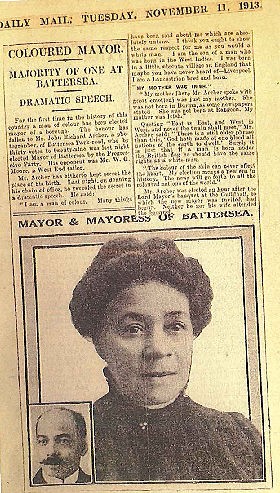
But his biggest moment was in 1913 when he was elected to a one-year term as Mayor of Battersea by his fellow councillors. This was a major post (not a ceremonial role like some ‘mayors’ are now), and the election battle was fierce – he had to deal with racist campaigns against him and allegations that he did not have British nationality… in the end he won by a single vote (40 to 39). Battersea was known for fairly radical politics at the time, but this was a ‘landmark’ moment even in Battersea – a sit was was the first time a black man held a senior public office in London.

It got lots of press coverage, and John was well aware that this was quite a moment, not just for London:

“My election tonight means a new era. You have made history tonight. For the first time in the history of the English nation a man of colour has been elected as mayor of an English borough.

“That will go forth to the coloured nations of the world and they will look to Battersea and say Battersea has done many things in the past, but the greatest thing it has done has been to show that it has no racial prejudice and that it recognises a man for the work he has done.“

Race issues ran deep in Britain, and John’s election was far from universally welcomed. Soon after the election, reflecting on the hate mail he was receiving from around the country, he said “Do you know that I have had letters since I have been Mayor calling my [Irish] mother some of the foulest names that it is possible for a mother to be called. I have been made to feel my position more than any man who has ever occupied this chair, not because I am a member of the council, but because I am a man of colour. Am I not a man, the same as any other man? Have I not got feelings the same as any other?”

But John was a tough cookie who wasn’t easily deterred. He was an active politician with a determination to drive action on civil rights issues – fighting cuts in unemployment relief, and the practice of sending young residents of Battersea to a workhouse.

He later stepped down so he could act as the election agent for one of Britain’s first Indian MPs, Shapurji Saklatvala – and clearly did a good job as Shapurji won over 2,000 votes more than the nearest rival and became MP for North Battersea. John died at 69, while still deputy leader of the Battersea Labour Party.

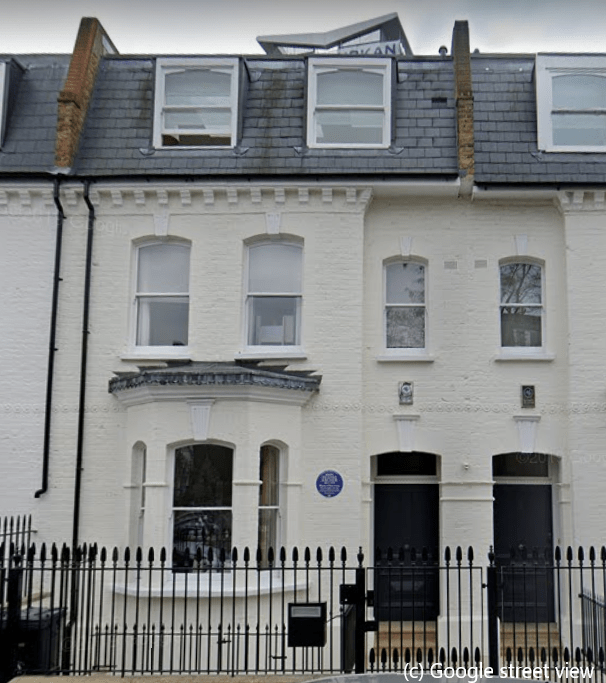
For over twenty years John lived in a terraced house at 55 Brynmaer Road, just off Battersea Park Road, that escaped the redevelopment of the 1960s and is still standing. The then-new Archer House flats near Battersea Square were named after him soon after his death, and more recently High View school has been renamed John Archer Academy in his honour. In 2013 (100 years after his election as mayor) English Heritage installed a blue plaque at his former house in his memory, and the same year he featured on a Royal Mail commemorative stamp series of Great Britons – which showed him wearing the Mayoral chains of office in front of Battersea Town Hall.

But John was a real pioneer, and frankly deserves more. And that’s probably why Wandsworth Council are taking forward plans for a statue in his honour – pledging £10,000 in October to get things going, and looking for donations to cover the rest of the cost. Current Council leader Ravi Govindia commented that “many people in Battersea and Wandsworth are very proud of John Archer’s contribution to Battersea and London; he was a true pioneer and in time has become one of the earliest role models of black achievement in London”.

The precise location of the statue is yet to be confirmed (“a high profile location”) – it could be in Battersea Park (not too far from John’s house of twenty years), though for visibility and accessibility a more promising option is the junction of Falcon Road and Lavender Hill. Possibly best of all is the newly upgraded area by the front of Battersea Arts Centre – because this of course used to be Battersea Town Hall where John was elected, and where he managed to make such a landmark impact on British politics. This would be Lavender Hill’s first statue, and a fitting way to remember both John’s legacy, and how radical Battersea’s politics were at the beginning of the last century.

For more on John Archer, this article in the South London Press is worth a look, as is his Wikipedia article. The campaign for the status has seen national coverage – for example this article in the Daily Mail.

Posted in Local history, Politics | 3 Comments

A neon nod to Lavender Hill’s history, hidden away among Battersea’s new flats

Taking the bus along Queenstown Road on a rainy winter evening, if you cast your eye down one of the obscure side streets full of bins & delivery lorries you might just spot a huge sprig of Lavender glowing in the darkness.

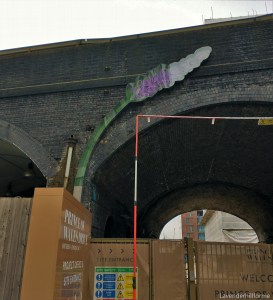
‘Lavender‘ is a big neon artwork by Margate-born, Cardiff-based artist S. Mark Gubb, on the side of the railway arch between Majestic Wine & the new ‘Vista’ development.

It draws from the local farming of lavender, back in the days when the low-lying areas of the Shaftesbury Estate & Battersea Park were famed for their production of melons and asparagus, and the drier, higher land up on what was to become Lavender Hill was developed as a series of lavender fields.

Much of this was down to the Huguenots, a group of Protestants of whom around 200,000 fled persecution and massacres in northern France in the 1600s, and found a warmer welcome in the UK. They’re probably most famous for having set up a silk-weaving district in Spitalfields – but they also settled around the country including a cluster in East Hill between Wandsworth and Battersea (hence the still-standing Huguenot burial ground as well as street names including Huguenot Place & Nantes Close). They were a skilled people and – as well as being a valuable addition to Wandsworth’s then-thriving clothing industry – are believed to have made major upgrades to the farmland in the area, including the lavender fields.

When discussing Battersea before the railways, it’s worth a mention of this 1848 watercolour by Robert Westall of ‘Battersea Fields’ – showing the view looking towards the Thames from Lavender Hill, with the open farmland and (possibly) lavender cultivation that existed before the industrial era (click for a larger version). The Royal Hospital Chelsea and (in the foreground) Battersea Pumping Station (which was built eight years previously in 1840) are both visible. This was painted a few years before the railways were developed and Battersea changed forever!

Later, the area was of course swamped with houses and industry – with little remaining of the agricultural days other than surprisingly good soil in many Battersea back gardens – so it’s nice to see this little modern reminder of Lavender Hill’s past.

It’s part of a wider set of art around the new development around Berkeley Homes’ ‘Vista’ development. At the moment it is a little tucked away, and somewhat surrounded by building site hoardings and security controls – but as the adjacent ‘Prince of Wales Drive’ building project on the other side of the railway – which is also being built by Berkeley – is completed this is set to become a new public route under the railway, and it’ll get a lot more noticed.

Posted in Environment, Street by street | 2 Comments

Walks aren’t just for the countryside! We review two recent walking guides in Battersea.

One of the simple pleasures that’s still open to most of us – including in the lighter stages of lockdown – is outdoor exercise. And what better way to do this than to explore the area we live in in a bit more detail? We’ve reviewed two walking guides in the Battersea / Clapham Junction area.

The first is Discovering Battersea’s Open Spaces by Clare Graham (sold out at the time of writing at Waterstones, but available direct from the Battersea Society). In a compact format (24 pages) this nicely presented guide ties together most of our green spaces in six mapped and annotated walking routes, stretching from Vauxhall to the edges of Wandsworth and down to Wandsworth Common. It includes all of our most famous and historic open spaces, but also works in several that are only really known to locals like Fred Wells Gardens, Banana Park and Montefiore Gardens, as well as recent developments like the promontory garden – with some of the best river views around – in Battersea Park. And some that are so new they’re still being developed – among the big new developments of Nine Elms.

One thing that will strike readers is that despite being a very densely populated area, there’s still an impressive amount of green space in Battersea! We were pleased to see that even the recently upgraded and lavishly planted tiny little park whose development we’ve previously written about between Asda and Dorothy Road (pictured below) makes it in to one of the walks.

The walks are also a way to experience the huge variety of buildings in the area – whether leafy Victorian streets, brand new luxury developments of riverside flats, heroic estate redevelopments of the 1960s and 1970s. The routes include lots of little insights about the history of the areas the walks pass through – for example the long-lost St John’s Hospital, which used to be a major site just off St John’s Hill (and whose name lives on in the St John’s clinic on a small part of its old site). And the walks also make sure to find a decent en-route cafe!

Battersea’s a very walkable area and there’s always a bit more to discover when you stray away from the usual places, and this guide should be a good companion to some local excursions as the days lengthen and the lockdown eases. Anyone with an interest in exploring Battersea, or just looking for some new places to go on a quiet wander with a canine companion, should find something of interest here.

The second local walking guide is The Heathwall – Battersea’s Buried River, by Jon Newman. On the face of it, this is less of a walking guide than a history of one of London’s least well known lost rivers – and there’s a lot of content and detail here – but it also includes a walking route that runs the entire length of the Heathwall. The Heathwall was once a real river, of sorts – and it used to run from close to Clapham Junction, all the way to Vauxhall – and it was a major part of draining the marshy riverside area that became Battersea.

Unlike some of London’s more famous lost rivers like the Fleet and even the Falconbrook, no-one’s really heard of the Heathwall, but when you look at the way the land lies in Battersea you can see why it used to exist walk north from Lavender Hill and you run down a steep hill – before things flatten out. But keep going and the land definitely creeps up as you approach the river, as anyone who’s cycled along Queenstown Road can confirm.

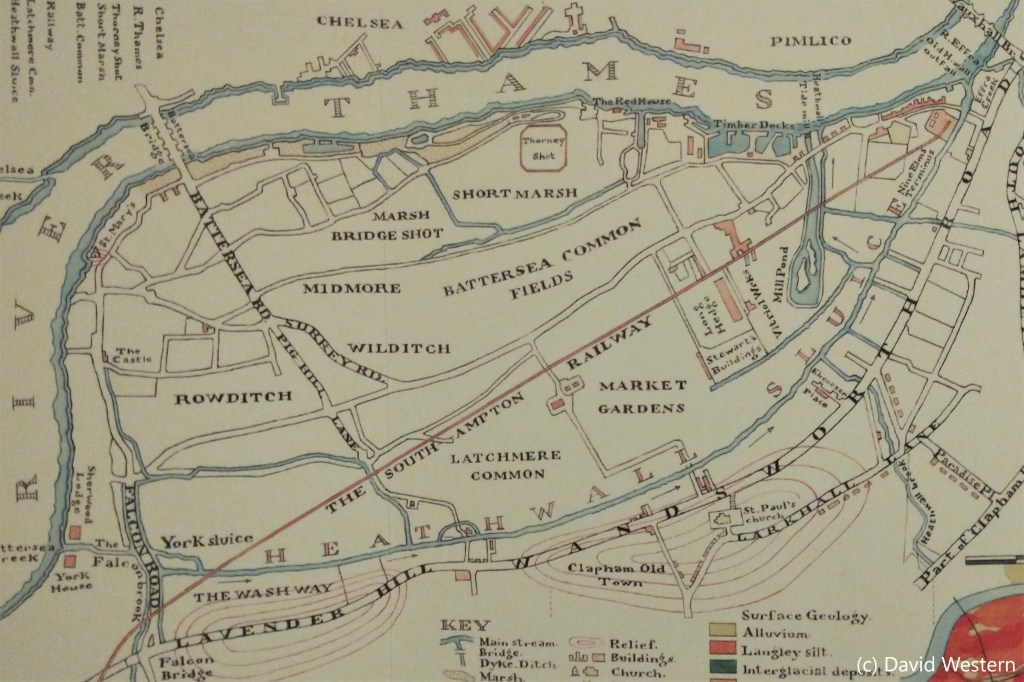
The raised embankments at the side of the Thames are what allowed Battersea to move from being a low-lying swamp, to being a rich agricultural area famed for exotic crops such as melon and asparagus, and then to go on to be swept up in the urbanisation of London. But the land was below the level of the river at high tide, and the water that ended up in Battersea still had to go somewhere! The Heathwall was the river that drained all this low-lying land, and where it met the Thames, a sluice gate was opened at low tide so it could empty to the Thames, and then closed as the Thames rose above the level of the land. As Jon Newman explains, there were disastrous situations when these sluice gates weren’t closed in time! Jon’s map below shows the Heathwall running from Falcon Road, roughly parallel to Lavender Hill and Wandsworth Road all the way to Vauxhall.

And from the first page, it quickly becomes clear that we’re not really talking about some lost riverine paradise – but more of a headache and problem for those around it! The Heathwall was ‘over looked and under loved’, ‘inexpressibly dismal’, and as more and more houses connected to water supply and fitted toilets, and as all manner of heavy industries poured toxic waste in to it, it became a sludgy, stinky mess. As houses began to be built all around it, the whole river was gradually covered over to make the areas around it more pleasant to live in – and gradually its existence was forgotten.

But that’s not to say it’s not an interesting history. And Jon Newman has dug deep here and packed a lot in to 56 pages – the book’s full of interesting bits of history. We learn that Bazalgette’s famous Thames sewers were rather awkwardly built at a higher level than many of Battersea’s basements, which caused severe flooding in the Heathwall and led to a ban on sewer connections in Battersea’s deeper basements. And about an area of housing north of Wandsworth Road that was so heavily damaged in the war that it was evacuated and became a ‘designated area for street fighting’ used for military training.

We also hear about how cholera – which was generally associated with the poor and bad living conditions – mysteriously led to the unexplained death of nineteen people in a row of ‘commodious and comfortable’ smart houses along Wandsworth Road, who didn’t really fit the established view of what caused the illness. The inspector brought in to investigate the deaths actually commented that these specific houses shared a pump for their water supply that drew from next to the Heathwall, which was “positively fetid [and] utterly unfit for use”. But despite being tantalisingly close to spotting the cause of the illness, they blamed it on bad smells and missed the connection between cholera and the water supply, which was only made five years later at the now-famous Broad Street pump in Soho. The landlord renamed the houses, and deaths from cholera continued with 64 the following month along Lambeth’s riverside.

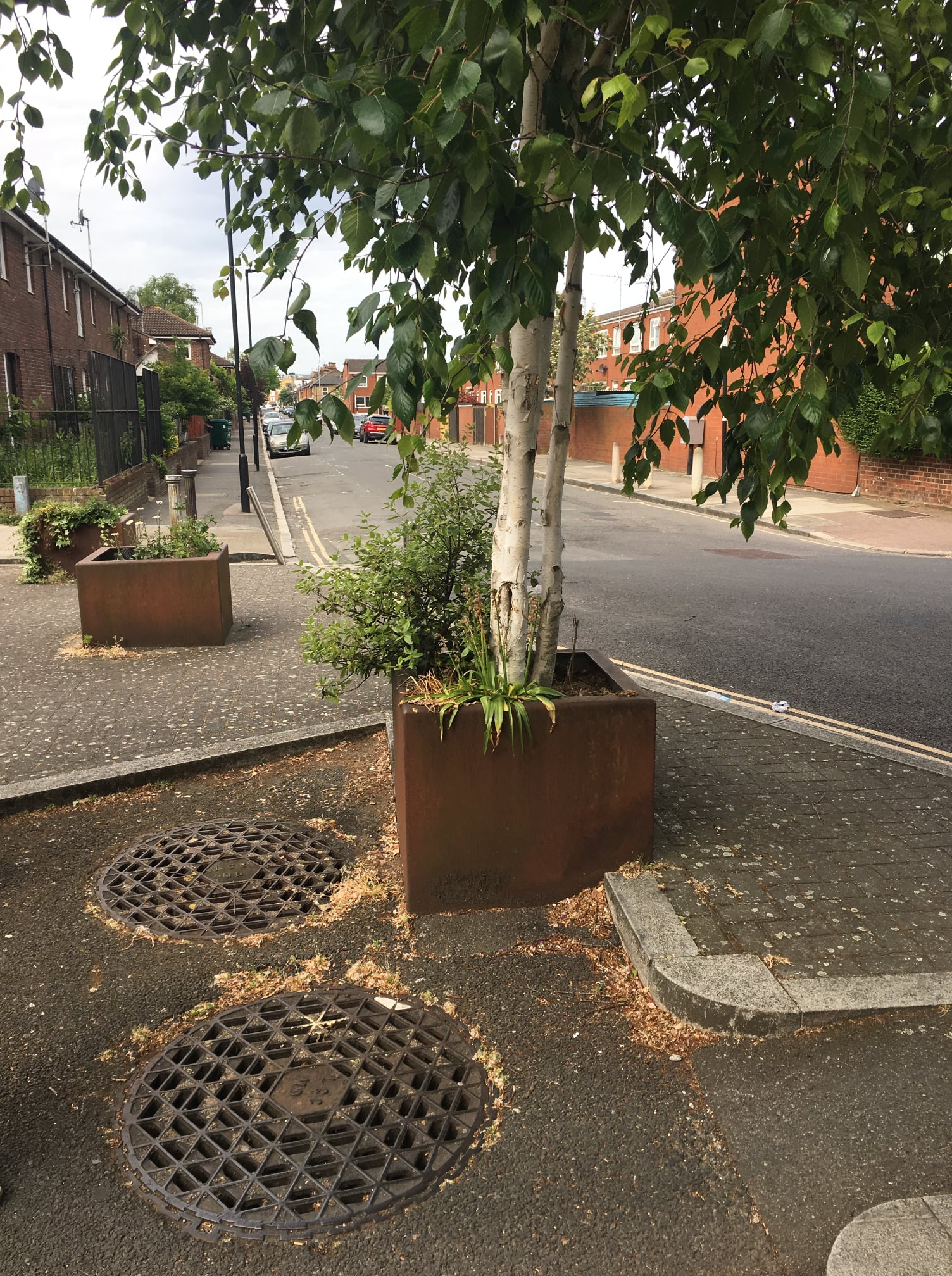
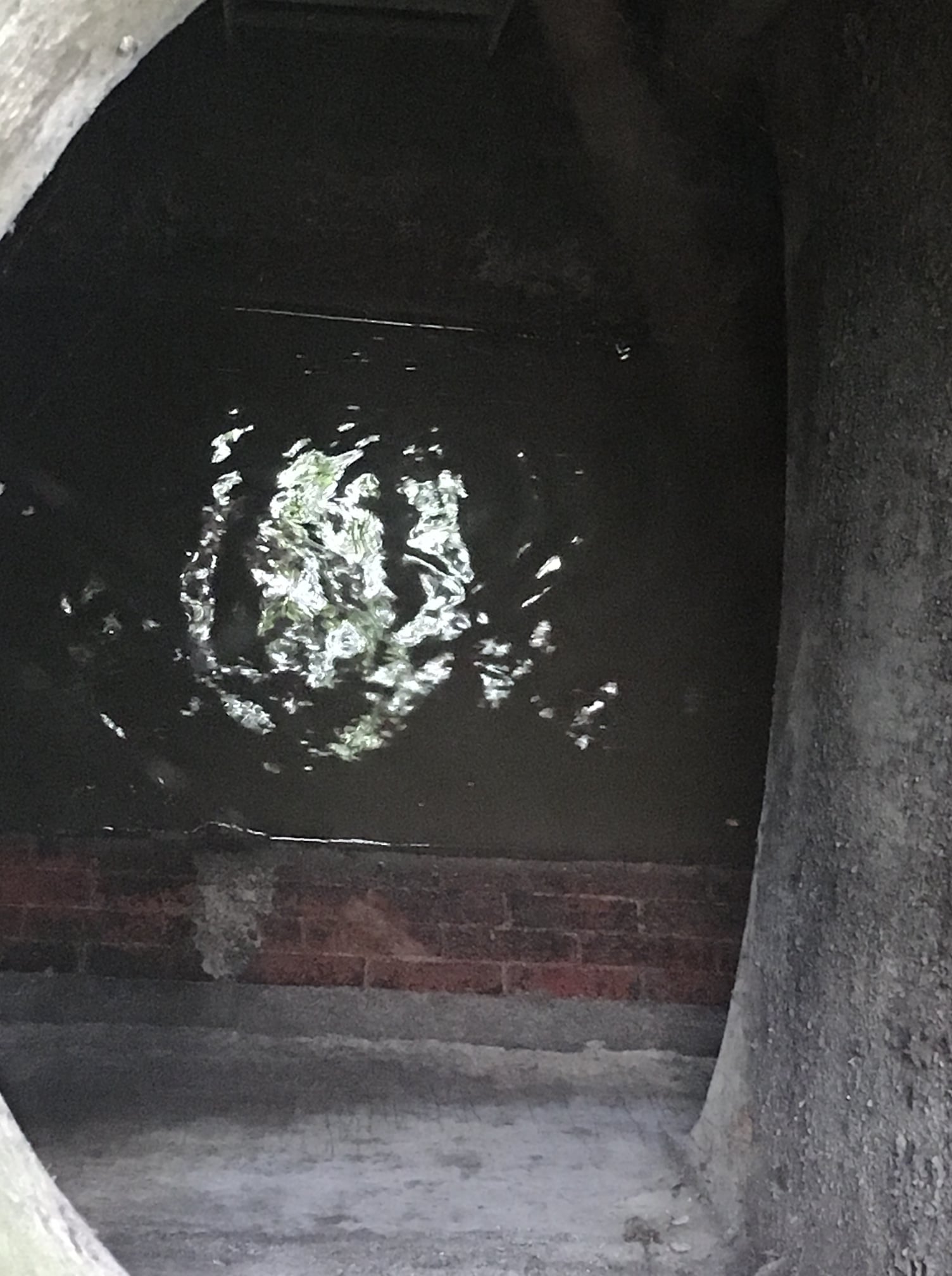
The enormous amount of development that has happened since the Heathwall was covered over means that the walk Jon sets out doesn’t precisely follow the river, but it makes a decent effort at it – and there are a few places where the waters can still be seen. The best examples are on Robertson Street, where a whole series of unusually large drains reveal long ladders going down in to the darkness, and – once your eyes get used to peering in to the darkness – swift flowing water (our pictures below). The Heathwall’s maybe forgotten, but it’s definitely not gone away!

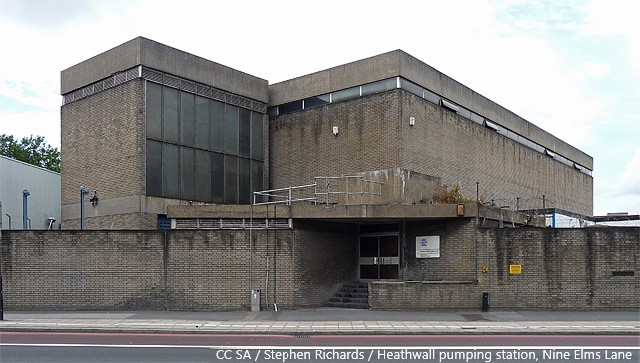
One of the few visible remains of the now very hidden river is hiding in plain sight among the glamorous new flats on Nine Elms Lane: the Heathwall Pumping Station, which has replaced the sluice gates and now lifts water from the Heathwall up to the level of the Thames sewer.

All in all – a fascinating read. Ideal for those who know the area well and have an eye for detail, or an interest in what flows beneath us – but the walk is also an exercise in contrasts, running through a wide cross section of Battersea, from its leafiest residential streets to the high rise new districts, via its still busy industrial districts.

Discovering Battersea’s Open Spaces by Clare Graham – easiest to order direct from the Battersea Society or at local independent bookstore Clapham Books (whose store on The Pavement, Clapham is still open for click & collect) / on sale at Waterstones (albeit currently closed for lockdown) / and listed on Amazon.

The Heathwall – Battersea’s Buried River, by Jon Newman – available at Waterstones / Amazon / Blackwells

Posted in Environment, Street by street, Useful to know | 5 Comments

Should the speed limit on Lavender Hill stay at 20 or be increased? Have your say…

Back in 2017, the speed limit on most of Wandsworth’s roads was cut to 20mph. Driving much faster than that on narrow side streets full of parked cars, small children and cats wasn’t very safe in any case – which meant it wasn’t especially controversial and saw general support when the Council ran a consultation. But back then most of the more ‘major’ A and B roads, including Lavender Hill, were kept out of the 20mph proposals and retained their previous 30mph limit.

Lambeth Council next door wend down a slightly different track and applied a 20mph limit across every road they controlled, which is why the speed limit reduced from 30mph to 20mph on the Wandsworth Road as you crossed the Borough boundary. Westminster, the City of London, and others have made similar moves over the last few years – in an attempt to reduce the number of deaths and life-changing serious injuries on inner London roads.

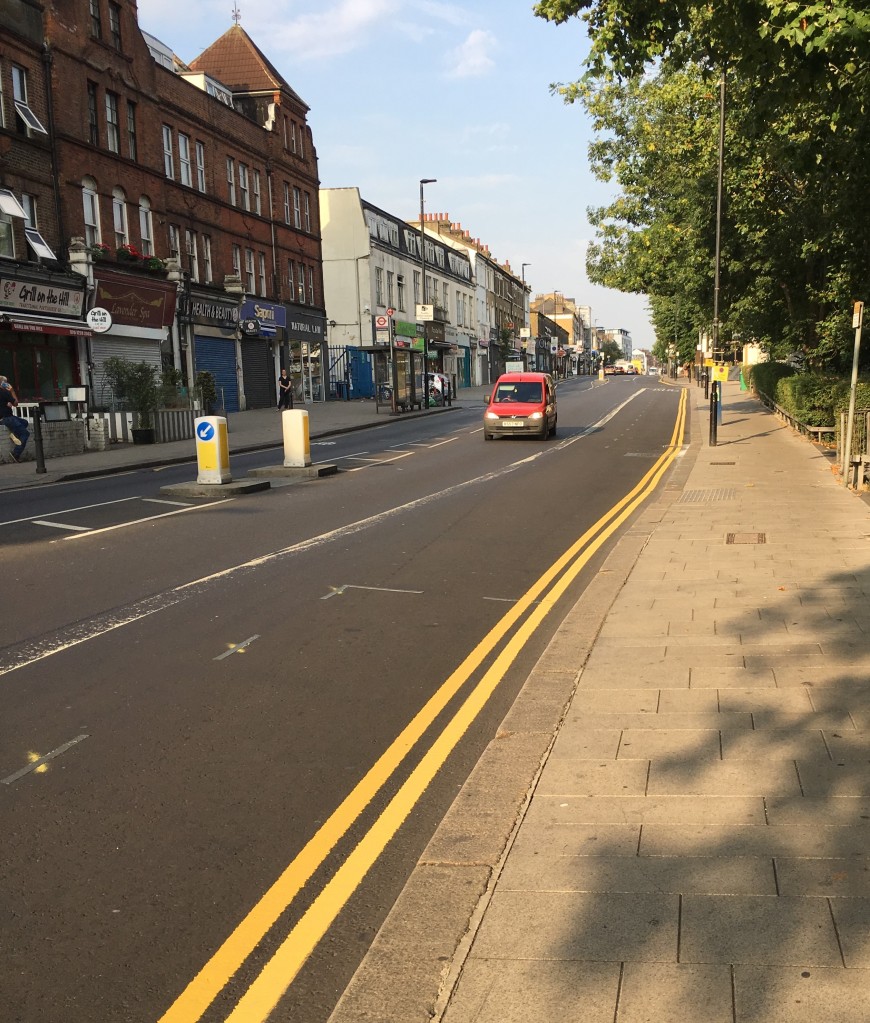
This summer, Wandsworth – maybe reflecting on the general success of the 20mph limit, and the slightly curious way speed limits were now jumping between 20 and 30 on otherwise rather similar roads – extended the 20mph limit to two dozen more of the remaining roads. This means it becomes more like Lambeth, where every road under the Council’s control (which means everything except TfL red routes) is at 20mph. As part of this Lavender Hill and Queenstown Road gained 20mph signs (pictured above & right).

Despite popular belief that speeding fines go to the Town Hall, these actually go to Treasury (which is a shame in a way – it would be quite handy to have speeding out-of-towners funding our schools and libraries). And no-one’s under any illusion that everyone will drive under 20mph, despite the new limits. But there is growing evidence that where the new limits have been brought in, overall speeds have reduced.

And the statistics on what lower speed could do are quite striking: the Royal Society for the Prevention of Accidents estimates that pedestrians are five times more likely to be killed in crashes with cars going at 30mph, as at 20mph (pdf with the details), and a study in Bristol found a city-wide 20mph limit reduced injuries by over 60%.

It should also have some effect on noise levels and air pollution – although it’s a bit too early to get hard data – and the major traffic changes due to Covid and the traffic chaos due to Vauxhall bridge repair works probably mean we won’t be able to make a fair before-and-after local comparison for some time. As anyone who’s lived near one of our main roads can attest that there’s still a lot of particulate matter in the air (usually as black soot that settles on almost any outside surface – which can be quite hard to clean off) – the less of that we breathe in, the better.

The 20mph limit on the side roads is permanent, but the change on these main roads is only a trial, for around six months. Whether you love it and think it’s a long-overdue move to make our main shopping streets safer, or a step too far in slowing down essential journeys – you can have your say because the Council’s consulting on whether to keep these changes. A few more details of what is going on, and the consultation itself, are on the Wandsworth Council 20mph consultation page here. It’s a long-running consultation, running up to the end of May 2021. There are campaigns running at a national level from groups like the Alliance of British Drivers who are very, very unhappy indeed about 20mph zones – so it can expect a lot of responses!

We think the 20mph limit on Lavender Hill seems to be working so far, with seemingly lower speeds and no recent accidents as far as we know (albeit again the main reason everything’s working now is that – after delays caused by the discovery fo unexpected old tram tracks in the carriageway – Vauxhall bridge has finally reopened!) – but we’re interested in your thoughts. This is the latest in a series of interesting traffic experiments in the Borough – some of which have been pretty successful, and some of which have needed refinement or (down towards Tooting) been abandoned completely.

It’s probably fair to say we’ve seen a more mature approach to traffic management in the Lavender Hill area than the furious and divisive arguments elsewhere in London. We suspect even those of us who don’t like this latest change, will recognise that our roads still have far too many accidents (your author’s witnessed half a dozen nasty accidents on Lavender Hill over the years, one of them fatal – some of which probably could have been avoided by a slower speed limit and others of which probably wouldn’t), and the way we use them is changing – and support Wandsworth’s efforts to try out different approaches.

Posted in Politics, Transport | Leave a comment

Go karts, climbing ropes, bowling, minigolf… a look at the big plans for the ex-Debenhams in Wandsworth

The large ex-Debenhams in Wandsworth’s Southside shopping centre is set to host a bowling alley, electric go-karting, laser tag arena, arcade, rope climbing, and minigolf course, alongside myriad other activities like pool tables & darts – as well as a bar / restaurant and live music venue, a soft play area, and a branch of Wafflemeister. It’ll be run by Gravity, who already run lots of similar venues – notably large trampoline centres – at places like Dartford, Stevenage and Bluewater.
This will be Gravity‘s first inner London venue, and it’s quite a wise choice – as it gives them a huge amount of space in densely populated area with good parking. These venues work for adults as well as families, and (Coronavirus concerns aside) this looks like a potentially profitable investment. Most of Gravity’s venues are trampoline parks (maybe hence their name) – but this is a far more varied proposal. The developers expect to run it on a ‘pay one price, play all day’ basis; it will no doubt be overrun with families in the day but in the evening the unit will be transformed to include a more adult feel and be geared up to attract young adults and corporate events.

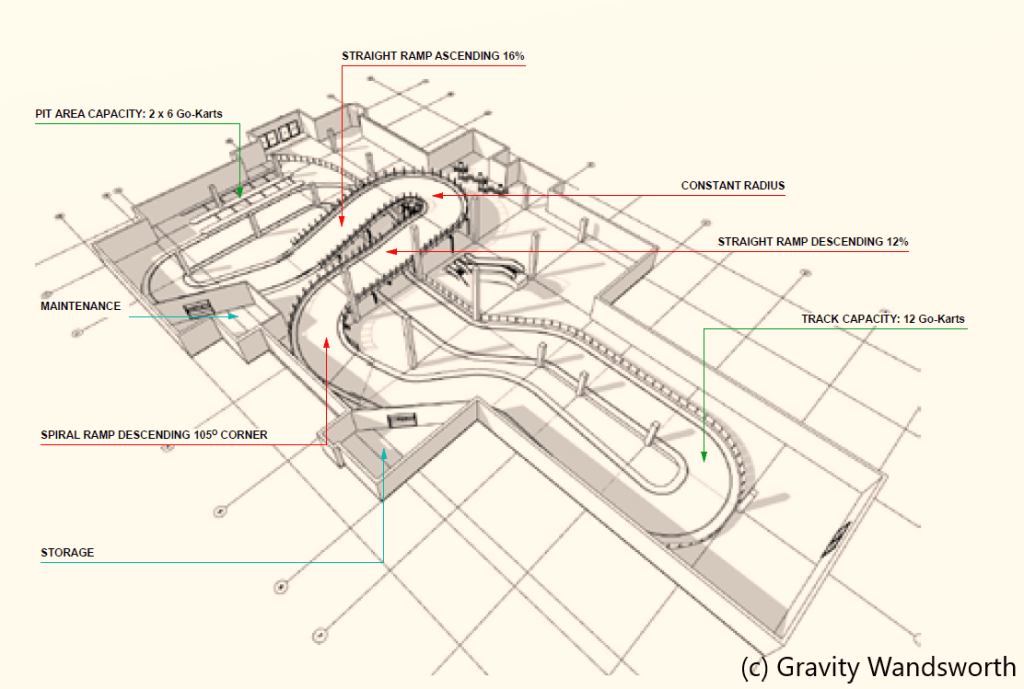
The planning diagram above shows the proposed layout of the ground floor, which is dominated by the go karting circuit (which includes a raised section above part of the seating area) with both the current entrances from Garratt Lane and the shopping centre staying in use (and they’ll be electric ones – so it won’t be full of diesel fumes!). The diagram below shows the proposed layout of the top floor (which has all manner of activities – again, the left hand side with the stage and the main seating area is the part facing Garratt Lane).

This should be good news for Wandsworth town centre. We did have concerns about how the landlords would fill such a large space, which – because it was purpose built as a department store – has very few windows and wouldn’t really lend itself to alternative uses such as offices without major building works. Visitor numbers to Southside has already been declining (a nearly 4% drop between 2017 and 2019), and the loss of Debenhams will have cut numbers further – so this is a good way of getting people back to the shopping centre, and to Wandsworth town centre more generally. Gravity themselves – in their planning application – note that when they opened a similar venue at Xscape in Castleford, the wider centre saw a 22% increase in customer numbers when they first opened.

Southside has quite a broad catchment (the diagram below from the planning application shows the core catchment – i.e. areas for which it is the major centre – in purple), and the developers reckon that adding a major entertainment venue like this one could extend it quite towards inner London areas (where customers have plenty of other shopping options, but not so many entertainment venues like this one). There aren’t many similar options around – maybe the nearest similar one is the FlipOut trampoline park in Earlsfield (and that may explain why there’s not much trampoline space in the proposals).

Note that this is about the Debenhams in Southside shopping centre, not the Debenhams at Clapham Junction! Last week Wandsworth Council gave the go ahead for the conversion of the Debenhams / Arding & Hobbs to an office building, in line with the plans we’ve previously reported on (and we’ll publish an updated article on that soon).

In a week where the future of Debenhams looks very uncertain, it’s good to see that both our local branches are well on the way to finding new uses: the work on these plans is a clear vote of confidence by the developers in the long term future of our town centres. The Southside branch has proved a little harder to repurpose (that branch was closed earlier – by Debenhams themselves – while Clapham Junction’s kept on trading, before being given notice by the landlords) – which is maybe not surprising given that the purpose-built nature of the building makes it rather less flexible than Clapham Junction’s Arding & Hobbs building.

The diagrams below show the frontage facing Garratt Lane (which barely changes other than a different sign) and the mezzanine floor (which hosts the family entertainment centre & high ropes climbing). The second floor (not shown) will host a laser tag arena.

If you’re interested in the details, and want to make any formal comment on the planning application top change the use of the unit from retail to entertainment, it’s on the Wandsworth website at wandsworth.gov.uk/planning, where you’ll need to search for application reference number 2020/3270. It’s a little out of our usual area of focus – but we also welcome your thoughts & comments on these plans.

Posted in Arding & Hobbs, Planning, Retail, Useful to know | Leave a comment

The Christmas Forest is back on Lavender Hill… and are expecting record sales this year

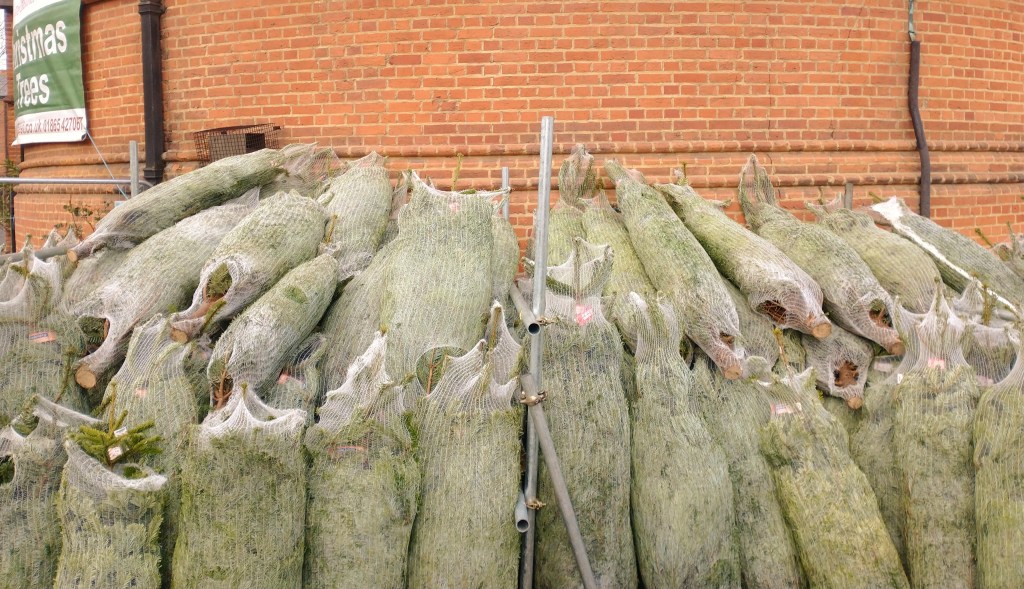
After a gloomy year, expectations are that Christmas tree sales will break all records as we all try to make the most of spending even more time at home rather more than we usually would be. Sales have already got off to a brisk start at the Christmas Forest, which has been trading at its regular December spot outside the Church of the Ascension on Lavender Hill for a few days now.

They sell trees of a few different types, with sizes from three feet to twelve (but mainly focussed on the midrange), as well as an assortment of lights and tree accessories. A few smaller trees grown in pots are also available, as well as a delivery option if you don’t want to carry the tree home!

The annual popup business has grown a fair bit over the years from its start at a site in Richmond, and Lavender Hill is now one of ten sites they run across London. They support Tree Aid with a per-sale donation (whose value is unspecified but some suggest around 80p-£1) which plants a tree in the Sahel (south of the Sahara desert) for each sale.  At the time of writing, mentioning the code ‘Festive 10’ should get you a 10% discount on all trees – Monday to Thursday.

Posted in Retail, Useful to know | Leave a comment

New pub for Clapham Junction: The London and South Western

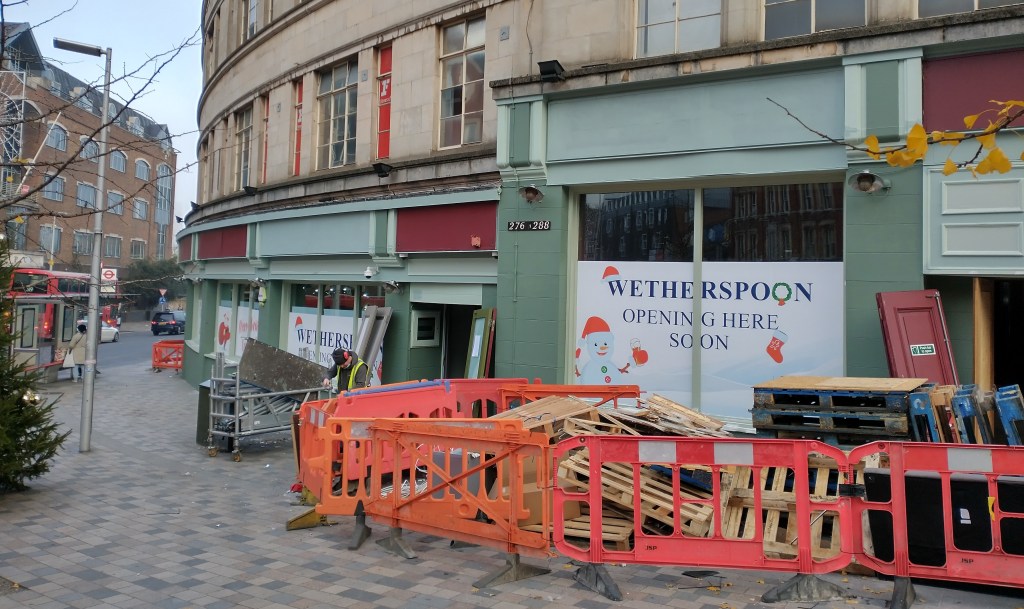
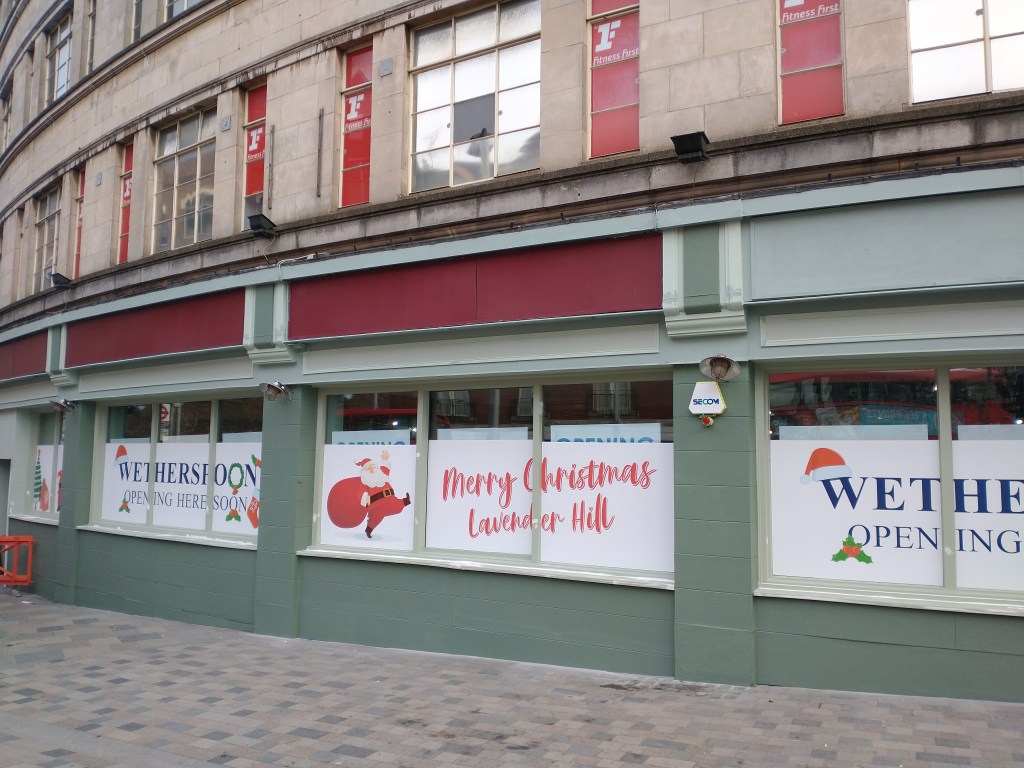
J D Wetherspoon are taking over the former Revolution (which was previously Yates’) at the junction of Lavender Hill. We understand the new pub will be called the London and South Western, named after the railway of course – and that it is set to open on the 4th December (this Friday).

At this stage it’s not clear whether their existing local pub, the Asparagus (named after the asparagus fields that occupied a lot of northern Battersea before it was industrialised) will continue to trade. The Asparagus still does good trade, but it’s in an unusually non-central location for a modern Wetherspoon pub, and the building’s rather smaller than what they typically now go for (the Asparagus’ rent is about a quarter of what Wetherspoons will be paying at the new site). And it would be unusual – but not unheard of – to have two Wetherspoons pubs on the same street.

It remains to be seen what the carpet will look like, although somewhere out there a new one will have – as is traditional for the chain – be unique and custom made for this branch…

Posted in Uncategorized | 1 Comment

The final result of the long-running plans for a block of flats on Parma Crescent

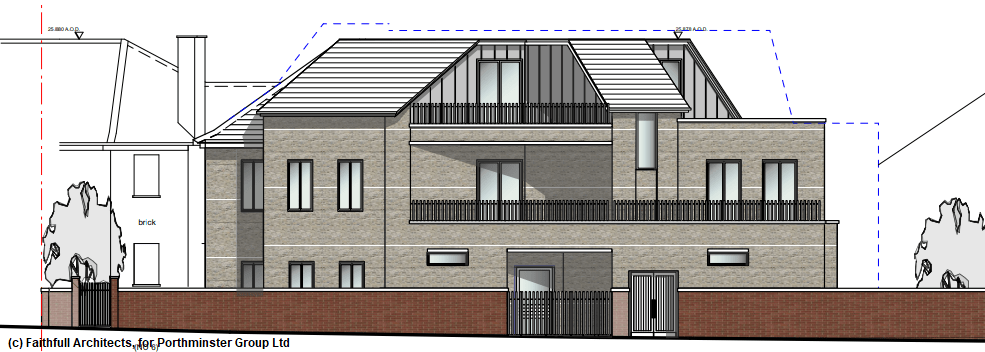
We’ve written a few articles about the plans to demolish the (somewhat unusual) small house with a big garden on Parma Crescent, and replace it with a small block of flats. The first time we wrote about it it proved quite a controversial proposal, attracting 44 objections, and not much in the way of supportive comment. This was the first proposal –

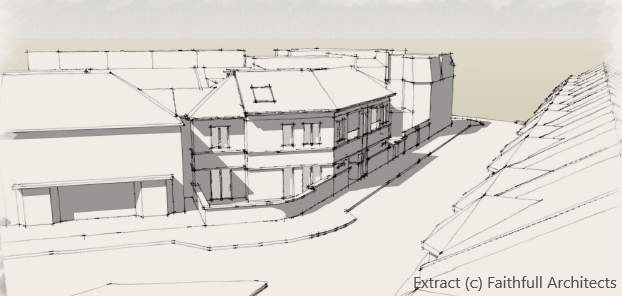
At the beginning of July, revised proposals were put out for consultation, where the side of the building closest to Lavender Hill was chopped back somewhat, and the height of the roof reduced (the blue dotted line in the picture below was the shape of the first proposal, and the building shown was the second).

Those plans were also withdrawn at about the time of our second article, and a third set of proposals introduced that made the building smaller again, and made the roof line look a lot more like what was already present on the rest of the houses on the street. These plans were then changed yet again (but only slightly) to remove a sort of roof balcony and lower the height of the top floor. And what we’ve ended up with is this –
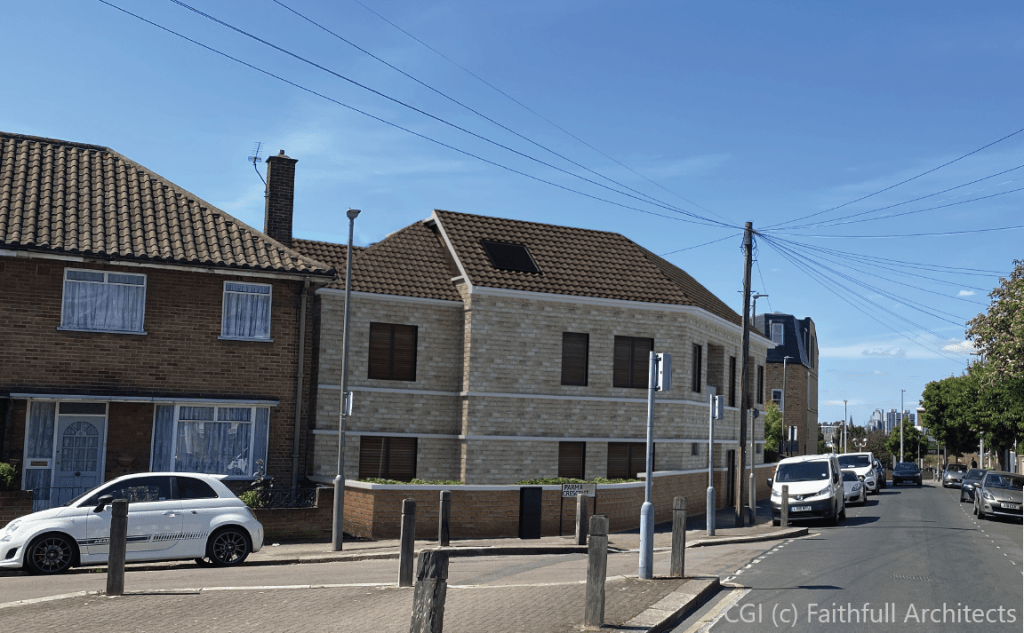
It’s still a building with five flats in it (one one-bed, three two-bed, and a three-bed). The generous garden around the current house will still go – but what will be built in its place smaller and less noticeable, and in many ways also a lot more ‘traditional’ in its design.

And on the 25th November, it was granted planning permission. It wasn’t a guaranteed outcome – as the revised plans saw 44 objections! There were also a handful of supportive comments – some of them from neighbours who reckoned that the plans had evolved and improved over the iterations and that the end outcome was actually reasonably workable for the site, although there is also an interesting comment in the report to the planning committee regarding “Some supporting comments from people living serval streets away and from the same address as one of the property developers“! The Battersea Society, who keep a close eye on all matters planning, didn’t support the proposal on the grounds (among others) that it was incompatible with local planning guidance that prevents major developments in residential gardens.

The planning report is a detailed one. The planning team noted many concerns raised, including that the building would run right up to the pavement line. But by and large the final plans were judged to be reasonably compatible with what was acceptable for new developments. They also noted that the precedents set by the existing building just to the north of the site (facing Lavender Hill) – including prominent loft extensions and running up to the pavement, meant it was hard to go against a similar application on the neighbouring plot.

With five decent sized new flats on the horizon, chances are this will be a profitable development – even if it’s a very different one to what was first planned…

Posted in Housing, Planning, Street by street | 1 Comment

Could this garage become Lavender Hill’s smallest house?

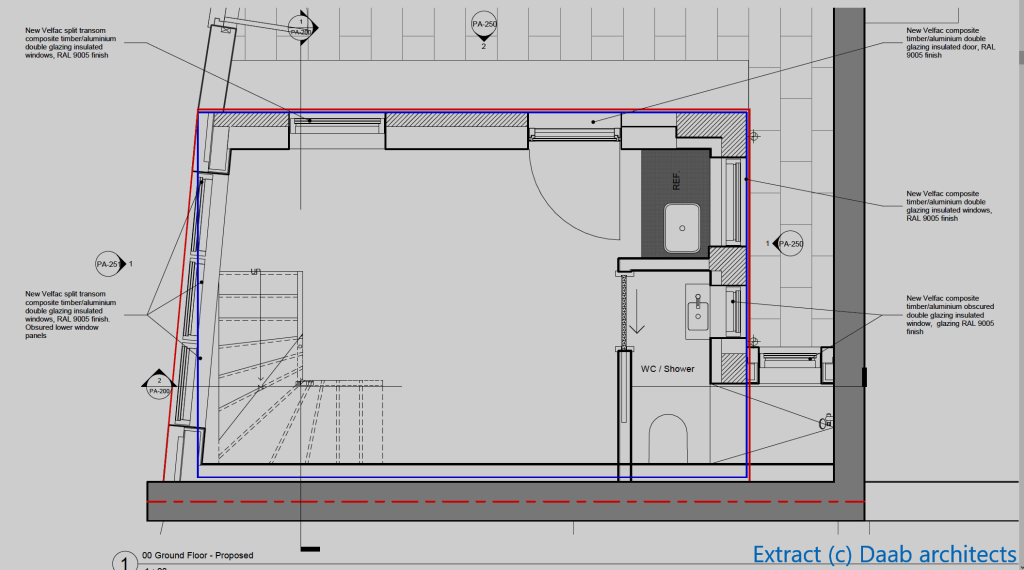
A brand new house is being proposed, at 155c Lavender Hill – behind Froud’s barber shop. And it might be one of the smallest houses in Battersea! The plans are to convert an existing one-car garage on Sugden Road in to a freestanding one-bedroom house, including a compact kitchenette and bathroom – at just 29.2 square metres (315 square feet).

It’s a thoughtful and properly designed plan – there has clearly been an architect involved. The garage door will be replaced with a window, the front wall will be brought slightly closer to the pavement, and a second storey will be built on top to create a bedroom. It’ll even have a small balcony tucked away at the back. When it’s finished it’ll look more like this –

Small houses can have a bit of a tricky time getting planning permission (as they tend to fall below the 37 square metres guideline minimum size for new houses in London), which may explain why different parts of the planning documents take slightly different approaches on whether this is a ‘new house’ (which could presumably be sublet to lodgers, or sold) or a gym / study room / home office / teenagers’ escape area / etc for the flat above Froud’s who will be developing it.

That said, we doubt this proposed development will be controversial – partly as the change is likely to be discreet (it’s still a lot smaller than what was recently built next door), partly as it will slightly improve the street frontage (and remove an awkward indent where the garage door is) – but mostly because the plans have been developed by the owners of the property next door that will be most affected by it.

The biggest arguments with new builds tend to be about parking! By its nature this plan will be a loss of a parking space (in the garage) as well as the addition of one more ‘property’ which – depending how it’s used – may add an extra car to the street. However provided any planning permission also includes provision being made for the dropped pavement in front of the new house to be removed, and a parking space restored where there is currently a space (to allow access to the garage) this is unlikely to add significantly to parking pressure in the area.

This isn’t the first plan for a teeny tiny house on Lavender Hill. There’s a small shop on the corner of Latchmere Road and Lavender Hill, pictured below, which went in for planning a couple of years ago to be converted to a house (with a basement level added rather than a second storey). In the end the planning application to convert it to a house was withdrawn but that property did nonetheless get a proper makeover including having the basement dug out as planned, and it ended up becoming the smartly-fitted-out Mavrichi Hair Boutique.

If you’re interested in the details (or do want to comment on the application), visit wandsworth.gov.uk/planning and search for planning application reference 2020/3797. And as ever, we’ll continue to keep an eye out for any new developments in the Lavender Hill area that look especially interesting.

Posted in Housing, Planning, Street by street | Leave a comment