
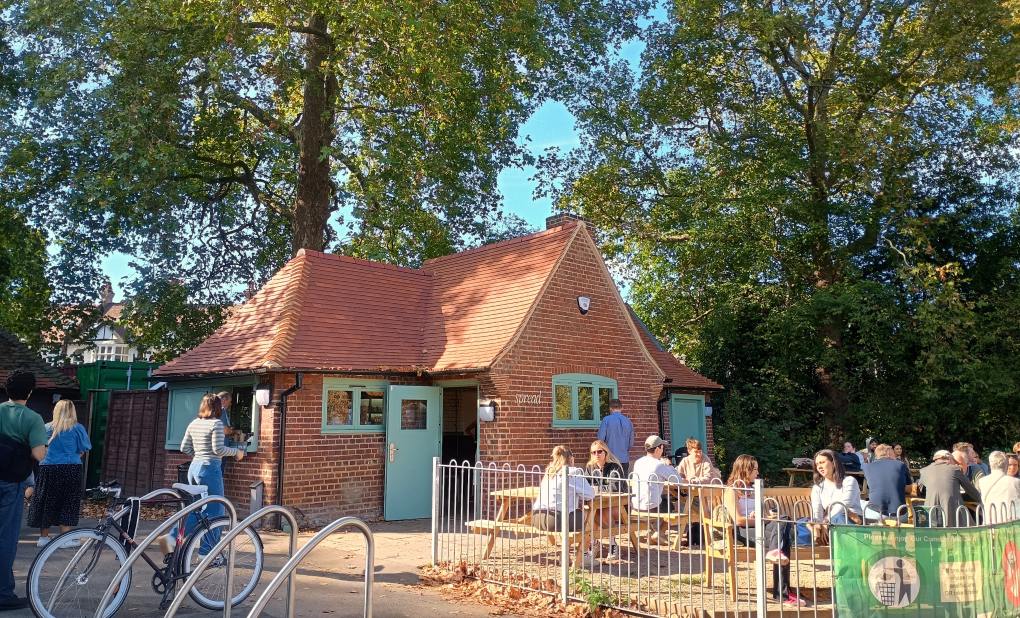
Five and a half years ago, we reported that the long abandoned toilet block in the woods on Clapham Common was up for lease as a cafe – to anyone brave enough to take it on. But we also reckoned the estate agents were not going to be seeing queues round the block. The building had been closed for decades, it was jammed between the South Circular and a set of dilapidated changing rooms, it came in at a pretty tight 500 square feet, the whole place was cracking and slightly leaning, and it was surrounded by brambles. To top it all, someone had stolen part of the roof, meaning it was loosely covered with plastic sheeting.
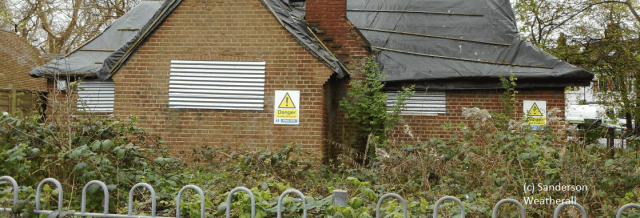
It’s always ominous when the estate agents’ listing contains no interior photos and the building is liberally scattered with ‘Warning: dangerous structure’ signs; all in all it was clear that this building was in the last chance saloon.
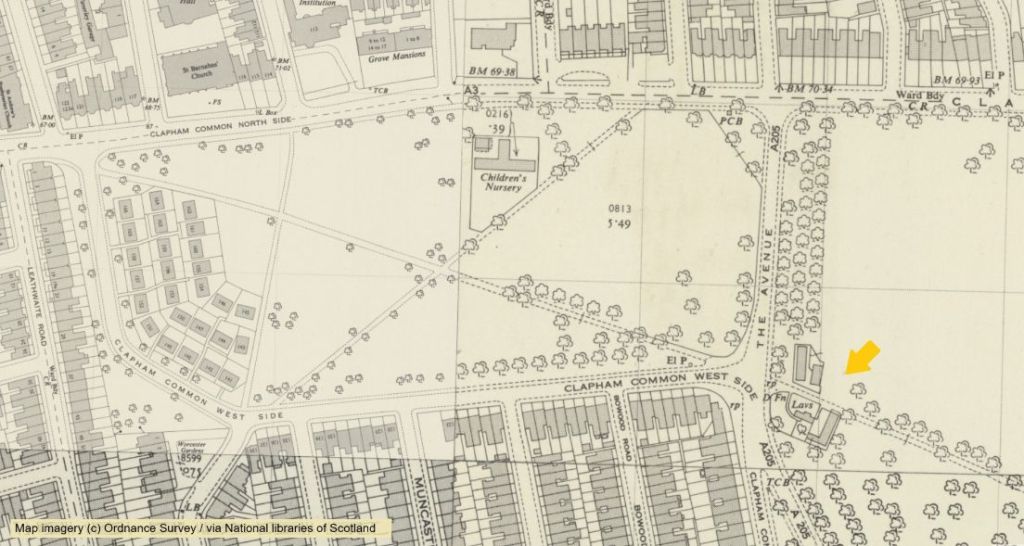
And yet… for all of its faults, this was a place with potential. The number of people walking past on a typical weekend is vast, it was right next to one of the wealthiest and densest residential catchment areas in London, there was plenty of enclosed space around it that could become a seating area. It remained a pretty elegant structure – with fine brickwork and plenty of signs that about a century ago someone had put a fair bit of love in to building something that would look good and would last. It’s not entirely clear when it was built, though a look through historic maps suggests some point in the 1930s. The always excellent NLS map database also shows another couple of buildings to the north in the early 1950s, as well as a lot of prefabs at the western end of the Common.
Back in 2011, the building narrowly escaped demolition. Lambeth, who manage the whole Common despite this part being in Wandsworth, applied for permission for knock everything down. They clearly weren’t keen on what they described as “redundant brick built toilets”, arguing that it had been empty for 15-20 years, had suffered from vandalism and structural defects, and was ‘beyond repair’. They proposed to replace it with two steel portakabin-type changing rooms with an attached bathroom.
Lambeth’s planning application was a mess, with a distinct ‘Friday afternoon job’ look to it – and Wandsworth (who are in charge of planning in this bit of the Common) weren’t convinced. They felt there wasn’t a convincing case for knocking the building down rather than repairing it, especially as it was in a conservation area. They recognised it was in ‘a decrepit state’ and seemed to be leaning at one end, but they noted it would be attractive if it was refurbished, and that Lambeth hadn’t really offered up any evidence that the structure was beyond economical repair. The proposal was rejected, an another similar planning application y Lambeth a year later was dropped before any decision was made.
At that point Lambeth seemed to lose patience with the project, and pretty much closed the book on the old building, leaving it to an uncertain future. Not much happened for a long time, though it’s at some point after this that a fair bit of the tiled roof mysteriously went missing, and was covered with a plastic tarpaulin.
When they had a first go at leasing it as a ruin, withal the repairs to be done by whoever took it on, it did draw some attention and interest – several thousand people read an article we wrote about it. But no one leased the property. The thing was – even though it had loads of potential – who was really going to take it on in such a run down state, where they would have to invest a fortune fixing every aspect of a building they were only leasing, before making any money? We started to wonder if the place was, after all, doomed.
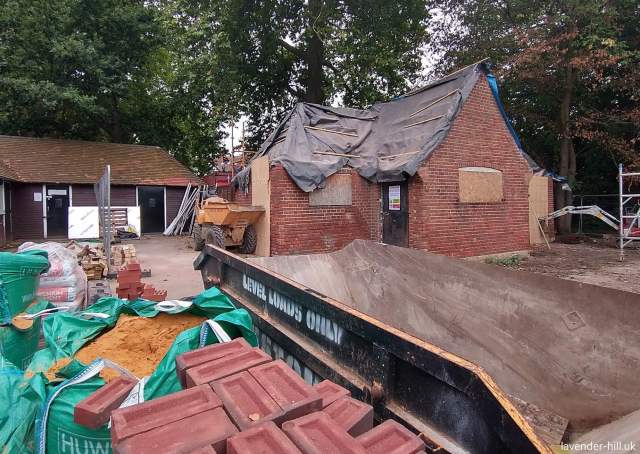
But then in a surprise move that no one saw coming, Lambeth themselves, the ones who had been itching to knock it all down 13 years prior, had a change of heart. They decided the building wasn’t beyond economic repair after all – but would make an ideal premises for a new café (just as Wandsworth had suggested back in 2011). Changes are the estate agents had reported that while there was interest in the location, no one was really going to take it on in such poor condition. Amd given the sorts of rent they were making from other cafes on the Common, they had by now probably also realised it could be a nice little earner.
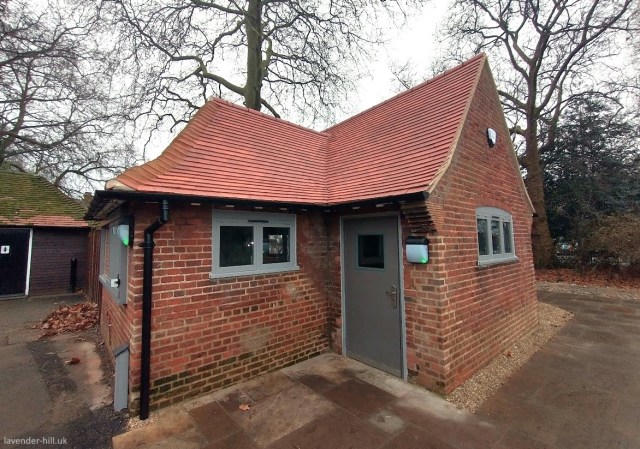
So Lambeth got the builders in, who didn’t waste any time getting the leaning wall and chimney straightened up, damaged bricks carefully replaced, the whole building cleaned and repointed, and the tiled roof replaced. Services were upgraded, the area around was partly paved, and all the windows were replaced.
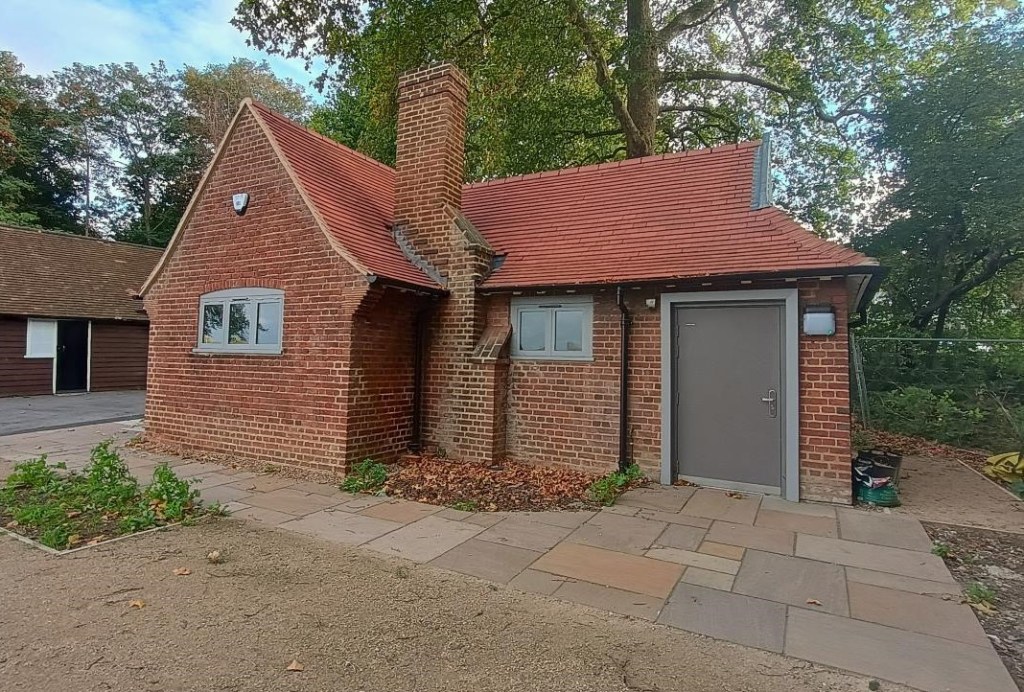
Back in 2024 we reported as the works neared completion. The builders had done a fine job and the structure had scrubbed up really well. The original toilets were gone – but a new fully accessible one has been included at one end of the building that’s open to everyone, not just cafe customers (partly because the existing ones attached to the changing rooms have rather variable opening hours and aren’t really accessible, but also because a building on the public Common needs to have a public function rather than just being a private business).
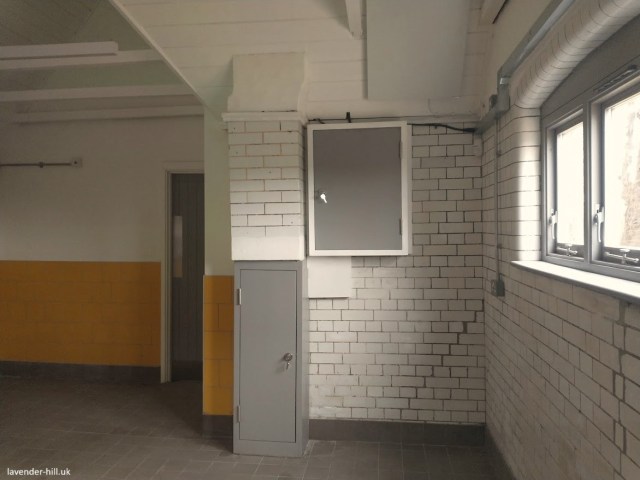
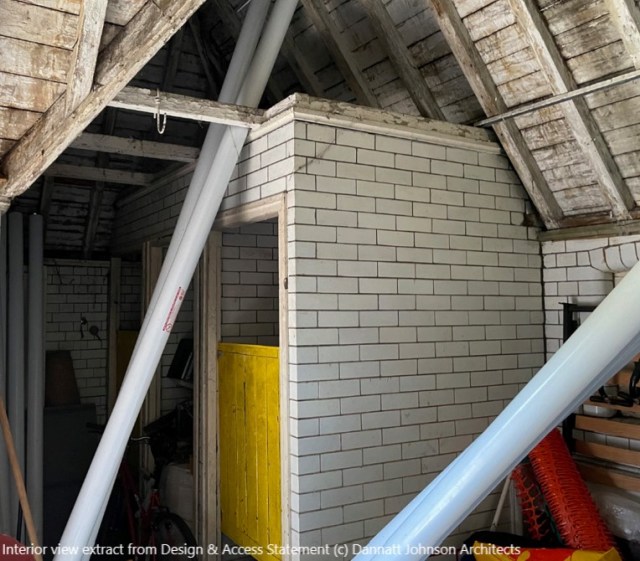
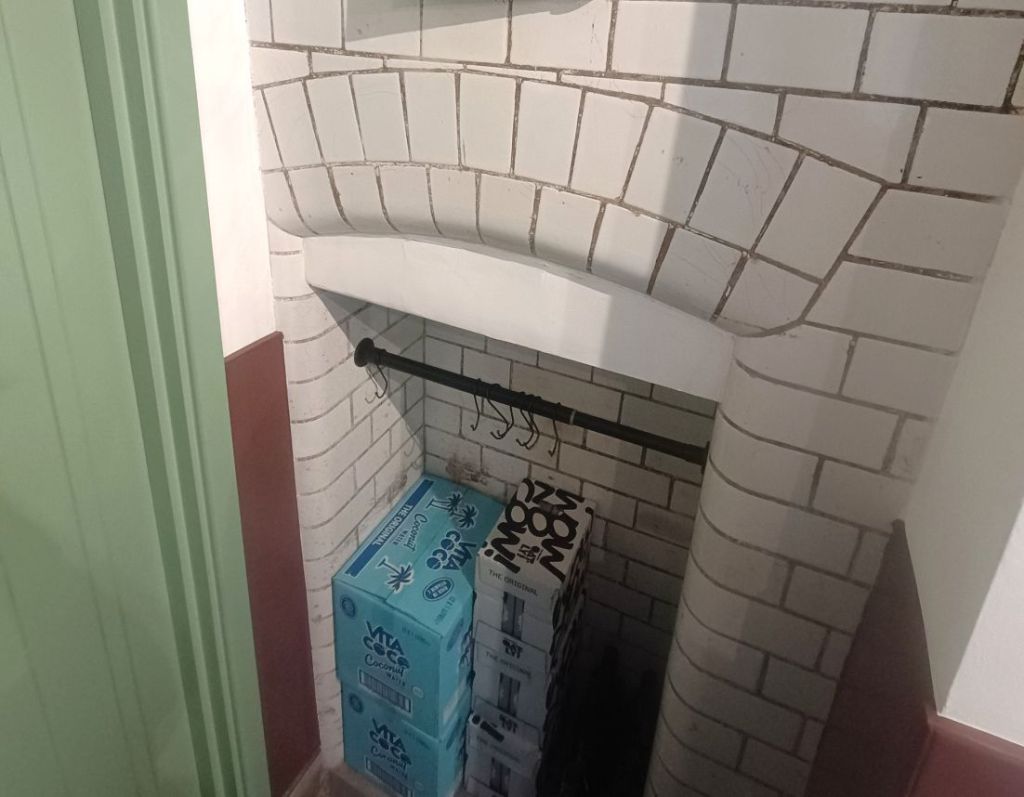
Inside the building as many of the original Victorian glazed bricks as possible have been kept in the interior. The original fireplace opening under the building’s chimney is still visible – and it’s quite an unusual thing to have in a small and remotely located toilet block, it suggests that the toilets must have (at one stage) had an attendant who not only kept the toilets clean but was also on hand to top up the coal needed to keep the building warm through the day.
The fully-spruced-up premises were put up for lease again – and this time, as a ready-to-go premises, it saw lots of interest. Three bidders made the final stage, and the outcome was that 21 Grams would be taking on the lease. They know the location well – as they run an existing and very popular cafe at Clapham South, just at the corner of Cavendish Road, where the south circular sets off from the Common on the long and winding route to the Woolwich ferry.
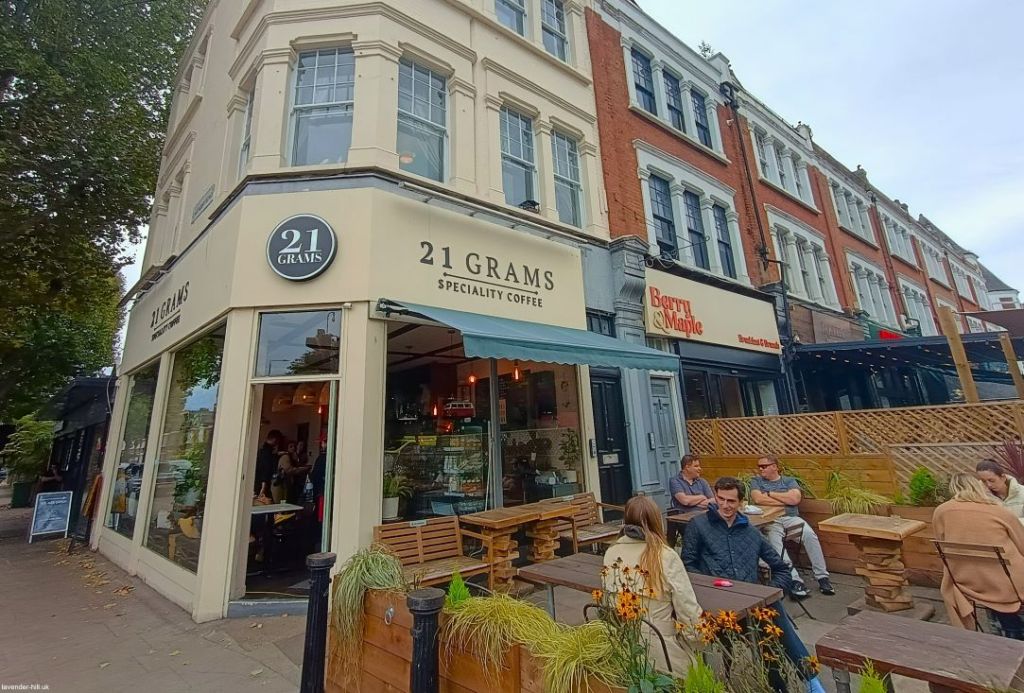
21 grams is a proper locally owned business, and a success story made right here in Clapham Junction. The business started with its first branch in Northcote Road, and grew steadily to open in Clapham South, Northcote Road, Fulham, Wimbledon and further afield – and your author (as a semi regular visitor to Clapham South) can confirm their coffee’s excellent! We spoke to the owner at the time, who was looking forward to getting going – and assumed that the building would be reopening imminently.
However that didn’t happen – because it turned out that someone in Lambeth Council had accidentally made a mess of part of the leasing process, and the whole thing had to start again at square one. This led to almost a year of delay, with the building sitting empty. We understand that 21 grams, having got all the way through a long and complicated process and then seeing it all called off, decided they’d had enough time and money wasted and walked away from the process – and who can blame them.
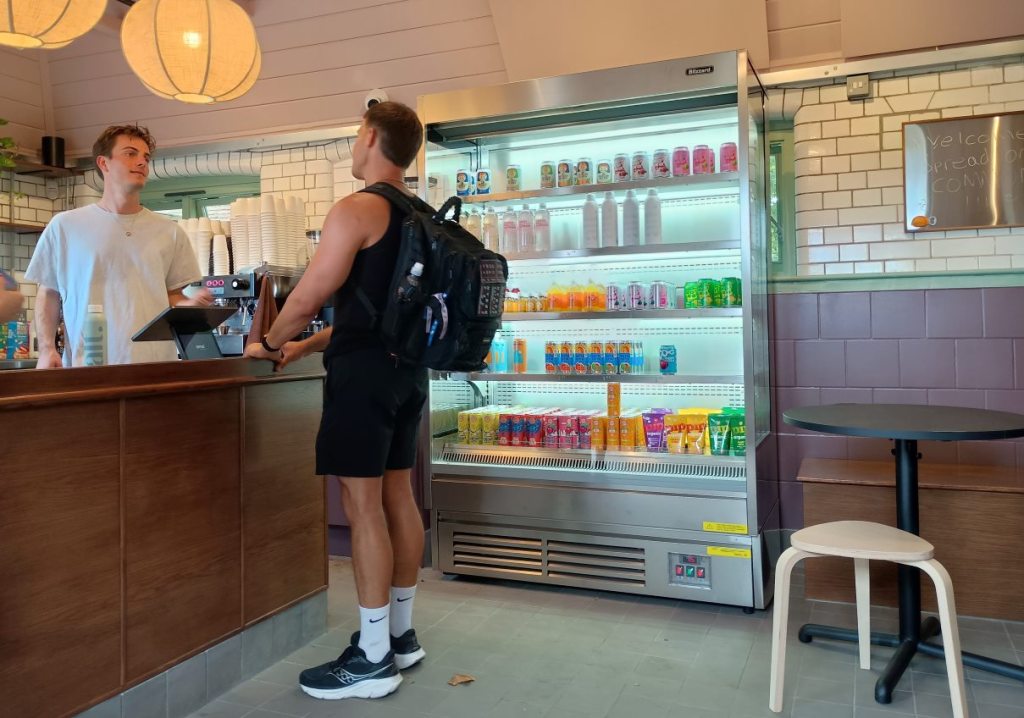
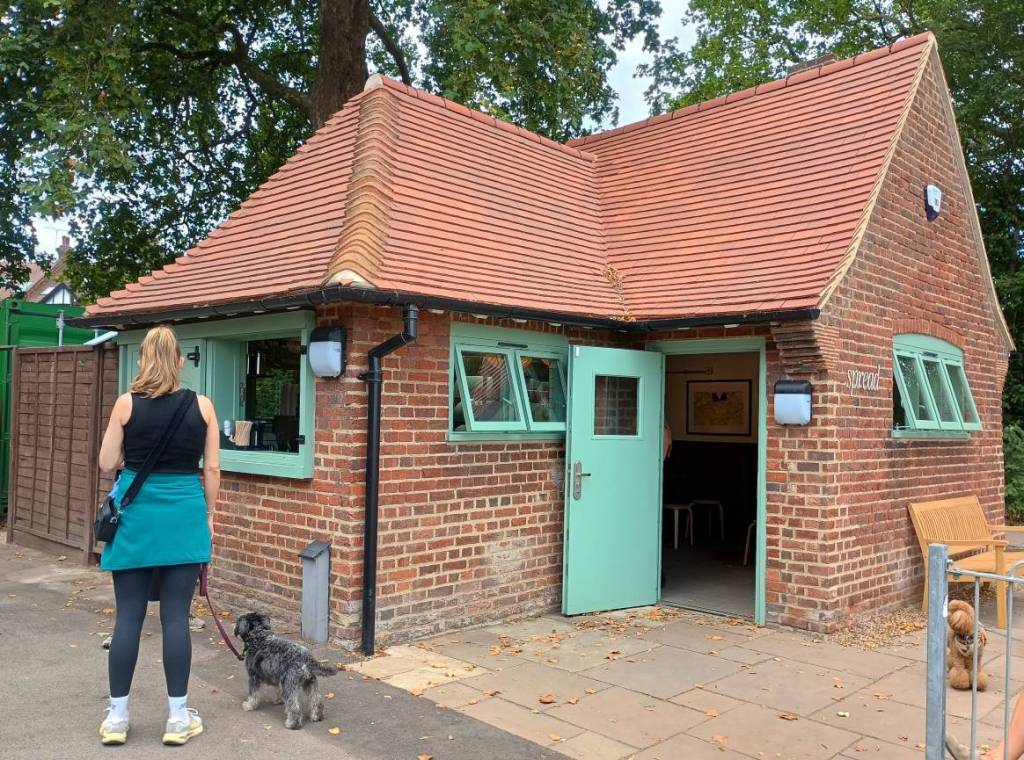
The second process eventually reached a conclusion, and this time it was another local independent business who got the lease – and one we know only too well, because Spread ‘s first branch is right here on Lavender Hill! A popular independent cafe with a highly rated food menu, Spread have become a firm favourite since they opened their first branch a few years ago.
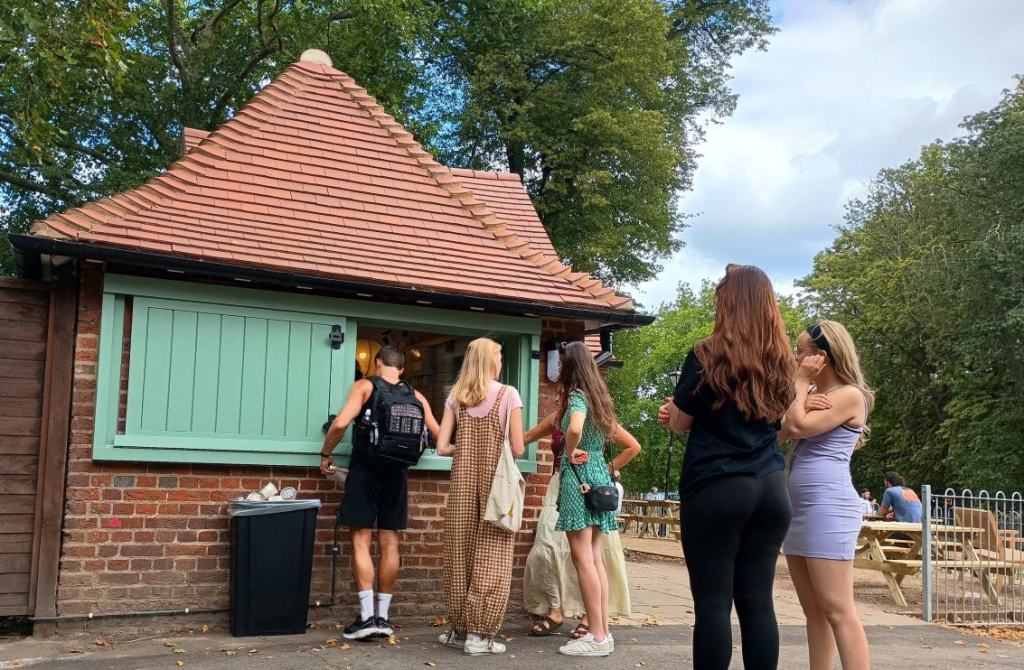
A bit of fitting out work followed, to get everything shipshape and ready to go – and they opened at the end of the summer. There are a few seats and tables inside but the main seating is outside, with a serving hatch for takeaway collection. Unlike Spread’s Lavender Hill branch there’s no big back kitchen with a chef at work making dishes to order – the culinary emphasis here is on drinks and a range of pastries, sandwiches and lighter bites.
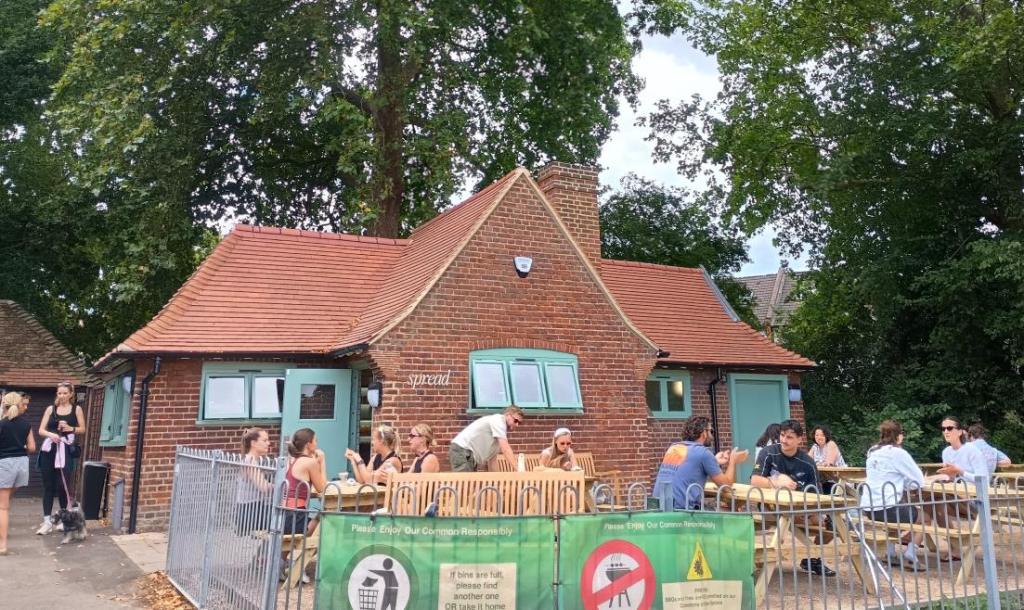
But the secret sauce for a cafe in a place like this is always the quality of the coffee. Spread’s nearest competitor, Pear Tree Cafe next to the band stand, were well aware of this when they took over that lease five years ago; with a rather improved coffee offer they vastly increased customer numbers within a few weeks. Good coffee has long been a strength of Spread, so the were set up for success here. And word about Spread’s opening has, well, spread – the crowds now turning up in the weekends are a confirmation that the coffee does not disappoint.
But this is a win for more than the availability of good coffee. A long-overlooked local heritage building is now looking its best, improving the whole feel of this once down-at-heel corner of Clapham Common. A local independent business run by a lovely and enthusiastic team has found the perfect home to grow, and create new jobs and opportunities. And everyone using the Common now has new facilities with a proper accessible bathroom in a place that didn’t have one before. It all suggests that all those years ago, the anonymous Wandsworth officials who rescued the building in its hour of need by throwing out the dodgy demolition proposals, and many years later the similarly anonymous Lambeth officials who got the money together and argued the case to get it back in business, were right. It might have taken thirty years from the toilets being abandoned, a fair few bumps in the road – but a little building hardly anyone cared about, that for a long time looked to have reached the end of the road, has instead found its own happy ending.
At the time of writing, Spread on the Common is open daily from 8 til 5, though hours will likely vary over the winter; they’re close to the junction of Clapham Common West Side and The Avenue. Lavender-hill.uk is a community site covering retail, planning and development and local business issues, centered loosely on the Lavender Hill area in Battersea but also reporting on developments on Clapham Common., with occasional more detailed articles on local history, and other subjects of wider community interest. If you found this interesting you may want to see recent posts on Battersea Power Station’s mysteriously missing historic cranes, on the story of how one of Clapham Common’s oldest houses was saved, on the complicated case of Clapham Orangery, or on the pioneering women of Battersea’s early days. You can also sign up to receive new posts (for free) by email – and if you have tips and leads to share, get in touch.

