Something fairly rare’s happening: some new Council flats are being built, by the Council! Wandsworth plans to add 14 new flats to Tyneham Close, an existing 64-flat estate just north of Lavender Hill (seven of them one-bed, and seven two-bed), by some ingenious building work in the two squares shown inthe picture below:
One of the new buildings will take over a paved area that was originally designed as a space to hang out laundry, pictured below. It sees occasional use as a childrens’ play area, but it’s essentially abandoned, and as a piece of land that the Council already owns it’s an obvious candidate for redevelopment.
The new building will have five storeys, loosely echoing the style of the existing flats through use of somewhat similar brick and a similar flat roof approach, but it will also come with bigger windows, proper balconies, and generally speaking a design that looks much more up to date than the rest of the estate.
One thing you may be wondering, comparing the two images above, is – what about the windows of the existing flats? They have a kitchen window and a bedroom window (as well as a tiny boiler cupboard window) facing straight in to the site of the new building. And this is where something quite clever is being done. This project has been in development for over ten years, and the first version tried to keep all those windows in use. It got a planning approval way back in 2016, but the project then went on the back burner for years. When the project was revived someone at the Council had a closer look, and clearly thought – there has to be a cleverer way of doing this. They worked out that if they scrapped those windows, and extended those existing Tyneham Close flats right in to the new building, they could give them a bigger and better kitchen, with a window facing the other way – and a new balcony. The extract of the floorplan below shows what this means in practice: the pink bit labelled “Kitchen extension” is a new kitchen extension added to the existing flats, with the old kitchen becoming a dining area. A new balcony is also added opening from the kitchen.
By removing the need to do awkward things to the layout of the new building to keep those windows in use, and allowing the whole of the plot to be used for development, this also allows bigger and better flats in the new-build part of the development. Of course the people living in those existing flats, who are a mix of leaseholders and tenants, would need to all agree – and discussions were held with everyone affected to see if this approach would be workable. It seems that a whole lot of extra space and new balcony, and a brand new kitchen – in exchange for some disruption and losing an old window – was an offer too good to refuse, and everyone agreed. There are other interesting design details in the plans – two of the flats are duplexes, with their own front doors to the street, and internal staircases up to the forst floor, to use the ground floor space efficiently for living areas while not having bedrooms on the ground level. Some of the windows that face in to the courtyard are also pointed in particular directions to avoid overlooking existing flats. The plan is to use air source heat pumps rather than gas boilers for heating, to make the new flats more sustainable and cheaper to run.
The other new building is more or less a mirror image to the first, and will take over a small walled courtyard that was originally built as a mini 1950s-style sports pitch. It’s more heavily used than the old laundry area on the other corner, but it has been very neglected for the last decade or so and is looking quite run down!
The new building on this side will look like this, seen from Shirley Grove – with its own entrance to the street. A similar approach has been taken with the kitchens, again extending the existing flats and adding new balconies, in exchange for moving the existing windows around.
As part of the project a bundle of improvements will also be made to the existing estate, in particular the central garden. It is a surprisingly large space, and should really be an oasis in an otherwise very built-up area, and somewhere that can be used by the many residents and families in the estate – but it is really not well used at the moment. This is partly because like the estate it’s been designed in a very traditional late-1950s way with a single pathway and not much else – without anything in the way of play equipment, no seating (there was some but it was removed some years ago), and really not a lot to offer other than a green view out of the window.
The whole garden area will now be completely redesigned, with a wavy path running round the courtyard, new planting, new seating, and lot more variety in the layout. At the moment the grass runs right up to the windows, the plans will instead see decorative planting introduced round the edges to give a bit of privacy to the ground floor flats. There will also be a proper childrens’ play area in the middle of the courtyard – labeled ‘6‘ on the plans below. The large trees will be pruned to let a bit more light in to the space. The aim is to make this feel like a place people want to be, and remove the somewhat abandoned no-man’s-land feel it has at the moment.
Managing access has been an ongoing problem with the current gardens – they’re supposed to be a private residents-only area, but the three existing access gates keep being broken and left open, which leave them open to all sorts of dodgy characters, street drinkers, and the like – as well as large and not-very-friendly dogs running free – all of which has understaandably put residents off using them. The current flimsy gates will be replaced with proper new gate controls on the ground floor of the two new buildings, that will make the gardens a proper ‘residents only’ space. The rather hidden away gate to Woodmere Close (and Lavender Hill) which has proved especially hard to secure will be permanently closed, with the stairs removed and new bushes and planting blocking off that entrance route for good. The “Ruffians’ corner” seating area hidden away at that corner of the gardens, pictured below – which has been a magnet for antisocial behaviour – will also be reduced in size and linked better to the garden.
There will also be improvements to Ashley Crescent, where two large areas of paving (one pictured below; the other is at the end of Dunston Close) will be replaced with new areas of landscaping with wildflower gardens and bushes. This is partly in an attempt to compensate for some loss of greenery with the new buildings, but is mainly designed to provide a rainwater-absorbing area, in an area that has seen localised flooding. The floods are someimes caused by rainwater flowing down the hill when drains and gulleys get blocked – but a long-lost river also runs right underneath these planned reinwater-absorption areas – it was originally a side channel of the Thames known as the Battersea Channel, and later became a somewhat manky river called the Heathwall (which we’ve also reported on), before being more or less completely buried, emerging only to surprise people when it occasionally bursts out of the drains in big storms.
The planned development will also involve changes to Tyneham Close’s rubbish collection arrangements, which have been an a bit of a shambles for many years. At the moment rubbish has to be taken some distance, either to a poorly designed bin shed that that’s far too small (and which has repeatedly been taken over by rats), or to a series of open air recycling bins scattered around the estate, most of which are an absolute haven for flytipping. The ground floors of the two new buildings will each include a fully-enclosed rubbish storage site, built to modern standards. By including enough indoor space for all the bins, and having a gate system to limit access to residents, this should remove the ugly and messy outdoor bin areas (pictured below) that previously attracted so much flytipping.
The estate has five car parking spaces that are a bit of a free-for-all at the moment, facing Tyneham Road. These will be reorganised to have two blue bage spaces, and some secure cycle parking (34 internal spaces, four external ones, and four for visitors). This represents a small overall loss of parking space, but for the first time existing residents will have secure & lockable cycle storage in the estate, rather than having to take bikes up to upper level flats.
This is the third and final stage of the building programme in Tyneham Close & the Gideon Road estate. We’ve reported quite a lot on the series of small Council-led building projects off Lavender Hill – from when they were first proposed, when work started, only to be followed by a long pase while it was all half-built, to reporting on the generally decent results of the first phase.
There’s a second set to get building at some stage soon, behind The Crown pub – where again the plans have evolved with time, and our most recent article is here, in that case the project is ready for construction to start. We also reported on a separate bit of work to improve the gardens on the existing estate.
Wandsworth has a fairly solid track record on building new Council houses – the ‘Hidden Homes‘ programme was created by the Conservative council in the early 2010s, with the aim of using up scraps of land on existing Council-owned estates to create new affordable housing. Most of the funding came from the money developers of shiny new flats would pay the Council when they said they couldn’t fit the affordable housing portion on the main site. The current Labour one has continued with the programme, albeit with the new name ‘Homes for Wandsworth‘, and with the aim of delivering 1000 homes for council level rent on council owned sites. You might say that this small development of 14 small and mid-sized flats is a drop in the ocean – after all, the 2023 local plan has year-on-year target at 1,950 homes a year up to 2028! – but these are nevertheless good quality flats being built, and the wider works should improve the estte as a whole. It is likely that most of the residents of these new flats will be people relocated from the York Road estate as part of the rebuilding and redevelopment programme there.
As Tyneham Close sees its forst significant building work for decased, it’s maybe worth a brief historical detour. Tyneham Close was built in 1948-50, by architects Howes & Jackman – it was one first post-war housing schemes of any size built by Battersea Borough Council, and also represented the Council’s first employment of private architects for housing. It replaced a more traditional road running right through the middle of the estate and linking Tyneham Road to Lavender Hill; the photo below from the planning documents shows the old buildings roughly where Tyneham Court’s central entrance is, just before they were demolished. The pathway behind the bollards is what would become Shirley Grove, the same view now looks like this.
As the ‘bomb damage’ map below shows (where the new buildings’ location is marked in red), these houses had been badly bomb-damaged and were clearly deemed beyond rescue at the time. What is maybe more surprising is that large numbers of perfectly seviceable houses both east and west of the ste were also demolished, to make way for the Gideon Road estate and the Ashley Crescent Estate. It’s not too clear why this was done – the costs involved must have been considerable, and because what was built in the place of the terraced houses was broadsly similar density to what was there before, the overall amount of housing presumably remained much the same. The Victorian houes were no doubt old and tired, but this part of Lavender Hill had been built to decent quality.
Before Tyneham Close, Howes & Jackman architects had previously designed several very smart 1930s projects, and Tyneham Close was clearly a fairly happy project for everyone involved as they went on to design lots more housing in Battersea over the next 25 years – including being the architects behind Battersea’s more architecturally debatable York Road estate in the late 1960s.
Back to the present – the latest proposals for Tyneham Close are currently in consultation. If you’d like to see the detailed plans, and make comments, search for planning application 2025/0661 at wandsworth.gov.uk/planning. Comments can be made until the 17th April (and in our experience, late comments are often also accepted where it’s feasible for the planners to do so). These plans have alreay involved a lot of consultation and meetings with residents, and we don’t expect them to be controversial. And somewhat unusually, the Council is applying to itself for permission (which is allowed in cases like this, under Regulation 3 of the Town and Country Planning Act) – so realistically it’s likely it will be approved!
Lavender-hill.uk is mainly focussed on the Lavender Hill area of Clapham Junction. If you found this of interest, you may want to see our wider articles on local environment, planning and housing issues. Some of our favourite articles are on local history, and if you live near this site you may also find our photo story on the Shaftesbury Estate of interest. To receive new posts by e-mail (for free), sign up here.
The Thames was once lined with a forest of cranes, which were central to London’s status as a city trading with the world. Battersea was no exception, with factories, warehouses, and docks lining most of the river from Vauxhall to Wandsworth, turning out all manner of things from candles and crucibles to flour and glucose. As the city moved on, the cranes started to melt away, gradually at first but then increasingly quickly as the industrial riverside caught the eye of property developers. Most were unceremoniously scrapped, but as we got down the last few, Londoners started to recognise their value as the last witnesses to a major part of the city’s history – and we have late-1980s developments to thank for the preservation of a handful of cranes in Canary Wharf, Silvertown and Canada Water.
And a couple at Battersea Power Station – where a couple of particularly large and powerful travelling cranes were built on the jetty, to lift coal from barges in to a huge coal bunker in front of the power station, from where it was put in to conveyors. Battersea Power Station was actually quite a late arrival to the Thames crane game, with its two large travelling cranes being built alongside the two wings of the main power station, in 1936 and 1947. They were both made by Stothert & Pitt of Bath, famous UK crane makers who built hundreds of cranes that once stood along both sides of the Thames, as well as around the country and further afield – they were described as ‘building cranes for the world’ (and they’re are still in business – making spares and aftermarket support for all their dockside and offshore cranes that are still in operation).
Our photos here are of a model of the power station from when it was still running, and show how these two cranes worked. Barges full of coal would moor up next to the jetty, the cranes would lower great big scoops in to them and lift coal out of the barges, and then drop it on to a pair of hoppers (also on rails) which then transferred coal to a conveyor that ran along the jetty, and – via a series more conveyors and another giant travelling crane – sent it to either a large store in the area between the power station and the river (where the park is now but which would have been a series of big hills of coal) or up to the power station boilers. The cranes were hugely powerful, and carried on unloading up to 240 tonnes of coal hour into the power station until it closed for good in 1983.
John Broome took over – with plans to turn the power station in to a theme park, building on his success at Alton Towers. He may have only paid the relative pittance of £1.5 million for the power station, but he spent £45 million of his own money on a huge programme of works, removing asbestos and much of the machinery in and around the site (as well as a large part of the original roof) and shoring up the foundations. This saw the big travelling crane over the coal storage area removed and destroyed in the late 1980s. The coal conveyors also vanished, although the space where the conveyor fed in to the riverside wall of the power station is still there, and is now the window of one of the flats in the power station (which – having one of the largest windows facing the river – was rumoured to be the one bought by bear Grylls).
All that was left after the big 1980s clearout was the two travelling cranes on the jetty. They used to be able to travel along rails covering the full length of the jetty, but only short sections of the rails remain in place. John’s plan was to keep them as a key historic feature, linking the power station to the river. Obviously that plan all fell apart, work ground to a halt in 1987, and the whole place spent a few decades in the wilderness. Your author took the photo below in 2007, when our cranes were still standing proud, if a little wistfully, over the wasteland that surrounded the power station.
Battersea, and London, has changed a lot since 1987. Following the demolition of the last few riverside warehouses near the heliport further west, our two cranes are now the very last trace of Battersea’s riverside heritage. Fortunately they’re now part of the listed building (the Historic England listing for the Power Station describes them as ‘parts of the original complex and now rare riverside features’). So they should be safe, right?
There’s just one small problem – which is that Battersea’s big cranes aren’t currently at Battersea. Worse – there’s a bit of a mystery about their current whereabouts. In 2014, both cranes were temporarily dismantled and removed from the jetty by the developers of Battersea Power Station. This was part of the linked project to extend the Northern Line to Battersea – the idea was that the earth dug out from three kilometres of new tube tunnels & stations (as well as works on the Battersea site) would be taken out to the pier on a modern conveyor belt system, and put in to a barge – and then floated off to Goshems Farm in East Tilbury in the Thames estuary where it was used to cover over an area of poor quality, polluted land and create new farmland. A clever reuse of the pier, and also an ingenious way of avoiding many thousands of lorry journeys through central London.
The cranes were taken by barge to the Port of Tilbury, which remains one of London’s largest ports, and the place where most of the things that are not ‘standard’ containers arrive. At the time the line was that the cranes were being taken to Tilbury for safe storage and specialist restoration; and that they were expected to return to the new Riverside Park three years later in 2017. The cranes definitely made it to Tilbury – there are a few photos of them being unloaded. But from then on things went very quiet. 2017 came and went without even a whisper of the cranes’ restoration. The new riverside park opened, the power station opened, the new riverside boat service opened, the Northern Line opened, even the pier the cranes once worked on opened to the public thanks to new footbridges and railings. It was all done to a very high standard – with a lot of care taken to preserve the remaining heritage features of the power station. But where were the restored cranes?
OK, so maybe there was a bit of a delay. There was clearly work to do on the cranes – they needed rustproofing, a proper repaint, and probably also some works to ensure their long term preservation. At least they were safe in the hands of specialist restorers, and they would no doubt come back to join the other preserved historical aspects in pride of place on the Battersea pier.
Or maybe not. Because more than ten years later, there’s still no sign of the cranes. We got curious about what was going on a while back, and so did a fair few others. You can’t just wander in to the Port of Tilbury – but you can get a feel for what is inside, thanks to Google! And after a certain amount of digging around, we established that the cranes have indeed been in ‘storage’ for many years at the Port of Tilbury. The two cranes are more or less in the middle of the photo above, in and among the scrap metal mountains and heaps of gravel and aggregate.
Unfortunately it’s not especially good ‘storage’. It would maybe be fairer to say that they seem to have been left in a hundred or so pieces spread along a thin strip between the large heap of gravel and a service road within the port.
The closer we look, the more we can see the state of the cranes – all the pieces are there, but this doesn’t look great for the promised ‘careful restoration’ – which we imagine means some stripping of old paint, some painting with rust resistant paint, maybe new glazing, and making sure the structures were able to continue as one of Battersea’s key riverside features.
Some might say it looks more like the cranes have been there for a decade mouldering away – without any restoration at all! The actual location of that storage is here – they are, at the time of writing, visible in the current Google maps aerial photo view, along the side of the gravel storage heap.
A bit of further digging led to some photos taken from the ground. Would this reveal that at least some work was underway?
Oh dear. This is one of the big pulleys, which you’ll recognise from the photos at the top of this post. Not looking too good.
Blimey O’Riley… not looking good at all. This is, or was, one of the main support legs, plus what looks like some old spray cans, some plastic sheeting, some unknown manky green stuff, and some weeds. There are also some worryingly brutal cutting lines in the steelwork where the cranes were chopped up for transport and storage..
The situation’s not much better when it comes to the operators’ cabs, which are also in a rather frightening condition (and we should note that these four photos aren’t ours – they were posted on X by @dsb_malloy).
Fortunately we’re not alone in being a bit worried about this key bit of Battersea heritage. The Twentieth Century Society, indefatigable campaigners to save the architectural heritage of the last century, are also on the case. In 2023 they published an article exploring the mystery of the cranes, and their case worker got on the case to try and work out what was happening.
They spoke to the Port of London authority, who confirmed that the crane components were still in storage at Tilbury Docks, but who also let slip that that to their knowledge no restoration work had yet been undertaken! The society also contacted a spokesperson for Battersea Power Station Ltd, who issued a short statement on their plans for the restoration and return of the listed cranes:
‘To date, we have been focused on successfully opening the restored Power Station which welcomed the public for the first time in October 2022 and since then, we have introduced new heritage items throughout Power Station Park, such as original turbine equipment and segments from the original chimneys. The cranes remain in storage at the port of Tilbury in Essex, and we will be bringing forward a plan for these in the future.’
Fair enough, the developers been busy, there was a lot to do on the power station, and we’ve all been impressed by the results of their work, which has rescued the main power station building from the last chance saloon, and created a thriving new destination. But reading between the lines it’s clear that the 20th Century Society weren’t especially impressed at being told that even making a plan for the cranes, nearly a decade after they’d been shipped off, was still ‘in the future’ – let alone actually doing any of the promised restoration work. They noted that they cranes are a key listed structure of the wider Battersea site and a rare original industrial feature, and the Society called on the developers to expedite their plans for the restoration and return of the cranes.
But wait, because it gets worse. A decade exposed to the elements in a mangled heap in Tilbury wasn’t great for the cranes, but they were at least in a secure perimeter in a busy port. Since then, word has reached us that the cranes aren’t in Tilbury any more…
So where are they? No one knew – and it took a bit of minor detective work to find out. We spotted an unrelated post on X that shows the laying of some new tarmac. It’s definitely a tidy effort, and who doesn’t like the satisfying sight of a road roller making a crisp clean new surface that’s immediately walkable and driveable… But in this case what we’re interested in is not the fine resurfacing work, but what can be seen in the background:
Yep – it’s Battersea’s cranes. We’d recognise those bits of tangled steelwork anywhere! More detective work ensued, to try and track down where this new location actually is. Helpfully there’s a dock crane in the background labelled ‘Cory Environmental’, which pins it down to London – where Cory, who grew a major business transporting coal up the Thames (where, in a curious twist, they used to supply the coal to Battersea), but who now specialise in transporting rubbish down the river – have much of their business.
The unusual design of the cranes helps too, because there aren’t many of those cranes left either. We’ve pinned it down to an abandoned landfill (maps link) at Mucking Marsh, way down the Thames. Not many people have ever heard of this and even fewer have been there, but many of us have contributed to it because it’s the site where millions of tonnes of London’s rubbish got dumped over the years – this was one of the largest landfills in western Europe. The aerial photo below shows the spot.
Mucking marsh landfill is a very remote spot. The dump closed in 2010, and it’s now a mix of bird sanctuaries, big skies, and simply empty space – you can’t really build anything on it because – like most old landfills – the land is slowly subsiding, and the rubbish beneath is still making methane. Now other than that bit of rather smart resurfacing work we saw earlier, this doesn’t feel like the sort of place anyone is about to do any specialist crane repair work – there’s nothing there except the three dock cranes that used to offload waste from barges, no buildings to safely store tools, not a lot of power, no water supply, nothing.
So why are the cranes way out here in the wilderness? The leading theory is that this is cheaper ‘storage’ than the Port of Tilbury, not least as the Port is within a security perimeter whereas this, realistically speaking, is a field. Maybe the space by the gravel heaps in Tilbury was needed for something more active. But maybe more likely is that this super-obscure location just another step to hoping we all forget about our cranes, or that they get vandalised to the point where they can be declared ‘beyond repair’.
Another photo of the cranes emerged a few months later, in August last year, suggesting the cranes were still there – there’s not so much clue as to the location other than there being a tree in the background (so clearly not Tilbury docks) – it may also be Mucking Wharf Landfill although there’s not a lot there either in the way of trees. Condition of the cranes again leaving rather a lot to be desired.
This part of the old landfill is not somewhere you can officially get to – it’s deep in to private land, even if in practice this is largely left to itself most of the time – the end of the road at the access checkpoint is shown below.
Which really raises the question – is this remote and forgotten landfill the end of the road for Battersea’s cranes?
We hope not, but it’s time we all made a bit more noise about them before we lose them forever, because this ongoing neglect of listed local landmarks just won’t do. It seems no work has yet been done on restoration, even though they have now been off site for over a decade, and were supposed to be back, on site and restored, in 2017. They’re a core part of a listed building, and a pretty famous one at that, one of London’s most recognised buildings.
This feels like a bit of a screw up by a developer who have otherwise not really put a step wrong, and who have to their credit used the heritage in the main building wisely. I’m not really sure why the cranes fell out of favour: they’re not huge, renovation isn’t a particularly big or pricey affair (we’re talking safety check on the various bolts and struts, bit of sandblasting, a few panes of glass, some red oxide primer and a couple of coats of grey paint really), and they’d make quite the landmark for the tourist trail.
Perhaps importantly, the cranes are easily compatible with the food and drink offer that’s being developed on the pier – which has been launched as an outdoor extension of the Arcade food court. In the original design for the redeveloped power station, the cranes and hoppers act as features on the boardwalk, and we don’t see any obvious reason why this wouldn’t still work. They’d also make the pier – which already sees huge crowds arrive by boat on the weekend, and even more arrive from the west alongside the riverside pathway – even more of a landmark feature.
The power station as a whole came off the ‘heritage at risk’ register four years ago, and the work by and large has been solid and carefully thought through. Killing off our cranes through wilful neglect (“oh no, they’re too far gone to be reused now…”) seems to be a real mistake. You only need to look at how the UK’s other heritage cranes have fared. Glasgow’s Finneston Crane, for example, has become an emblem of the city, guaranteed to feature in some form or other alongside the tartans and saltires in any tacky souvenir shop –
Bristol’s M Shed Cargo cranes, built in the 1950s by the same people as Battersea’s cranes and pictured below, have become a core tourist attraction of a similarly maritime city – and part of the adjacent museum’s core collection, drawing crowds to the M Sheds and the south of the dock; these cranes were listed in 2022. Saving the cranes wasn’t a walk in the park there either, and there was a battle to save the Bristol cranes back in 1974 when the docks were closed, as the Bristol Museums report:
Many of the remaining cranes were sold for scrap, including four of the eight that served M Shed. A group of local people recognised that the cranes were an important link to Bristol’s past and set up the pressure group City Docks Ventures in order to save those that remained. It was a very close thing, but City Docks Ventures managed to buy back two of the cranes from the scrap merchant they had been sold to, and Bristol City Council bought the remaining two.
Back to Battersea’s suffering cranes – the core point here is that Battersea Power Station development Corporation Ltd need to do the right thing, get their act together, and actually get the cranes back where they belong, as part of the listed building. We don’t want to become a repeat of the dismal scenes in Manchester where their last two cranes were summarily demolished in 2013 due to a lack of Council funding (and, frankly, imagination in Salford’s Council). With over 22 milliontourists already having visited the power station since its reopening, getting these features back is a no brainer. Restoring these is hardly rocket science from a technical perspective, the quayside’s ready to have them back, and considering the scale of the whole development the cost of renovating the cranes ids pocket change.
But regular readers won’t be surprised to hear we’ve also gone and had a dig through the planning documents to work out what’s gone on here and whose responsibility it is to sort this mess out. The full details are in the box below – and you probably only want to venture there if you have an interest in planning detail! – but the summary is that this is in the power station developers’ hands (even though TfL also have some role, as they used the jetty for a fair few years as part of the Northern Line construction work), and that the process is characterised by a long series of mysterious delays and vagueness. Ultimately these cranes are supposed to be put back – the commitments have been made, and it’s a requirement of the works to the listed building – but, as of yet, there is no sign of any real action or even planning for how they will be returned.
We asked Battersea Power Station Development Company about the status of, and plans for, the cranes, and their spokesperson said:
“The cranes remain in storage and we will be bringing forward a plan for these in the future. In the meantime, Battersea Power Station has appointed maritime consulting engineers to conduct regular condition reports to ensure they are being stored correctly.
Celebrating the industrial heritage of Battersea Power Station has always been a key priority throughout the redevelopment of the site and is evident in the transformational restoration of the Grade II* listed building itself, where we have preserved as many of the original features as possible. We have also continued to develop our heritage programme to provide new ways for visitors to connect with the landmark’s rich history, including the launch of the official guided tour of the Power Station, which offers visitors rare access into Control Room A, and the installation of heritage elements in Power Station Park, such as original turbine equipment and segments from the original chimneys.”
Fingers crossed the cranes’ stay at the very outer fringe of London is only a temporary one. But in the meantime please do spread the word about the cranes – as the more people know about them, remember them, and care about them, the more likely they are to one day make a return to Battersea. The last thing we want to hear is that they’ve been deemed ‘beyond rescue’ and disappeared forever.
The small print: The long, complicated planning history of the cranes
We’ve dug through the planning process, and it’s complex! The first big planning permission setting out the commitments to preserving and restoring the heritage elements dates back to 2004 (case 2004/1367 – these are all available in full detail at wandsworth.gov.uk/planning). This was a big planning case, covering most of the power station development (we remember seeing the paper version at the time, which was heaps of ring binders). It explained that the existing jetty would be retained and developed to provide facilities for riverboat transport, with new bridges going out to the pier, and boarding piers for three boats at once added on the outer side of the jetty. Most of the jetty surface would remain open as a notional extension of the riverside walk with sheltered seating. A new two-storey building, raised above the jetty, would provide ticket, information kiosks and toilet facilities for passengers, with a cafe on the top level. The two cranes would be refurbished and retained as features. The image below shows the sort of layout that was envisaged.
This was followed by a listed building consent (case 2004/4645) seeking approval for the removal of the grab buckets from the cranes, which was approved on the condition that a detailed photographic record be made of the jetty and structures and sent to the local authority as well as English Heritage (and the record is available online, it’s a high quality 64-page report). A somewhat grainy scan of it is available online. Another condition was that “following removal the grab buckets should be stored in a safe position on site in a location to be notified in writing to the local planning authority and shall not be broken up or disposed of without the prior written approval of the local planning authority”.
A couple of years later another listed building consent (case 2006/3346) was granted for repairs, alterations and additions to the jetty to provide pedestrian access, riverboat and associated facilities including the installation of a new pontoon with covered ramp and stair access; bridge links to the land, structures to provide ticketing, toilet, information/educational, and allied facilities; new surfaces, and associated works. The Power Station site changed hands to at the end of December 2006 through the purchase of the owning companies.
The big planning permission moment (from the perspective of the cranes) came a few years after this (case 2009/3577, approved in 2011– which was part of a bundle of four applications covering the whole development), which allowed the dismantling for the power station work- “Repair, restoration, installation of structures on, and other works to the jetty in association with its conversion to provide pedestrian access and a river transport facility including a passenger terminal building, a pontoon with waiting shelter, ramps, new surfaces, restoration of the cranes and hoppers and associated structures, bridge links to the land; and, works to the river wall including raising its height, and provision of infrastructure connected with the delivery of fuel from barges in association with the development of the former Power Station and adjacent land“.
This was a mammoth planning proposal, probably one of the biggest ever seen in Wandsworth; even the committee summary report is 312 pages long! This was a full / detailed application for the jetty and riverside structures as well as the power station itself – in other words, the works that are also subject of listed building consent applications – and a broader outline-level plan for some of the later phases on the site.
Under these plans the jetty would serve different purposes during different phases of the development. Its eventual purpose would be to serve as a passenger facility for a riverbus service and as a form of extension to the riverside path, and also as a facility for fuel delivery by river to the energy centre. In the interim, it would function as a muck away and materials delivery point for barges to facilitate the use of the river for construction and thereby relieve pressure on the road network (our photo below shows it in action, with the conveyor built to the pier). A temporary pier would be constructed to the west of the jetty, to accommodate a riverbus service until the jetty was no longer needed for construction purposes and the works to develop the jetty for its final purpose were complete. At that stage, the riverbus service would transfer to the new jetty facility and the temporary pier would be removed.
The works for the eventual form of the jetty would include the construction of a passenger terminal building towards the east end of the Jetty, and the installation of a passenger pier on its north side comprising of a floating pontoon (with its own passenger shelter). Two new wide bridges would connect the jetty to land. A key point is that the existing cranes and hoppers would be refurbished and retained in a position at the west end of the Jetty. The application noted that the jetty and two steel framed and clad cranes are important reminder of the historical industrial nature of the riverside location – and that the jetty, cranes and river wall are significant curtilage structures to the Grade II* Power Station giving a reminder of the historic link between the Power Station and the River and are therefore of particular importance in views along the river.
The planning application explained that the cranes would be refurbished in accordance with a method statement, providing for removal of deleterious and health threatening materials such as asbestos and bird droppings; transporting cranes elements and hoppers to Turbine Hall B (in the power station) for shot blasting, repairing components as necessary and repainting; and, the re-assembly of cranes and hoppers onto the jetty.
The plans noted that “Current thinking” expected the whole power station site development to be phased over a 14 year period (early 2011 to end 2024), divided into seven main construction phases. The Jetty was to be completed between May 2014 and June 2019.
The planning inspectors recommended approval – with a condition that prior to works commencing on the cranes, a detailed method statement should be submitted to and approved in writing by the Local Planning Authority to show how dismantling/re-assembling the cranes would take place – and that works should be begun not later than ten years from the date of consent.
Work finally got properly going – and the riverside park opened up. Our photos here show it part way through, when a huge excavation was udnerway to build (among other things) a huge heat and power plant underneath.
In 2019 temporary permission was granted for footbridges and decking so the pier could be opened to the public for the following three years (application 2019/1595), which went ahead and which has proved popular with visitors.
In 2022 the developers sought permission to keep the arrangements on the pier for another 18 months, albeit there was no mention of the cranes (application 2022/1449); they said at the time that “As previously discussed with Officers from the London Borough of Wandsworth and Historic England this temporary Jetty is intended to remain operational until the permanent Jetty solution is developed. The permanent Jetty solution will involve a comprehensive redevelopment incorporating a mix of uses to help activate the space and respond positively to the river, its use as well as the Power Station and its park.“. For reasons unknown, no decision was ever made on the 2022 planning application.
The 2022 application also said that “the design for the permanent Jetty solution, including the cranes, will be progressed early next year, with a subsequent application being submitted to [Wandsworth Council] and Historic England“. However several years later, there’s no sign of the promised follow up on the ‘permanent jetty solution’.
There was a second, rather similar, application made a couple of years after the main big one for Battersea project – but this one wasn’t by the developers, but by the Mayor of London & Transport for London. This one (case 2013/3009) sought permission for ‘the repair, restoration and installation of structures on, and other works to, a jetty in association with its temporary use to provide a river transport facility for the exportation of excavated materials in connection with the Northern Line Extension project, including the temporary relocation of cranes and hoppers, refurbishment works to the footprint, […] and subsequent restoration of the cranes, hoppers and associated structures and bridge links to the land.‘.
This TfL application was essentially a backup – so that even if the power station development was unpicked or somehow delayed, TfL still had what they needed to get the northern Line excavation works going. It is similarly unambiguous on the importance of the cranes, and the commitment to reinstate them. The heritage statement says, right at the start –
2.2 The Significance of the Structures: There is a consensus that the Jetty, Cranes and River Wall are significant curtilage structures to the Grade II* Battersea Power Station, their special interest being as a permanent reminder of the historic link between the Power Station and the River Thames, without which the building would never have been constructed. The structures, therefore, are of particular importance in views along the river, but also as a reminder of the industrial nature of the long use of the site.
In the end, this is a long way of telling us what we already knew – this is a key bit of a listed building, and restoring and above all returning the cranes to Battersea needs to be done. Dates and timelines have been left to run and run, and while (unlike start dates) there aren’t set dates for finishing developments, it’s time this was sorted out.
Our thanks to those who helped track down the cranes. Headline image adapted from this image by Mike Hudson, and licensed under CC BY-SA 3.0.
This post looks at a bundle of changes affecting traders at the end of Lavender Hill nearest Clapham Junction – including several of the most long-established local businesses. The first change is at the Kitchen Shoppe – which has been trading for over 20 years, and is one of the last remaining general household stores in Clapham Junction. They stock a product range that includes a selection of DIY goods, cleaning products, small furnishings and accessories, buckets and storage boxes, art supplies, a trademark feature of somewhat fluorescent floral garlands, and of course a big mix of kitchen equipment – pans, glassware, utensils, cookware, and the like. It’s up for lease, at just short of £90,000 a year, with the basement potentially available separately for £22,000. The Kitchen Shoppe has turned a modest profit over the years, but as an honest purveyor of household goods there’s no way the current owner can generate that sort of income for the premises, so the “Everything must go!” clearance signs have been put up. We understand the team is hunting for somewhere else to continue trading from, but the current location will close in the next couple of months. It’ll be sad to see the end of one of our original traders, after many years as maybe not the most fashionable or glamorous business in Clapham Junction, but an undeniably useful one run by a helpful and pragmatic team. This also really illustrates the way rental rates have been climbing up: despite all the talk of everything going online, rent costs keep climbing, and in a story that’s all too familiar, many of of our more established traders haven’t a chance when a major lease renewal and the associated huge jump in rent arrives.
So what happens next? The Kitchen Shoppe premises at 248-250 Lavender Hill is a big one in a busy location, and it also has a sizeable basement. For slightly complicated historic reasons (which we’ll write a future post on in our local history series), the building goes much deeper than the neighbours, and cuts in to what would logically have been the back gardens of the terrace of houses on Mossbury Road. This means at 3,700 square feet, it’s far too big for some retailers, and would be more in the size range for a Tesco Express-type supermarket… if it wasn’t for being a rather complicated shape – spread over two levels (2,500 square feet on the ground floor, itself split to two levels, with the rest in large basement area), a relatively complicated situation when it comes to delivery access, and also the area being somewhat saturated with food stores (Tesco are the only big chain not to already have a store in the immediate vicinity – and they’re moving their not-too-distant Falcon Road store this weekend to a rather larger unit across the road, so won’t want another this close).
This probably means food and drink use is a more likely outcome here – as there’s easily the space for a kitchen and a decent size dining area. It’s a growth sector for a busy and fairly wealthy town centre like Clapham Junction, and there aren’t that many places of this size available around the station. If this looks like the place for you, you’ll want to contact Galaxy Real Estate.
Change are also afoot at the Party Superstore, who have been trading on Lavender Hill since 1994 (and who gained a degree of fame when it was completely destroyed in the 2011 London riots, costing its owner Duncan Mundell over £200,000 – only to bounce back within weeks in space lent by Debenhams next door, and later reopen in the Lavender Hill unit bigger and brighter than ever). We wrote a whole separate post about this particular set of plans a week ago, and there’s much more detail included there – but in short our mini investigation suggests at least part of the unit may be becoming branch of Rudy’s Pizza, whose core product is classic Italian pizzas made with fresh dough in a Neapolitan-style base with a variety of toppings, including vegan and vegetarian options. They’re a small chain with 30 or so branches – including the one in Soho pictured below.
Further up Lavender Hill, high street plastic surgery chain sk:n closed very suddenly last summer when the entire business folded overnight, to the surprise of many of its staff and customers, many of whom were part way through prepaid treatments when it all fell apart. It seems the lingering impact of a complete shutdown during the pandemic, coupled with many customers having tighter budgets, and rapid growth in the sector that had maybe led to too many people offering these services, got the better of it. After several months of closure the good news is that part of the business has found a buyer in the form of Lorena Cosmetics Holdings, who have reopened a cluster of the 70 original branches (re-hiring about 150 of the previous staff in doing so) – including the one at 263 Lavender Hill.
Further along Lavender Hill, Sugar Cane bar has been sold – after owner Alfred Zega decided that after 17 years it was time to move on. The business and the lease of the premises was put on the market last year as a going concern for an up front payment of around £100k. Again this is a big place – with a capacity for around 100 customers standing and 80 seated, as well as a basement club with a capacity of about 70. It’s a busy place with an annual turnover of around £740,000 net of VAT. A 25-year lease, of which five years remain, will transfer onto the new owner who would then take on rent at £80,000 per annum.
The business was sold by Christie & Co; and the buyer is A Taste of Africa Limited, a newly created hospitality business. There’s not much information out there on who the buyers are, but they have been reported to be experienced bar and restaurant operators, who plan to bring in a new offering to the market. This means the bar is set for change – but ultimately this will remain a business that sets out to deliver a strong late-night experience
Over on St John’s Road, we’ll be seeing a new branch of Pepe’s Piri Piriat No. 18 – a small unit that has had a lot of uses in recent years including an opticians and a travel agent – it’s the one that is STA Travel in the rather vintage Google Street View photo above. Pepe’s have a loosely similar range to Nando’s, including their own range of sauces – but a more takeaway focus, which is just as well as the unit is pretty small – the proposed frontage from the planning application is shown below. They have been growing fast via a franchise model, and have just over 200 stores around the UK, including 40 or so in London, with the nearest current in Balham.
Bear with us for a short historical detour. A little known fact about the premises is that this rather shabby row of small buildings are among the oldest houses in Clapham Junction; they were a little terrace of farm workers’ cottages way before the railways arrived, when this was all fields; the Falconbrook river flowed along their back gardens, with a farm track in front. The map below shows the layout in the very early days of Clapham Junction station, with both front gardens & the still-not-buried Falconbrook river visible.
Maybe surprisingly, these particular shops are also locally listed buildings. The picture below shows them in the late 1800s when shop extensions had been built in their front gardens. The one with the awning saying G.J Brown, Bucher is he one that’s set to become Pepe’s, it is still just about recognisable even though the shop has gained a second storey.
Back on the subject of local businesses – the former Fitness First that (as we reported at the time) closed very suddenly back at the end of 2023, and whose future had been a bit of a mystery, is now well on the way to reopening. It’ll still be a gym, this time run by Anytime Fitness – who already run lots of gyms all over London and around the country; their nearest current branches are in Clapham Park and Acre Lane so maybe it’s not surprising they pounced on the opportunity to take over this large and well-presented building, that offers three big open floors with lots of natural light. The site had new windows fitted last year, and a fair bit of internal work has been going on, with early membership sales ongoing.
Mystery surrounds the future of the Sports bar and Grill next to The Falcon pub – which has vanished, after five years in business. We’ve seen some minor signs of activity inside, but there’s not much sign of either a refit, or of the property being up for lease. This is a big, expensive space in one of the busiest bits of the town centre; let us know if you know what’s going on here.
Much the same goes for the former William Hill at 164 Falcon Road (also known as Unit 13 of Shopstop, as despite being somewhat detached, it is linked to the shopping centre at the station). We posted way back in 2019 about the sudden disappearance of almost all the betting shops on Lavender Hill, drive mainly by changes in rules on fixed-odds betting machines. All the shops in question quickly found new tenants – well, all except this one, which has been vacant for more than five years! The landlord’s on the hook for business rates for the empty premises (over £15,000 a year!), which makes it strange that they’ve not even put a popup charity shop in here just to keep the place ticking over more cheaply. It is ‘To Let’, and while it’s on a rather trafficky corner it is in a very busy spot, a 900-square-foot unit here should normally be very lettable, even if at circa £75k a year it’s not a cheap option. If this is the space for you, get in touch with Forge or JLL…
And finally as sister site Clapham Junction Insider has reported, the biggest site of all, W.RE’s redevelopment of the Debenhams / Arding & Hobbs site, has found the first major tenant for the new and very smart office space on the top floors, as workspace provider x+why take over the whole of the third floor. They will be one of the office tenants; but they will also operate the building’s amenities including the roof terrace and front-of-house services. They plan for a range of memberships (starting at about £400/month), with the possibility of renting spaces for special events, and booking spaces even when not working regularly on the third floor. As a business already managing over 430,000 square feet of flexible office, meeting and events spaces, reception and club space buildings across ten sites in London, Birmingham, Manchester and Milton Keynes, this is a solid start for the last piece of the Arding & Hobbs jigsaw, and speaks to the strong confidence in the overall town centre.
Update (April) – In a bit of good news we hear that both the Kitchen Shoppe, and the Party Superstore, could potentially be continuing to trade in smaller parts of the current shops. The planning application for the Party Superstore still hasn’t properly activated (maybe because of technical issues, maybe because relevant documents are still needed).
We post from time to time on retail developments in the Lavender Hill area of Battersea, London – if you found this of interest you may want to see our other recent posts on retail and on food and drink in the area, or to sign up to receive new posts by email. And if you’ve got tips or insights on any of the areas we cover – get in touch and let us know!
The Party Superstore is one of the most well known shops on Lavender Hill. It’s been trading for thirty years – since 1994! – and gained a certain fame when it was completely destroyed in a major arson attack in the London riots in 2011, costing its owner Duncan Mundell over £200,000 – but bounced back to reopen just six weeks later in space lent by Debenhams next door, and then finally reopened in the original shop two years later after a full rebuild, bigger and brighter than ever. It has a huge range, over two floors and spreading over what were once four separate shopfronts – and sometimes sees quite impressive queues before key fancy dress times of the year.
However we’ve spotted a mysterious planning application that suggests change may be afoot. Application 2024/4363 went in not long before Christmas, proposing the “change of use of 270 Lavender Hill from a fancy dress shop to a pizza restaurant” with the installation of a new shop front and of a new roof lantern to rear flat roof. It also proposed the installation of a new extraction duct to the rear elevation, presumably to serve a kitchen. The further details needed to get a planning consultation going were never provided, so it’s not clear if this covers the whole of the Party Superstore site (which was originally four units and so goes much wider than just No.270), or just that section of it.
Mission Mars are a Manchester-based group in the food and drink sector, they created Albert’s Schloss (a set of four Bavarian beer halls serving “Europe’s best tankards of bier, Alpine plates and seven days of showtime”) and Rudy’s Pizza (a small chain specialising in Neapolitan pizza, with thirty branches, including seven in London, who have been expanding rapidly and sold over two million pizzas a year). If our speculation is right this proposal may therefore be for a new branch of Rudy’s Pizza, whose core product is classic Italian pizzas made with fresh dough in a Neapolitan-style base with a variety of toppings, including vegan and vegetarian options. Their Soho branch is pictured below.
It’s an obvious location for Rudy’s Pizza – a decent sized unit right in the middle of a busy town centre, and one that seems to have a fairly insatiable appetite for Neapolitan pizza if the experience of our other traders (including highly-rated and ever popular Pizza Pellone at the other end of Lavender Hill) is anything to go by.
Rather mysteriously, the application for a change of use has now timed out without ever going live. This can mean many things – sometimes it’s because particular documents needed as part of applications weren’t supplied in time, sometimes it’s because plans changed and no-one needed to follow through. Nothing seems to be happening any time soon – so those working at the party superstore shouldn’t panic. However this may mean a change for one of our longest-established traders, and we’ll keep you posted if this develops further.
Update (April 2025) – the plans are still not out for consultation, though we hear that the proposal may well (as we slightly suspected based on the way the address was described) only apply to one side of the party store. So this might mean a reduction in the size of the shop, but this is not the end of the business.
We’ve reported several times on the long-abandoned toilet building in Battersea Woods. The details, and lots of interior shots, are in something we published a few months ago, here – but the short version is that these toilets were abandoned at some stage in the late 1990s, due to a combination of falling budgets, repeated vandalism, and late night shenanigans. Lambeth tried to knock them down a few times on the grounds that the building was beyond repair, but Wandsworth’s planners – who had the final say on whether it could be demolished – weren’t convinced, and it all ended up in a sort of stalemate with the building just being left to rot away.
The brambles went a bit mad, the whole structure started to lean a bit, and most of the original roof tiles mysteriously went missing. After twenty years or so Lambeth had a go at letting the building as a cafe or gallery – well, anything that could demonstrate some public use, and hence be allowable on Common land – but with the sizeable caveat that anyone taking the place on would have to start by repairing the building at their cost.
It was worth a go at letting the place out – but with plenty of other places to run businesses on Lavender Hill & Battersea Rise that were good to go with little more than a coat of paint and some furniture, tenants weren’t exactly queuing around the block to take on somewhere that could easily need a six figure sum spending before they could get trading at all, no matter how interesting the location.
Sanderson Weatherall’s video of the interior (linked below) shows the state of it before the recent works started – it’s a decent space, with some features intact and (importantly, from a keeping-costs-under-control perspective, what look like working water and power supplies), but a general air of extreme dilapidation.
The still from the video below shows the roof – in remarkably good condition given how long the place had been left to itself, and showing that with the right investment, the building could be quite a decent space.
A year or so ago, in a move that came as a slight surprise to many, Lambeth changed their minds abut the place – and in these more enlightened times, decided it was worth rescuing the original building, and putting investment in to bring it back in to use. It would now become both an accessible public WC, and a cafe space that could be used to provide a small drinks and food offer that’s a bit lacking in this particular bit of the Common, as well as to generate long term commercial income.
The plans above show what’s now been built. There’s a small servery / kitchen area, with the middle of the site given over to seating, and an internal WC attached to the cafe. A separate fully accessible WC has a door opening directly outside, bringing an accessible bathroom to this part of the Common for the first time.
Works got going quickly, with a completely new roof made with heritage style terracotta tiles, and quite a lot of the external brickwork replaced in the areas where it had dissolved. New windows have gone in throughout, and the doors have been replaced and in some cases moved to put access in more sensible locations.
The outside has a mixture of paved and gravelled seating areas, with the existing railings round the site repaired. Rather like the Pear Tree Cafe, we expect that this outdoor area will see plenty of use in the summer – as it’s just far enough from the main road to avoid the impact of the traffic.
On the inside, a nice touch is that the original white glazed brick that lined a lot of the walls has been kept and repaired – keeping a bit of the original style of the place.
We understand the works came in at about £150,000, which isn’t bad given the state of the place before, and how it has got back to being a usable facility with scope for income.
The next step is to get it up and open! There remains some uncertainty on whether the cafe will be leased out (as was the case with the central bandstand cafe, where the Pear Tree Cafe took over an existing lease; and as is also the case with the building that houses Megan’s), or whether it will be run in-house by Lambeth (we’ve heard both – from different sources).
January’s not going to be peak season for any business on the Common – but there’s time to get things running smoothly before the summer, when this is likely to be a rather profitable site.
So there we have it. A building that looked to be doomed to eventual demolition, has come back from the brink – and been restored to a high level of quality, as an asset to Clapham Common. Some may say it’s a vindication of sorts for the anonymous Wandsworth planning officers many years ago who pushed back on the proposed demolition – they were right that the building would be better saved than replaced with a big green shipping-container-type structure as had been proposed at the time.
But above all it’s a moment to say hats off to Lambeth, whose taking a fresh look at the building’s potential has brought this small but characterful building back to life. Nothing is simple when you’re building on a Common, and it’s even harder when you’re doing it as a cash strapped local authority – and we know there will have been a lot of hard work behind the scenes to assemble a decent level of investment for this project. But this is a result to be proud of. We’ll keep you posted on when this opens for business (and as ever, if you know who is likely to run this – get in touch!).
We mainly cover the Lavender Hill area, but sometimes also report on developments on Clapham Common. If you found this interesting, you may want to see our previous articles on planning and development, or on shops and food & drink traders in the area. To receive new posts on lavender-hill.uk by e-mail (for free, unsubscribe anytime), sign up here.
Lavender Hill was the birthplace of pizza takeaway chain Firezza. It was founded in 2001 by Adnan Medjedovic and Edin Basic, both Bosnian war refugees who had fled the conflict in 1992, and who spent the following years in a variety of catering sector jobs round London. Firezza was inspired by the tradition of pizza sold by the metre in Naples; the idea was that each quarter had different toppings. They hired a couple of pizza chefs, bought a pizza oven, and rented a shop at the cheaper end of Lavender Hill, calling on friends including an architect, builder and graphic designer who helped develop the site and create a brand. A key early feature was Firezza’s extra long pizza boxes, designed to accommodate a double length pizza for people who collected in person. Their idea was an instant success, and Edin went on to open a second branch in Wandsworth, and then bring in venture capital funding and grow Firezza to a 22-strong chain. It was a popular business, with good quality ingredients and a proper Neapolitan theme that made it rather different to many of its rivals. Much was made of the Buffalo mozzarella being flown from Italy every week (the most popular toppings were Bufalina and Capricciosa), while and the dough for the bases was made fresh in the restaurants every day.
Adnan and Edin sold the chain in 2016, to Hony, the owners of Pizza Express, for about £5m (Edin went on to run the Red Lion pub in Ealing for five years). The company planned to use the acquisition to super-charge their entry into the pizza delivery market. The new owners quickly opened six more sites, including (in 2017) a sit-in branch on Dean Street in Soho that included a Marana Forni rotating pizza oven capable of producing more than 250 pizzas an hour. The sit-in venue was well-reviewed by TimeOut (‘Firezza’s remit is pizza all the way, and it rolls with the best of ’em‘), but the small original Battersea venture kept going strong with a loyal following, doing an impressive level of turnover.
Overall though the Pizza Express takeover didn’t really go to plan – and they exited the business in November 2017 after less than two years, nursing a loss of more than £11m. The chain went through further changes that saw it lose an employment tribunal where claims had been made of claims of unlawful deductions from wages and unpaid holiday pay, and seemingly narrowly stave off collapse at one stage with many of the remaining branches closing on 2023. Towards the end the happy days of Adnan and Edin’s tenure were long gone, quality dipped and it became clear that corners were being cut; the rival unit right next door meanwhile was going from strength to strength (and attracting Italians from far and wide) as top local pizzeria Pizza Pellone.
Firezza’s original Battersea branch finally succumbed to the inevitable and closed in January 2024 when the landlord reclaimed the premises following non payment of the rent (though the chain lives on in a much reduced form: three other branches of Firezza survived and are still trading under new ownership in Canary Wharf, Dulwich and Streatham, and are well reviewed).
This left 175 Lavender Hill looking for a new tenant. It’s an awkward and somewhat tired-looking building – but it’s also one with a lot of potential. The whole of the Firezza operation was on the ground floor, but there were extensive basement areas that were more or less abandoned, including vaults extending under the front window, and a bit of a maze of storage rooms. The steep slopes along this bit of Lavender Hill (which is the very southern edge of the old Thames estuary) means the ground at the back of the property is a whole floor lower than the street frontage – opening in to the alleyway pictured above, which links to Ashley Crescent. There was also a small building built in the back yard that was mainly used for storage, and two floors of flats upstairs accessed from the back of the building.
There’s now planning in to make a more logical use of the building. It’s not a controversial proposal, but we’re covering it as an example of the way these buildings along Lavender Hill are evolving, and the often ingenious ways every scrap of space is being used. The first thing that has been done is splitting off the retail premises from the lower level, making a somewhat smaller unit focussed only on the Lavender-Hill-Ground-floor level, but one that should still (just about – storage for chilled foods will be rather tight) be big enough to be capable of running as a pizza takeaway. A small store areas will be created at the back, with the rear entrance out to the passageway kept in use. The premises, pictured below, is currently to let with Graham & Sibbald estate agents for around £29,000pa.
The second part of the plans sees a new two-storey structure built at the back, which will create a two-bedroom flat. The new building will be connected to the back of the main terrace, with one room in the basement level of the main building. The challenge with this layout is in getting enough windows that give light but also a degree of privacy, and in creating an outdoor space for the flat.
A small courtyard will be created between the back of the existing building and the extension, as shown in a extract of the proposed development plan for the basement level below (where we have shaded the area dedicated to the flat in pale blue), with a corridor running along the side to connect to the room in the basement. This is quite a common approach with small overlooked sites like this one, and it means the downstairs rooms can all get decent sized windows facing out on to a private area. These aren’t straightforward developments to make work – the typically poorly documented mix of access rights to the back passageways, things like rubbish storage and collection, and making extraction systems from the commercial units that are compatible with flats, can be complicated.
From an architectural perspective working with a whole load of differently designed extensions along the back of these terraces, all trying to get some combination of light and outdoor space, while not overlooking each other too much also takes some doing – but it can be done when there’s enough money to be made from the resulting flats, which is why most of the buildings along Lavender Hill do now have some form of development in these back courtyard areas.
The third part of the 175 Lavender Hill development looks to use the basement of the building on the Lavender Hill side, the bit shaded in green above. This isn’t an easy space to use as it’s underground, with vaults extending under the front forecourt – and it was until recently a rather dark and useless space. Some of the other properties have dug out deep lightwells to make profitable use of these bits of the buildings (an example is 64-66 Lavender Hill, where grills on the street side give access to a lower lightwell), while others have made the room share part of the shop front window (like at E Street Barbers on 26 Lavender Hill, where a small cutout in the shop window leads to the room downstairs, which is connected to a basement flat). Here, another approach has been taken, of installing a series of glass pavement lights in the front forecourt, to allow light to the basement vaults – pictured below.
Somewhat unusually, the newly-improved basement with its new pavement light bricks doesn’t have its own entrance, or a staircase to the unit above. Instead it has been leased separately to the shop on the ground floor – and it’s instead being fitted out as an office space and connected, by a new doorway, to the basement level office space at No 38 next door – the one in the right in our photo below. This gives lots more space to neighbouring business the Zebra Property Group, who currently have a small two-storey office that was created when the rest of that property was converted a good few years ago from a large and rather derelict sauna (Star Steam) to flats. Zebra is a developer specialising in high-end extensions and property improvements – so are, of course, someone more than capable of managing a clever extension to their own premises.
This is an interesting proposal in that it shows the often complicated way many of these Victorian commercial buildings are laid out, and the way they are evolving – in this case to create three different property types at once (retail / catering, residential, and office) with three different access routes. This is also one of the ways London is slowly accommodating its growth – far away from the glamorous big high-rise developments of Battersea and Nine Elms, much of the city’s growth is being accommodated thanks to thousands of small projects like this that pass largely unnoticed, where developers turn under-used spaces in to new flats. As long as these developments make accommodation that’s of decent quality (which seems to be the case here), and keep the street-facing ground floor units in commercial use (to avoid creating awkward gaps between the retail units, with badly designed flats facing right on to the pavement), these seem a sensible approach.
For further details of the plans for the flat, see planning application 2024/3783 on the Wandsworth Planning website, where some of the finer details are out for neighbour comments. If you found this of interest, you may want to see our wider articles on local environment, planning and housing issues. To receive updates on new posts on lavender-hill.uk by email, sign up here.
There’s a new arrival on Lavender Hill: Lane Eight Coffee opened a couple of weeks ago at No. 125 (at the corner of Stormont Road, opposite the Church of the Ascension). Lane Eight will be familiar to some of our readers, as they’ve been trading from a tiny little branch more or less opposite the entrance to Clapham Common tube station for a couple of years (and before that, they ran a site in east Dulwich). Lane Eight offer a small selection of top quality coffee – as well as a premium ceremonial Matcha on the menu, that owner George and his partner sourced from Kyushu, Japan.
The focus here is unashamedly on the coffee – which is sourced and roasted by Red Bank coffee in Kendal, a location your author happens to know well! Kendal is a market town in the Lake District, right on the edge of the most touristy area – and it has developed quite as strong coffee culture of its own (and a note for Kendal people: Red Banks roastery is just off the mysterious ‘private road’ that works as a short cut to the by pass between Kendal and Underbarrow, where you occasionally pay 50p to the chap in high viz).
Red Bank source coffees from a network of small producers they go out and visit annually, and roast their beans on site in Kendal. They’re a are a certified B Corp, and put 2% of their revenue to rewilding projects in the Lake District, donations to Growing Well, an organic farm and mental health charity (for Kendal people – they’re right next to Low Sizergh farm between Kendal & the M6, the one where you can watch the cows being milked), and donations to their importing partner Raw Material, a not-for-profit social enterprise that exists to improve the lives and working conditions of the producers that they work with.
There’s a clear design approach at Lane Eight’s new venture: 125 Lavender Hill is a good quality corner unit, blessed with huge windows and lots of light, that previously spent a good few years as a sash window showroom, and before that as an estate agents. Owner George Rendall has a strong interest in design (as well as running, hence the name), and his fit out of the space has done it justice, keeping things clean and simple, with a feel of air and space – with pared-back look keeps the focus on the coffeemaking, and provides for a moment of calm. The same approach is visible in his other branch at 6, the Pavement on Clapham high street, but the space on Lavender Hill has clearly given much more room to run with the theme.
A large central coffee counter is coated with Mortex (a sort of waxed concrete) and has all the services built in, to make things tidy and efficient. The walls and ceiling have a lime wash texture, and the floor was completely replaced as part of the works, while some quality carpentry also went in to the long dark wood bench along the windows, that also conceals the heating system.
The space on offer allows for a different feel to the other branch – with a deliberately slower pace. The aim is to create a moment of calm away from busy life, echoing the peaceful landscapes and quiet calmness of the Lake District that roasts the coffee but also inspired some of the design, with soft features, wood textures and open space. Three tables are on the way – which will make the space work a little better than it does at the moment – but these will be coffee tables; the aim here’s not really at packing it with seating to make an all-day ‘work on your laptop’ place. There’s no food currently on offer (not least as there’s not space for a kitchen – bearing in mind that the back of the premises, that used to be even larger, were converted to a separate flat a few years ago).
Some might say Lavender Hill’s already rather well stocked with coffee shops. In the last year we’ve seen Phreshopening up with a coffee- and fresh juice venture, now supplemented by a proper food option as well (cue the Quality All Day Breakfast klaxon!), and within a few weeks Pique, as well as Turkish-inspired Spread(opposite Harley’s, and Spread also make a fine coffee – article to follow). Coupled with long established Italian-angled Il Molino, Portuguese bakery Sweet Smile which has its own proper fully equipped bakery at the back and sells freshly baked loaves as well as coffee, Abruzzo specialist Maiella Worth, the big chains like Caffe Nero, and the one that arguably started it all, Sendero – the market may seem crowded. But it’;’s also fair to say our many coffee options all have their own niches, and the large local population, a fair few of whom work at home at least part of the week (and a small but noticeable degree of tourist trade) have clearly created a surprisingly large local demand for all things caffeinated.
And we may only be a couple of weeks in, but Lane Eight’s new venture has clearly found its market. George’s first branch recently got a mention in Vogue (quoted below) in their feature on where to find the best coffee in London, and word has spread quickly on his new opening on Lavender Hill. We’ve been impressed by the coffee, as well as the high standard this has all been done to, and we think this brings something a bit different to Lavender Hill’s extensive choice of coffee. Do visit and see what you reckon!
Lane Eight Coffee, 125 Lavender Hill, London SW11 5QJ (instagram). Monday to Sunday, 8am-4pm (at the time of writing).We post from time to time on retail developments in the Lavender Hill area of Battersea, London – if you found this of interest you may want to see our other recent posts on retail and on food and drink in the area, or to sign up to receive new posts by email.
84 Lavender Sweep doesn’t exactly stand out from the crowd. A terrace like the others, just off Battersea Rise, the only thing that’s a little different at first glance is the rather elegant arched window above the inner front door, that looks like a throwback to a much older generation of houses. And that’s exactly what it is – because it was rescued and recycled from the previous house on the site, pictured below (the windows’s admittedly a bit buried by ivy in that photo, but it was also above the front door).
The original Lavender Sweep House was part of the first generation of development in the area, which saw it change from open fields to a landscape dominated by big villas. There may be close to 100 terraced houses there now, but in the mid-1800s there were just four much bigger ones, and this was the grandest of them all. The photo below shows Lavender Sweep as a leafy carriageway, a very different place to what we see now, but whose curve is already visible – and it’s that curve which led to it being called the Sweep (one of very few sweeps in London) . The Sweep was described by a visitor at the time as having ‘horse-chestnut blossoms strewing the drive, and making it look like a tessellated pavement’.
Between 1817 and 1880, the big house was home to Tom Taylor – who was a man of many telents, including playwright, art critic, civil servant, poet, artist, Professor of English literature at University College London. Tom was also the editor of Punch magazine, and wrote Our American Cousin– the play Abraham Lincoln was watching when he was assassinated! He was an amateur actor who co-founded the Old Stagers – the longest running amateur theatre group in the world (who are still up and running today – they’re now based in Canterbury). In this photo of the Stagers, Tom’s the one sat on the right with a wooden sword. As if all that wasn’t enough to keep him busy, he was also a notable supporter of the early campaign to save Wandsworth Common when it looked set to be overrun with new building projects.
Tom wasn’t the only notable resident, as Lavender Sweep House was also home to his wife Laura Barker. She was already established as a musician and composer by the time she met and married Tom and they came to live in Lavender Sweep. First introduced to violin and piano by her parents, Laura had studied with the composer and pianist Philip Cipriani Potter, and got to know many more musicians as a teenager thanks to her parents’ keen interest – her dad took the whole family to concerts in surprisingly wide mix of places including Leeds, Hull and Norwich, and as a bit of a superfan ahead of his time, got to know many of the musicians at a personal level.
Laura started publishing compositions, which were received enthusiastically by the public and the press; and became a widely respected composer. Many of her works are based on texts by the writer Alfred Tennyson – who in addition to being Poet Laureate, bought 27 houses on the Queenstown Road in Battersea, which coincidentally seem to have included the one that we posted about earlier this week! Laura had inherited a Stradivarius violin (which somehow became known as The Tom Taylor Strad even though she had acquired before she ever met him). She also taught music at the York School for the Blind.
Laura and Tom held regular Sunday music concerts and were clearly noted for their hospitality, and Lavender Sweep House became quite a well known place, described at the time as a ‘house of call for everyone of note’, from politicians, including Mazzini, to artists and actors, all presided over by Taylor himself dressed in ‘black-silk knee-breeches and velvet cutaway coat’. It was visited by a good range of well-known Victorians including Charles Dickens, Lord Tennyson the Poet Laureate, actress Ellen Terry, pianist and composer Clara Schumann, Jeanie Nassau Senior who was the first woman to be appointed as a civil servant (and who was a local living just down the road – who we’ve previously written about) – and author Lewis Carroll who photographed the house. The house was Taylor added a large study ‘to his own design’. A visitor in the 1870s found every wall in the house, even in the bathrooms, covered with pictures; a pet owl perched on a bust of Minerva; and a dining room ‘where Lambeth Faience and Venetian glass abound’
The painting to the right is of Tom and Laura’s son Wycliffe, painted by Millais when he was five. Tom had been was an early champion of Millais’s work, and Wycliffe’s portrait was apparently painted in fulfilment of a promise that Millais made to Taylor before John Wycliffe Taylor was born – that if Tom ever had a son, Millais would paint him in return for Taylor’s ‘many an act of friendly kindness’. The photo of Laura and Wycliffe below was taken by Alice in Wonderland author Lewis Carroll (who we also have to thank for most of the surviving photos of Tom and Laura’s house). Maybe being painted by an artist became a source of inspiration, as Wycliff went on to become an artist himself.
Tom died in 1880, with Laura living to 1905 – publishing several further compositions, including the “Songs of Youth”, which were published in 1884 by Stanley Lucas, Weber & Co. in London. In the “Musical Times,” a reviewer wrote, “This volume of songs is a welcome contribution to the high-class vocal music of the day. With the exception of The Owls, ‘the words of which are by the composer, the poetry is not selected from the works of any living author; but all the subjects are well-chosen and admirably adapted for musical setting. ‘Mariana’s Song,’ from Shakespeare’s’ Measure for Measure, ‘and the Dirge,’ Yes, thou may’st sigh, ‘from Scott’s, Fair Maid of Perth,’ are excellent compositions; but this song with songs is a welcome contribution to today’s world-class vocal music.’. She was also a talented artist, with several paintings surviving.
Of course, it wasn’t to last – as we’ve covered in other articles like our detailed history of Rush Hill Road, the rural landscape of country houses around Lavender Hill saw huge changes in the late 1800s, with the destruction of almost everything as the railways arrived and brought with them an explosion of factories, terraced houses, and dense city streets. Laura and Tom would be Lavender Sweep House’s final owners. In her later years Laura moved to Porch House in Coleshill, Berkshire with her daughter Lucy and two servants, both of whom had worked for the family in London. A few years later, when Tom’s friend the actor John Coleman went to look for the house, he found that ‘not a stone remains … and the demon jerry-builder reigns triumphant’. A very different Lavender Sweep was under construction.
But it’s worth remembering that there was a different world before what we have now, and that it was inhabited by pioneering and interesting people. The Battersea Society have for some years been working to recognise the history of many of our buildings (and former buildings where nothing’s left except memories and a single window), and this Saturday a Battersea Society blue plaque will be unveiled to them both, outside 84 Lavender Sweep. The plaque will be unveiled by Lord Fred Ponsonby and actor Alun Armstrong, alongside Mayor of Wandsworth Sana Jafri, and the CEO of Wandle Housing Association (who now own the property). A descendant of Laura Barker will play her music. Everyone’s welcome – do join the unveiling if you can.
This latest plaque owes a lot to Jeanne Rathbone, who has been a driving force behind telling the story of the many inspiring people – and especially the often somewhat overlooked women – who have made their lives and careers in Battersea. Jeanne is also a woman of many talents, among them local historian, comedian, one time Council Women’s Officer, former alcohol counsellor, humanist celebrant, and author of Inspiring Women of Battersea (available to buy for under £10 here – it’s well worth a read!). She has published far more detailed accounts than we cover here of the lives of both Laura and Tom, and run several Notable Women of Lavender Hill walks.
All welcome at the unveiling of the Battersea Society plaque marking the site of Lavender Sweep House, home to playwright Tom Taylor (1817-1880) and composer Laura Barker (1819-1905). Saturday 28th September 2024, 2pm, Outside 84 Lavender Sweep, SW11 1EA. Full details are on the Battersea Society’s website here. If this was of interest you may want to see our previous article on the inspiring women of Battersea. Our occasional (but sometimes detailed) local history articles are here.
Everyone likes a good ‘before & after’ property makeover, and the building on the corner of Queenstown Road and Battersea Park road has been needing one for a while! A rather manky-looking building, it would logically have been absorbed by the development next to it, Taylor Wimpey’s Battersea Exchange – but no price was ever agreed and so it stayed separate as that development continued around it. It has now changed hands – and the new owner of 179 Battersea Park Road has given it a long-overdue sprucing up.
The windows have been replaced, including the ground floor that had lost its windows years ago. The whole building has seen a repaint, which has lost the original brick but has given it a bit more visual consistency. The balcony had been collapsing, and one bit seemed to be held together with a few metal struts; this has now also seen some repairs. The buddleia trees that were growing in the brickwork have been removed, the once-smart stone carvings on the first floor balcony and second storey window surrounds have regained some of their original style, and the battered and bruised facades have been patched and filled.
This had been a very sad and unloved building. It was so mucky-looking that the tenants at one stage added a banner saying ‘This is not a public rubbish site !!!‘ in a seemingly only partially successful attempt to discourage people from adding to the mattresses, boxes and general detritus around the site. The shop on the ground floor felt the brunt of the decline of the building, as it just didn’t look clean or in any way welcoming; the building also contained three flats on the upper levels and a basement used for storage, whose main access was via a basement hatch in he shop.
One detail we like in the renovation work is that one of the very few Space Invaders in Battersea, on a ground floor window frame of the building, has been preserved! One of the first businesses we ever wrote about was Sendero Coffee on Lavender Hill, whose second branch is right next to this building; we suspect they’ll be pleased to have something that doesn’t look like it’s full of rats and about to fall down next door.
There’s a small outside space that used to be full of wheelie bins and flytipped rubbish, but which could – with some more work – become a useful space for a business to use, or alternatively with a bit of demolition of the structure next to the pavement to get a bit more light down to that level, could allow the rather hidden away basement courtyard to be opened up and that floor of the building used as a fourth flat. The long-lost windows of that floor have been replaced, which does suggest some scope for this.
This building is part of the original Park Town Estate, the huge planned estate that ran all the way from here to Clapham Common. It started out as a hugely ambitious plan, and then the railways arrived and chopped it up and made it all rather less grand, and the later stages were aimed at a more middle-of-the-market set of buyers. There are others of similar design scattered around the neighbourhood, including several opposite Queenstown Road Station and a few much further south around St Mary’s Church.
One small detail is that the previous owners put in a whole series of applications to install a vast advertising hoarding on the site, typically via schemes where the owner puts a scaffolding for a year or more, and leases the advertising space to a separate company that essentially pays for the scaffolding and the site. Wandsworth’s planners weren’t convinced by these proposals, quite rightly in our view – they essentially lead to a vast illuminated eyesore. Because adverts make money, these schemes also give a dubious incentive for developers to keep the scaffolding up and obstructing the pavement for years, rather than the weeks or months needed to complete any works (and these works were done in hardly any time at all). There’s one currently still in the planning appeal system at the time of writing.
Overall while it’s not a top-of-the-range effort – the new windows used are towards the more budget end of the market! – this is a generally solid property restoration effort that has made this a much happier and healthier looking building, and – thanks to its hugely prominent location on one of Battersea’s busiest junctions – has made the whole area look a bit more welcoming. The ground floor in particular will be a much better unit than it was before.
179 Battersea Park Road, London SW8 4LR, where we’ll presumably see newly-upgraded flats and a shop unit for sale or to rent in the near future. If you’re interested in obscure local property news in and around Lavender Hill in Battersea you could do worse than see our other articles on planning and development issues. Our occasional much more in depth local history posts are here. And this is where you can get in touch or receive posts by email.
This post on crime covers topics some readers may find disturbing. Late last year, some unsavoury characters turned up on Lavender Hill. Four men, rough-looking, roaming round with the oddly bouncy, ‘on a mission’ type walk walk that seems to go with a serious heroin addiction. What followed was a few months of petty crime to a level we’d not really seen before. First up was the parcel thefts – hundreds and hundreds of them, lifted from doorsteps where they’d been left by rushed delivery drivers, opened on the next street along, and more often that not dumped if the contents weren’t resellable. Our shops felt the heat as the ‘gang of four’ grew more confident and started helping themselves to whatever they wanted. They’d get very aggressive when anyone tried to stop them. Anything left in a parked car that looked in interesting was also fair game, as well as the odd bike (though bikes seemed not to be a major draw for them). They weren’t subtle, injecting themselves on garden walls and being so brazen in the shops that the security guards grew to recognise them and bar them from entry, sometimes helped by customers who grew to recognise them too. But they were cleverer than many suspected, and teamed up with some more sophisticated thieves to ransack some flats just before Christmas, using a few tricks we’ll talk about in a moment to walk away with goods worth thousands. These final big steals were the end: maybe sensing the heat was on, as our local police gained an ever growing stack of evidence to take them down, and as residents got wise to the need for some more robust security arrangements, they moved on to rob and harass some other neighbourhood – and we’ve not seen them since.
But there has been a concerning trend more generally of some types of crime increasing, with some real hotpots and a handful of serious incidents. In this article we take a look at the various types of crime that go on in the Lavender Hill area, how we fare compared to other areas, and what you can do to keep yourselves and your property safe (because try as they like, there are some types of crime our police team can’t solve without your help). We also explore the role of our local neighbourhood police team – because we don’t think everyone realises that there’s a team who specifically cover this area of Clapham Junction! – including who they are and what they do, how they work, and how you can meet them and help them keep Lavender Hill as one of the safest bits of inner London.
Let’s start with the statistics. The graph below shows what crime was recorded in the three months between March and June, in the most common categories of crime, just in Lavender Ward (which covers St John’s Road and the area south of Lavender Hill). Generalised category of ‘other theft’ kicks off the list – a wide category which includes parcels stolen from doorsteps, phones stolen in ways other than being snatched from people, and even a mysterious woman who keeps digging up plants from front gardens. At 50 crimes in three months you may be thinking this sounds a bit low, as we all know there were hundreds of cases – but the statistics reflect the fact that only the high-value thefts tend to get reported. It’s closely followed by shoplifting, focussed on the St John’s Road area but with a notable small cluster at the Co-op (the graph for Lavender Ward doesn’t include many of the shops north of Lavender Hill like Asda, or the shops at the eastern end of the street, but they see their share of shoplifting action too). There were 26 minor assaults and 15 more serious ones that led to injury, 26 ‘robberies’ from the person’ offences (often snatched phones, but this covers the whole range of mugging offences), 26 thefts from cars and 16 stolen cars, and 13 burglaries of business & community use premises (which we understand is mostly shops and cafes after hours).
People always think crime has increased! But according to the statistics at least (which are available in glorious detail on the police database for Lavender and Shaftesbury & Queenstown Wards), the overall crime rate here has remained pretty flat over the last few years, and Wandsworth remains a low-crime area by London standards. This graph shows the number of recorded crimes per 1000 people across the Boroughs, with Wandsworth somewhat below the average, and well below some of our neighbouring Boroughs – we’re grouped with a bundle of outer Boroughs. Obviously all statistics need to be handled with caution: Westminster at first glance looks like a terrifying den of rampant lawlessness, but that’s because it has millions of visitors and only a handful of residents, so rather more crimes-per-resident than most. The same to some extent goes for Camden and Kensington & Chelsea. Lambeth next door is more interesting, it has rather higher crime, which reflects a cluster of incidents in the busy area round Vauxhall but also heaps of crime in Brixton – with the Brixton Windrush Ward, which covers the area east of Brixton Road, really standing out.
But statistics only tell part of the story. Crime can cut deep in to people’s sense of wellbeing, and even if we’re a relatively safe area, the villains are in our midst! The impetus for this article is a recent case where two casual thieves were cycling about in the early evening looking to see what they could steal from shops, cars or front gardens. They got subtly moved on a few times by eagle-eyed residents who made it clear enough that they were being observed. Clearly getting frustrated, they spotted a Tesco delivery driver unloading a home shop in one of the quiet residential streets. When he tried to stop them thieving from the van they got the knives out and tried to kill him; luckily residents intervened and while seriously injured his days aren’t in danger – but it added to a sense that some types of crime are getting out of hand, and it’s only a matter of time until someone doing their job doesn’t get to go back to their home and family at the end of the day. This has prompted us to take a look at what we can all do to keep the area safe.
Personal safety: Assault, injury, violence, and robbery
The good news is there were no murders in the two wards that cover Lavender Hill this year, and that’s usually the case (albeit there was one case this year on the Queenstown Road, just outside the boundary of our statistics, where we understand both the assailant and the victim suffered from a variety of wider challenges). But there were 15 ‘assaults with injury’ in three months, and there’s a consistent level of wider personal safety related offenses. The main area for assaults, violence, and sexual offences is exactly where you’d probably expect it, on the busy streets round the station, and typically these occur late in the evening.
There were almost as many cases of robbery, a type of aggravated theft defined as stealing while using force or putting someone in fear of force, which is considered a serious offense by the Met Police. Factors typically considered when sentencing criminals for robbery include if the victim suffered serious physical or psychological harm, and if the robbery had a serious detrimental effect on a business. The map below shows the distribution of cases of robbery in the last three months, again for Lavender ward, with the trend again being for offences to be clustered around the busy area in St John’s Road, often characterised by more aggressive theft from younger people.
When it comes to the quieter eastern end of the ward we’re fortunate in that Lavender Hill happens to have an urban layout that, to use the industry jargon, is fairly ‘secure by design’ – with a main street which is busy more or less all night, and straightish side streets that mostly have a dense and close knit network of houses overlooking them on both sides, which aren’t too helpful to some types of criminal and which discourage some types of ambush attack. There’s also a pretty robust CCTV network covering all the main areas, and the Borough’s only full time police station – pictured at the top of this article – is of course right in the middle of Lavender Hill, not that our police team sit about there all day.
This isn’t a crime typology that’s out of control here, but there does seem to be a trend of lower level criminals, typically stealing on a sustained basis to feed addictions, gaining a local foothold and escalating their activity to the point where their level of violence goes up – we’re aware of some incidents where employees of shops on Lavender Hill have been attacked and suffered minor injuries. The attack on the Tesco delivery driver was unusual – although loosely similar cases have been happening for a while in and around Brixton, with a trend for e-bikes being stolen-with-violence from couriers.
Property crimes: burglary and theft
Daytime house burglary used to be the absolute bread and butter of our local crime statistics, as – being an inner suburb full of people who travel to work – a lot of houses and flats were conveniently empty all day, and full of interesting things to steal. Some houses were more vulnerable than others: those with overgrown passageways running to back garden gates were prime targets as the back access proved an ideal way to quietly gain entrance, force a back window open, snatch a few high value resellable items, and be gone before anyone noticed. The increase in working from home, maybe coupled with a slight increase in the security of many houses, has changed this a bit: old-school burglary is down to the extent that it doesn’t feature in the most-reported crimes, but we’ve seen a small growth in early-evening theft – as the darkness makes it easier to go for the obviously unoccupied properties. With lots of wider activity in the early evening the odd bang or crash is unlikely to make any neighbours’ ears prick as being suspicious. Terraced houses split in to flats are the best target, as they typically have a weak and under-secured front door which can be easily forced (probably fitted with the cheapest, nastiest lock the landlord could get hold of, and even where there’s a second lock that is more of a deadbolt, these tend not to be used as who knows if upstairs is in?). A good mule kick at the door will often open it, and once inside thieves can then take as long as they like to break their way through the internal doors to the flats. The ‘fake’ Deliveroo driver has been a recurring theme in some of the most recent Lavender Hill burglaries, who uses his uniform to loiter around keeping an eye on places to rob without attracting any attention, and more ingeniously, uses his large Deliveroo large backpack (sized to handle a large heap of pizza boxes) to hide the goods he’s robbed from houses.
Making property more secure. There’s plenty we can do on this front, and a lot of it relies on thieves usually looking for easy targets. A decent solid deadbolt lock helps, but you also need a solid door frame – adding a London Bar frame reinforcer costs about £25, and will avoid locks being knocked off. Keep hedges to a moderate height at the front of buildings as it’s a perfect hiding place, and where feasible ensure entrances are well lit. Old sash windows on ground floors need proper locks to stop them being opened too far – you can buy these for under £5 at Screwfix. Home CCTV cameras & smart doorbells can also help: they won’t necessarily deter masked burglars (no matter what the people selling them say), but they can make it easier to track people down. If you have a back access to a house you’ll want to make it awkward to get over, as a typical 6 foot fence can be easily jumped. Add a solid(ish) trellis – tactically chosen to be strong enough to stay put, but fragile enough that it will break and splinter if climbed on; a decent big motion sensor light can also help. But safety against burglary really comes in numbers, and neighbourhood Whatsapp groups – which emerged in the pandemic and have in many cases gone on to become the core of a new wave of Neighbourhood Watch activity, and are proving a key way to keep an eye on dubious characters and keep streets safe. If you see someone acting like a thief, they probably are a thief – and if you call our neighbourhood police team they can and do stop & search these people; many likely crimes have been nipped in the bud this way around Lavender Hill.
Meanwhile over at the more trivial end of the theft scale – parcels are, inevitably, the most commonly stolen item. Mainly because they’re really easy to steal with almost no risk – you just pick them up from the doorstep, where the latest overworked delivery driver has left them! It’s the bane of online retailers. The month or so before Christmas last year was a truly epic time when it came to parcels going missing, as our local crackheads found themselves like kids in a sweet shop, roaming round the neighbourhood picking up everything, and as they learned the delivery routes, following the drivers rounds to get first pick of the latest deliveries. Once it’s ripped open somewhere out of sight, the more sellable items passed on to shady middlemen for resale. Your parcel’s gone, and given your name and address was on it you’ll probably also pick up a Council fine for flytipping when the packaging (and maybe the contents, if it’s something uninteresting) are dumped a few streets away. Parcel theft tends to be the preserve of local, casual thieves but it does also attract a wider set of dodgy characters to the area; the pre Christmas period in particular saw a wave of increasingly organised parcel theft spread out all over London.
Dealing with parcel theft: The poor standard of some delivery companies amid a race to the bottom on pricing makes this difficult to sort out (though not everyone’s bad – and some of our readers will join us in a special mention to Steven, the most reliable Evri courier in the business!). Really all you can do on this front is get parcels delivered to parcel collection points to make this less of a free-stuff emporium for thieves (and we have lots of parcel shops who do this – Tesco, the Coop, Food & Wine at 8 Lavender Hill, to name just a few – who receive a small fee per parcel they take on our behalf). Some streets have arrangements to take in abandoned parcels for their neighbours if they spot them before they’re stolen. This is a minor and very under-reported crime overall, but reporting thefts is again helpful for police to spot trends and to try to encourage more responsible methods of delivery.
Phone theft is one type of crime that’s relentlessly on the rise, with about 80,000 “snatch thefts” in England and Wales in the year to March, a number that just keeps going up. This is an inner-London crime type, feeding in to quite a complex set of criminal networks. More high-value and desirable phones are sold on for their hardware – with a good number slightly ironically making it back to the somewhat dubious Chinese port of Shenzen, not too far from where they were originally made, where attempts are made to unlock and resell them, or failing that to strip them for parts. There are also attempts at data theft and extortion, based on what is on the phone – with phones stolen while unlocked being especially attractive if they allow quick access to banking or payment apps.
Keeping your phone: This isn’t a crime that the police can arrest their way out of – from the thieves’ perspective it’s easy money for very little effort or skill. A bit like car radios back in the late 1990s before the makers started building them in so they couldn’t be yanked out, the reward-to-effort ratio is really good! To some extent, pressure on the manufacturers to make their phones harder to re-engineer and resell will help, but that will take time to feed through to the market. For the time being situational awareness is everything when it comes to snatch thefts – resisting the temptation to get phones out on street corners outside stations – and all the ‘obvious target’ places you will have seen this crime in practice. That, and keeping an eye out on the surroundings. Put simply, if there are two people in balaclavas on a moped, it’s time to get the phones out of sight! But more generally, having important data and contacts backed up, and knowing how to lock and as far as you can delete content on the phone after a theft via Find my Phone is the best approach here. Our local police can and do recover stashes of stolen phones when they raid the premises of known thieves, and knowing your IMEI number (a unique code identifying every phone handset – to find it type *#06# on the keypad and note the number down somewhere that’s not on your phone) will make you a lot more likely to see your phone again if it is recovered.
Vehicle theft: A crime on the rise
There’s a lot of crime linked to parked vehicles. This splits in to two rather distinct types of crime, and types of criminal! Theft of cars is the one that attracts the maybe more sophisticated thief, where parts of London with high-value cars see groups scout out cars to steal, with a clear idea of what they are looking for. There’s not much point travelling to Lavender Hill to steal a Ford Fiesta when you can pick one up from a hidden away driveway in an empty house out in the suburbs and be off to the motorway or the typically edge-of-town chop shop in no time without going past any cameras or vehicle tracking systems. Instead Lavender Hill mainly gets on to the car thieves’ radar when they’re looking for high end cars, and frankly we have plenty of them parked on the streets. The stolen vehicles will be replated, hidden away in containers, and shipped overseas, or dismantled to service the high-value spare parts market. The cleverest thieves will swap the identity of a stolen-but-intact car for one that was severely damaged in an accident, and hey presto, nearly-new car without a history of being stolen. Keyless entry vehicles are still the preferred targets because they often have poorly designed security features that make them fairly trivial easy to steal, equipped only with some relatively cheap kit you can buy online. Range rovers were the absolute classic – chances are you’ve also seen them being chased around the streets with the police in pursuit! Despite attempts to make them more secure, the thieves’ technology continues to evolve faster than the vehicles’ security.
Vehicle theft across the country is up 35% since October 2022 – helped by the value of second hand cars also increasing. The map above shows the cars stolen in the area south of Lavender Hill over three months (16 of them) as green dots; it’s a similar story north of Lavender Hill. Bear in mind that vehicle theft, as a high value crime where insurers will be involved, is more likely to be reported than other crimes. London’s by no means the worst area in the UK for car thefts – that’s the West Midlands! – though it’s above average.
Motor vehicle crime, both theft of and from cars, is one of our local Ward police force’s top three current priorities. They have been using the patterns in reports and thefts to identify locations for patrols and potential offenders, while also doing what they can to spread the word about what we can all do to discourage this type of crime through social media and engagement with local residents.
Reducing theft of cars: Some of the obvious tactics to reduce car theft are to use a sturdy lock for the steering wheel (preferably a disc lock), pedals or gearstick, and have your car’s registration number etched onto the windows. These might be old-school deterrents harking back to the 1990s, but they’re making a comeback in the digital age, especially as a response to the weakening of cars’ own security thanks to ongoing problems with trying-to-be-too-clever keyless entry technologies. Thieves might pass on a car they perceive to be too much hassle. Another option is brake locks, which means if a driver manager to get in and start the vehicle, it is harder to make a getaway. Fitting a GPS / mobile tracking device won’t prevent a vehicle from being stolen, but it will increase the chances of it being recovered before it’s gone for good. Thieves leave a stolen car somewhere else in London for a few days to see if it gets recovered – if not then there’s probably no residual tracking on it. We’ve heard of vehicles being stashed away in all sorts of places, even including private underground parking garages in east London! These devices aren’t just for high-end cars: most vehicles stolen & recovered are worth less than £20,000, with about a quarter in the £5,000 range.
Some vehicle crimes are falling. A few years ago it was all about catalytic converters being stolen – with some makes and models being especially attractive: Toyota Prius & Auris, Honda Jazz & CR-V, and Lexus RX were unlucky enough to have easy-to-access converters; and hybrid cars were also popular for theft as the converters tended to be in better condition. This was mainly but not entirely a suburban crime, with much less of this here than in outer boroughs – and it seemingly peaked in 2020 when the Metropolitan Police investigated 15,000 reports across the city. The rate of theft has dropped steeply since as metal prices have fallen and other crimes have proved more attractive, and is down to 200 or so cases a year across Wandsworth, well under than half what we were seeing a few years ago. There have also been a few fairly isolated cases of components being stolen from cars – from bumpers and lights to steering wheels and airbags – again to supply the parts market.
The other type of vehicle crime is theft from cars. This one’s not feeding in to complex networks moving cars and parts around Europe, it’s just the local addicts spotting interesting things left in cars and breaking the windows to get them. They also walk the streets in the early hours seeing if doors have been left unlocked (and they surprisingly often have been!). The damage will usually cost more than the value of what’s stolen.
Reducing theft from vehicles: There’s very little that the police can do on these crimes – but there’s something very easy that we can do – in particular, not leaving things on view in parked cars! It’s staggering how much is left on display. Even junk stored in a car can look potentially interesting to a crackhead in a dimly lit street at 2am. If you really can;t avoid leaving things on view, choose your parking space carefully, because some areas are worse than others – the ends of streets where the front windows of the houses don’t face the parked cars are particular hotspots and occasionally see daytime as well as after-dark theft.
Antisocial behaviour
Antisocial behaviour is a small but persistent type of crime here, centered mainly in the busy streets around the station but with some incidents also scattered around the whole of the ward – mainly tied to aggressive behaviour, open drug dealing and use, and occasional incidents like someone setting fire to one of our corner shops in the middle of the day that could have led to major damage and maybe loss of life if it hadn’t been caught in time. The area round Battersea Arts Centre has sometimes seen problematic late night activity, and there were also problems linked to the ‘stolen bikes’ encampment in the Asda car park, which is unsecured at night and where the owners struggled to keep the site safe after hours, though this has now been moved on.
These aren’t especially easy cases to solve, as they often have at their root cause a cocktail of alcoholism and wider addictions, and mental health challenges, which are a difficult societal problem to solve, and go well beyond the capability of our police team or indeed the scope of this article! But making the streets a difficult place to behave badly does work and moves people on to less well managed bits of town, and keeps our town centre a good place to live and do business. Our local police team are currently prioritising work to tackle antisocial behaviour in the ward, especially that linked to a group of known beggars who work outside Clapham Junction Train Station, along St. Johns Road and St. Johns Hill. The main focus is high-visibility patrols to their favoured locations, and using the relatively broad legislation to issue warnings, Community Protection warnings and Community Protection Notices. As a resident or trader, the key thing is to feed in reports and intelligence, as this is what gives them the ability to act and to focus efforts!
The challenge for retailers
The last two years have seen a rapid, and concerning, escalation in the volume of retail crime, right across the country: shoplifting, threats and violence against staff, outright looting of stores. We’re not talking about people pocketing some food while struggling to survive – we know this exists and that it’s grown a bit as the economy has gone south. What we’re seeing here is active, large scale theft, with violence and weapons, being run by well-organised criminal networks – people bringing big holdalls in and stealing the entire stock of meat or coffee, or holding the staff up at knifepoint while they raid the entire stock of cigarettes and spirits, that sort of thing. The rate of theft has reached the highest levels since records began 20 years ago,
It’s an issue that has gained nationwide attention, and become a priority for the government. A previous downgrading of the way shoplifting was treated saw thefts with a value under £200 would treated as a new “low value” crime category. Theresa May, then home secretary, hoped this would speed things up and allow police to deal with these offences by post. It backfired rather spectacularly, because it meant most police forces deprioritised shoplifting – not really bothering to get involved in ‘small’ thefts even if there are several of them an hour by the same people. And if there’s one thing we’ve learnt, it’s that crime will focus on whatever is easiest – and the deprioritising of these offences has been described as a ‘shoplifters’ charter’! Once criminal networks realised this was an easy way to free money, on a high street near them, the staff on the front line were left to deal with a huge rise in organised groups stealing repeatedly and in bulk, and with ever growing violence and threats as they did their best to stop it. There are, finally, some moves underway to reverse the ill-judged changes, including making violence against shop workers a specific new offence and rolling back the £200 threshold, but this will take time.
Wandsworth’s statistics for retail crime echo the nationwide trend with it doubling (although still lower than both the London average, and the average for similar inner suburban Boroughs), although as ever, staff have a business to run which means only the most serious cases are reported.
We have, for years, reported on our local retailers, and we’re well aware that many of them have found themselves as unwilling front line participants on this wave of crime. It’s a cost, a stress, and a risk to our traders. We’ve seen persistent thieves targeting shops several times a day, staff in Sainsbury’s threatened with knives, gangs running into the Coop to grab whatever they can, aggressive thieves fighting with the security at Asda, staff injured with tools and sharp implements when they tried to stop thieves, people running out with boxes & baskets stacked with bottles of wine, coffee, energy drinks, you name it. One boy was robbed at knifepoint inside one of the supermarkets! Security costs money, but without it our traders are rather at the mercy of whoever walks through the door.
There has been action by retailers to try and stem the tide of crime. The area round the station has a coordinated security presence between the shops, with a communication network linking different store security teams and professional guards, which is pretty good at spotting, tracking, and catching persistent thieves – the likes of T.K. Maxx’s security don’t muck about! Inside stores, CCTV has been hugely upgraded to include facial recognition and flag thieves to staff, higher value items are no longer out on the open shelves, easily resellable items like spirits, wines, coffee, powdered milk, steaks and cheese is increasingly locked in boxes or tied up in security nets, doors are sometimes on timed entrance arrangements, aisles are adjusted to make it easier to see what customers are doing, security are more visible and there for more of the day… but this is not an easy problem to fix while stores are on their own.
This is all mainly an issue for shops but even in the cafes we’ve seen some lower-level issues, both on the theft and the antisocial behaviour front – whether the case of the man pictured above who broke in to nine different shops after closing time over a few weeks, mostly by forcing the doors, or the somewhat disturbed man who tries to walk away with the tip jars in our Cafes! As we’ve reported previously, a late night theft was the final straw for local Cafe Social Affair. Even a hairdressers on St John’s Road has seen someone walk out with the entire stock of hair straighteners.
This is not an easy problem to solve – but things could be improved – with tougher sentencing to remove the ‘free for all’ on shoplifting as a good start. As ever, some of it is a sign of deeper and more intractable problems – it’s been estimated that about 70% of shop theft is committed by frequent users of Class A drugs who are stealing to fund a drug addiction, and as a result the crimes they commit – including persistent and high-volume theft – become more volatile, desperate, and potentially violent. Effectively tackling this group of repeat offenders would have a large impact on reducing retail crime, and its pervasive impact on society.
A case study: The Co-op’s headache with retail crime
The Co-op’s managing director Matt Hood has been a particularly high profile campaigner on the issue of retail crime, and on what could be done about it. His network of 2,500 stores lost seventy million pounds to shoplifting last year; the Co-op recorded 336,270 incidents of shoplifting and anti-social behaviour in 2022, not far off 1,000 cases a day. He’s been campaigning for shoplifting to be taken more seriously by the government & the police, pointing out that 80% of reported incidents result in an arrest in Scotland (where thefts under £200 aren’t ignored), compared to just 10% south of the border. He’s especially concerned about the impacts on his employees: every day four of his team are attacked and a further 116 colleagues are seriously abused, and a lot of staff we know feel unsafe at work.
Lavender Hill’s Coop is fairly calm by the standards of the Co-op nationally – but it’s still had plenty of incidents, and is a good example of how the growth in shoplifting is affecting our businesses. It’s been open a few years, and it’s your standard suburban supermarket – clean and tidy, a decent mix of fresh food, a small bakery offer, coffee machine and cash machine, all the usual staples, helpful but overworked staff. It’s what would expect – not cheap but decent and convenient, open long hours, a neighbourhood supermarket with a bit of an ethical focus, employing staff who mostly also live quite locally.
The internal layout of this branch has been a bit of a headache from the outset, as it makes it hard to manage: self service tills on one side far from the door, the service kiosk is out of view of some of the tills, a big structural column means you can’t see the door from the till, meat is over at the opposite corner, coffee’s in the middle, alcohol is in an alcove invisible from almost every angle (for those who know the store: the underlying shape of the premises is square and sensible, so why the designers didn’t put the kiosk to the right of the door, with the tills at the back right, and the higher value stuff opposite in sight of them, is a bit of a mystery). Non-frosted windows behind the till area allow ne’er-do-well to check staff locations from the outside. It tends to be slightly understaffed, with 2-3 people on duty managing the stock deliveries, the counter tills, the Deliveroo pickups, the parcel collection, the self service alerts, and facing up the shelves.
The strange configuration, coupled with low staffing levels, means the team do their best but just aren’t able to keep an eye on who is gaining access and what they are doing. There are regular thieves who run out with baskets full of things they can resell, and there have been some cases of groups swarming the store to take as much as they can. A young local woman who’s visibly addicted to meth runs out with stacks of meat, and sells them (in direct sight of the store) on to a man waiting on a Lime bike just down Ashley Crescent, who presumably goes on to resell it to the more dubious takeaways – and the staff may not even notice until they spot the empty shelf. The most consistent headache has been the small groups of aggressive people – the same ones who cause trouble around the station – who steal what they can and get violent when confronted, which has led to staff being hurt, luckily not seriously. Our store even made the national news after one incident last year, of a man brazenly stealing a huge bag full of alcohol and being aggressive to the staff, was caught on camera. Ultimately these neverending incidents really wear down even the most enthusiastic store teams, and it’s to the staff’s credit (here, and in the other supermarkets who also see plenty of this) that they continue to run a decent shop in the face of all this.
Head office is well aware of the issues affecting the chain, and has taken some action to help our local store. They’ve invested in much better CCTV, and in a headset communications system so the staff can communicate and tip each other off – as well as their on-call security service – if someone looks like trouble. As others like Tesco have done, they have fitted a secured till area with locked access, so that staff are safe in the evening and to keep the highest value stock – cigarettes, vapes, spirits… – somewhere it can’t be snatched if the staff are elsewhere. This has had some success (though there was one raid where the staff were held hostage and had to hand over the behind-the-tills items). Other stores in more crime-ridden locations have also seen live-streaming body cameras (which were apparently quite effective), and hidden safety call devices for the staff.
What they haven’t done on Lavender Hill, despite the store’s staff asking repeatedly, is provide any form of visible door security guard. The Co-op only have a small security provision, and they treat it as a ‘flexible guarding model’ and focus it on the busiest and roughest locations. Security guards only have limited powers to stop thieves but if they are qualified and insured they can be very effective; the Co-op’s own security guard team – some of whom are undercover – detained 3,361 criminals last year. But put simply, other branches have more problems than ours – we just don’t see enough trouble to have security. This is in stark contrast to Tesco, Asda and Sainsbury’s who have security most of the time, and it makes the Co-op peculiarly vulnerable. The Co-op’s somewhat unusual security arrangements are explained in some detail in a note they provided to Parliament recently (16-page pdf): they have a camera and headset call system to a specialist back office organisation, run with security form MITIE, who can start watching any incident in real time, bring in the police, and communicate directly via the store’s loudspeaker system, and assemble a full evidence pack for prosecution – which sounds great, but the fact that there’s a remotely based set of security experts on the cameras doesn’t make you feel much safer when you’re out on the floor alone on a late shift hoping trouble doesn’t come through the door. Remote monitoring just doesn’t give the same deterrent to trouble as a big tough-looking guard on the door with a security pass on his arm who recognises trouble when he sees it and knows who’s not allowed in! The impact of this spills out on to neighbouring streets, as the Co-op’s low-security branches become a sort of magnet for ruffians from far and wide, and support all manner of illicit trades. It’s all frightening and demoralising for staff, and it’s putting the viability of our local shops in danger.
Our branch has its problems, and it really needs a sustained security presence. But it’s one of the ‘good’ stores: the Coop’s nightmare elsewhere in the country is severe. Not far away, the Co-op by Battersea Bridge saw an average of at least one police-reported shoplifting incident every day over the three months from January to March. We understand other stores are much, much worse, with some in Stockwell and Camden – but also in some far flung suburbs – struggling to even keep the shelves stocked because theft is so high, and the stock system doesn’t know what to replenish. And while the Co-op has some specific challenges linked to its idiosyncratic security arrangements, chances are similar stories are currently playing out at your nearest Tesco Express, Sainsbury’s Local, Asda Express or corner shop. We can’t go on like this.
Our local police team
The good news is that we have a proper local police team looking after Lavender Hill! Sometimes they’re bobbies on the beat, sometimes they’re out there more subtly – but they are there. We’re lucky to have a small team for each ward, who have a good local knowledge and tend to know a lot more than you think about what is going on behind the scenes.
The area south of the street, including Clapham Junction, is covered by the Lavender Ward police team, made up of Aneka Jones (Police Sergeant), Emily Hale (Police Constable), Simon Sadasivan (Police Constable) and Syed Rahman (PCSO). They hold regular opportunities to say hello and compare notes. The Lavender team is hosting a Cuppa with a Copper at Pique (the local supplier of quality coffee & food that we’ve reported on previously), at 171, Lavender Hill. It’s running from 1-2pm on Monday 30th September 2024, with another on Tuesday the 1st October. They also have a Whatsapp group for the community, which is a broadcast of useful information rather than a place to report crimes!
Most of the area North of the street is covered by the Shaftesbury and Queenstown team, made up of Steven Hales (Police Sergeant), Charley Shearing (police constable) and Sophie Chin (Police Community Support Officer). They also have adrop in meeting, over at Cafe Santacruzense, 4 Condell Rd, Nine Elms, London SW8 4JA, at 11am on Friday 27th September.
In both cases the key point we’d stress here is – please report crimes and concerns! The teams are keen to help and they value the input we make, and submitting reports is straightforward to do online. Reporting smaller crimes may feel like a waste of time, and you may well get an automated ‘there was no follow up and the case got closed’ after a few days (or even, in some rather unusual cases where third party reports have bene fed in, a note that says that ta report couldn’t be acted on because the victim was unknown) – but that doesn’t mean that the input hasn’t gone to the team and been noted and used, and it does matter. Our police don’t usually just steam in and throw the crooks red handed & toss them in jail – they build up evidence and case information, and if and when they get enough to secure a conviction, they pounce. Unless we feed in the smaller crimes, there’ll be nothing to go on when it comes to the big crimes.
Quarterly Ward Panel meetings are another key moment for our local forces. They’re usually an in-person meeting in the early evening, but sometimes with an additional dial-in option. They’re an opportunity to meet the team, hear what has been going on behind the scenes, share constructive thoughts and concerns from the perspective of the people who live and work in the area. They are also a chance to agree vote on should be the priorities for the next three months. There’s not enormous room for manoeuvre – the results tend to be a mix of police team and resident priorities rather than “finding out who stole my bike” – but they are the place where our police see what matters most to us. They are usually joined by our local Councillors, as well as Council representatives for relevant issues – recently the focus has included antisocial behaviour / theft / criminals in the streets, the problems of theft and violence affecting some of our traders, and wider activities that could maybe help address ongoing challenges such as the Lavender Hill rough sleepers hub and how it will be managed. If you’re interested in learning about what’s going on, feeding in your thoughts, or just showing support for the rather thankless tasks a lot of our police teams do day in day out, we’d encourage you to attend these.
The Lavender team’s next Ward PanelMeeting is imminent – it runs from 6:30PM – 8:00PM on Thursday 19th September 2024, at Battersea Arts Centre. No need to book – just ask for the room at reception. To contact the local team and be added to their mailing list for future events, use the form here or email lavender@met.police.uk .
The Shaftesbury and Queenstown team’s next Ward Panel Meeting is also from 6:00PM – 8:00PM, Thu 19 September 2024, at the Church of St Nectarios (just north of the Dunston estate). To contact the local team and be added to their mailing list for future events, use the form here.
Crime isn’t a topic we normally cover, but we thought this one-off post might be of interest to our readers, and encourage participation in local police engagement and activity. This 7,200-word article is far longer than our usual posts, bur it’s still barely skimming the surface of this complex and multifarious topic; and we’re well aware that we’re talking about the effects, rather than the causes, of crime – where poverty, addiction, mental health, societal challenges and more all play a role. We’d welcome your thoughts on the issues covered here – contact the authors via the form here. And if our wider coverage of very local issues including retail developments, local businesses, housing projects or local history in the Lavender Hill area of Battersea is of interest, do sign up to receive new posts by email.
Lavender Hill for Me is a community website working to support Lavender Hill, a neighbourhood in Battersea, London and a home to about 250 shops, restaurants and small businesses. We take an active interest in developments that could improve Lavender Hill for residents, traders and visitors.

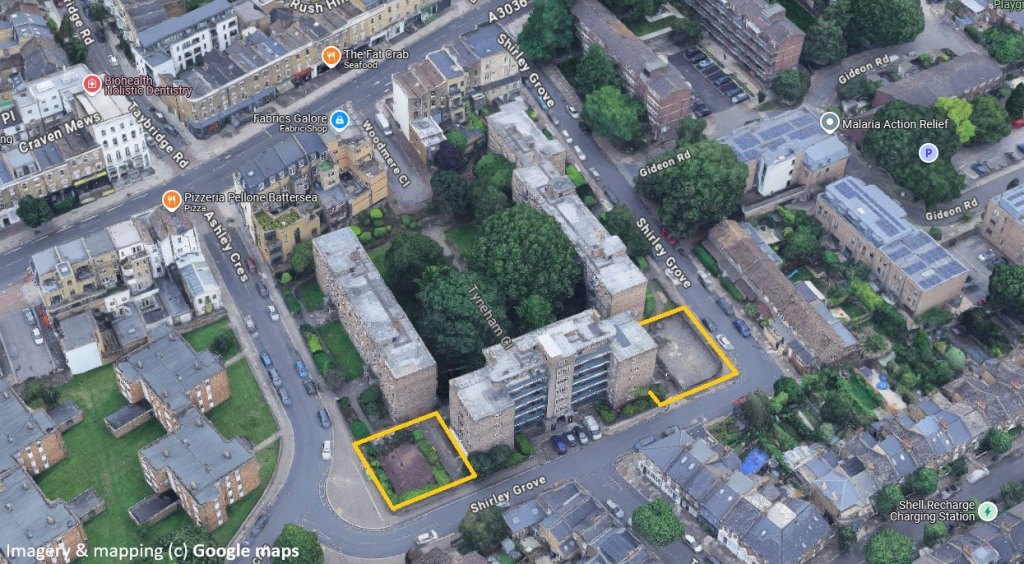
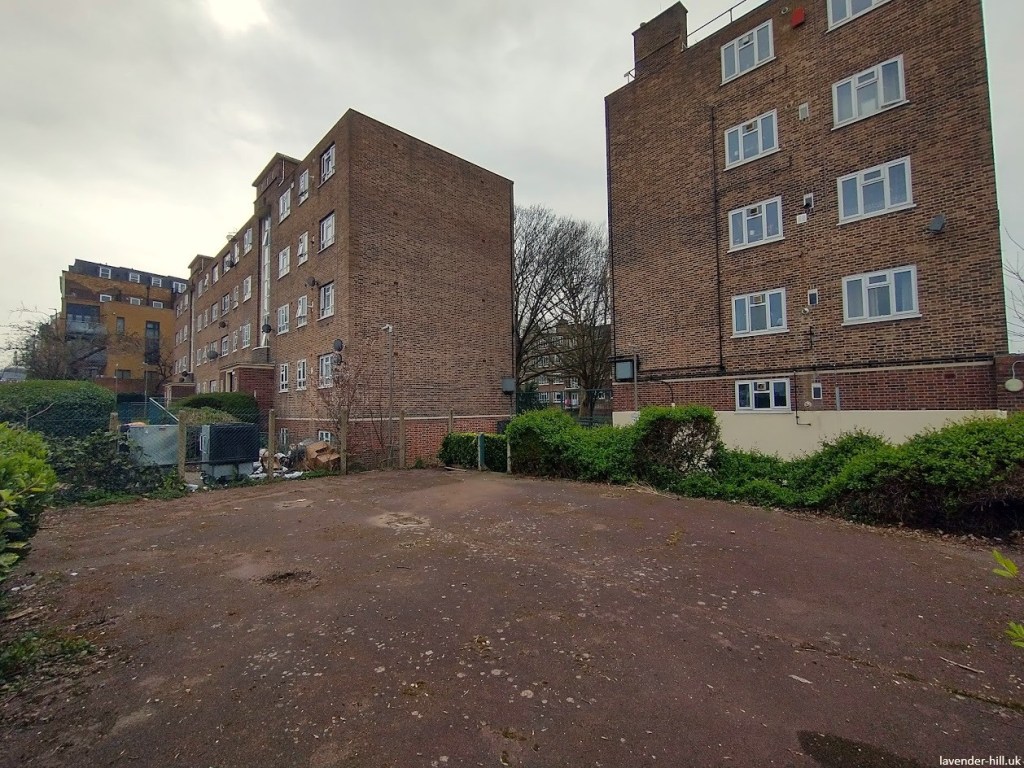
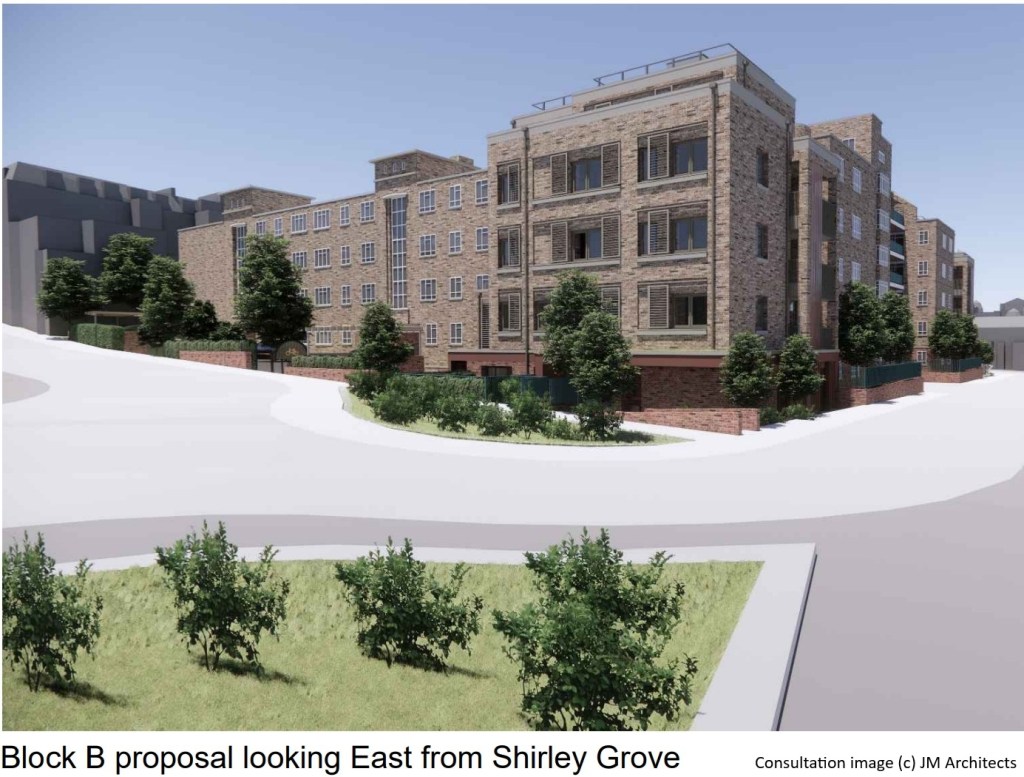
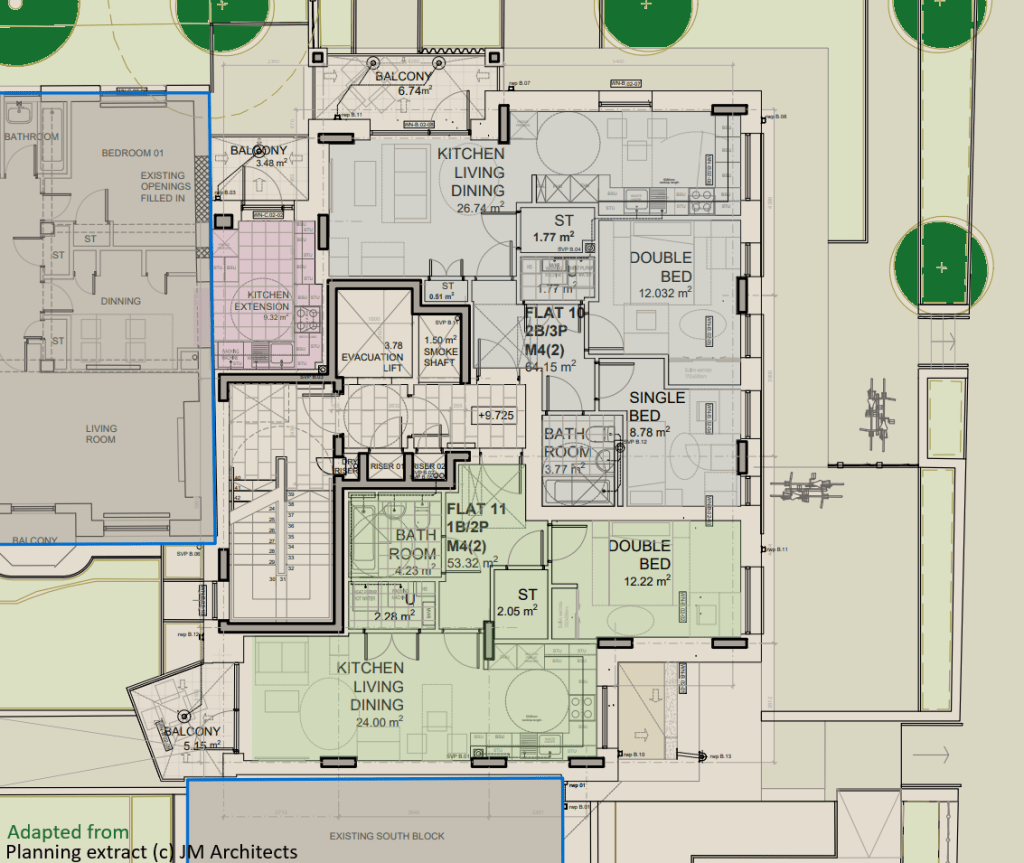


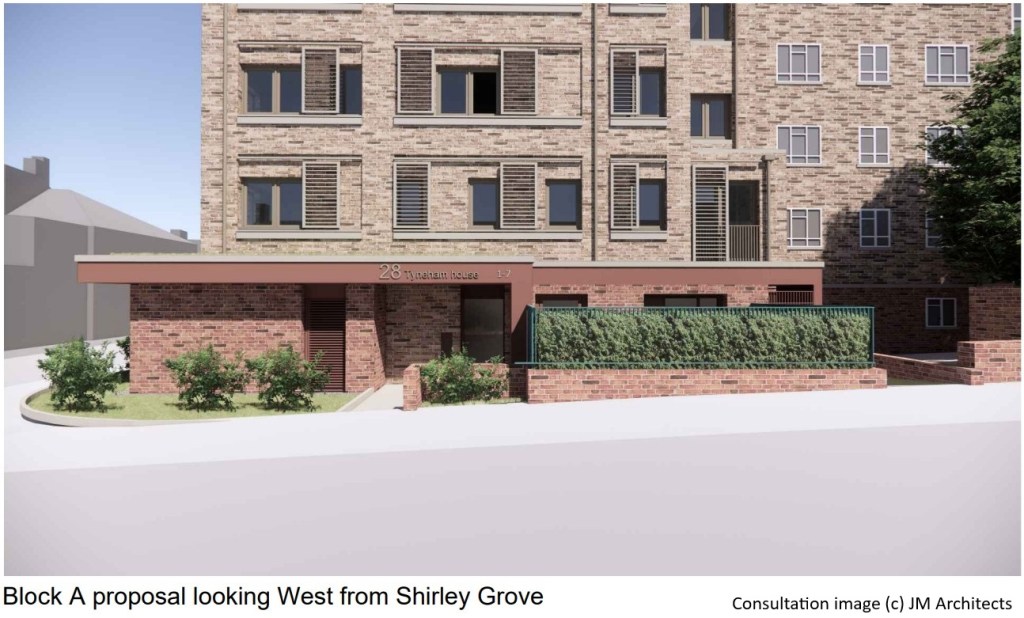
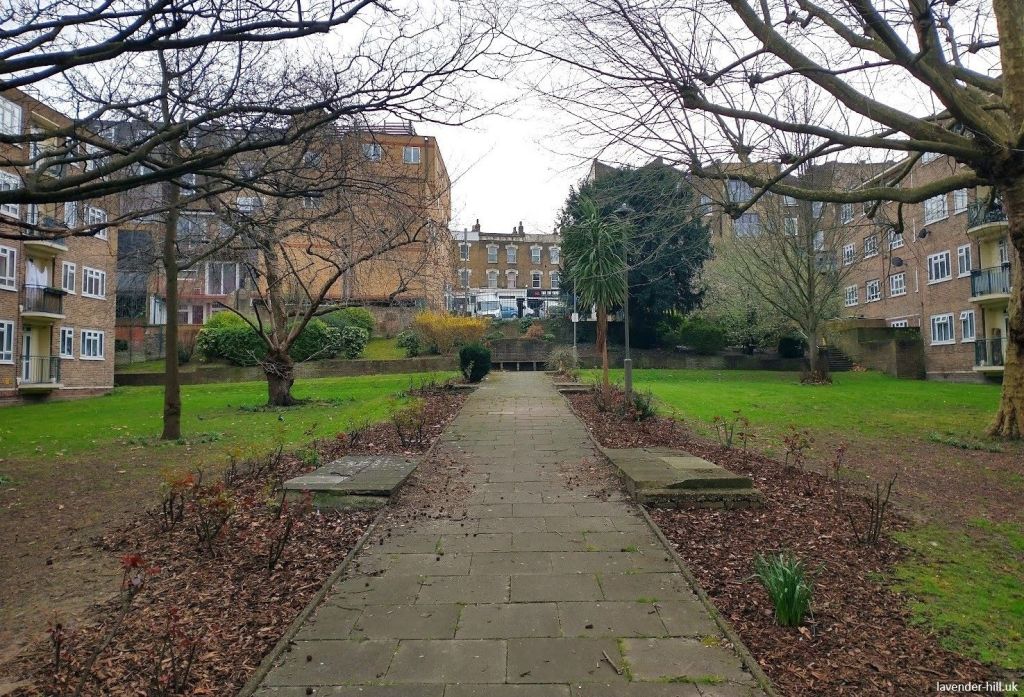
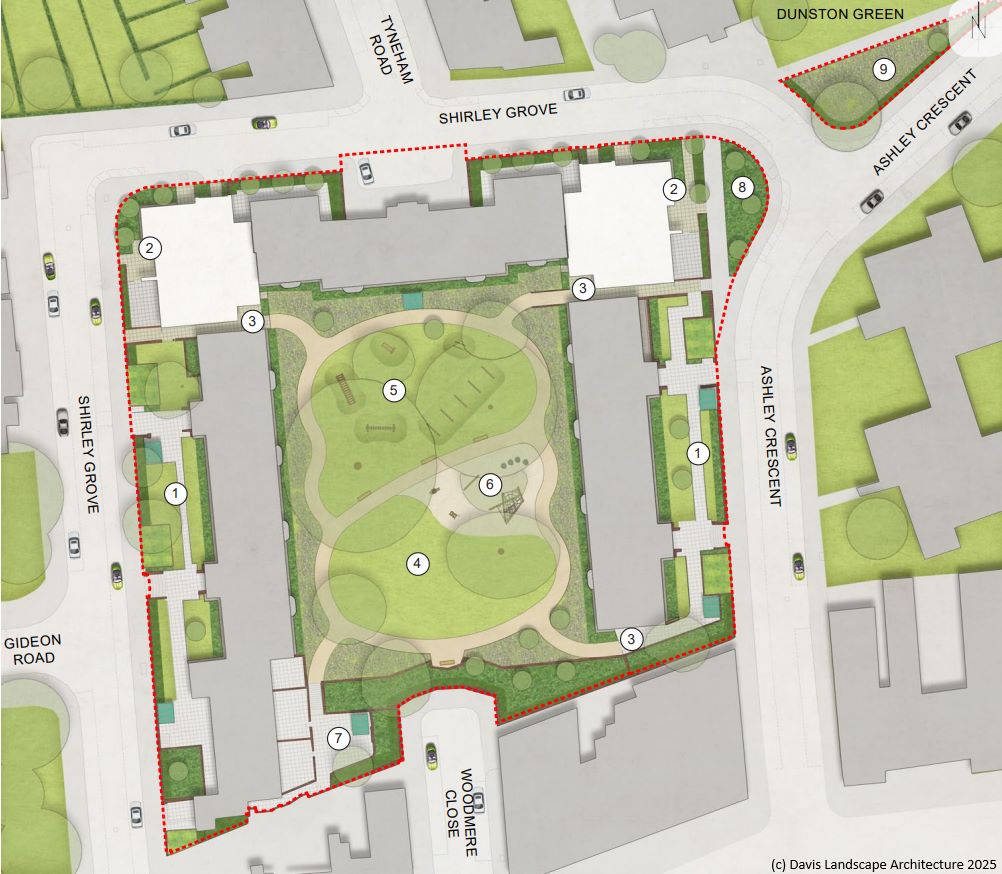
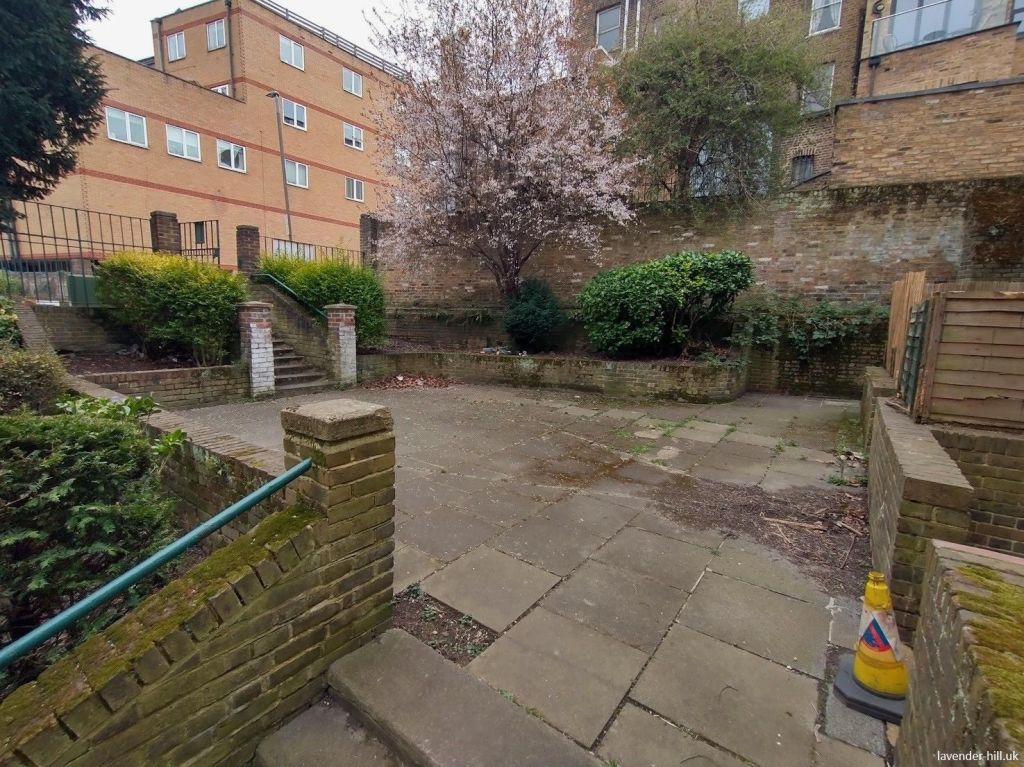
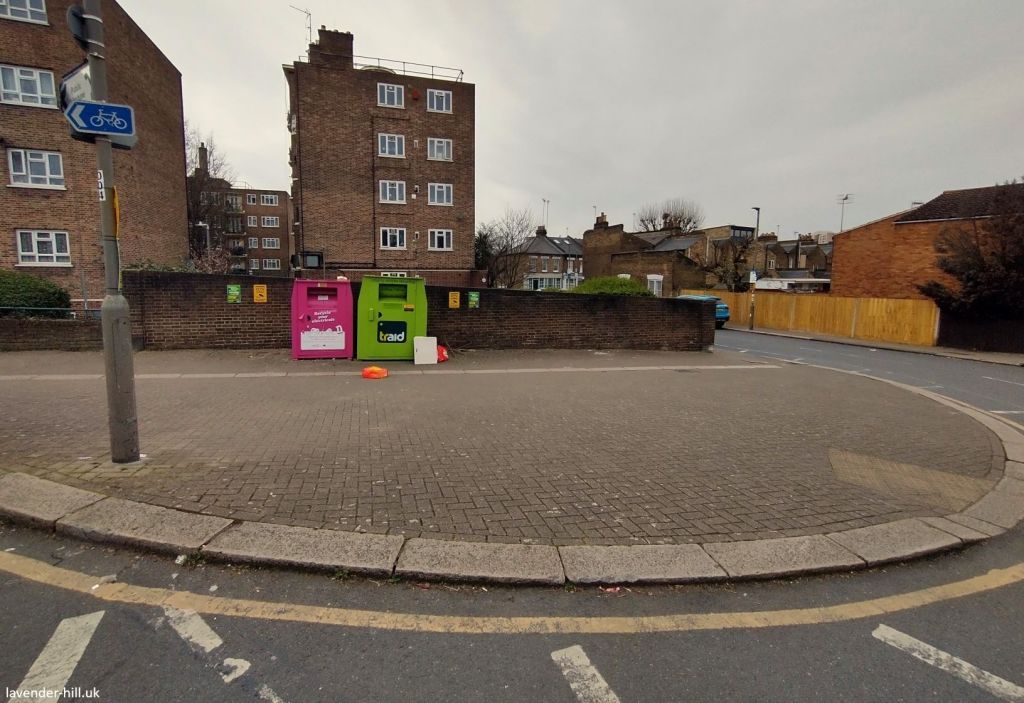
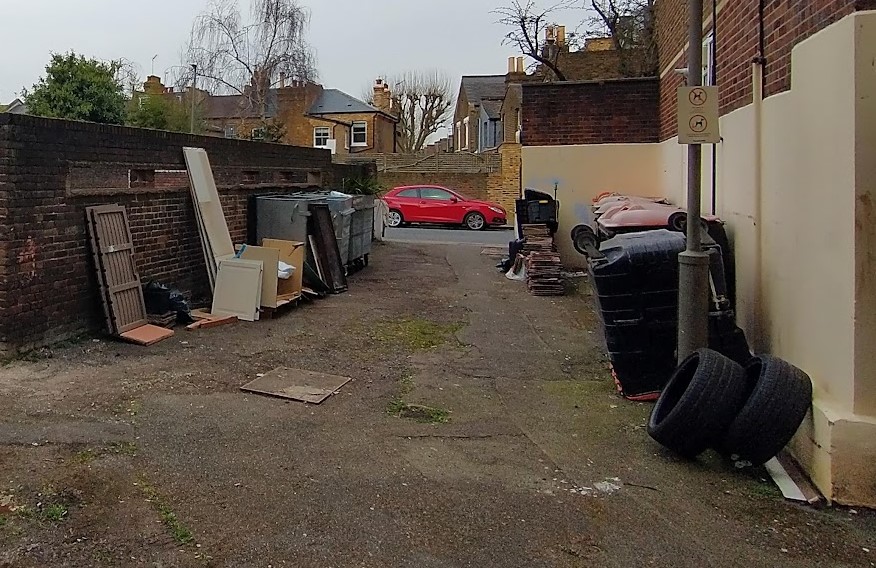
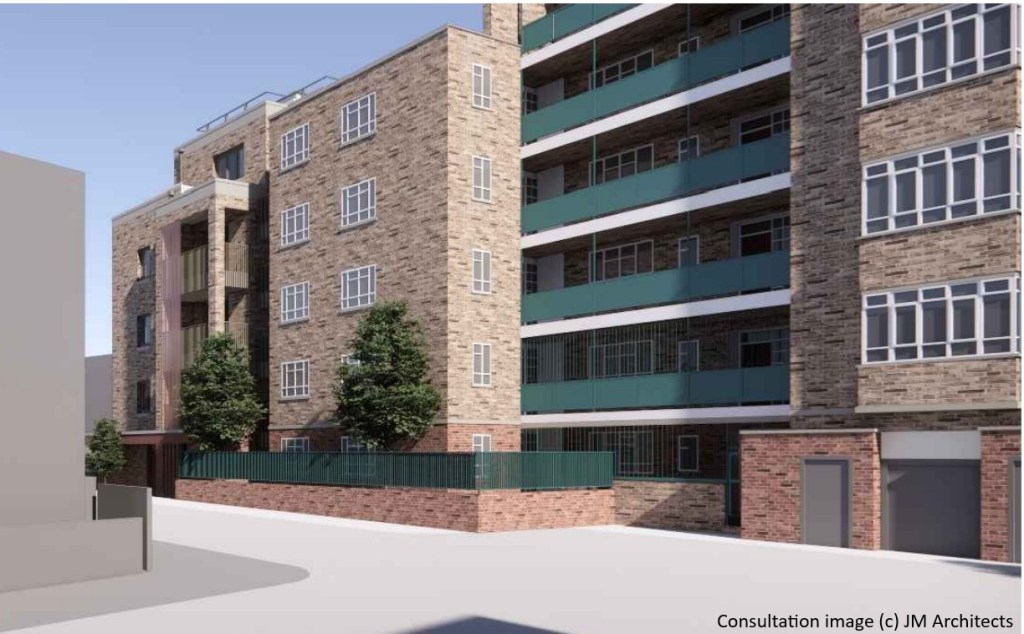
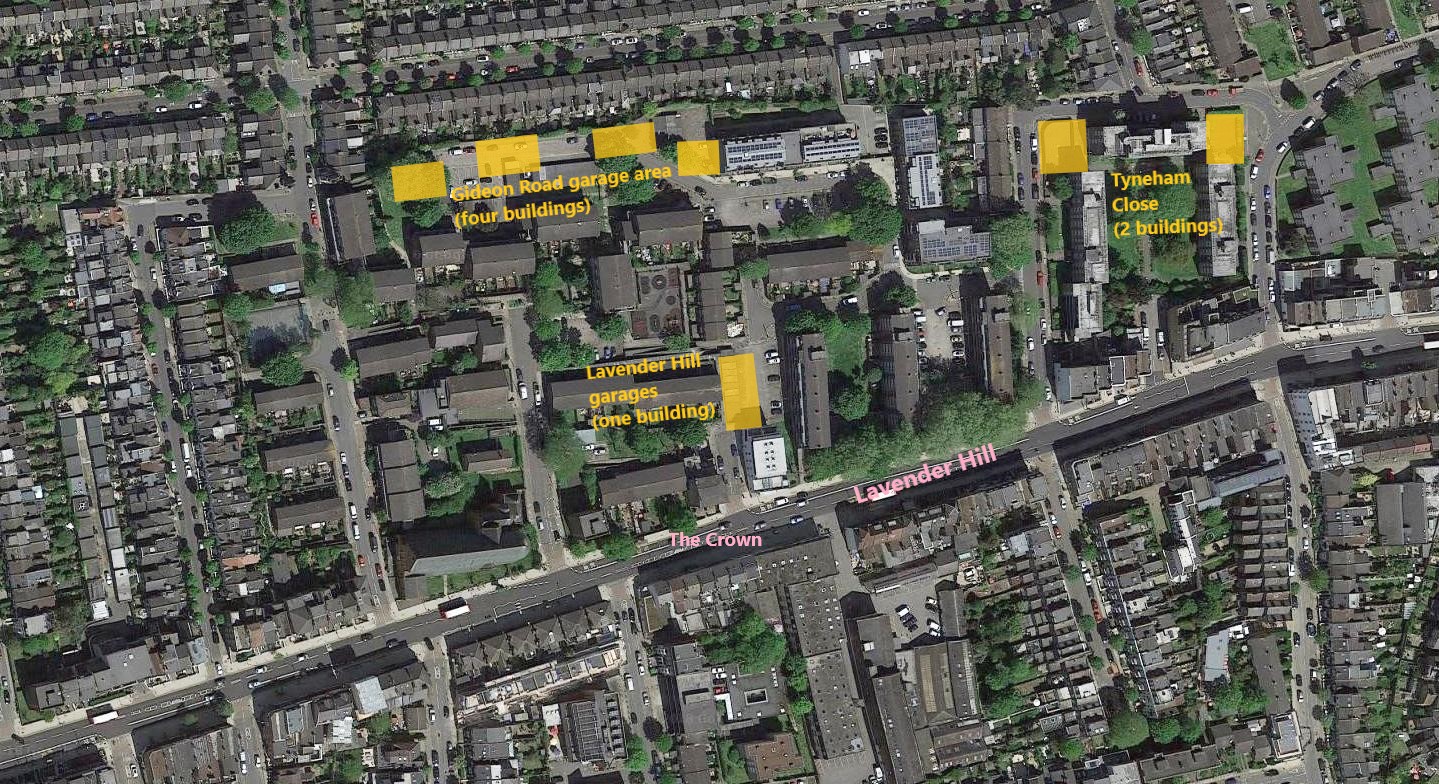
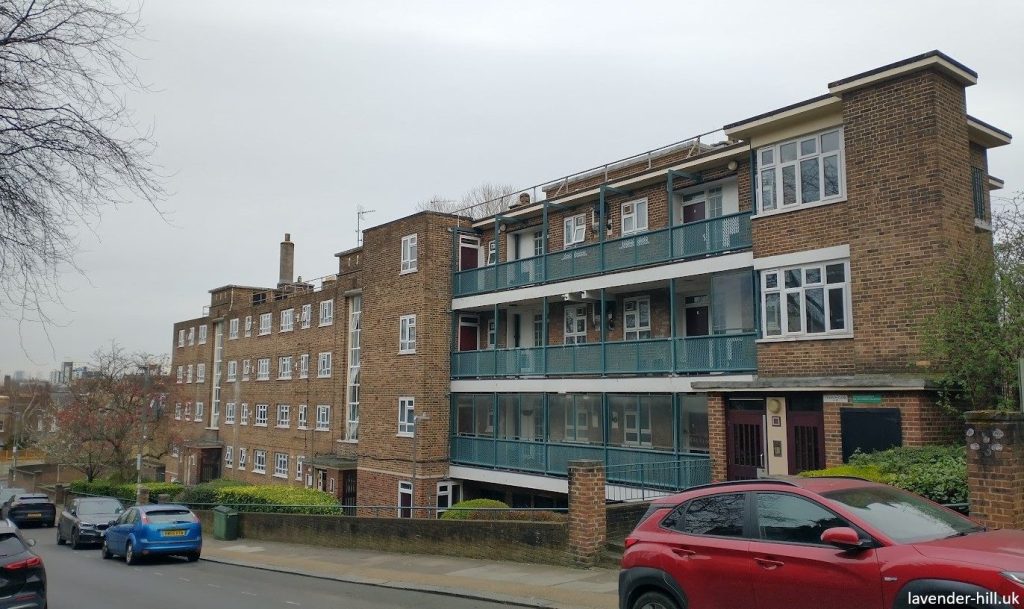
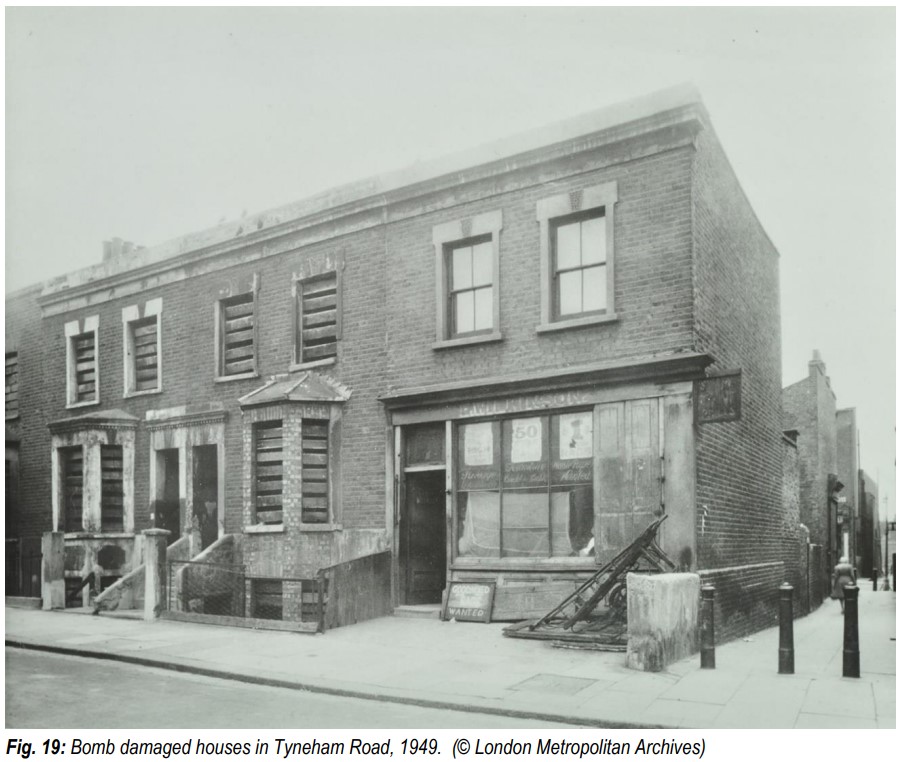
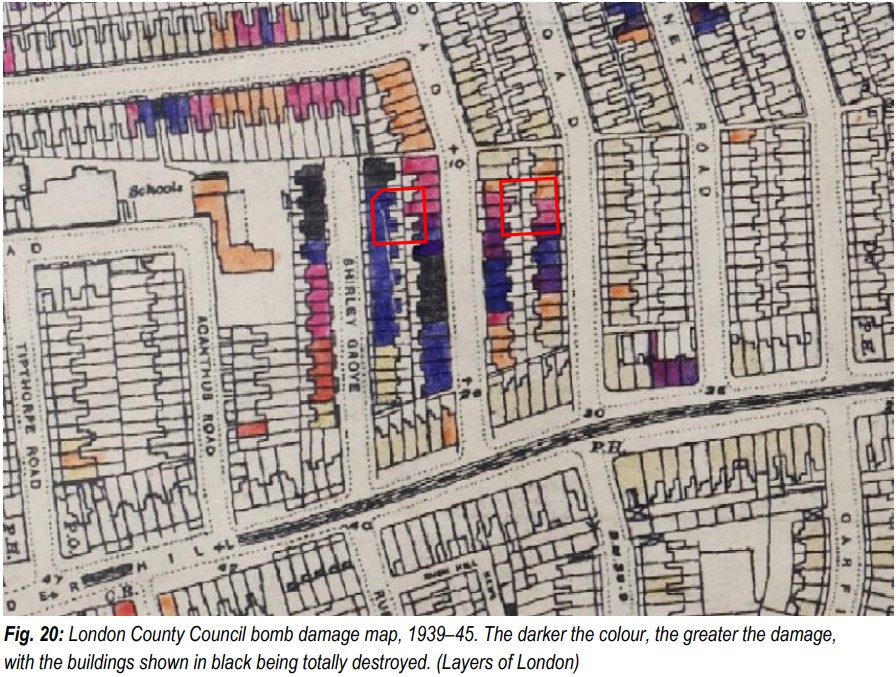

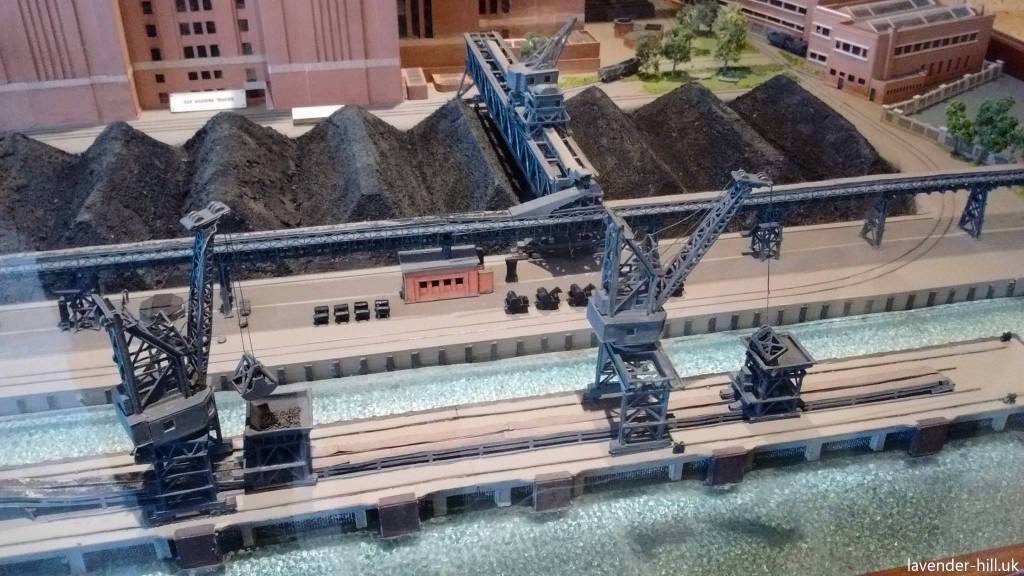
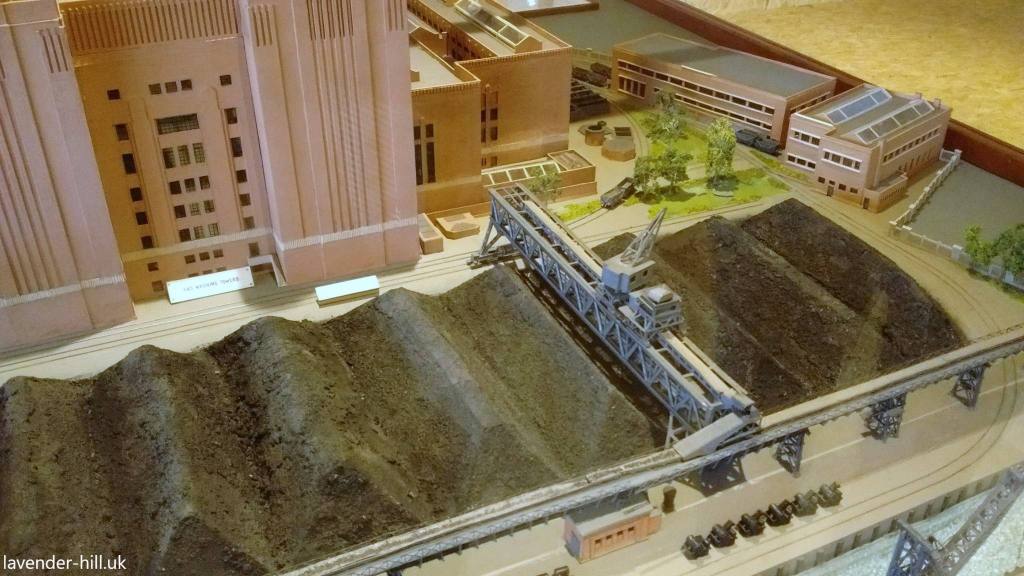
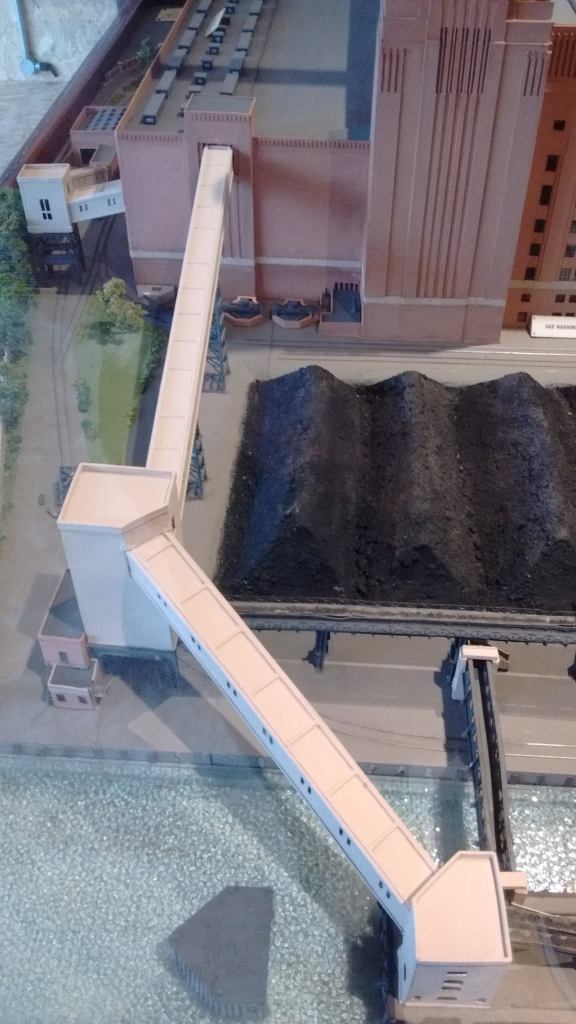
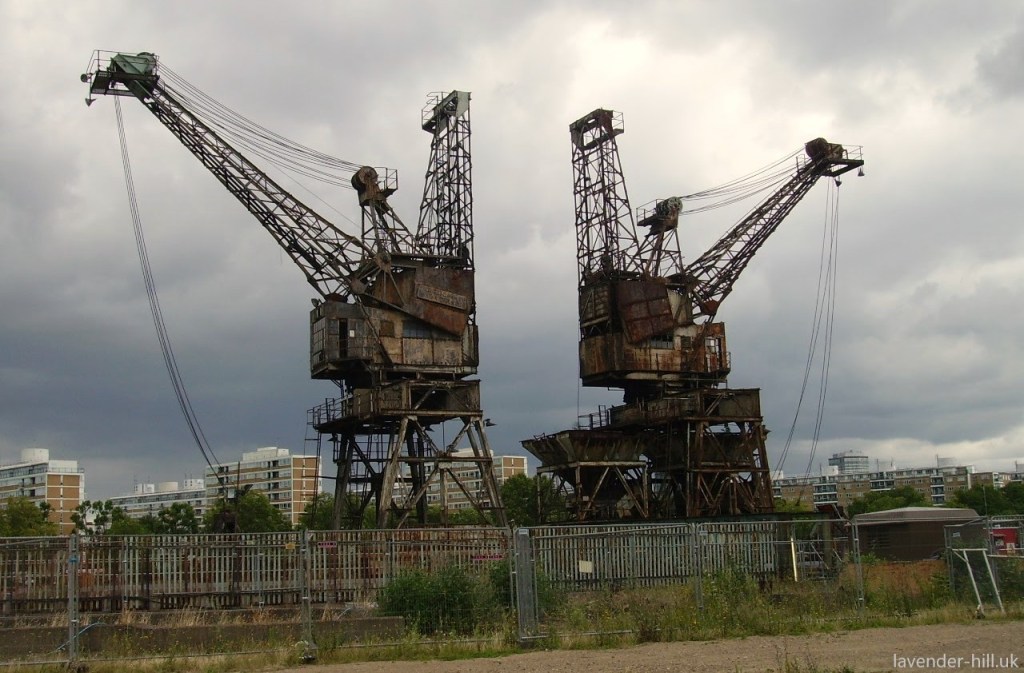
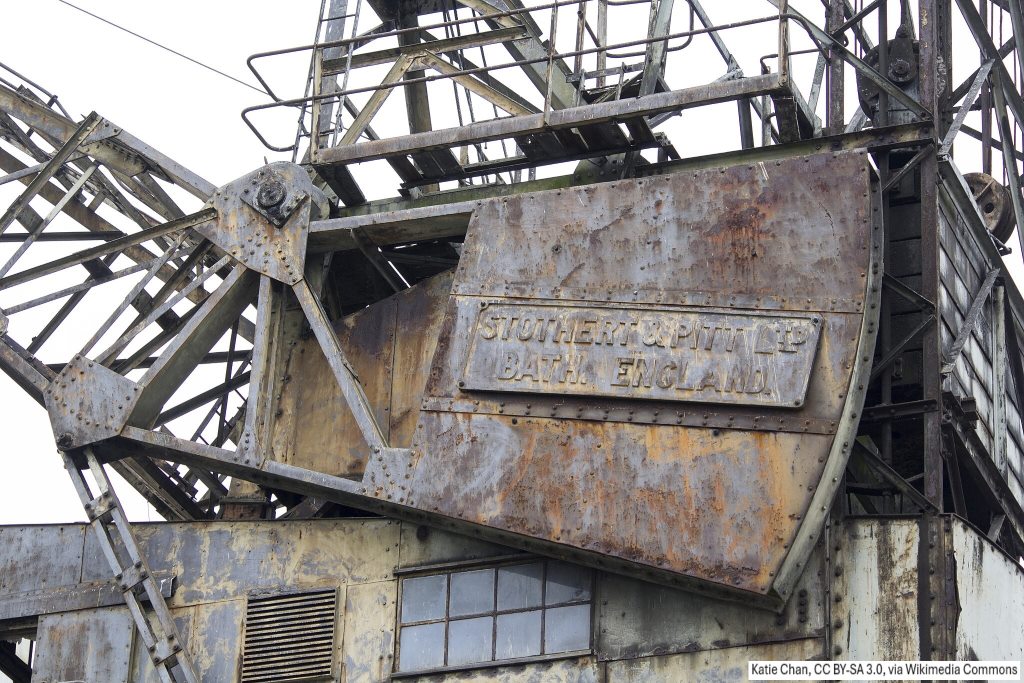
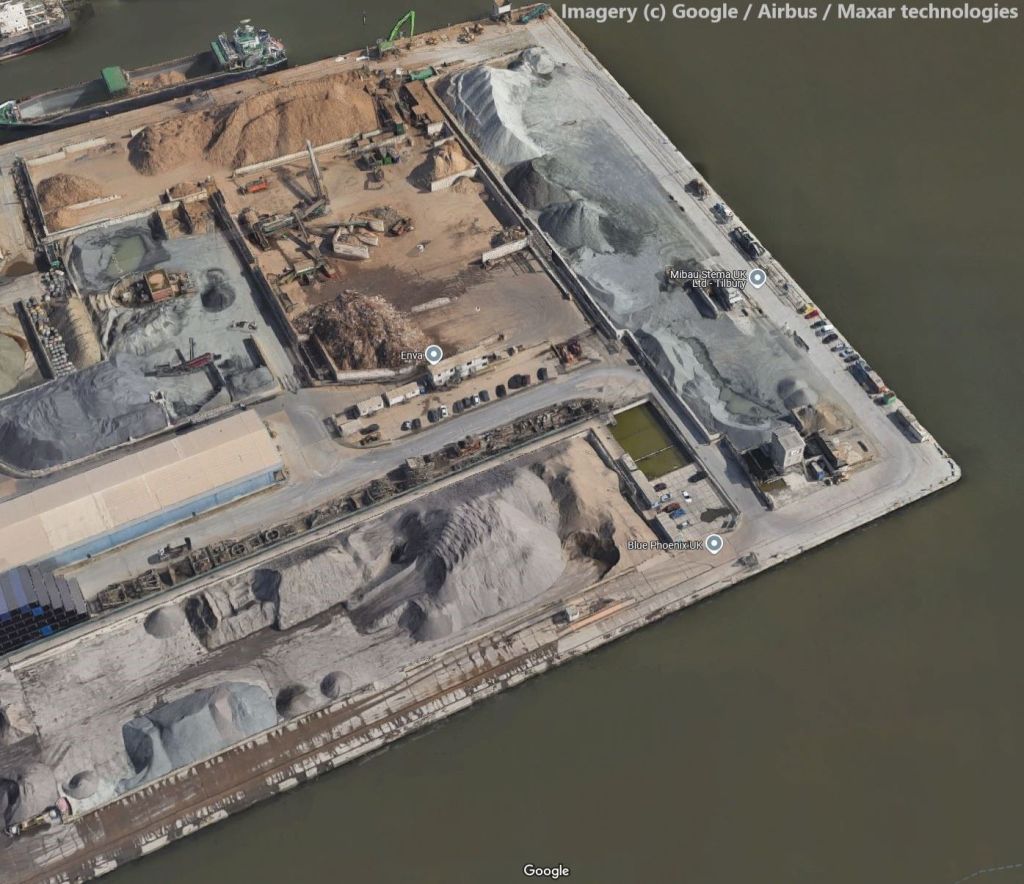
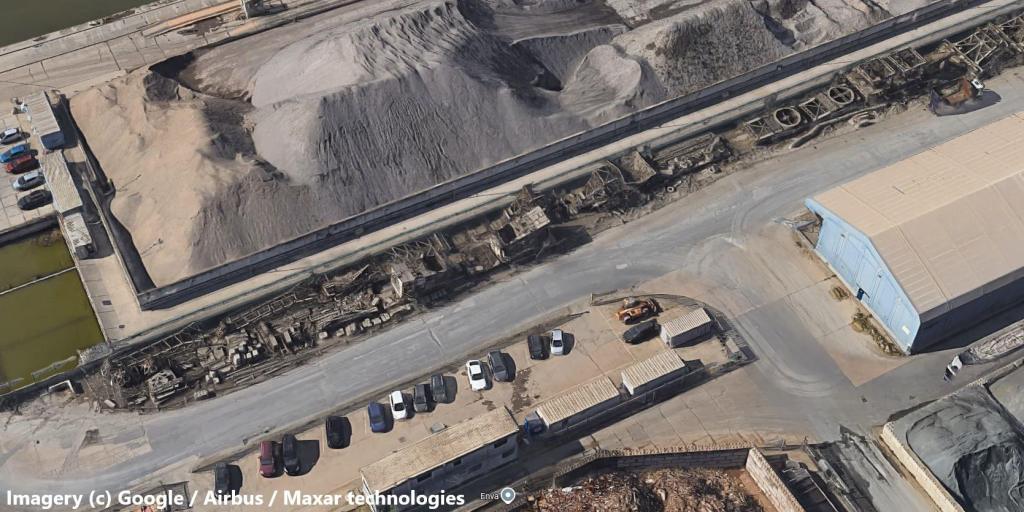
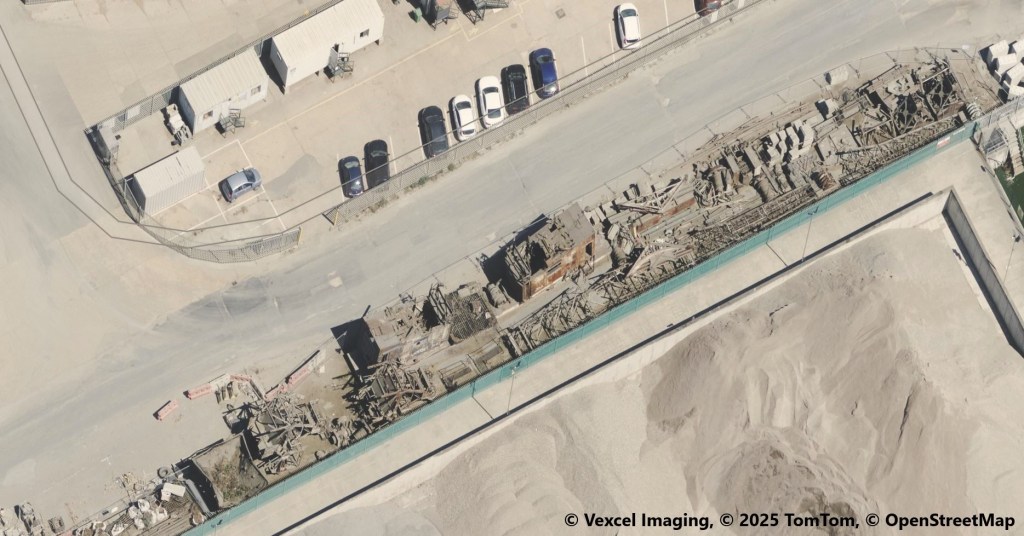
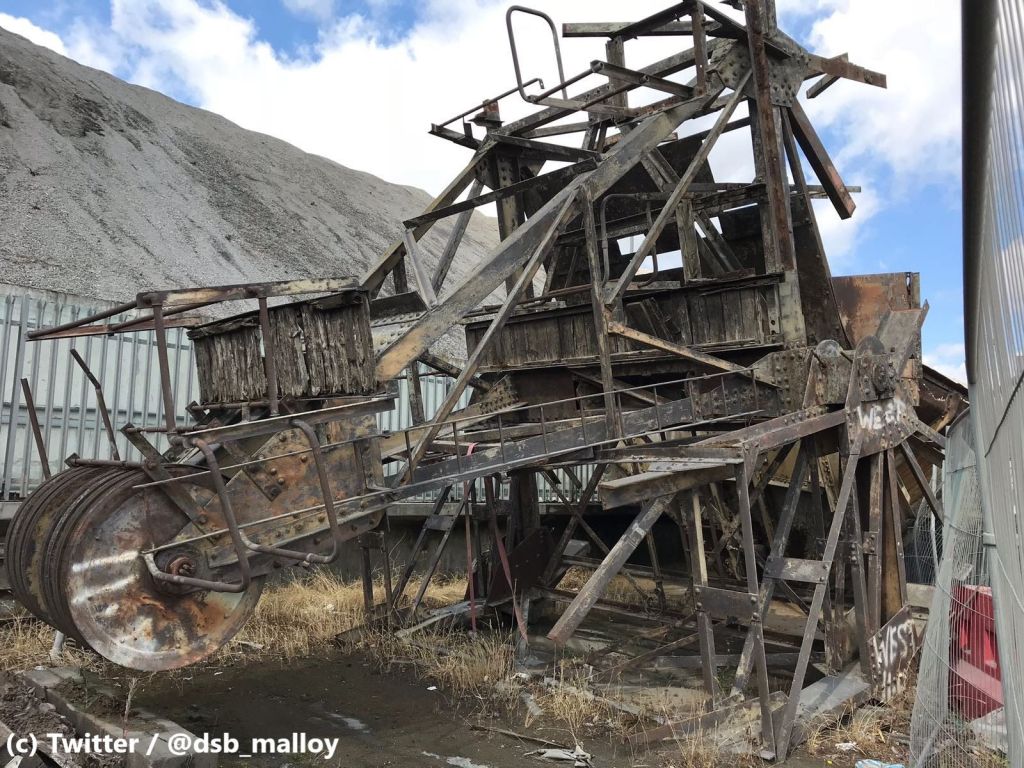
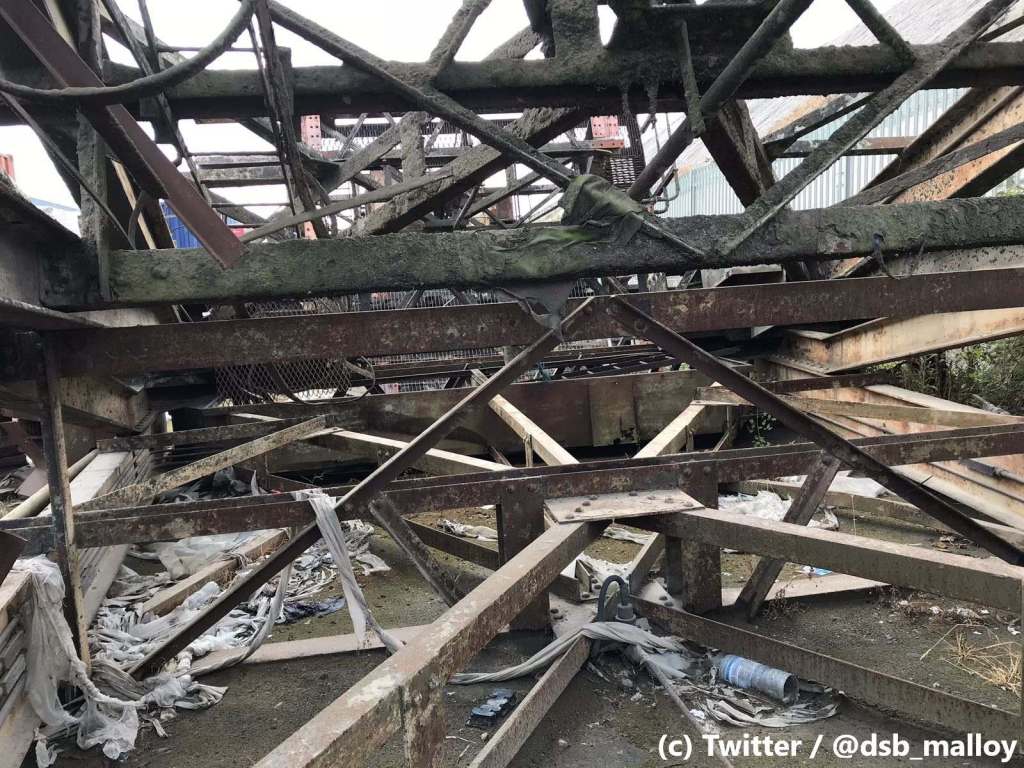
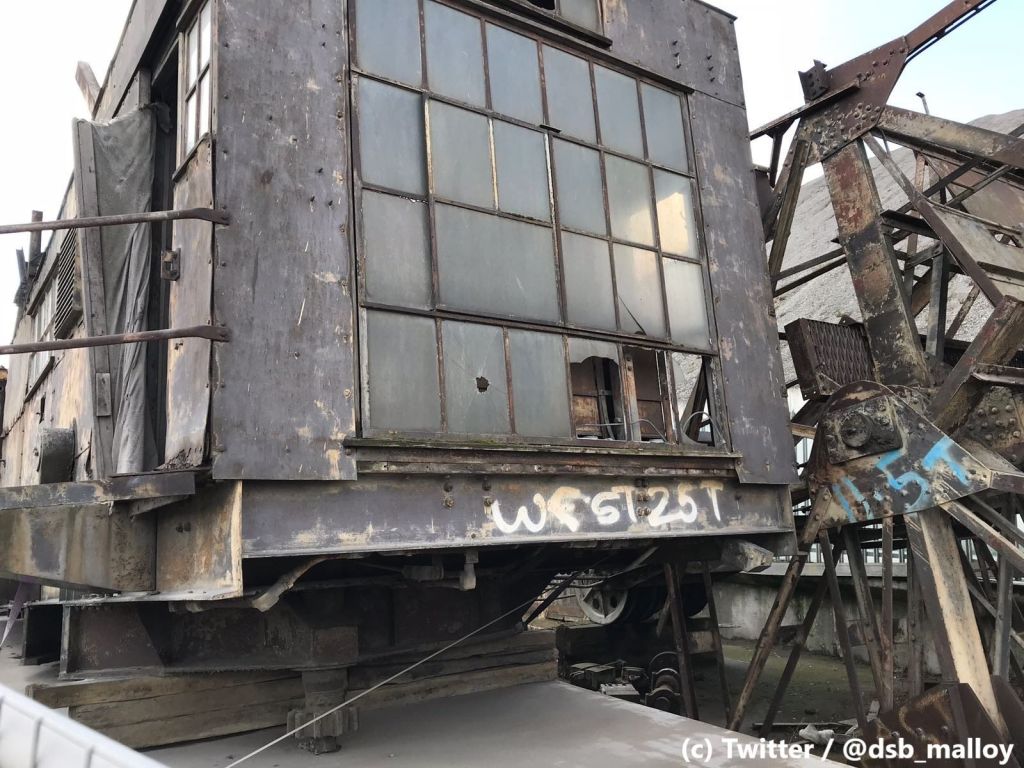
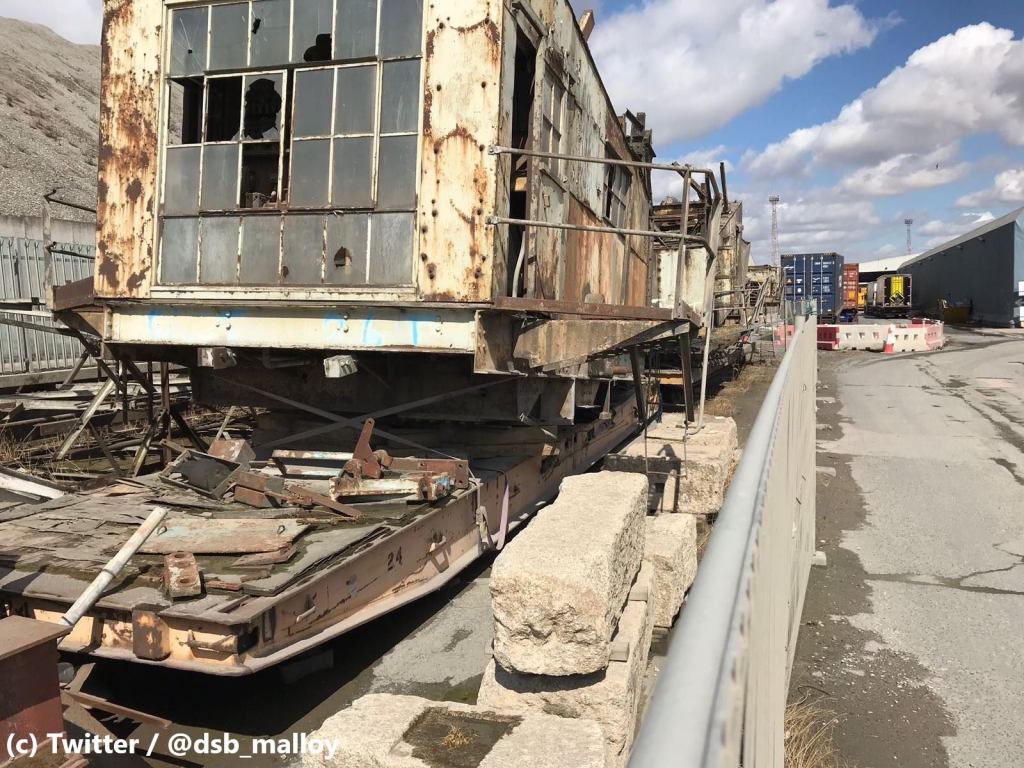
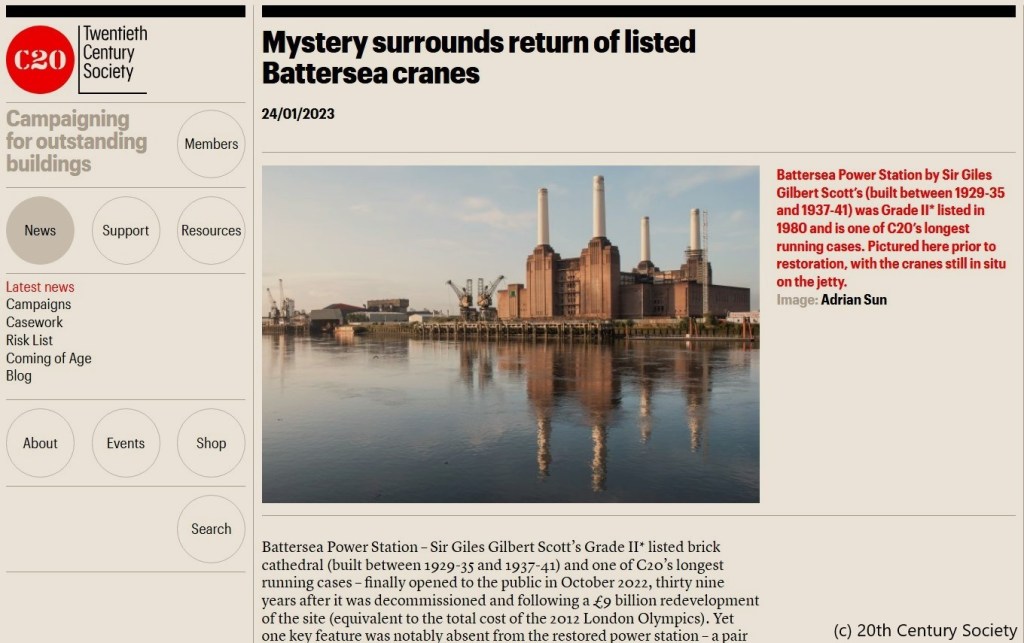
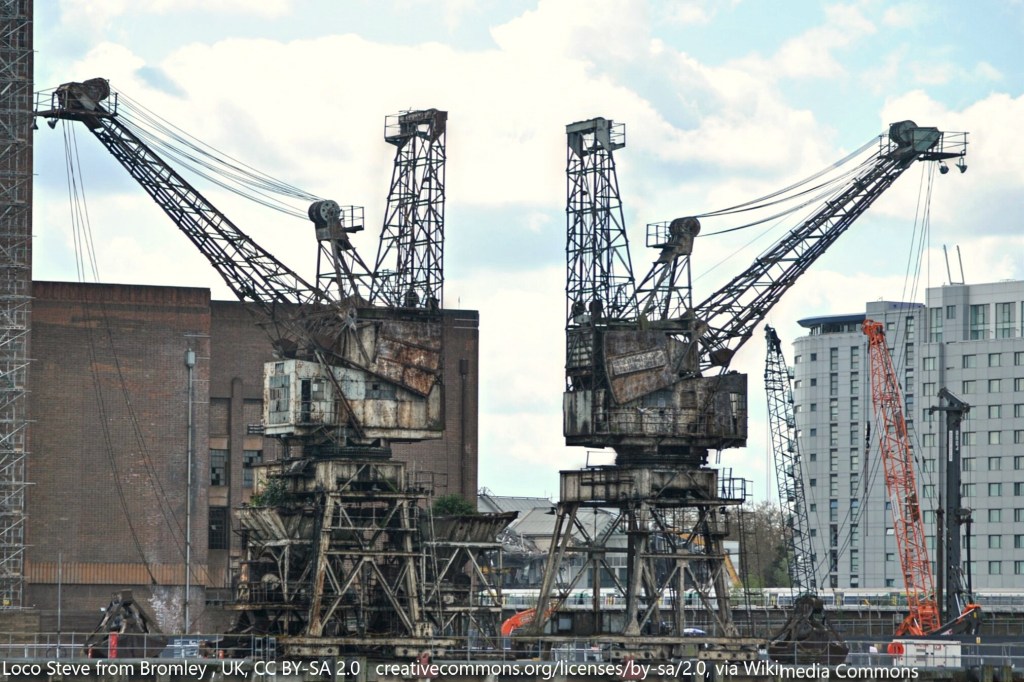
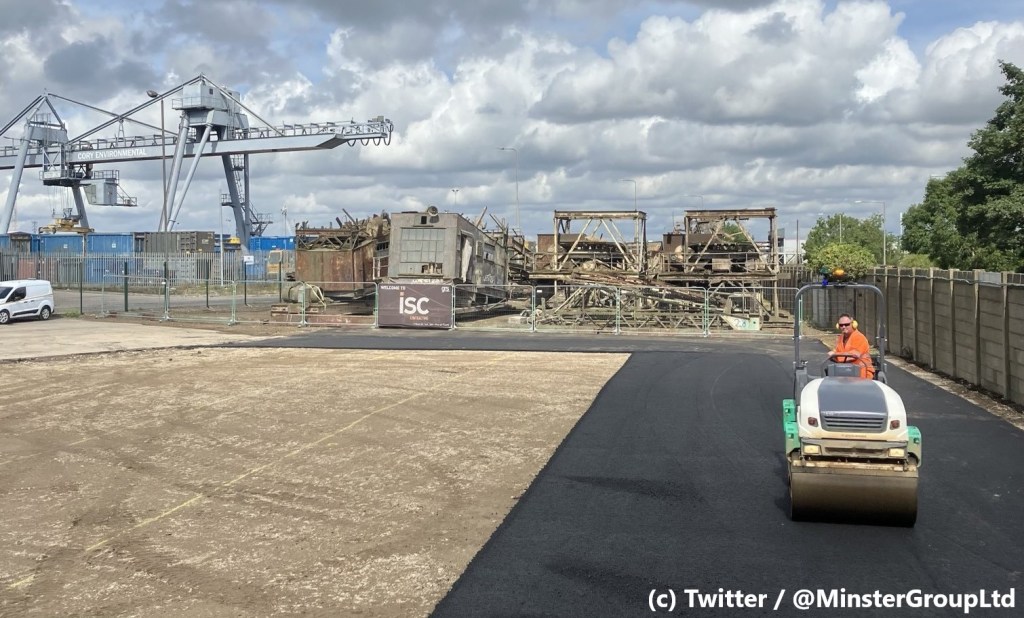
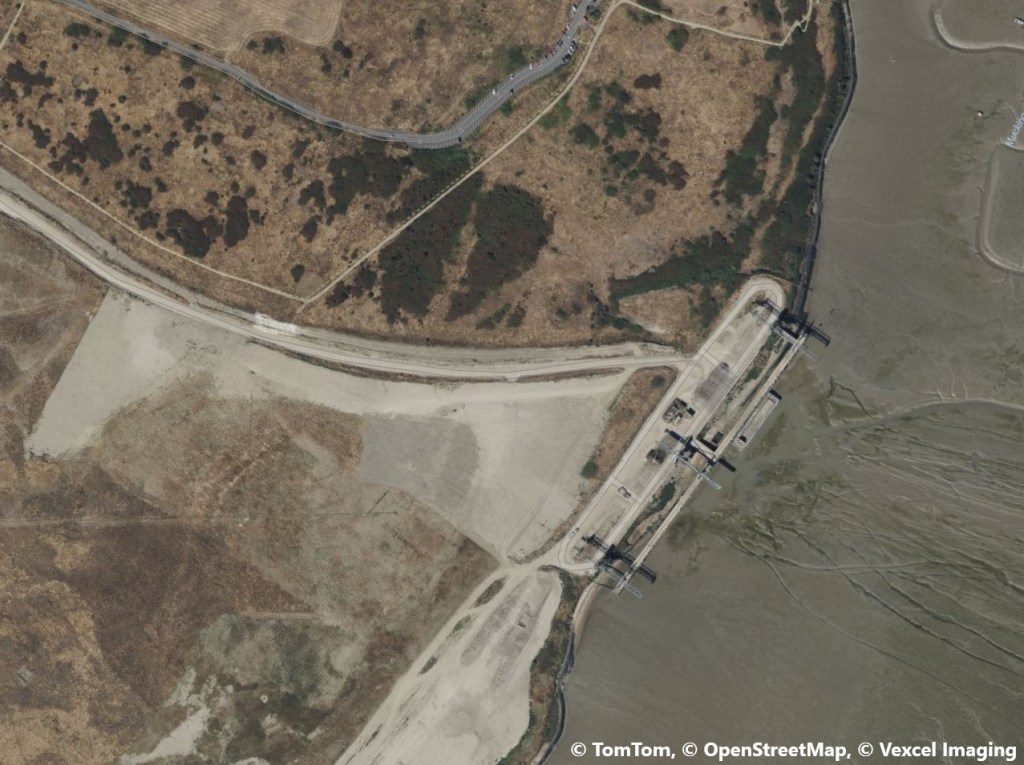
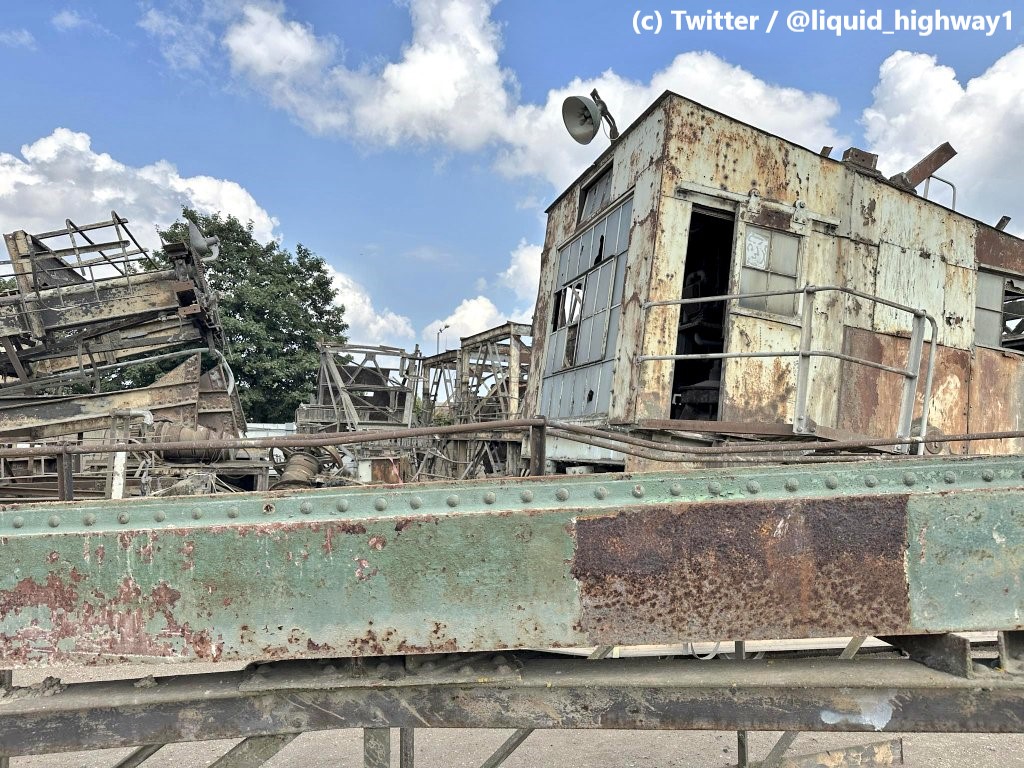
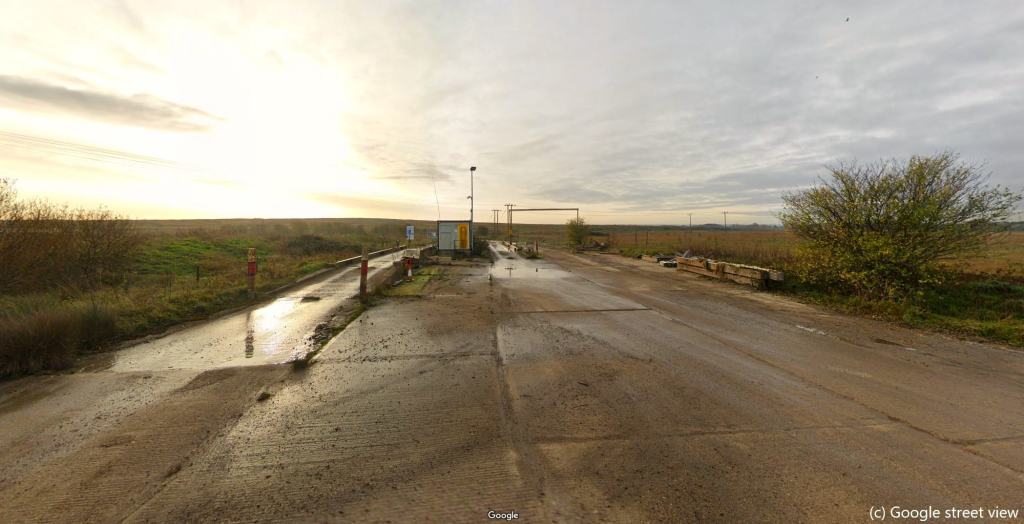
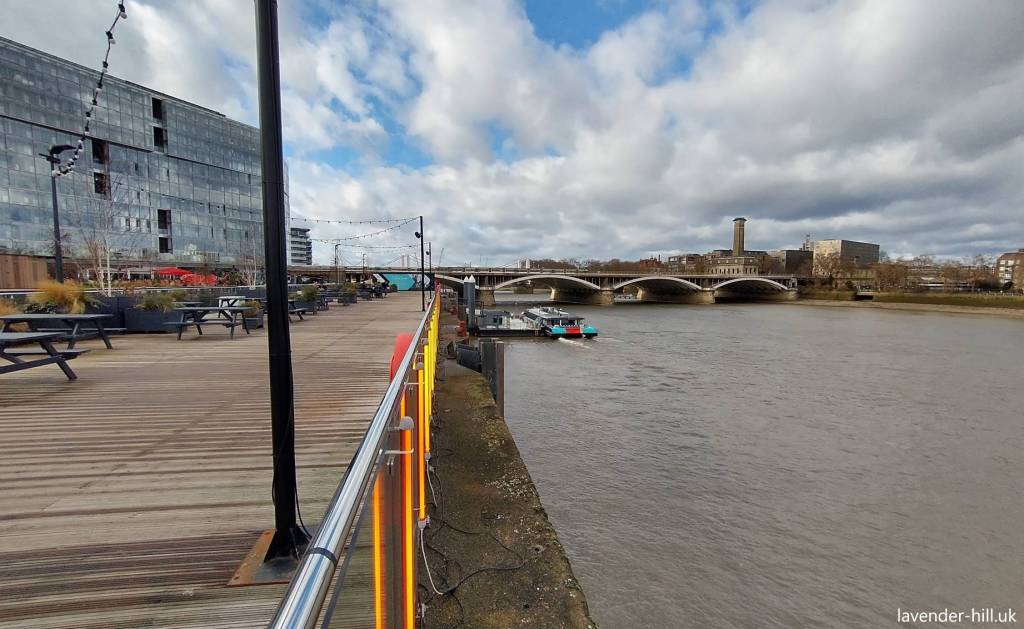
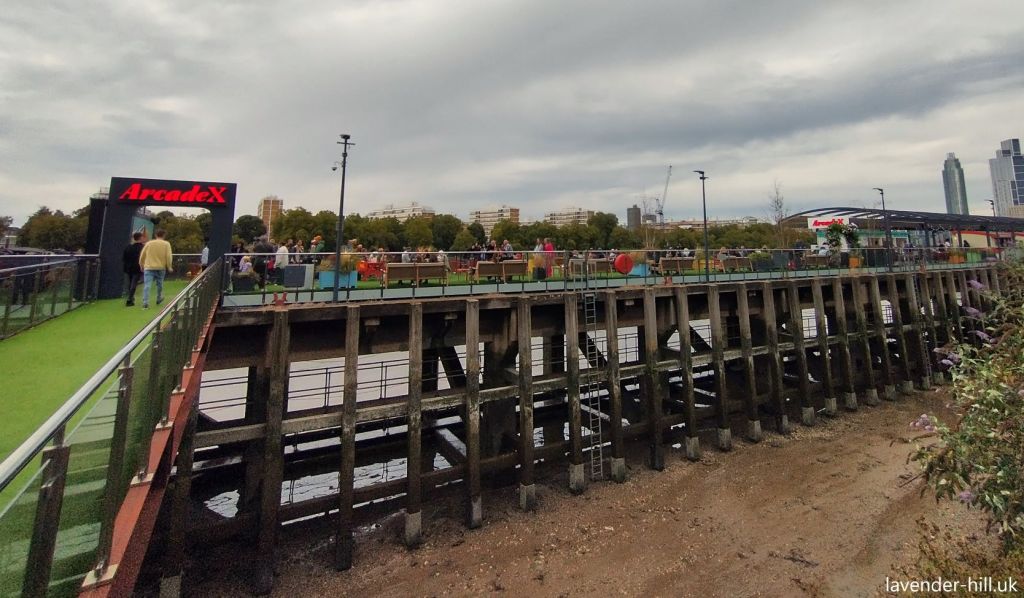
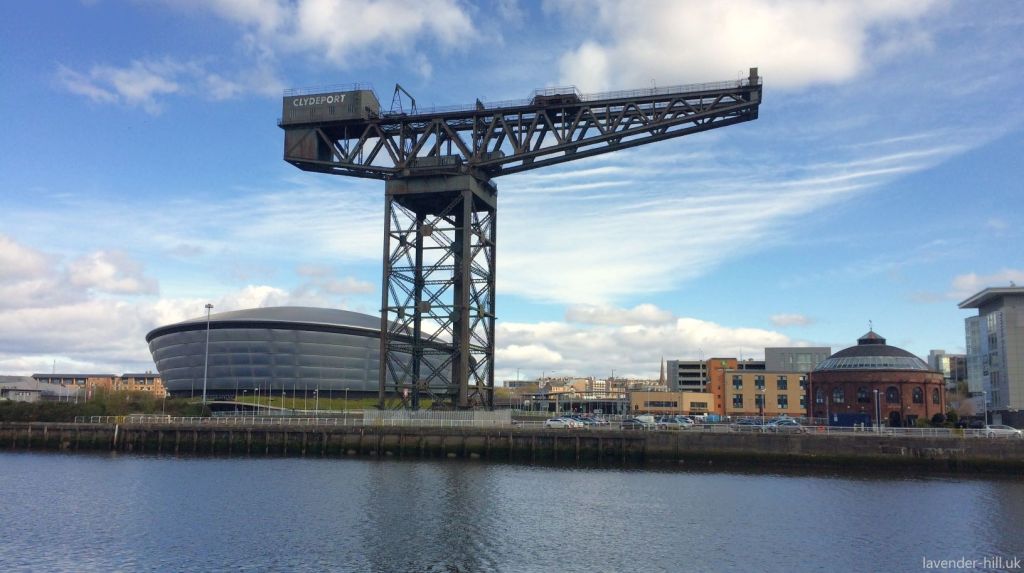
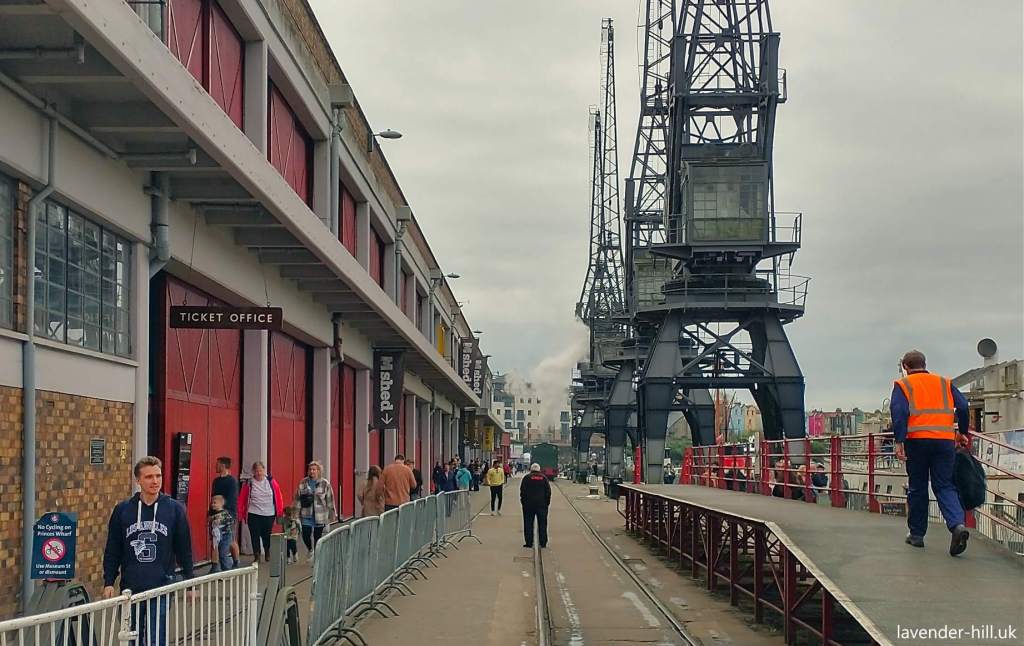
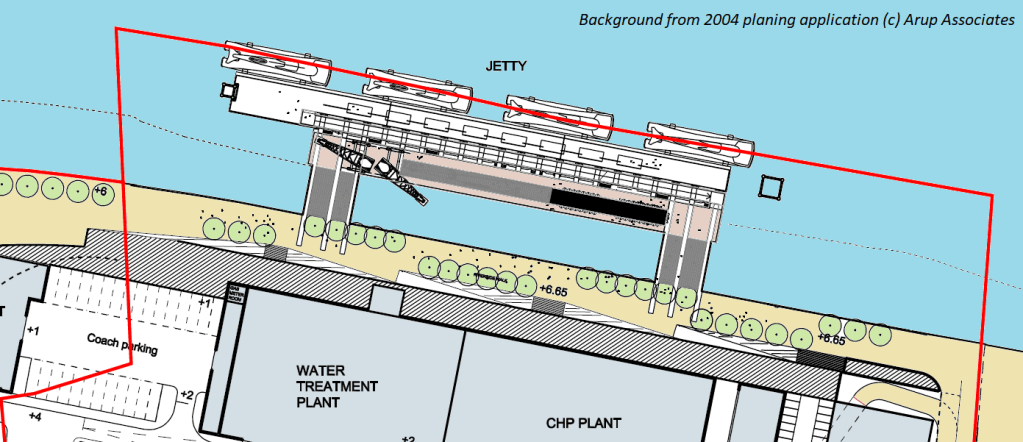
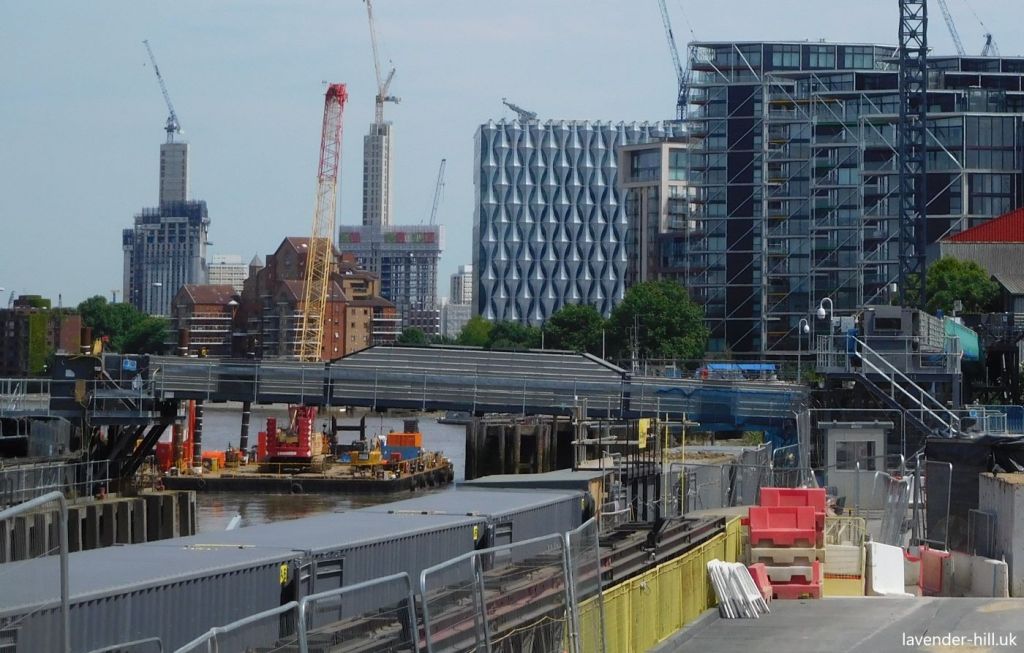

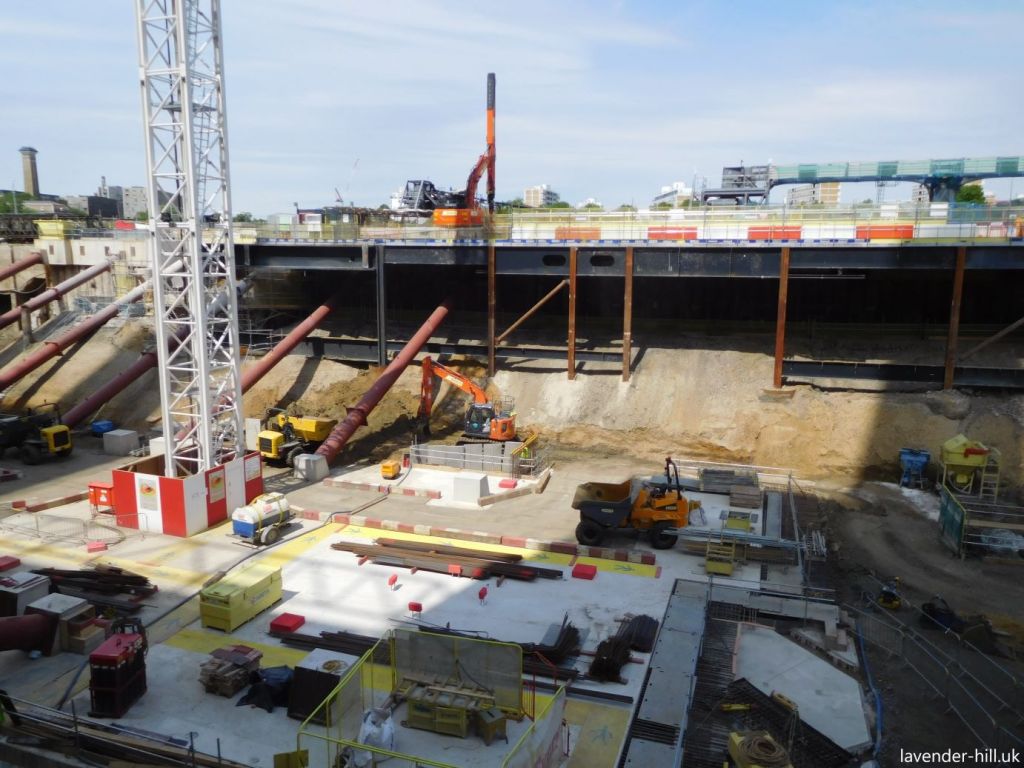
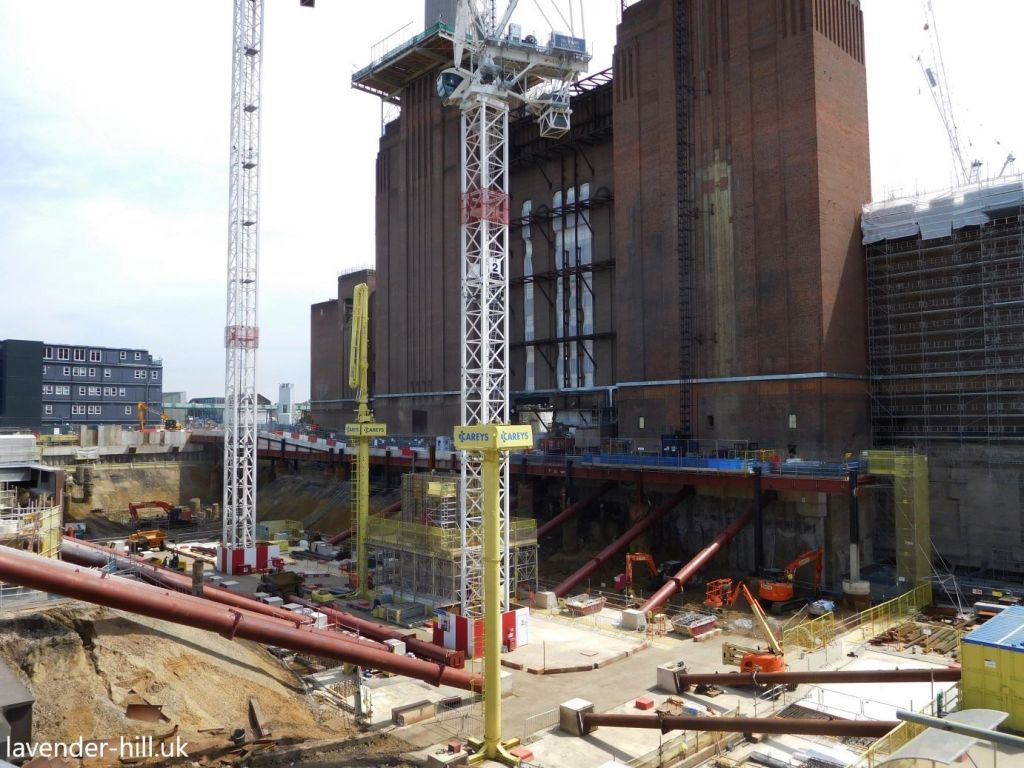
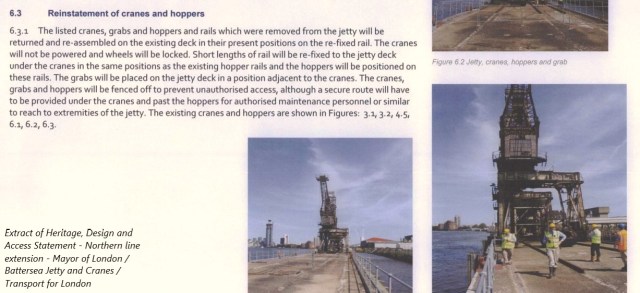
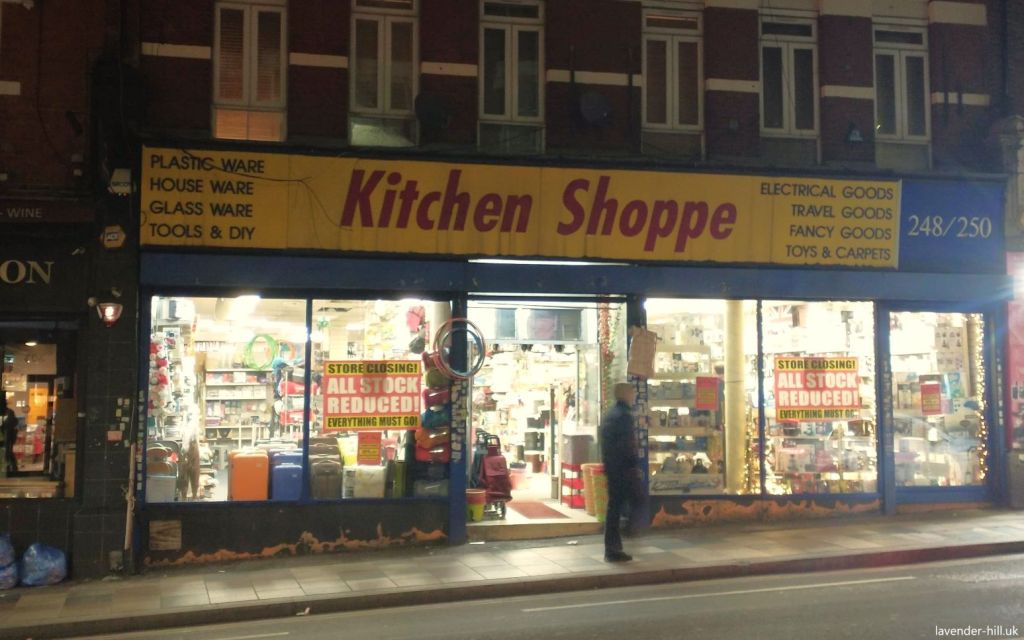
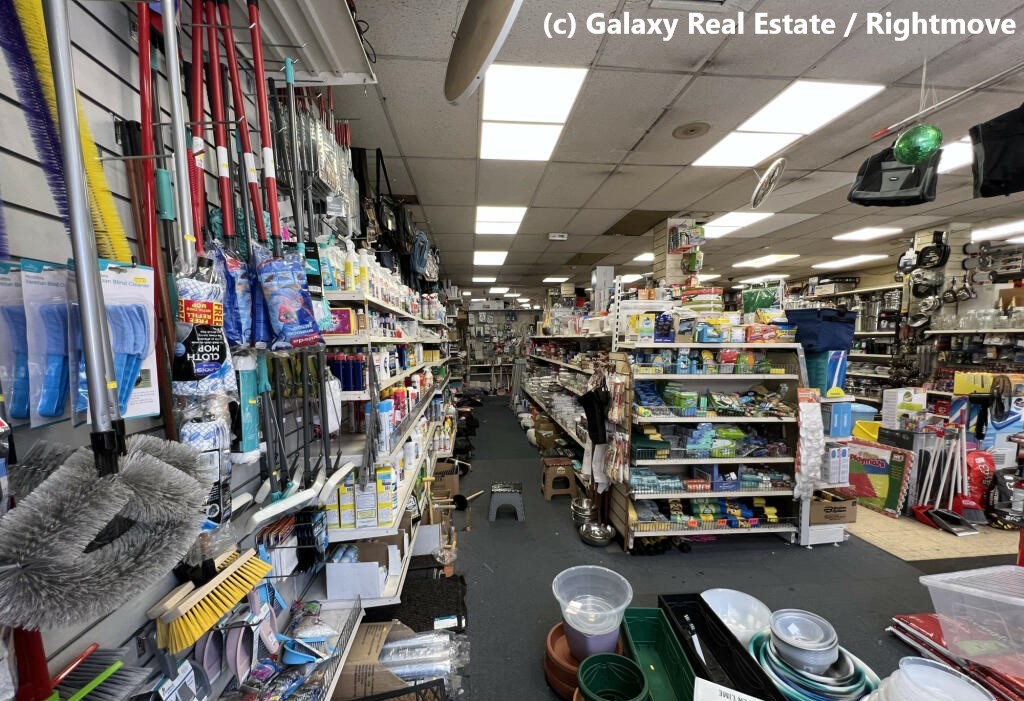
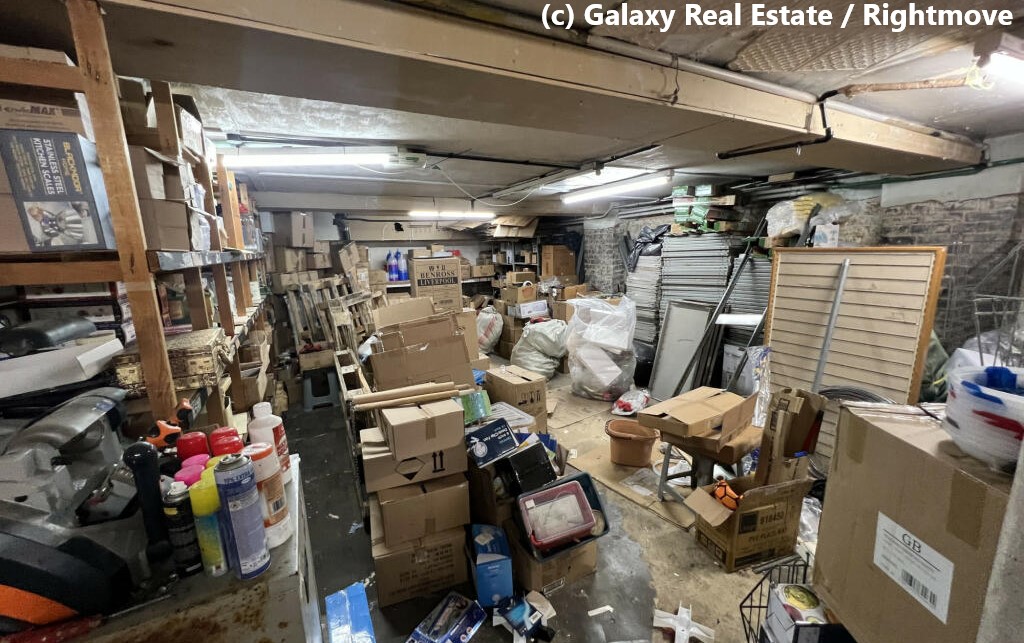
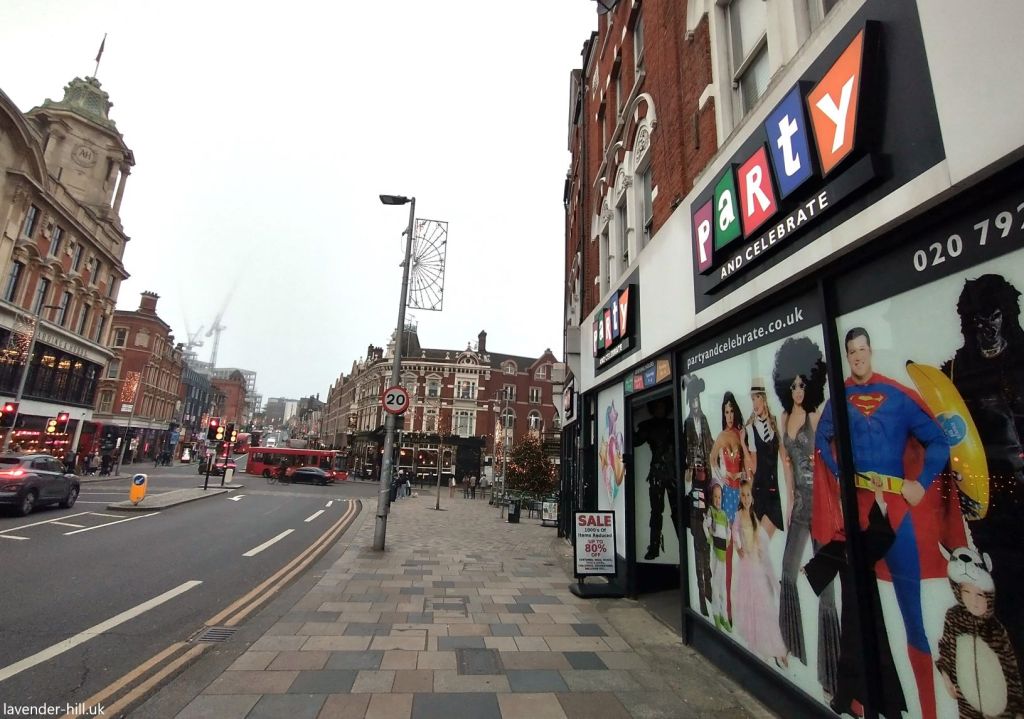
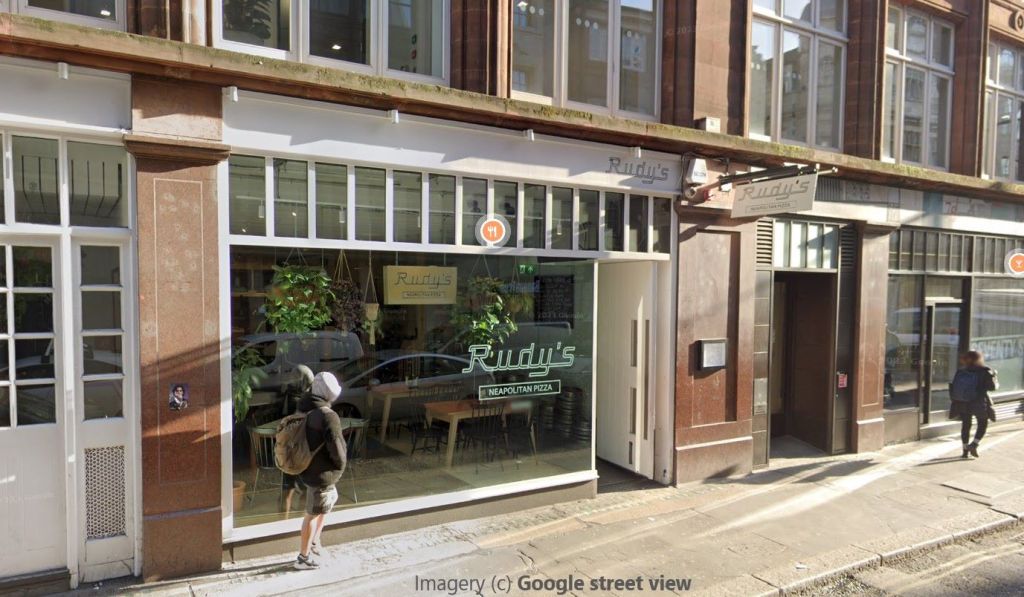

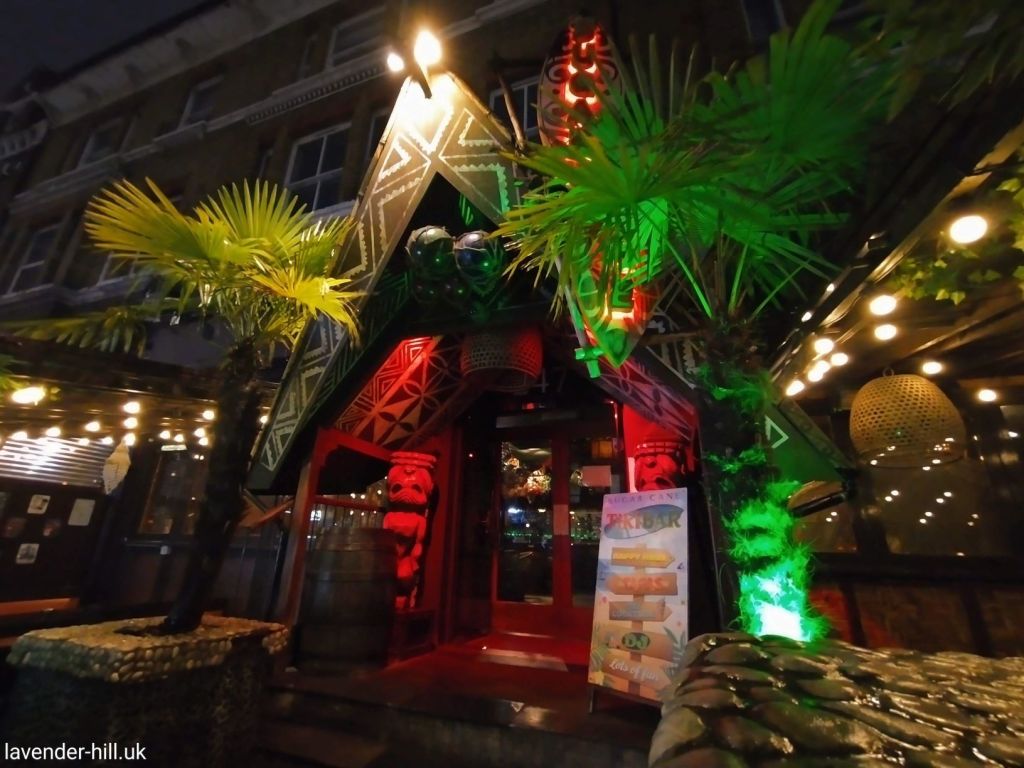
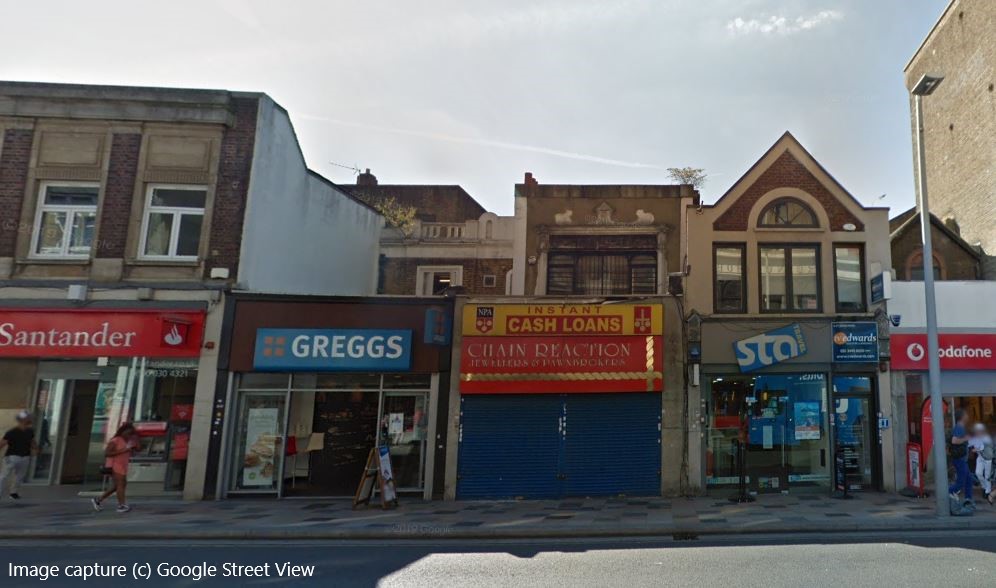
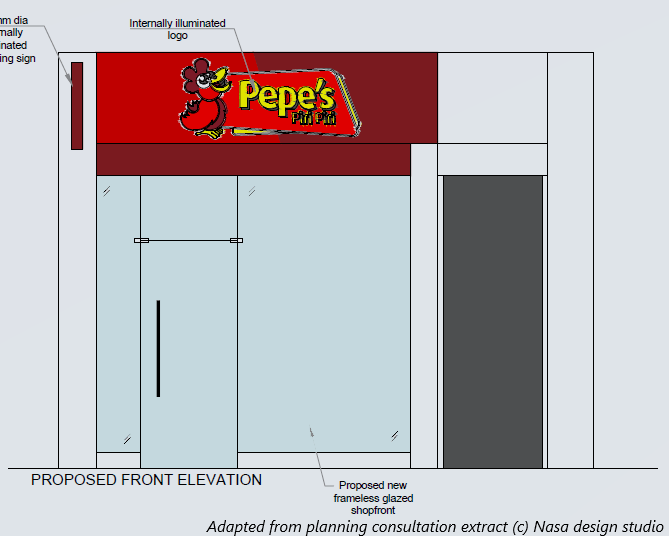
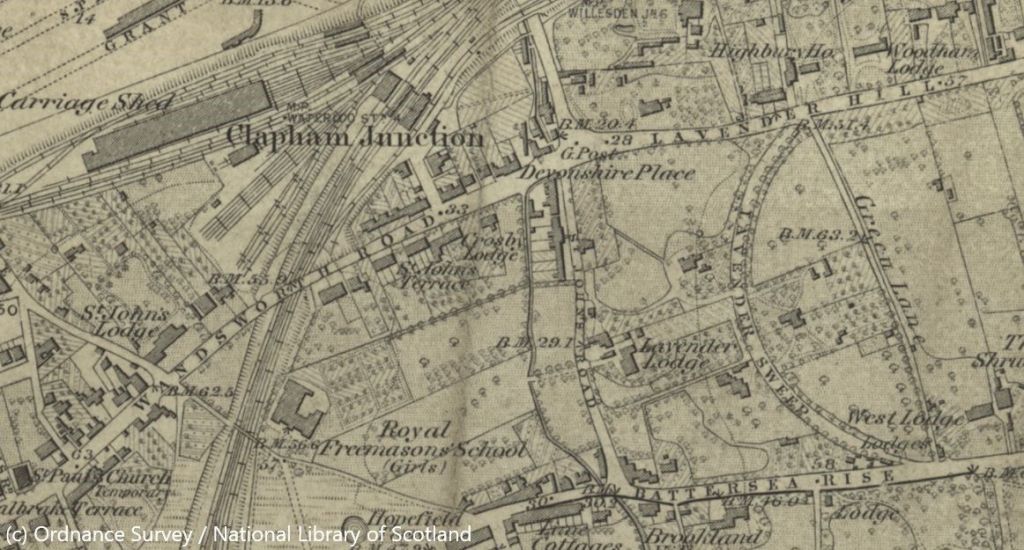
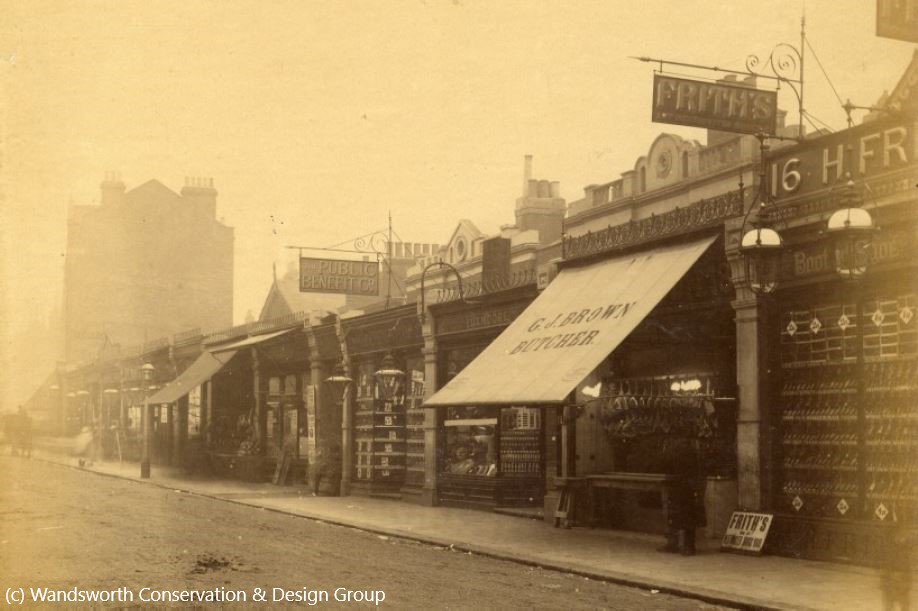
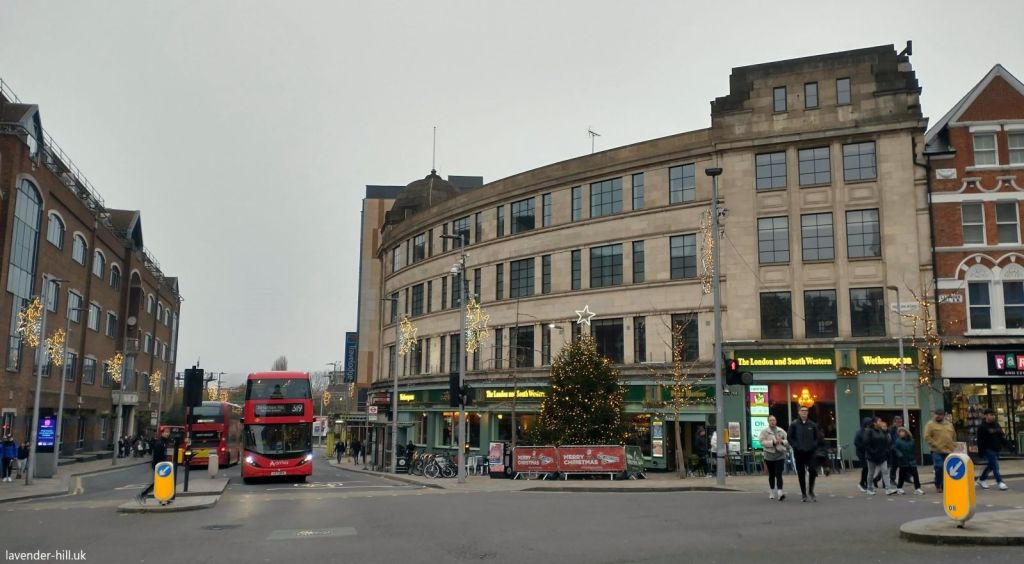
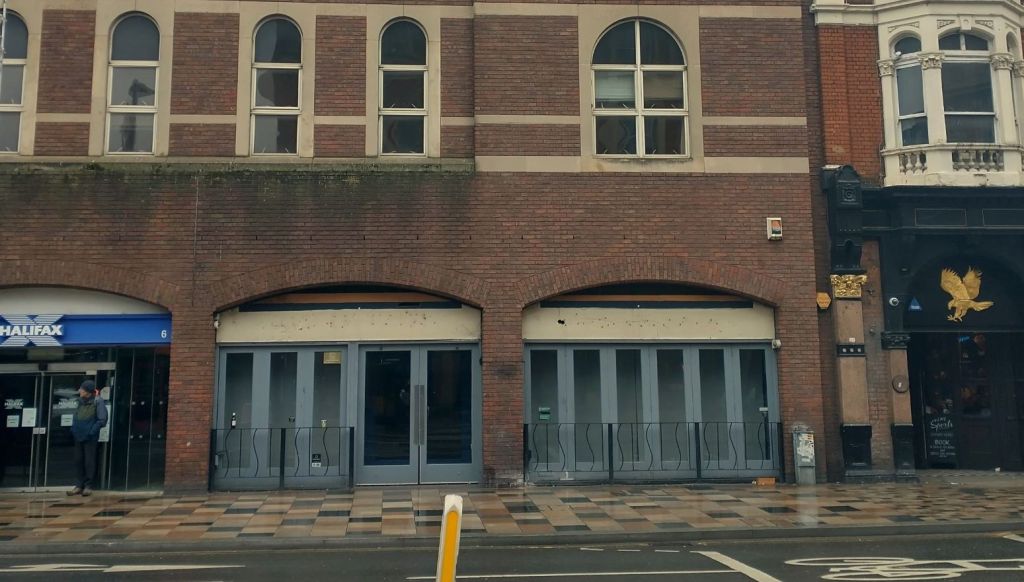
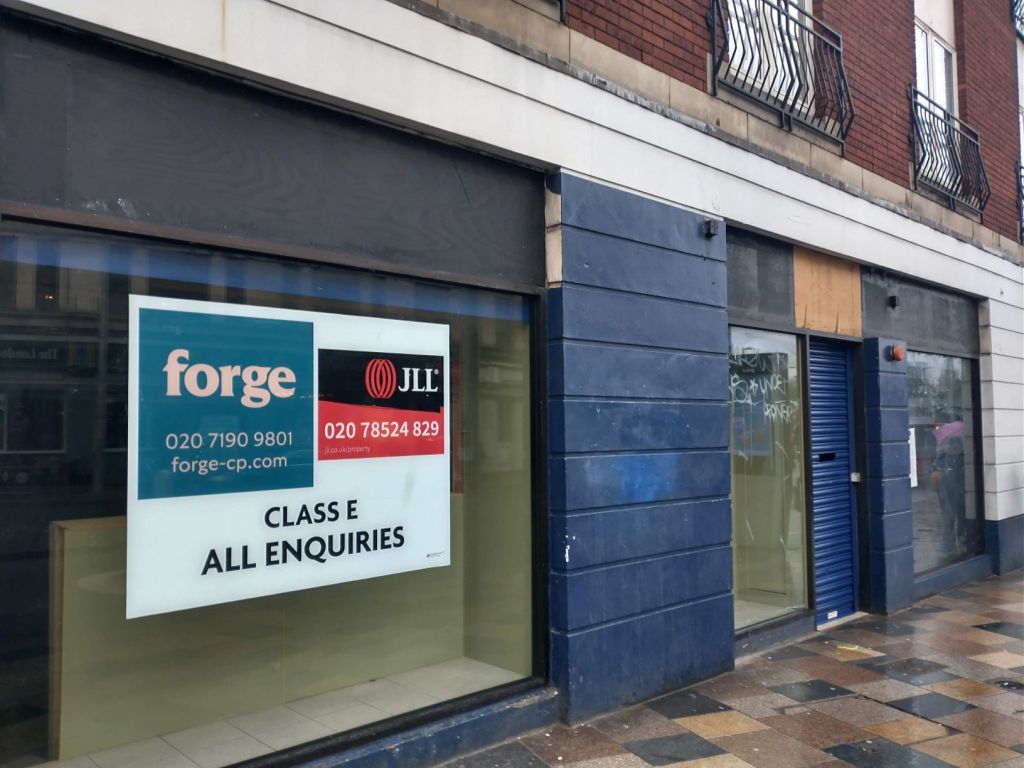
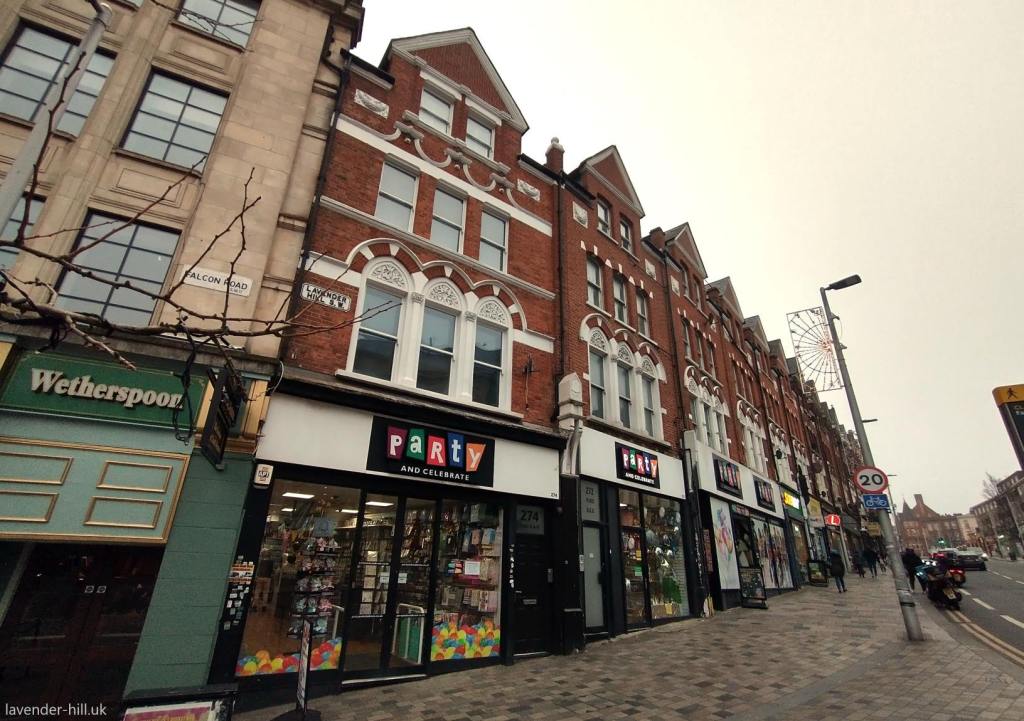
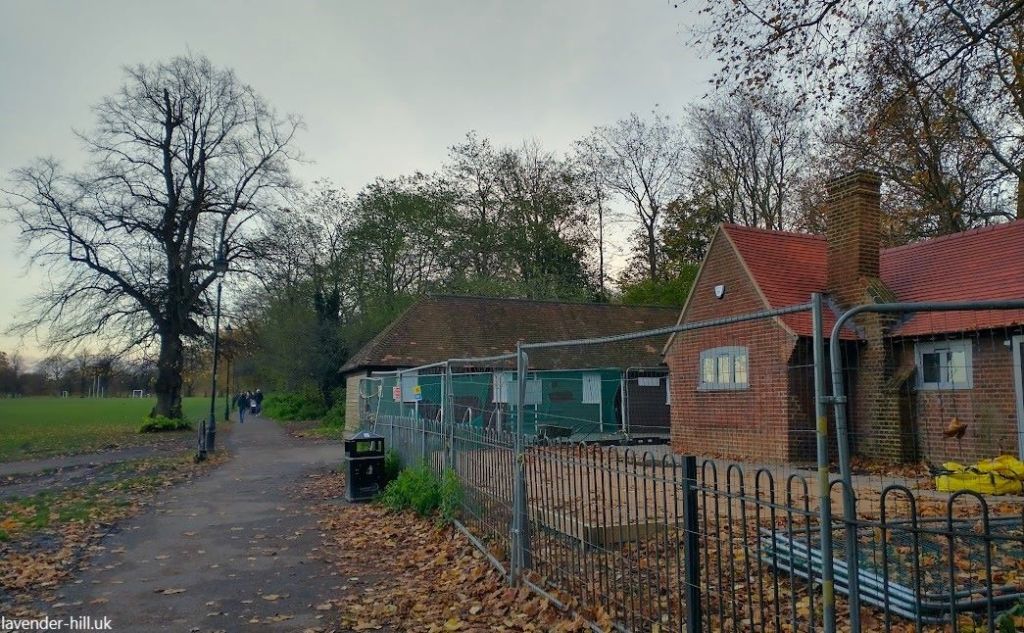
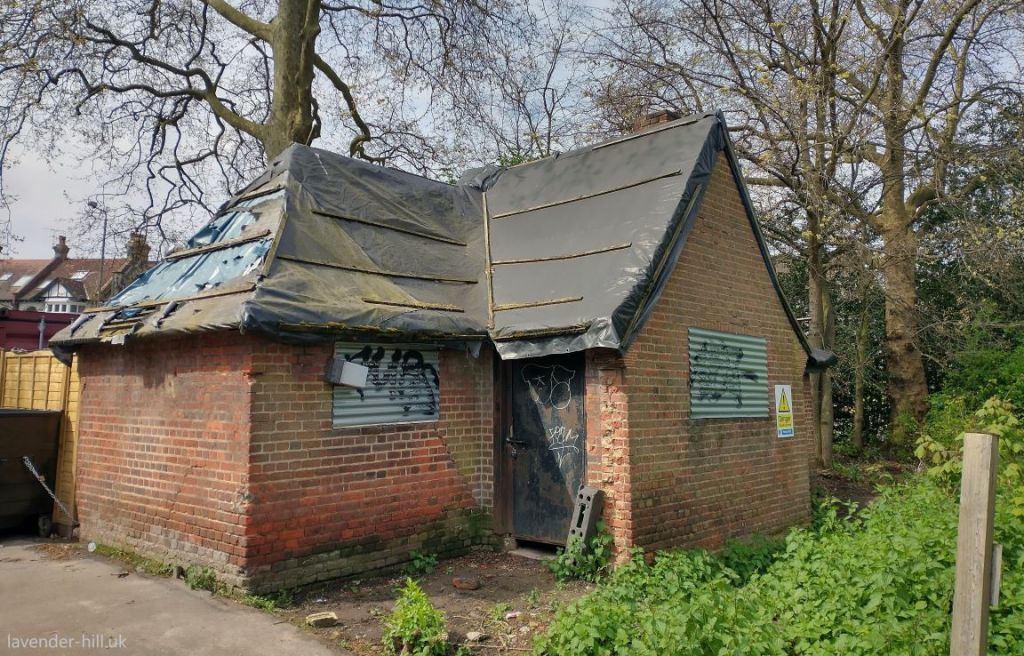
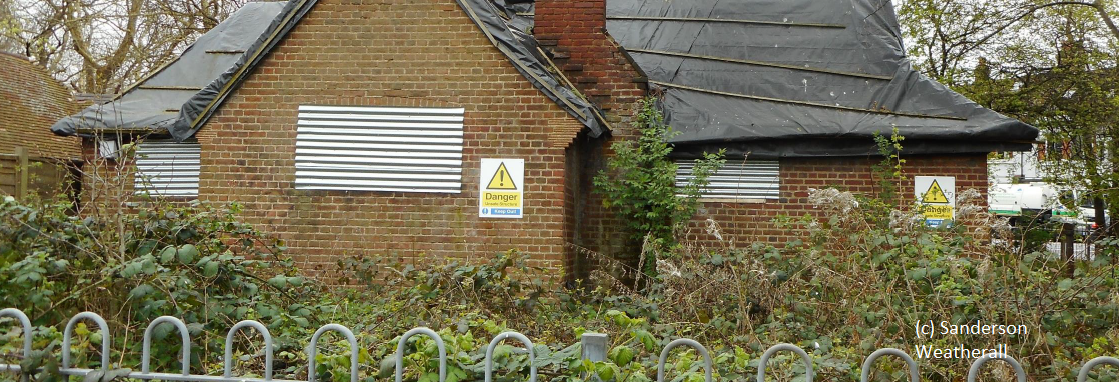

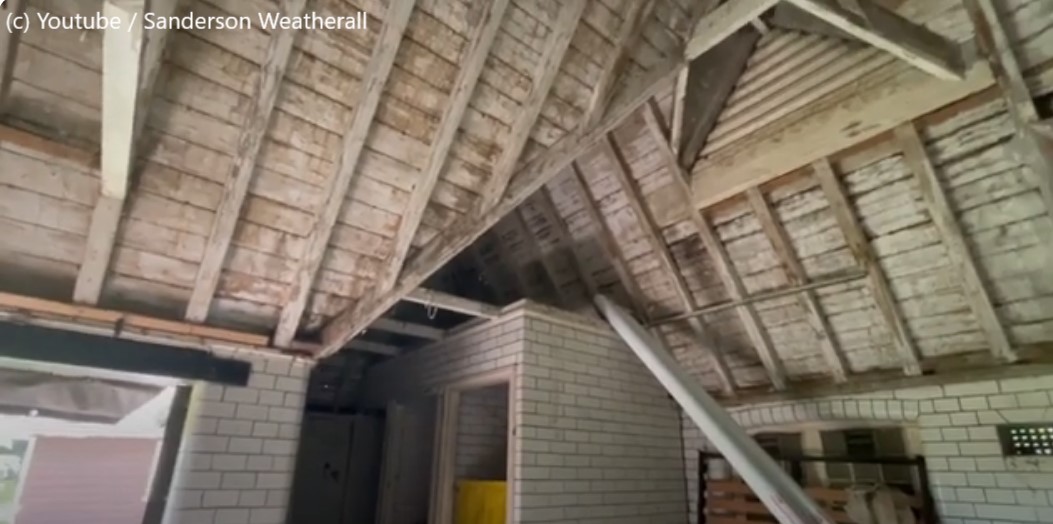
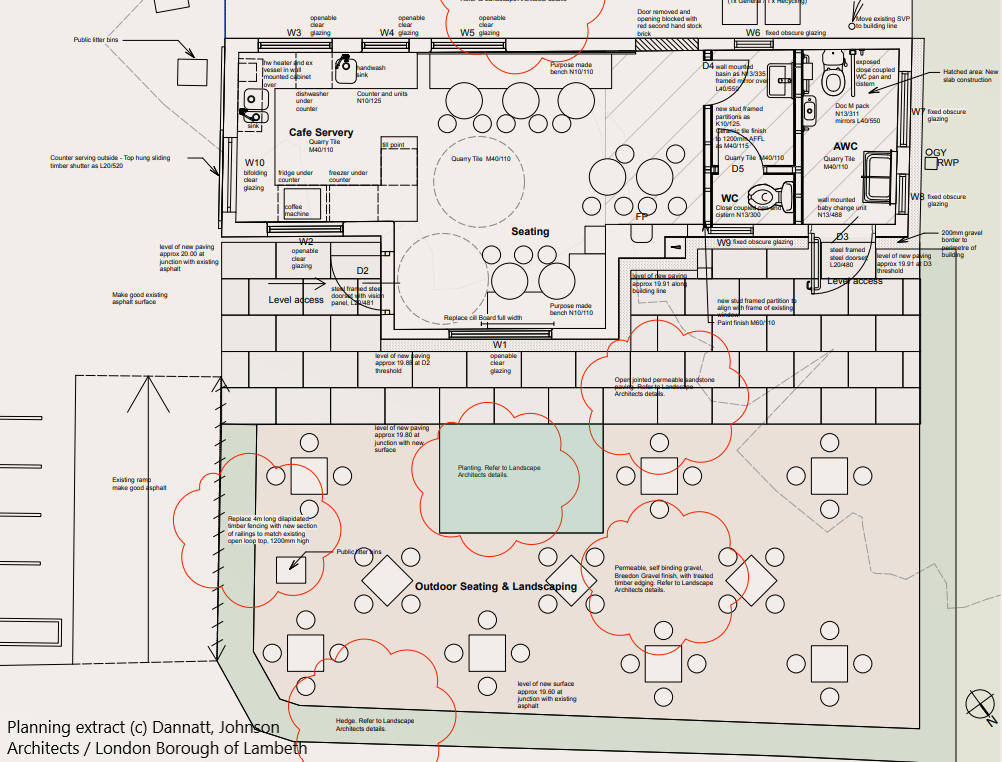
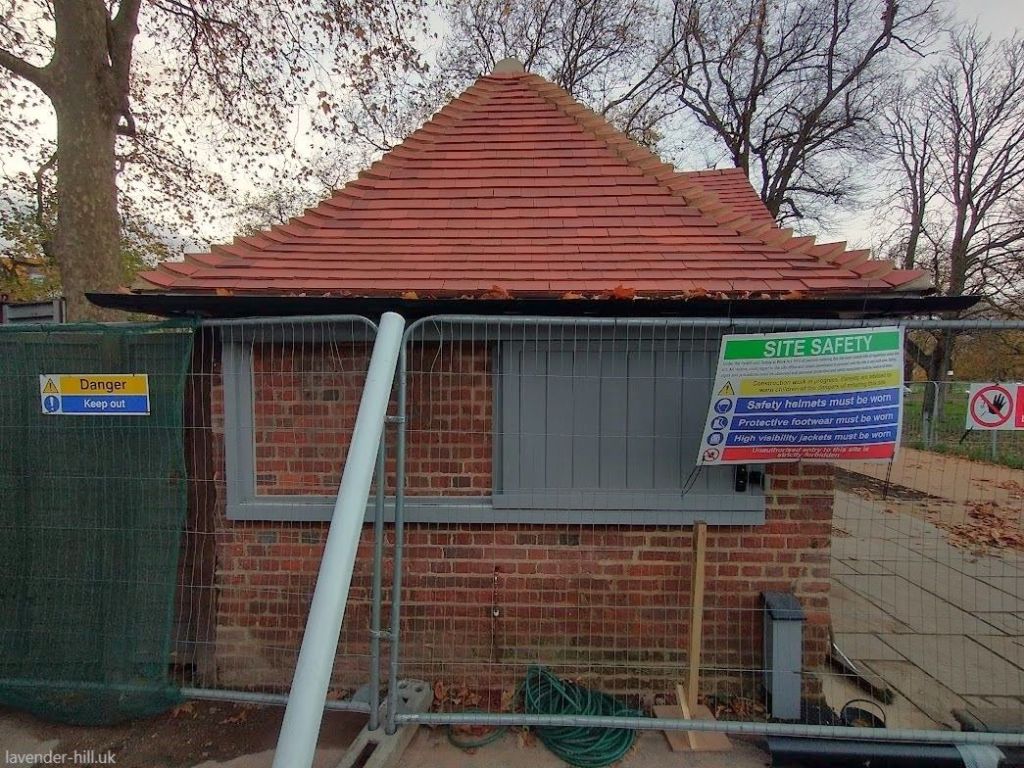
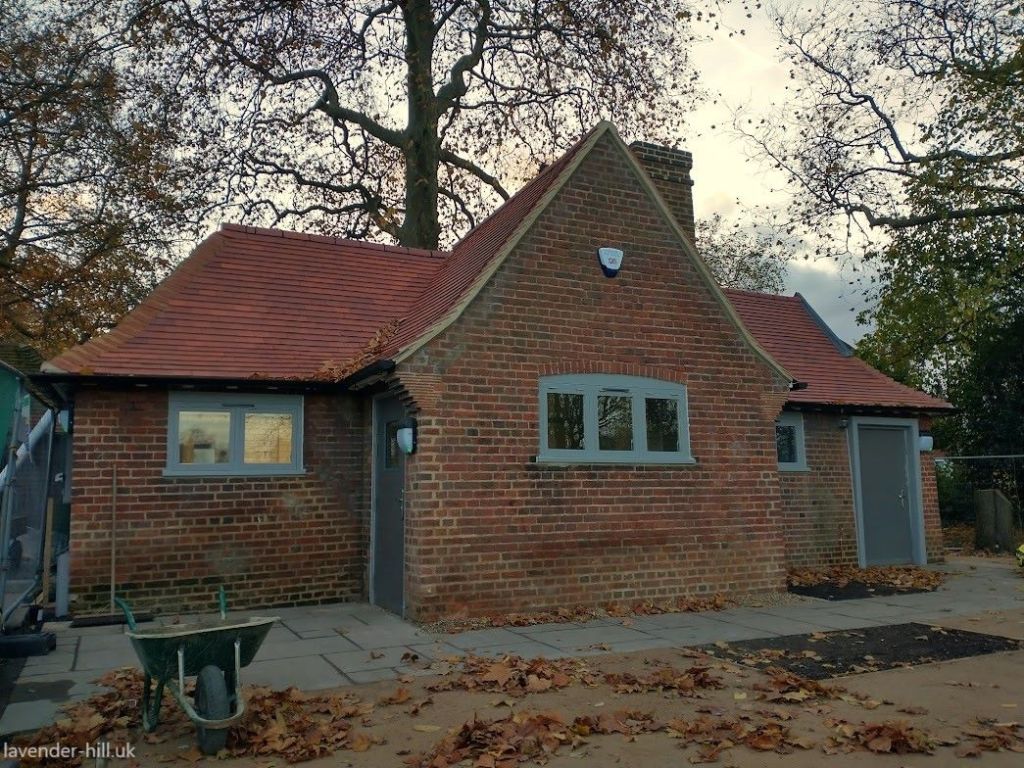
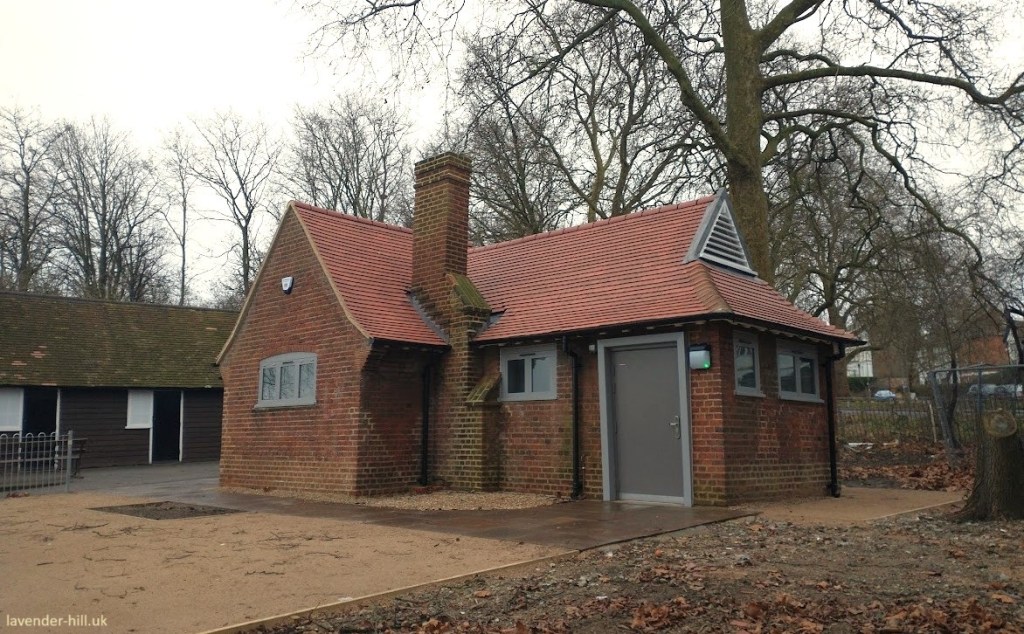
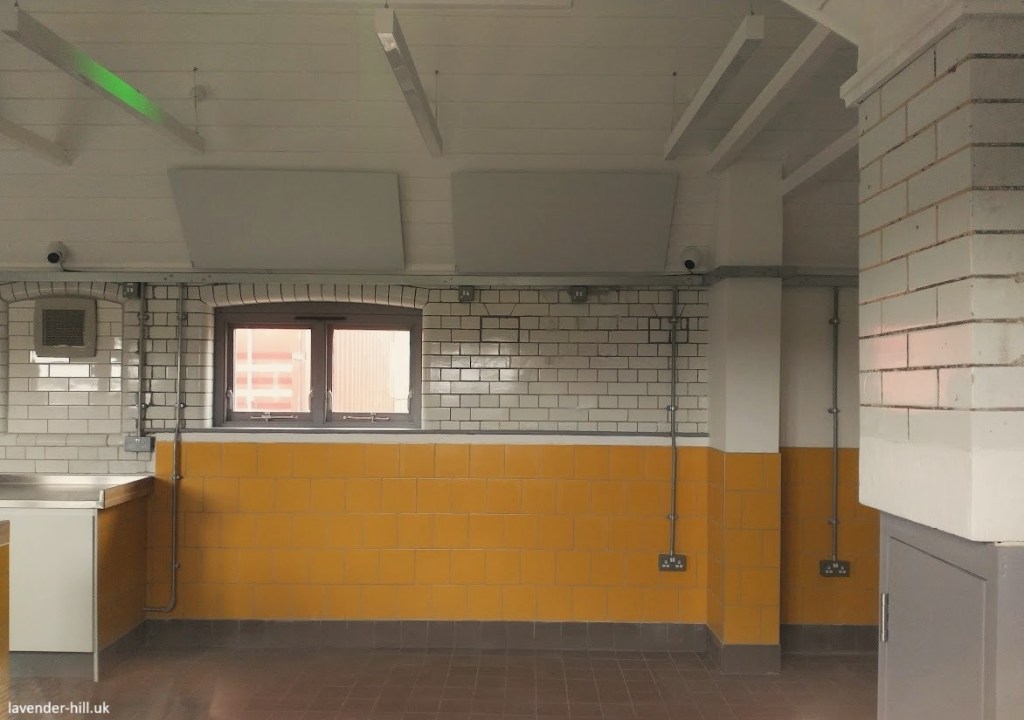
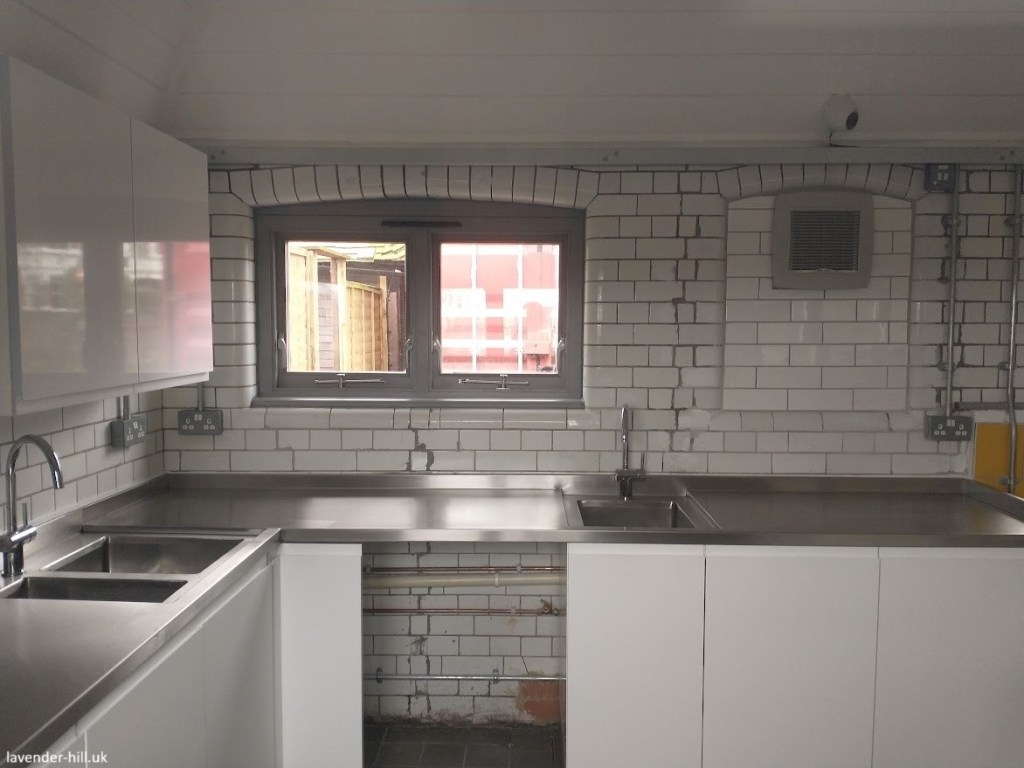
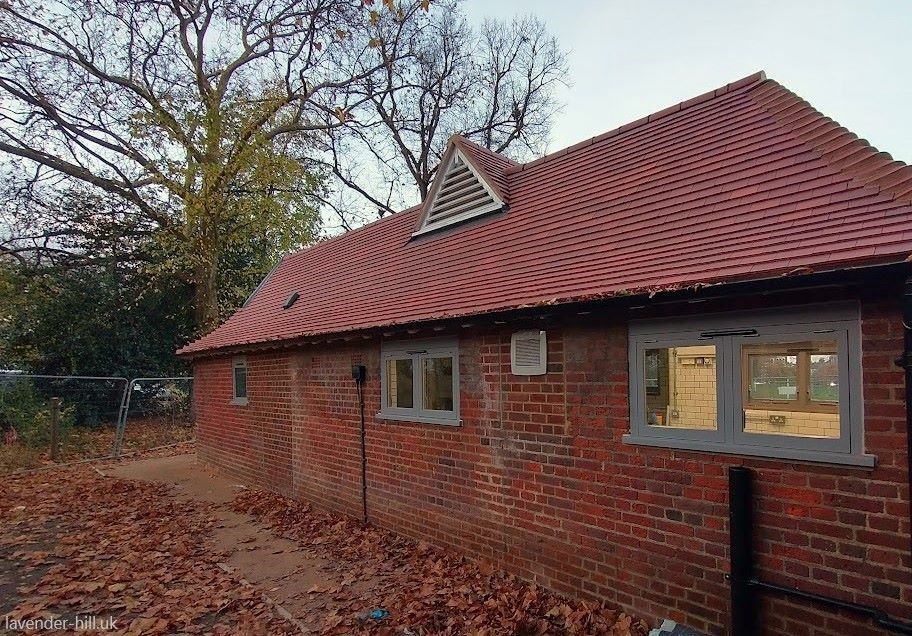
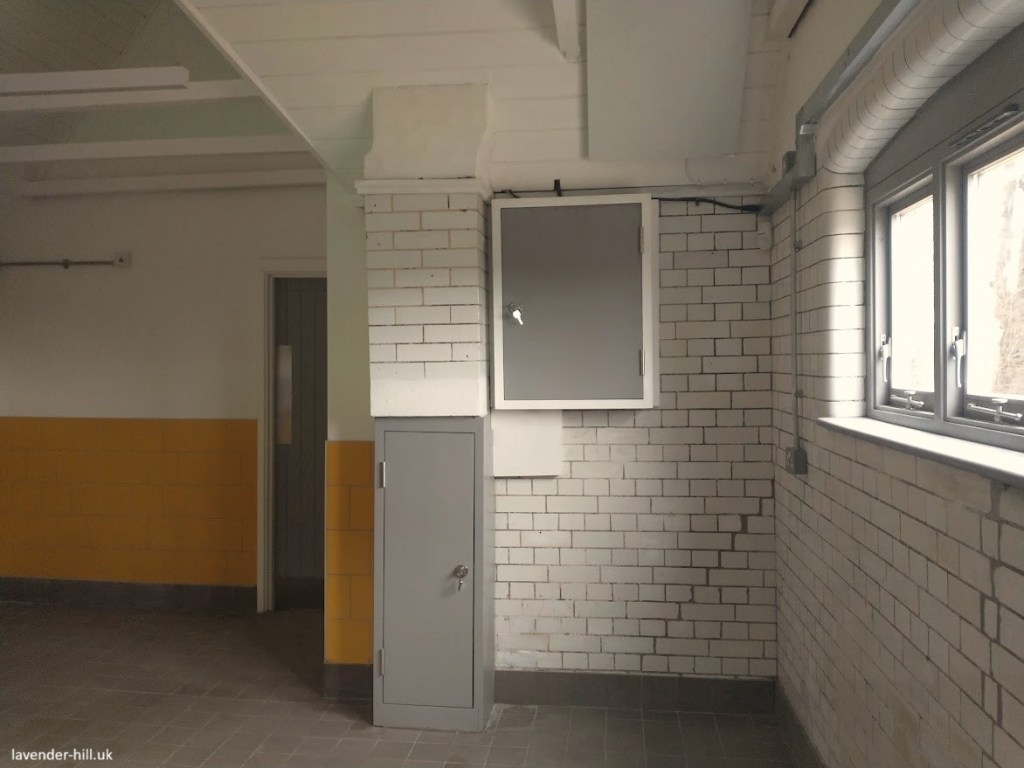
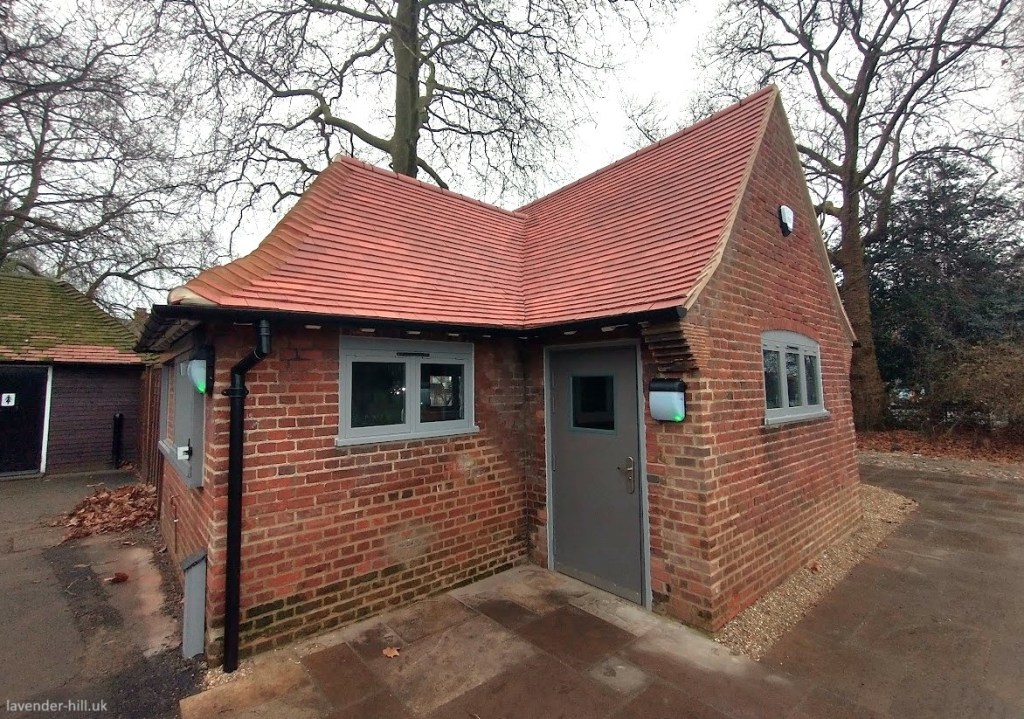
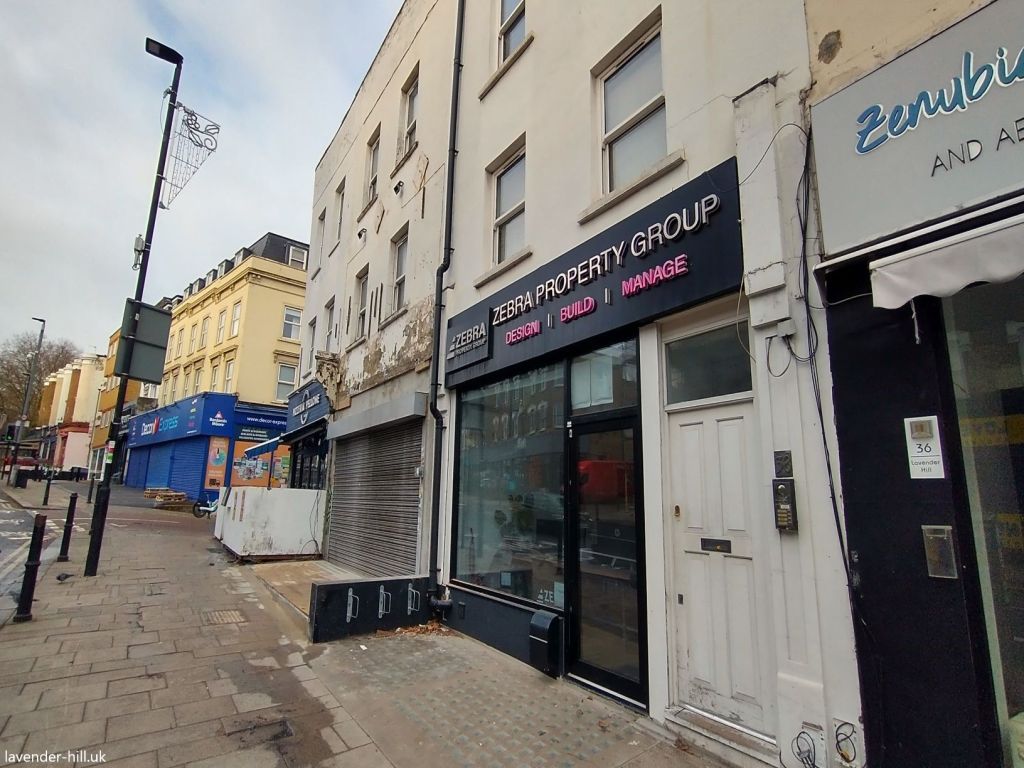
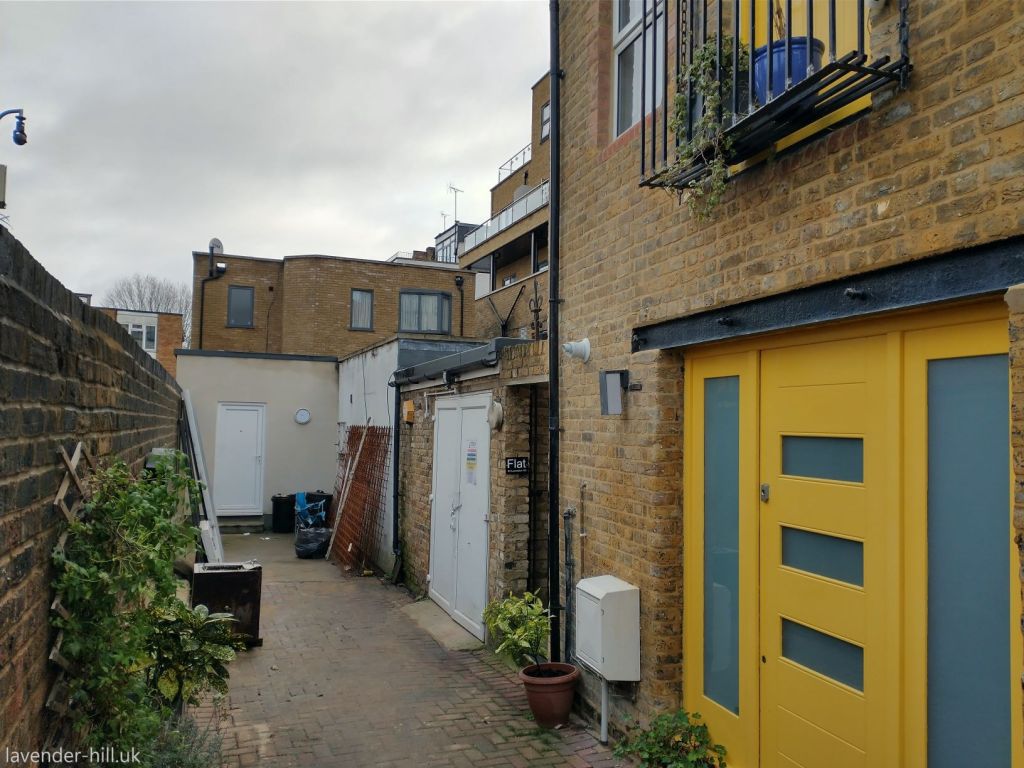

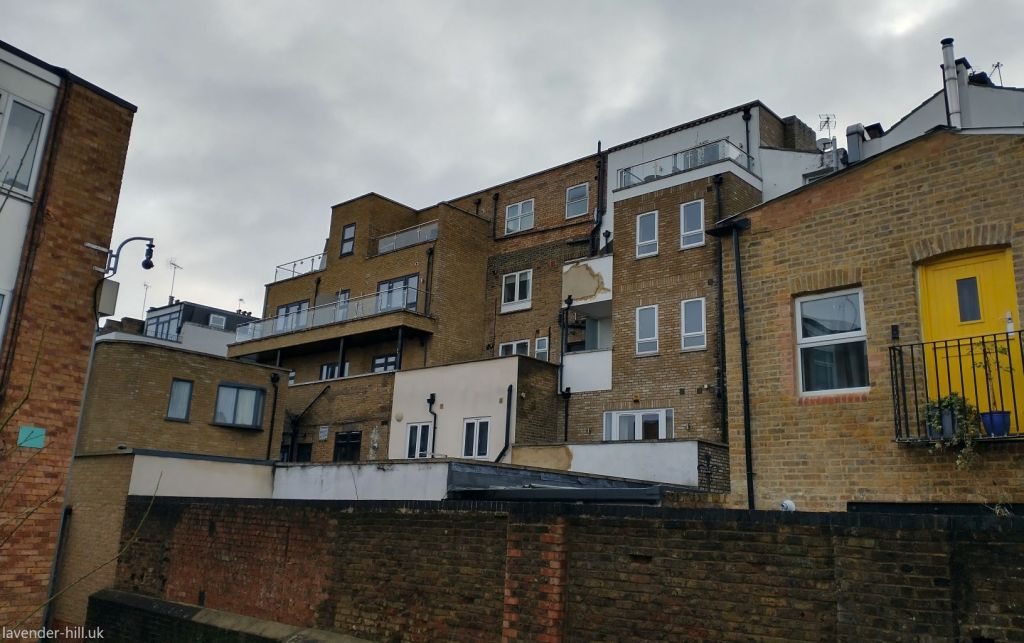
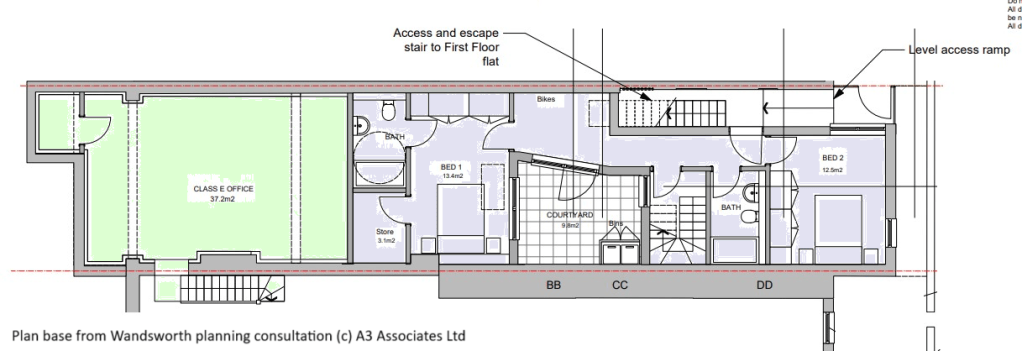
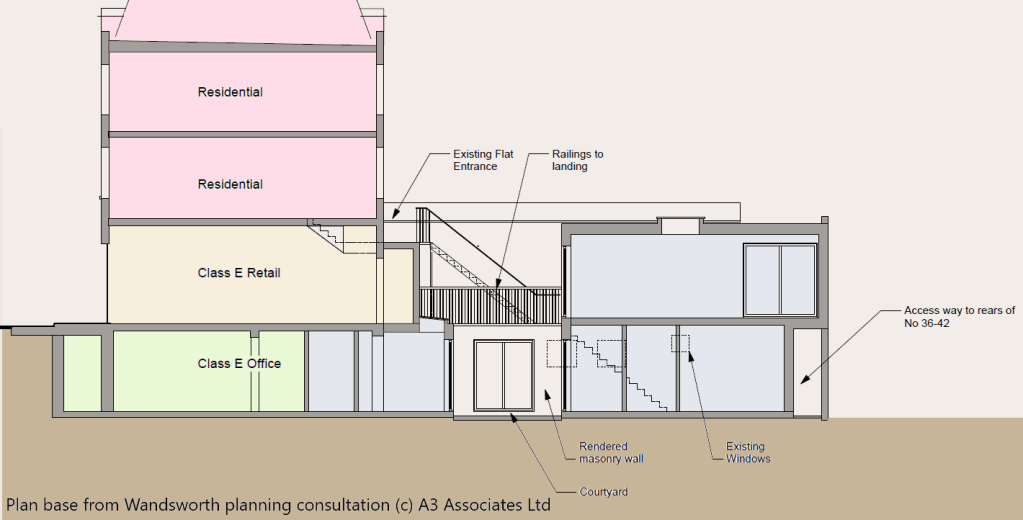
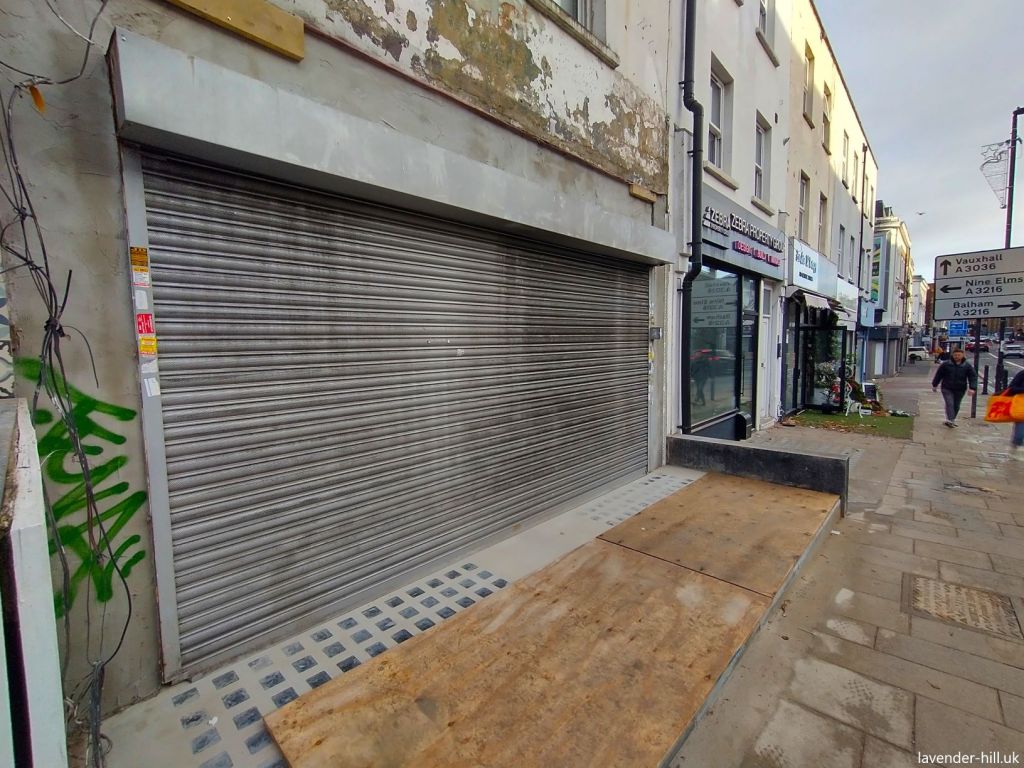
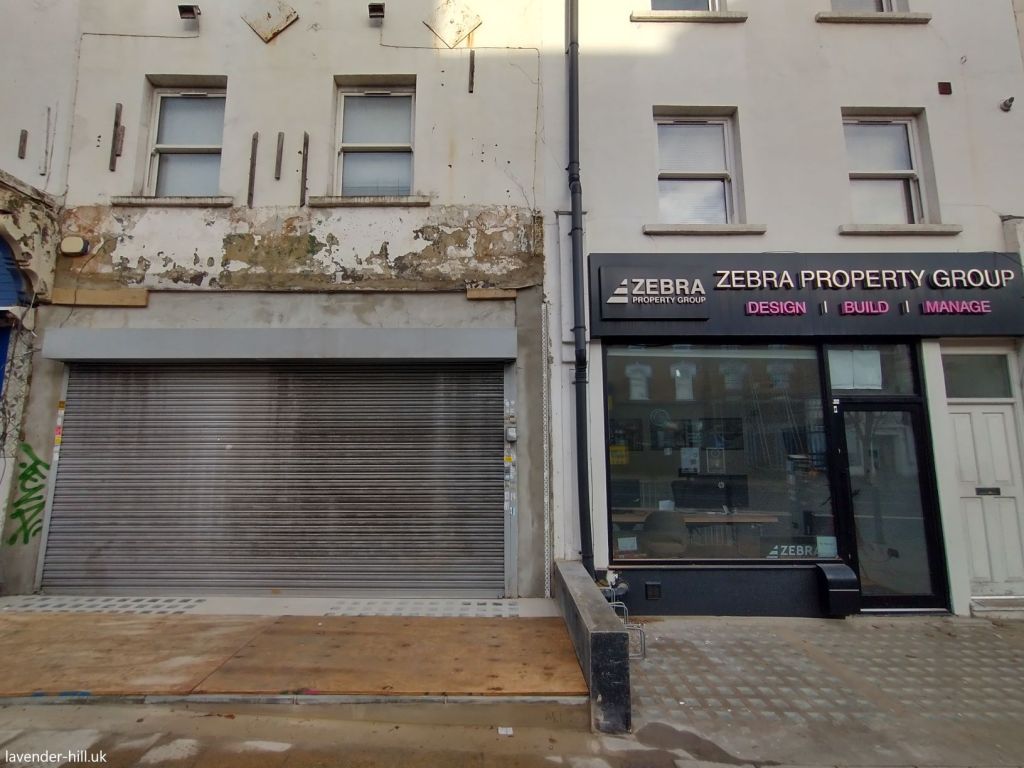
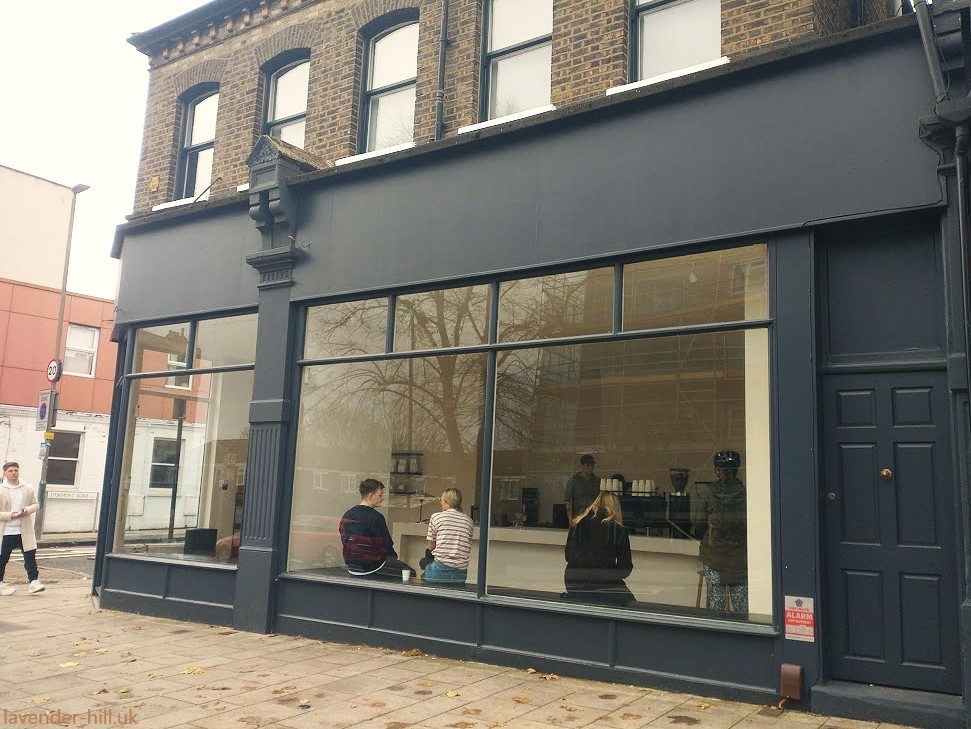
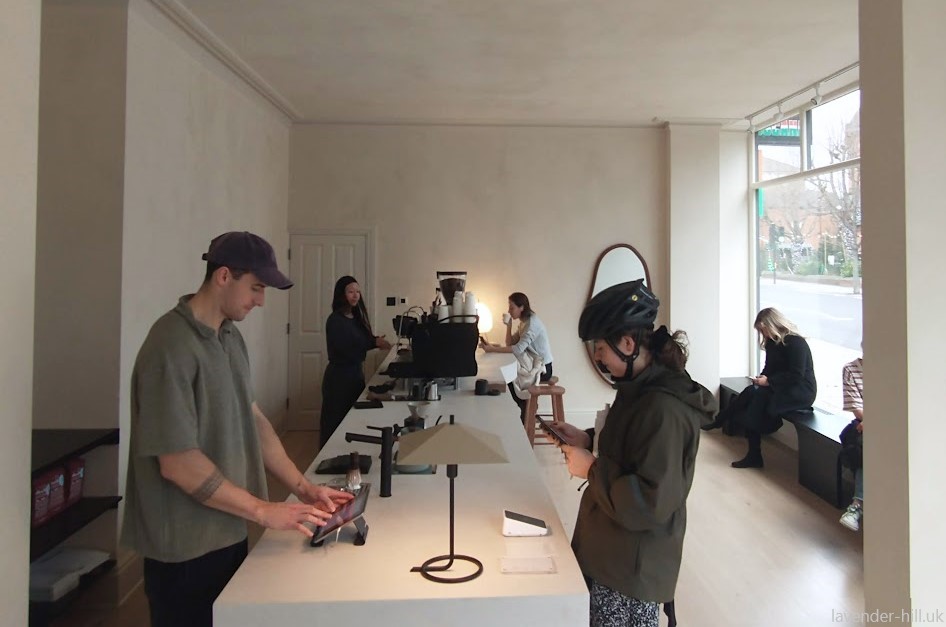
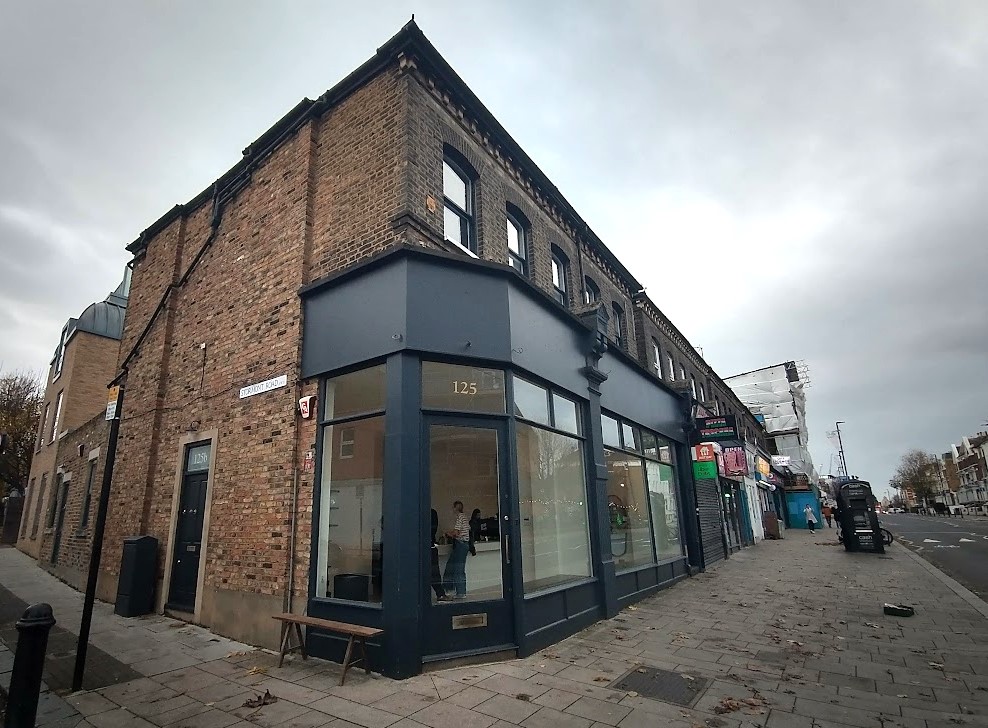
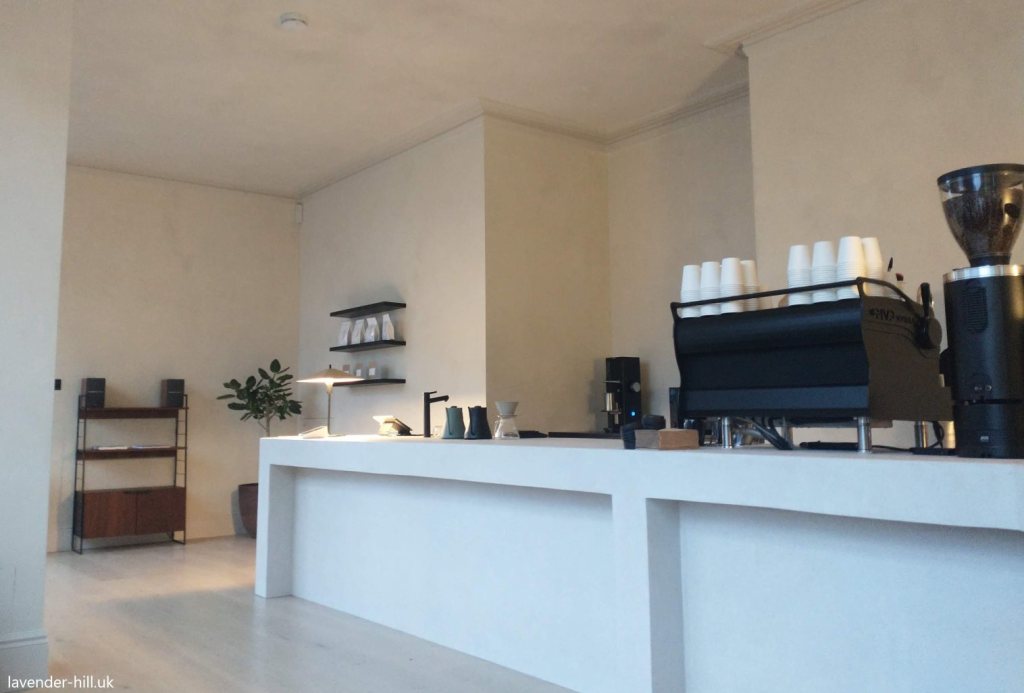
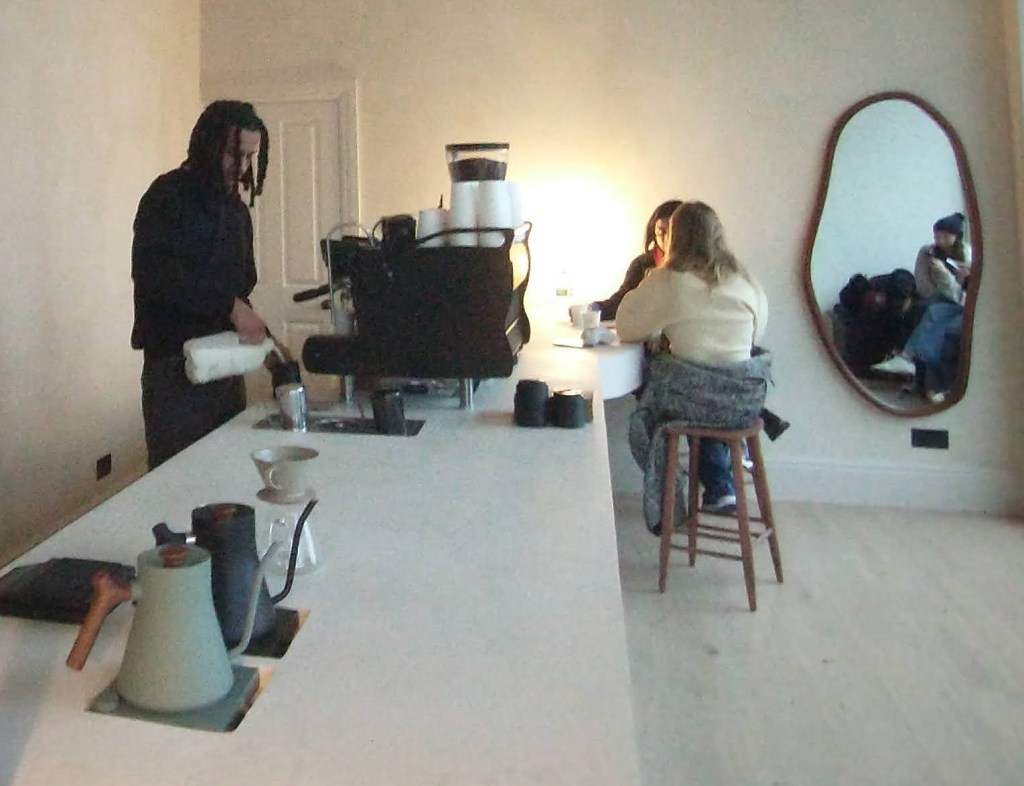
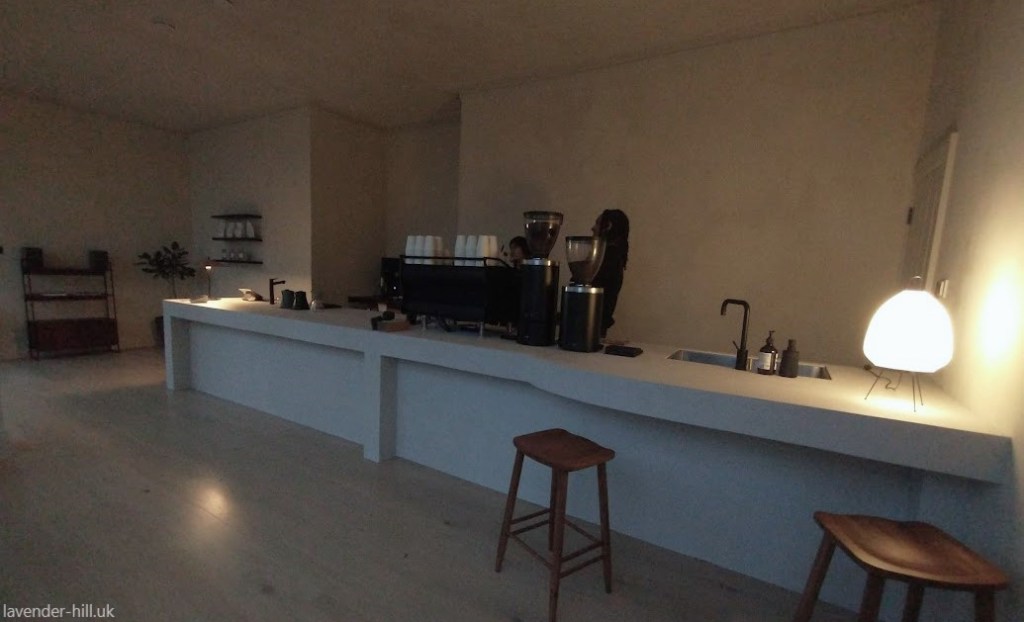
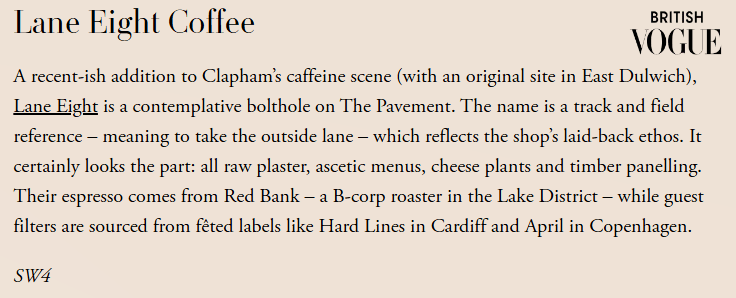
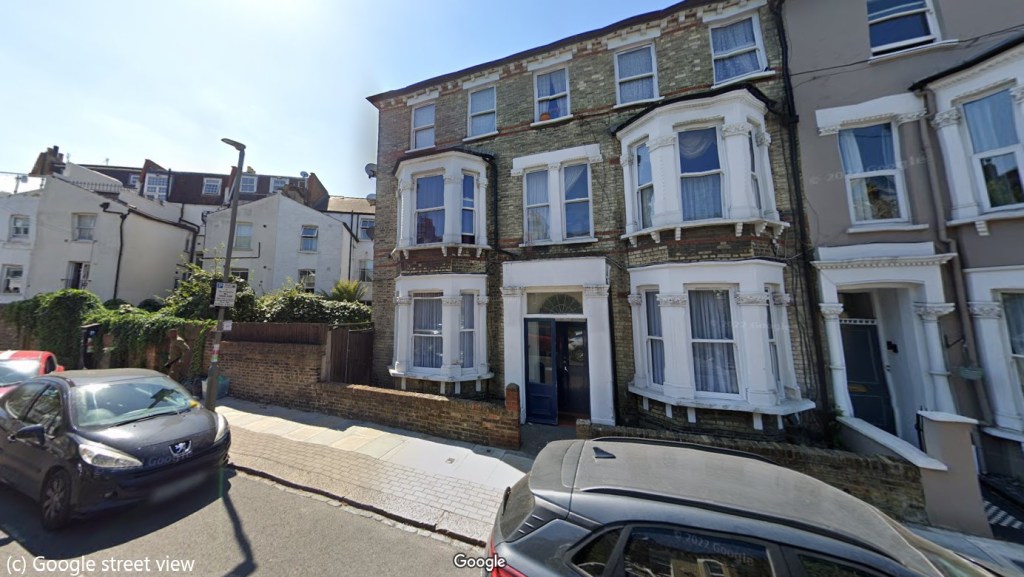
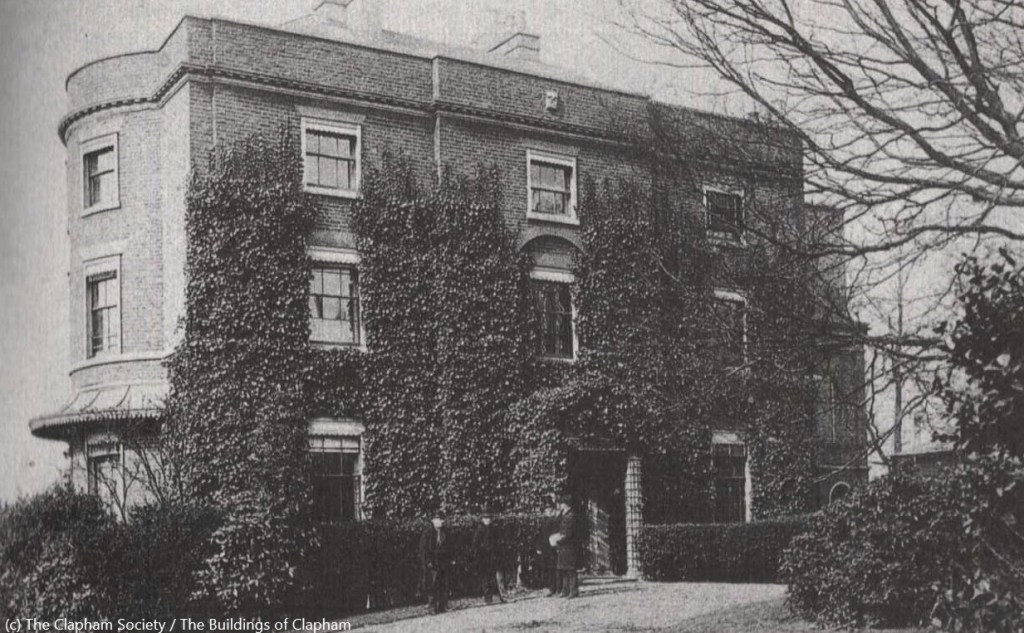



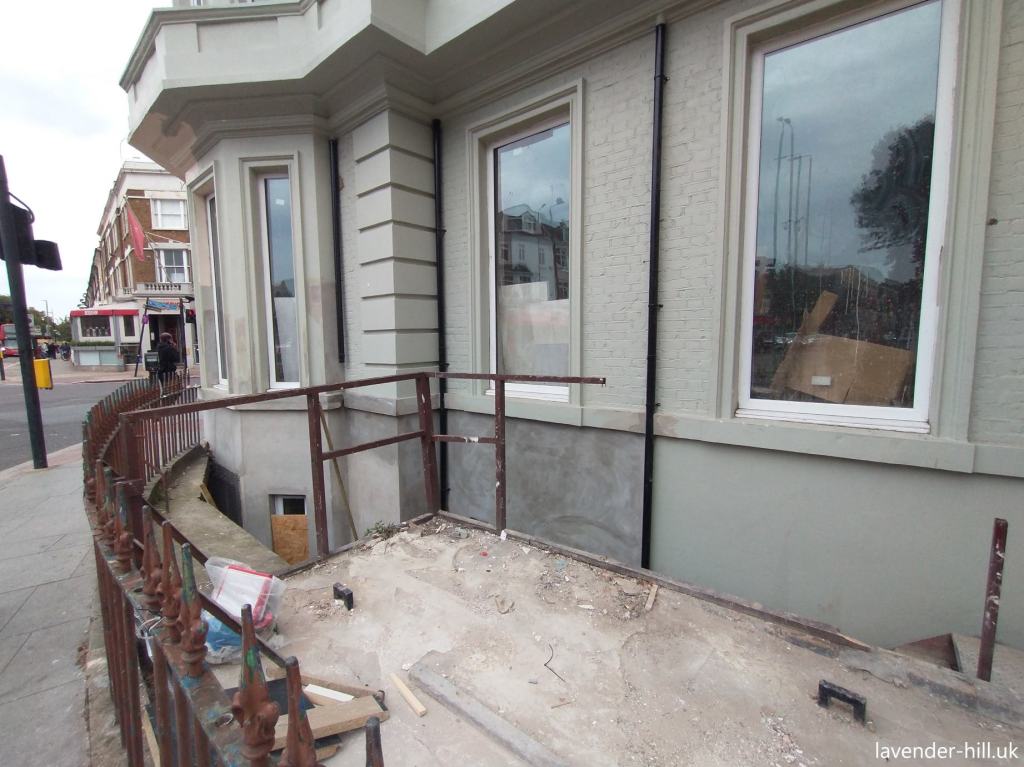
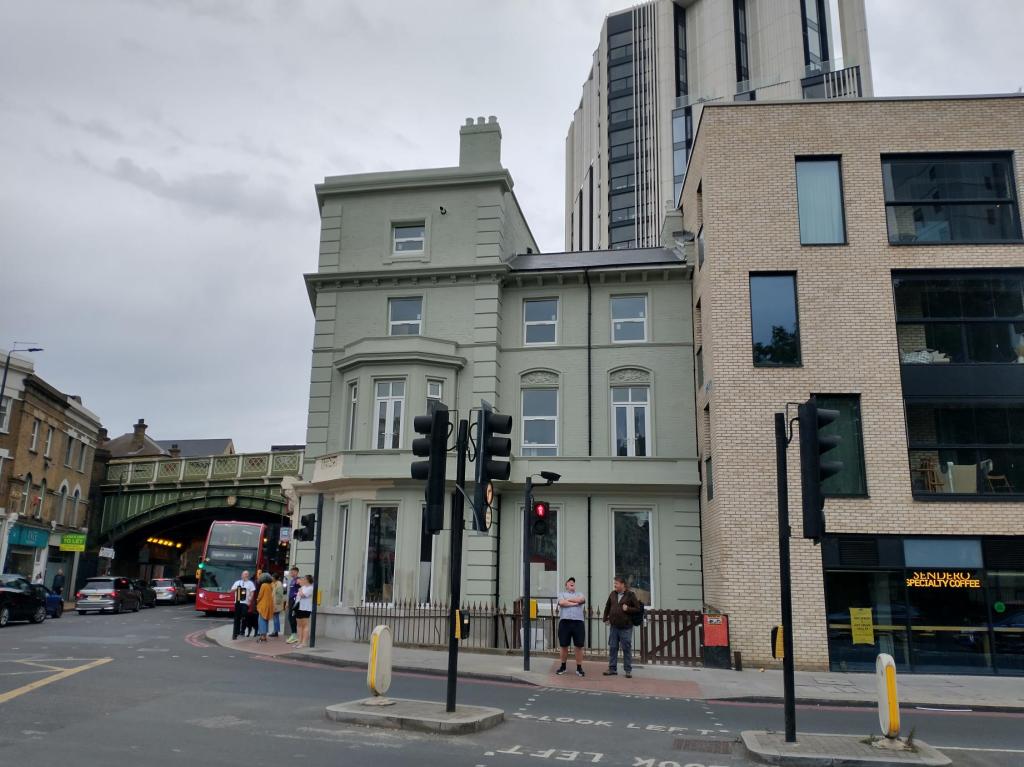
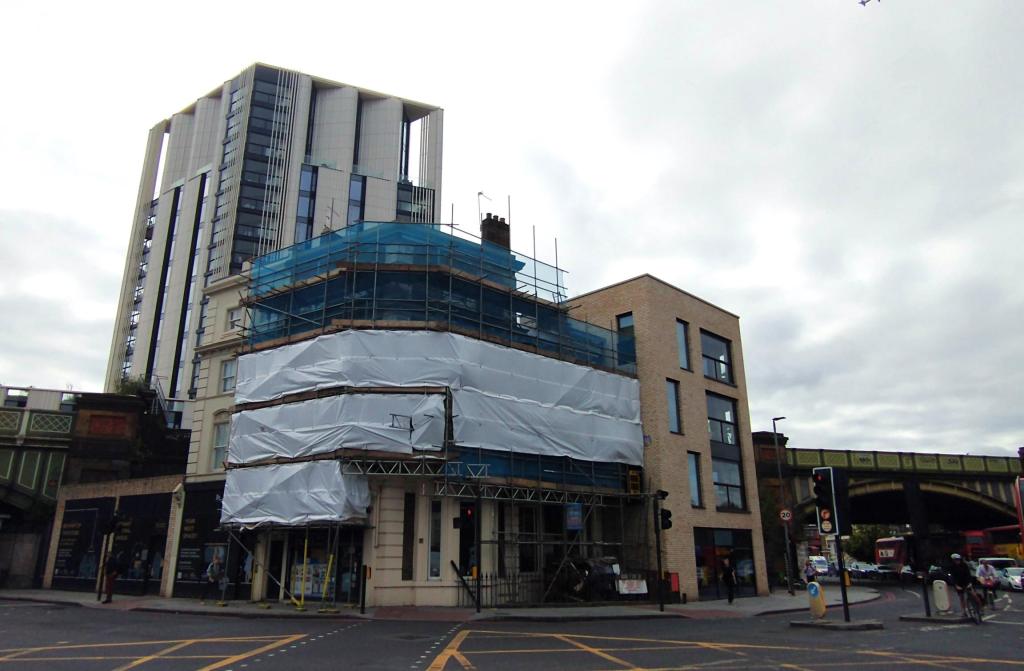
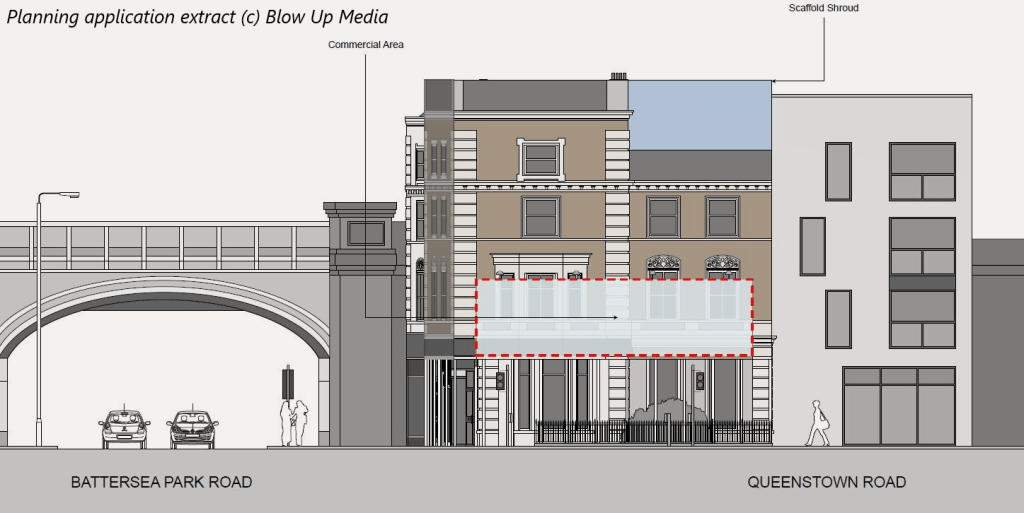
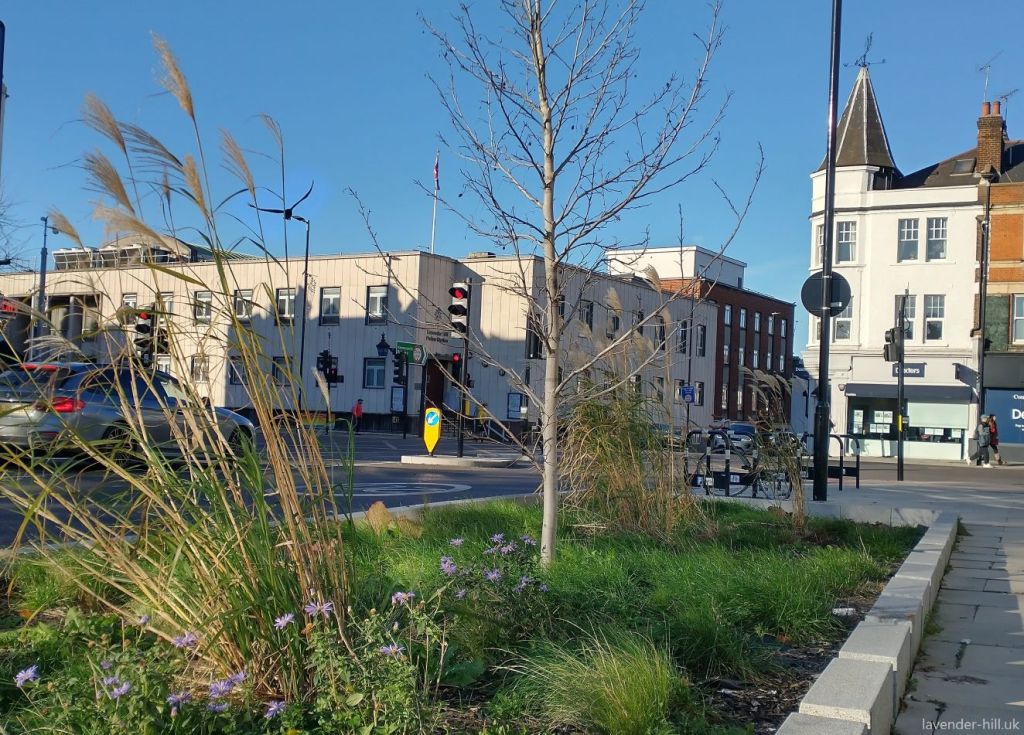
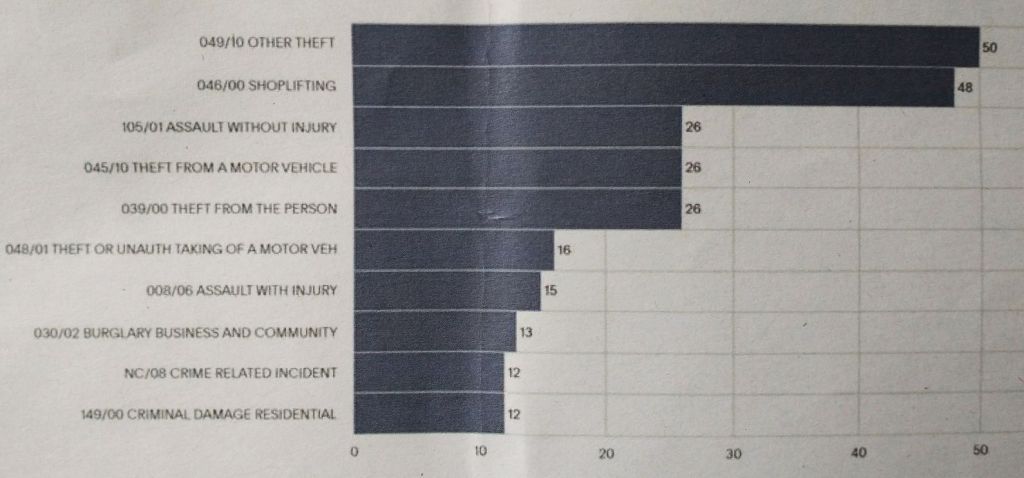
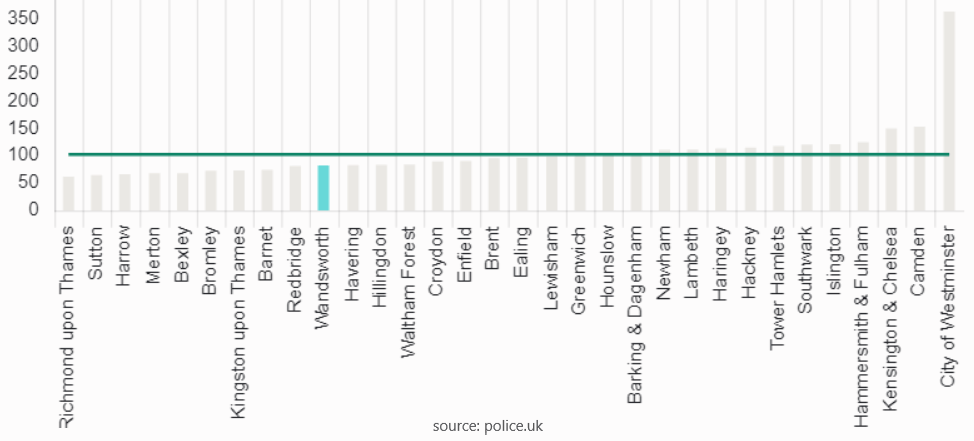
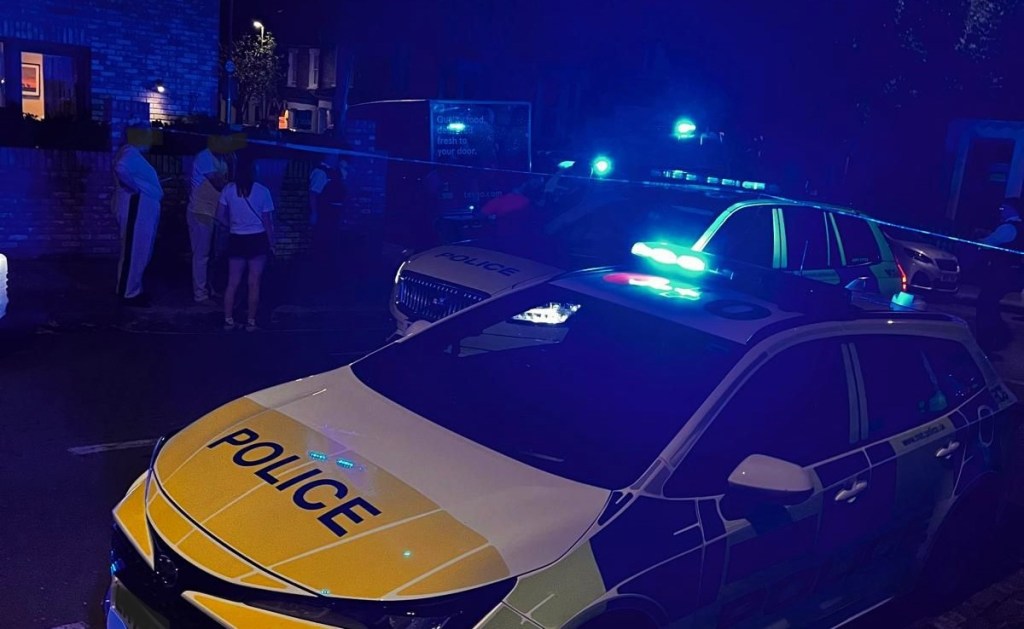
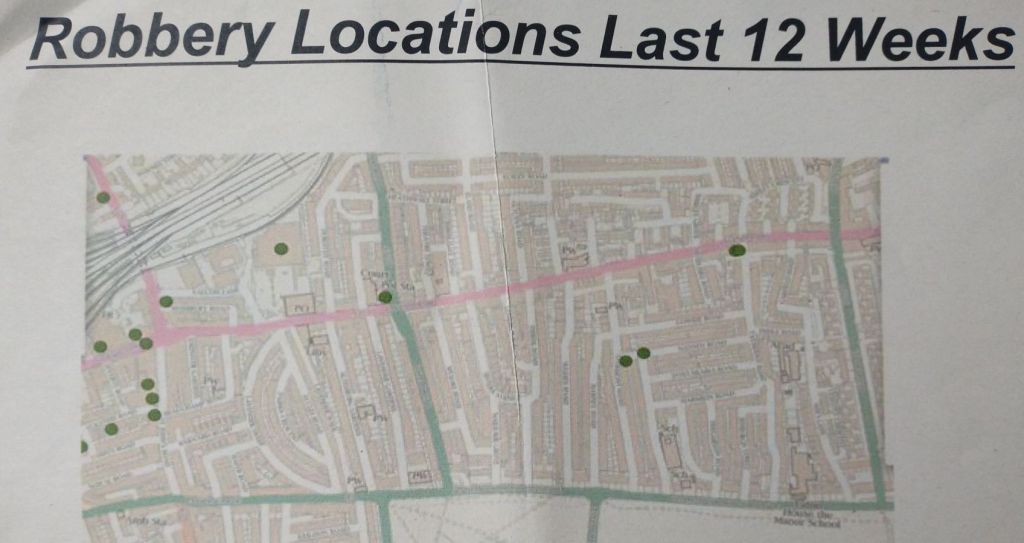
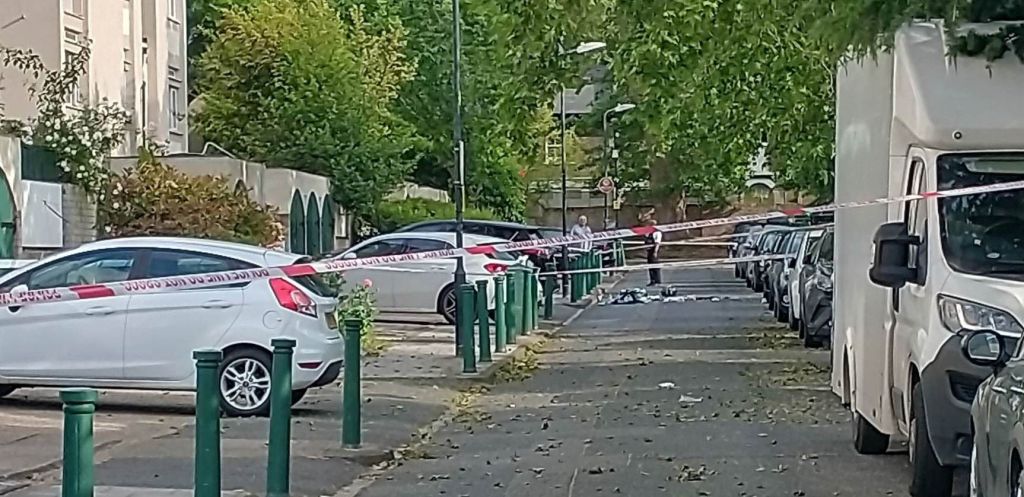
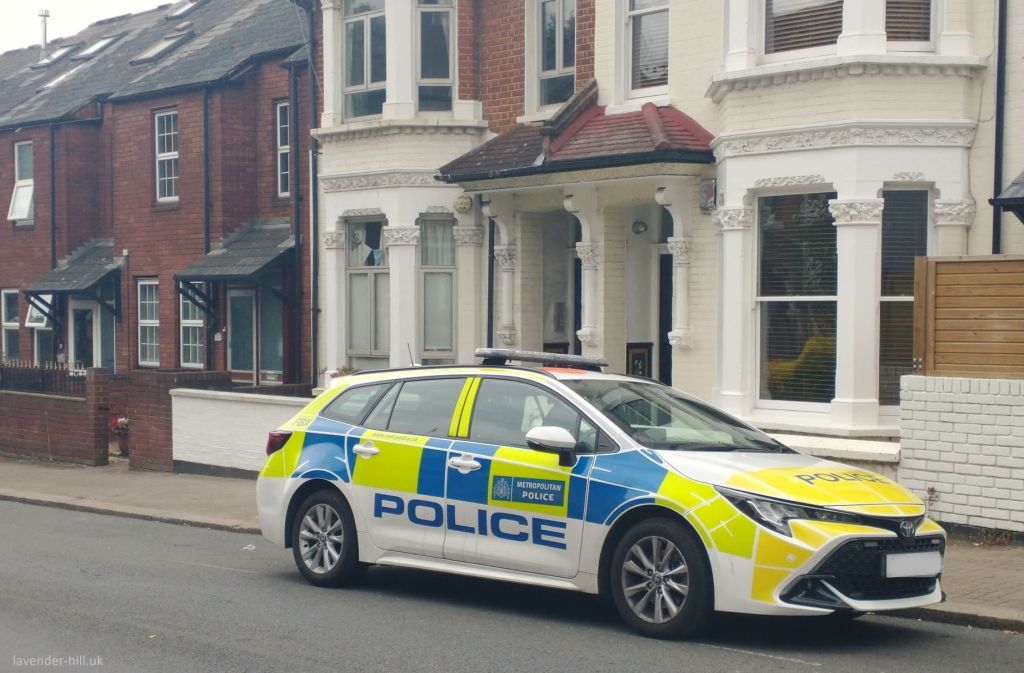
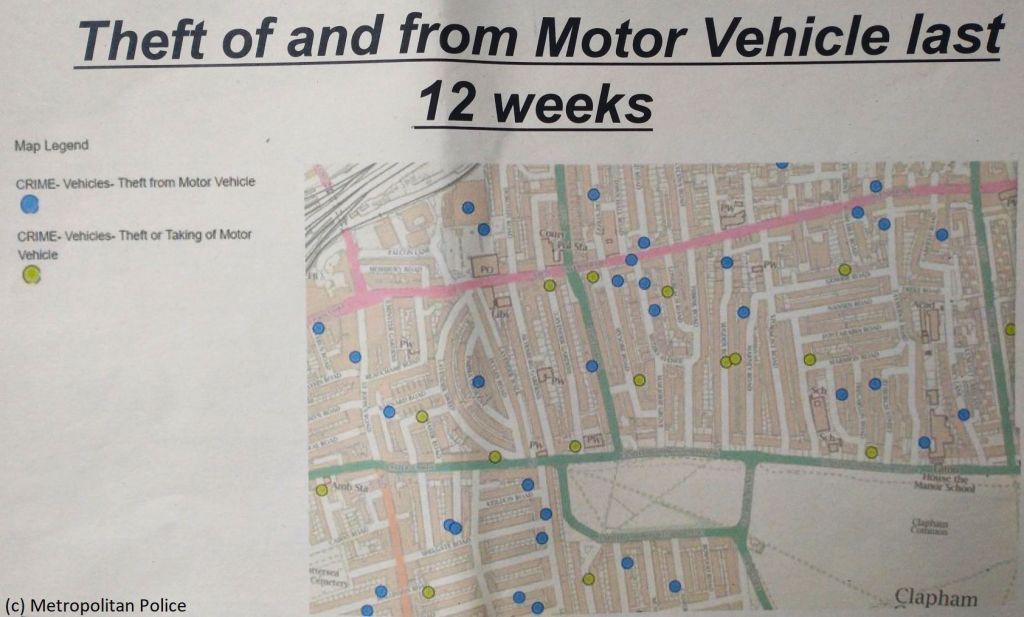
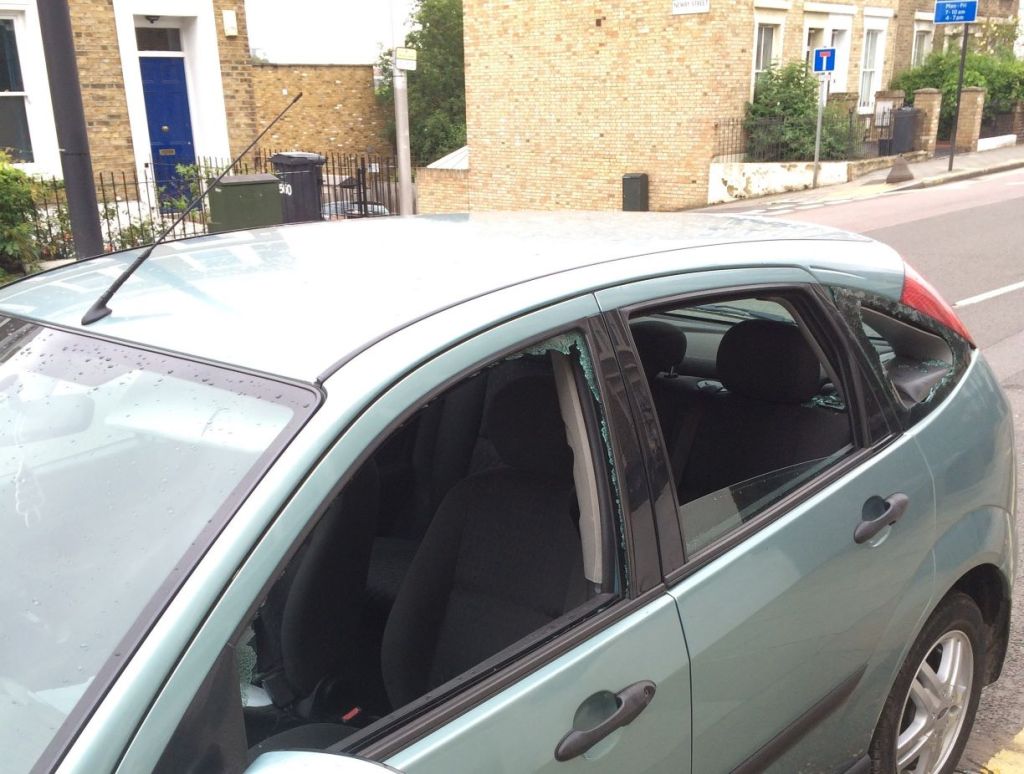
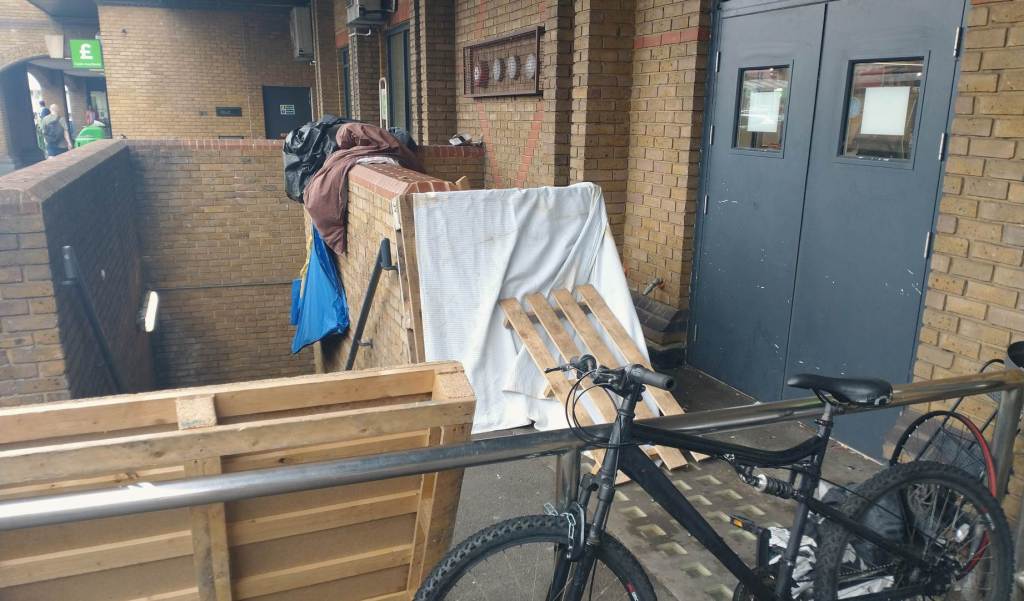
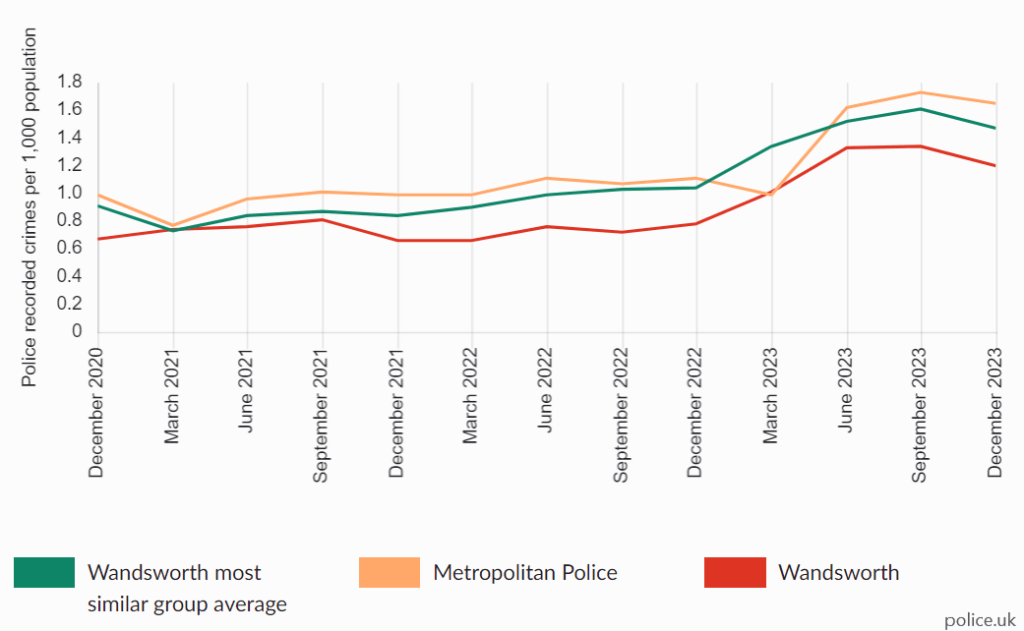

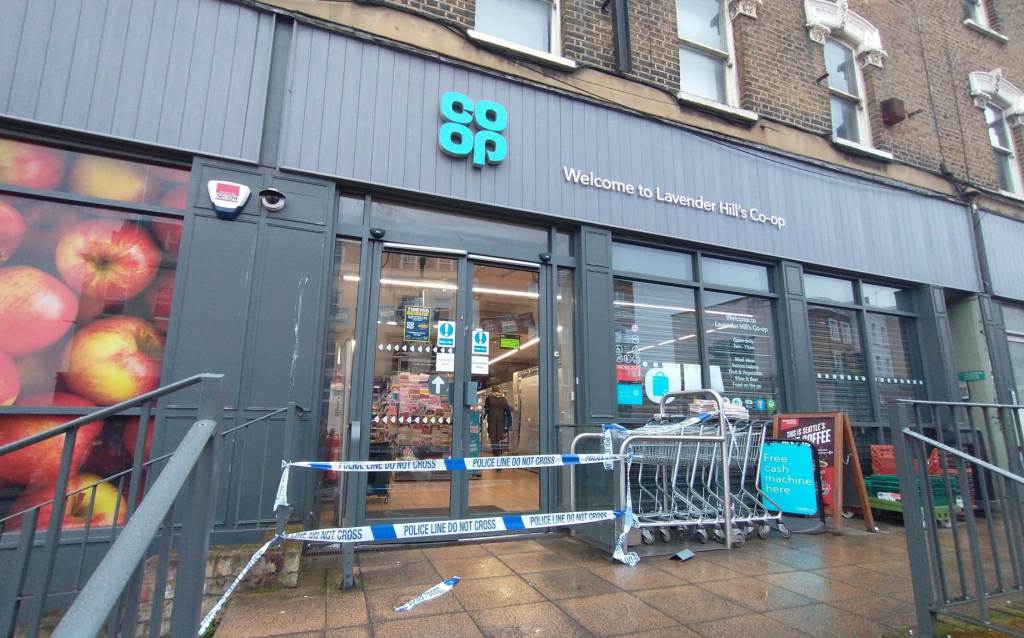
 Lavender-Hill.uk : Supporting Lavender Hill
.jpg)