
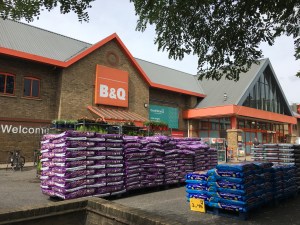
 With B&Q in Wandsworth now demolished, and Homebase going soon, the ‘obvious’ DIY options have gone. A question we’ve heard several times is what are the best local options? There’s a little run of DIY shops and builders merchants on Lavender Hill – they all welcome custom, they don’t expect you to be an expert, and they can be surprisingly cheaper than Homebase and B&Q for a fair bit of the range. To help us all support our local independent traders, we’ve complied a guide.
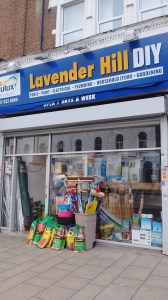 Lavender Hill DIY is small but a bit of an Aladdin’s cave spread over two compact floors; properly locally run (they have one other shop in Brixton). Stocks smaller tools, paints, household hardware, a small selection of wood and electrical products, plumbing and a lot of general hardware. Also does Dulux paint mixing. 147 Lavender Hill SW11. Open Sundays.
Decor Express – A large store, focussed on paint and plumbing, with a huge painting and decorating range (pretty much any paint, varnish, or surface repair product available, as well as all the accessories & cleaning components you could possibly need) as well as a comprehensive in-house paint mixing service. Also stocks a wide range of tools, as well as plumbing components, screws, bolts and door furniture. There’s a smaller range of household electrics and cables, as well as wood and planks. Helpful staff who are always happy to suggest what might be the best product for any particular situation. Part of a mini chain of two (the other is in Richmond) and very much a locally run business. 44-48 Lavender Hill SW11; two thirds of the way along Lavender Hill, you can’t miss the big blue sign. At the time of writing, open weekdays and until the early afternoon on Saturdays.
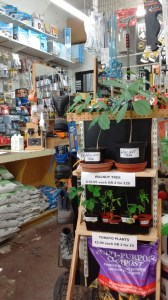 Barker 8 – The absolute classic, an almost unique remaining example of a shop that still does more or less full counter service – so you ask and they go and find it from the back of the shop. This may look like a very small shop from the outside but it’s on several levels and densely packed, so seems to stock virtually everything – including tools, general household goods, wood, electrics, paints, plumbing, ironmongery, cable, and a good deal more. The more obscure the item the more rummaging around it will take, and this is worth a look just for the experience. Happy to advise on what might work in particular situations too. They also have an in-house key cutting service. 8 Queenstown Road SW8 – the yellow shop just down from the Mini Sainsburys. Closed Sundays. Keep an eye out for the resident dog on weekdays!
LHP Lavender – this looks like a plumbers showroom, but actually sells a very wide range of plumbing related components to the general public, including pipe, brassware, plumbing-related tools, and also all the fixtures and fittings. Larger items available to order – it’s not unusual to see big items being picked up here. As most of the customers are, of course, actual plumbers the prices are sensible prices – they can be quite a bit cheaper than the big chains. It’s a counter service place, which means you can take something random along and say “have you got anything that will fit this”. 2 Queenstown Road SW8. Closed Sundays.
Asda also has a small range of DIY essentials (some paint, light bulbs, every day electrical items) on the upper level, as does the Kitchen Shoppe near the station end of Lavender Hill. And despite the shop unit now being 50% smaller, long-established business Braggins are still definitely in business, selling carpets & flooring materials!
Slightly further afield, Leyland SDM on the Battersea Park Road have a similar(ish) range to Decor Express. Screwfix further away at 208 York Road have an enormous range, some by ordering only but a fair bit of which is available to take away on the spot. Topps Tiles are the nearest source of tiles, at Queenstown Circus (the roundabout half way along Queenstown Road).
For bigger items, Travis Perkins have a big branch about a mile from Lavender Hill. Welcoming to DIYers (just ask), if you want bricks, paving, electrics, garden tools, and wood, and especially if you want big and heavy things, they’re a decent option. They deliver daily to the area from the local store, so you should be able to get items dropped off at our door reliably and with a minimum of fuss. There’s a shop for their range of smaller items on site – the bigger stuff out in the yard is ‘pay in advance’. There is some car parking. Sign up for a (free) customer account and get a small discount. 37 Lombard Road SW11; there’s also a smaller branch specialising in kitchens on Battersea Park Road.
Wickes are a bit like an old fashioned version of B&Q or Homebase – a similar range but with more heavy duty materials and lacking the plants / blinds / cushions / more decorative elements. You’ll need to go all the way to the bottom end of Garratt Lane. 53 Plough Lane SW17.
Another version of this post covering a wider geographical area, is on the Clapham Junction Action Group website.
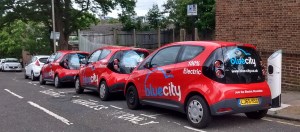
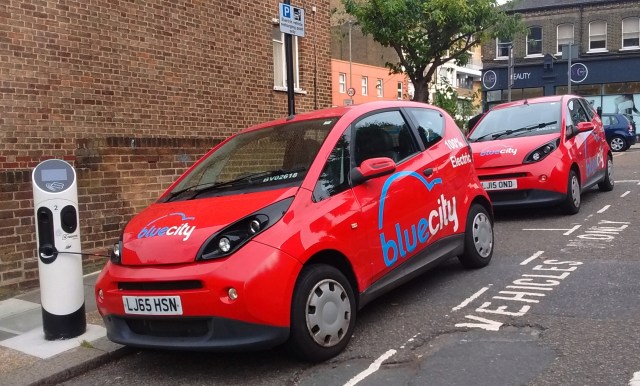 The BlueCity electric hire cars (which, despite their name, are red) will soon disappear from Battersea’s streets. Despite some success with a ‘Hire-in-Gatwick, drop-off-in-London’ trial, the operators struggled to get sufficient use to make the £5-per-half-hour service profitable, and plan to close down for good next week. BlueCity was a brave experiment, and it’s a shame to see them go. We’ve
 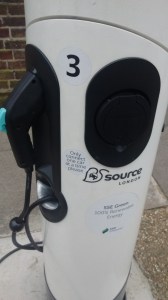 There were other problems. The company found itself having to negotiate separately with every single London Borough to build, or gain access to, charging points, which proved quite challenging. Wandsworth were quite proactive, but other boroughs seem not to have been interested. The cars had to be parked somewhere they could charge, and charging bays in popular spots tended to be full. And when the cars were fully charged, they could then block the spaces for days until someone else hired them. Unlike Zipcar, the BlueCity scheme never managed to get the same level of public attention, and maybe it never reached the scale & coverage where it was worth advertising widely.
 Almost certainly not. The BlueCity service was always going to be a bit of an experiment at first, and may have been a bit ahead of its time. Unusually, the company made its own electric cars and batteries – designed to be robust and more suitable for public use, and at least in theory a lot simpler to maintain than standard cars with petrol engines. When we see chargers become far more widespread, and when it becomes easier to use fast charging points run by various different companies without needing a completely different account and system each time (so cars can be dropped off and picked up far more widely), this sort of service should be easier to develop.
 The scaffolding has come off 7 Lavender Hill – which used to be the home of CutPoint barbers over the ground floor and basement, and a 4-bed flat spread across the upper levels. The property, close to the junction with Queenstown Road, was sold in 2017 for £915,000 (which apparently

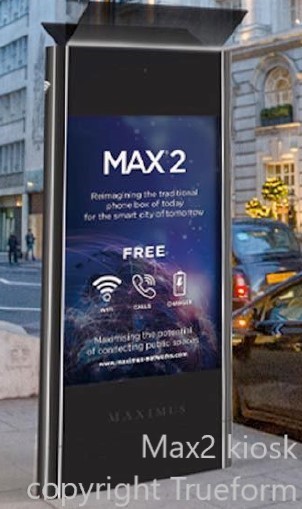 Some good news. Over the last few years, Wandsworth has seen a big
  We’ve
We’ve 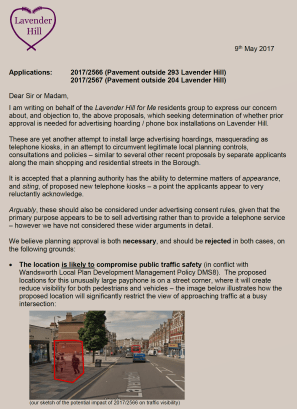 To roughly summarise the inspector’s judgement, they concluded that these mega-payphones would clearly have a “dual purpose” – being a payphone but also deliberately providing a disproportionately large advertising hoarding, that did not seem to be necessary for the payphone’s day to day operation. And because

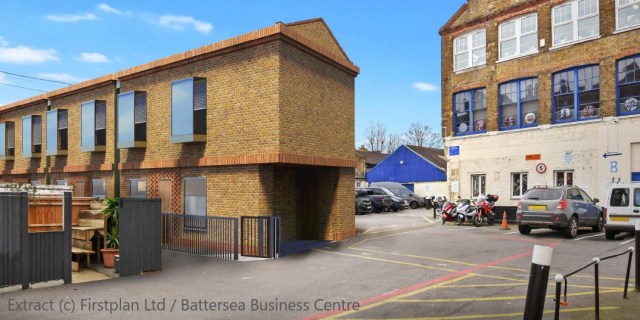 Plans have been developed for an 11-room ‘apart hotel’, on part of the Battersea Business Centre. An

 This will entail some minor changes to the IdeaSpace, as well as the replacement of an old and tired warehouse building that’s currently within Battersea Business Centre (pictured below – it’s unlikely that anyone will really mourn its loss).
 These units are designed for short-to-medium term stay, and would be run as part of the existing serviced office facility, sharing a reception / concierge service, and with a priority working area within IdeaSpace for those resident in the apartments.
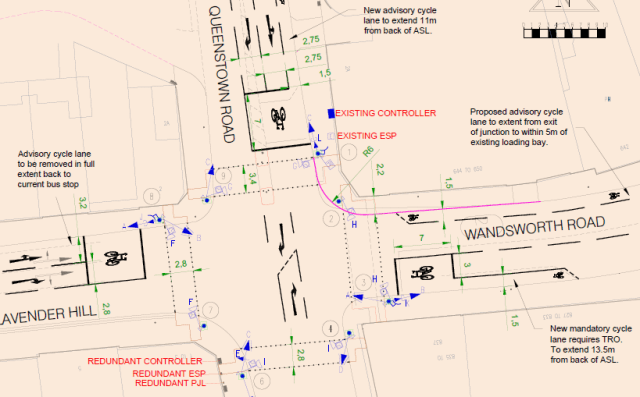 Following 17 accidents at the junction in three years (nine cycles, five pedestrians and two motorbikes collided with cars!), Lambeth are spending £88,000 on
  And for drivers, the Queenstown Road approach will be reorganised to have two clear traffic lanes (one just for turning right) as well as a separate cycle lane – rather than the current rather awkward one-and-three-quarters-lanes arrangement. Notices currently attached to lamp posts near the junction explain that Lambeth are making a legal Order to formally ban cars from parking or waiting in the new cycle areas.




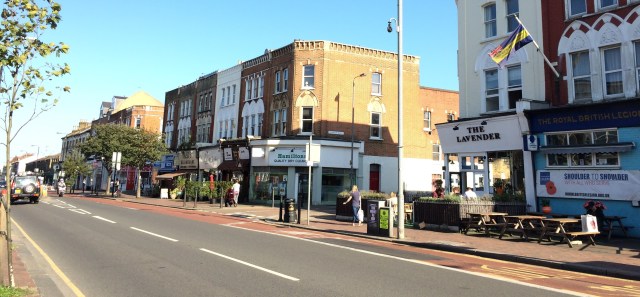 One of the bills (planned new laws) announced in the Queen’s Speech today was a plan to give a 50% discount on business rates for all independent shops, pubs restaurants and cafes in England with a ‘rateable value‘ below £51,000. Business rates are essentially Council Tax for local companies; and there have been calls for this to happen for years – as there’s an obvious unfairness in the amount of tax paid by high street shops, compared to online businesses.
 This proposal is not an entirely new thing. For the last two years, those with a rateable value under £51,000 have been offered a one-third discount on their rates by Wandsworth, thanks to funding from central government. What the new law proposes is to make this ‘temporary’ discount both bigger and potentially permanent. This won’t be a miracle answer but there’s no doubt that it should help our local businesses stay in business.
