
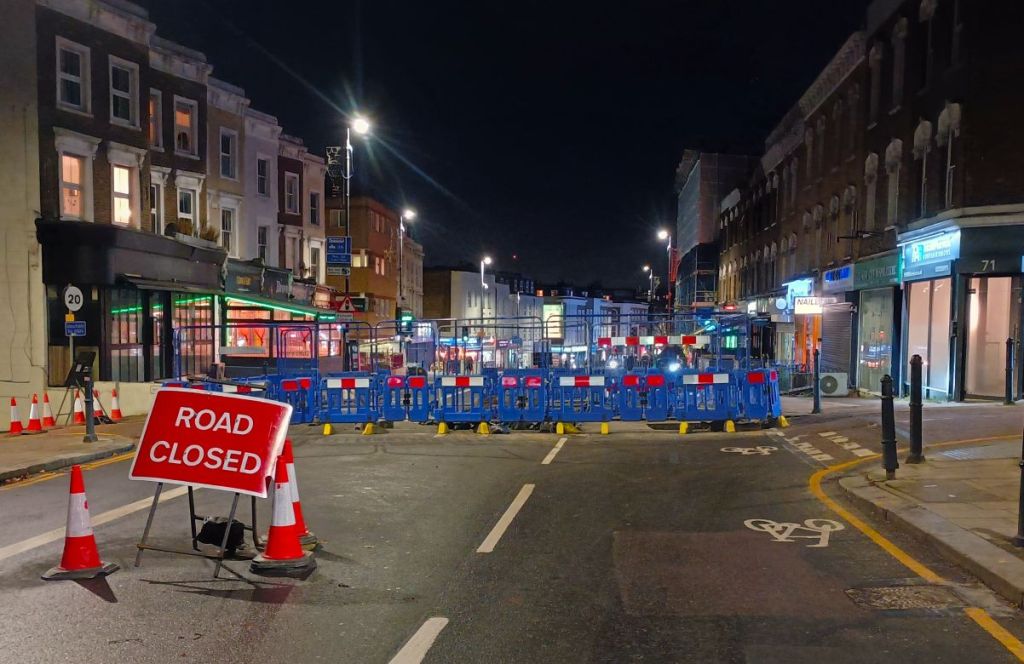
Thames Water’s leak-fixing excavations have been a familiar local sight for years – but they’re becoming a much more regular thing in and around Lavender Hill. Every few weeks there’s another burst pipe somewhere along the street – to the point where it’s becoming clear there’s a fundamental problem with this water main. Not long before Christmas the street was dug up three times in a month in the same place in front of Lane Eight Coffee, seemingly because every time the pipe was patched up it weakened the next bit which then also broke.
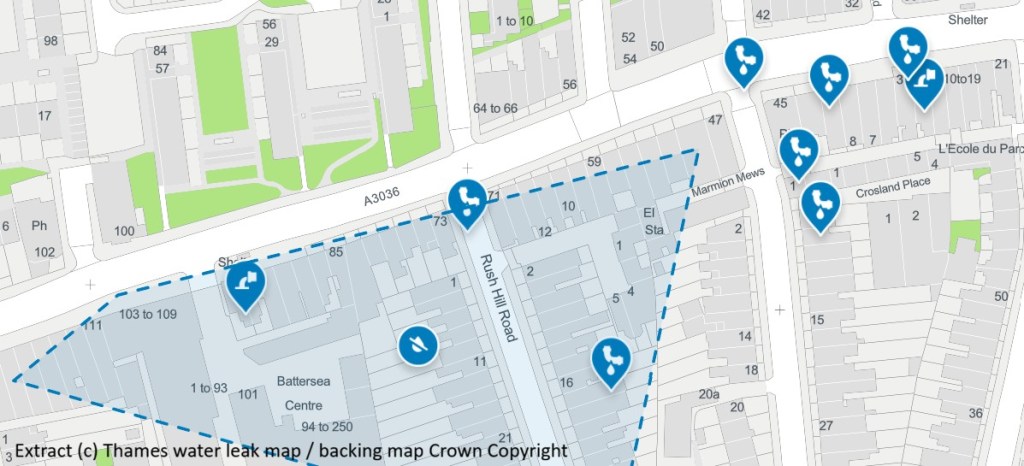
Then one of the biggest leaks to date saw the pipe snap in two at the junction of Lavender Hill and Rush Hill Road. It almost immediately caused two motorcycle crashes as the flowing water froze most of the sloping bit of the street on one of the coldest nights of the year, and fed a small reservoir’s worth of water in to Tyneham Close’s gardens. The road ended up closed for most of a week because of concerns of subsidence, given how much soil and sand had been washed out from underneath it, with buses sent on a 25-minute diversion via everywhere.
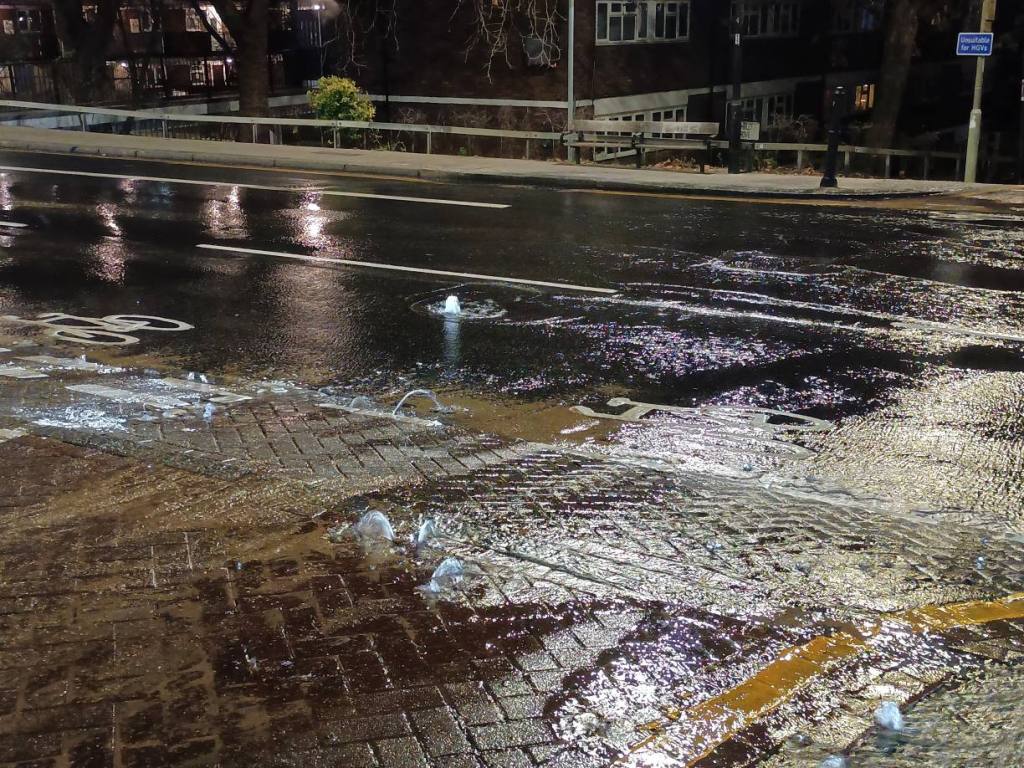
That leak saw high pressure water emerging in lots of little fountains over a wide area that got bigger and bigger over the first day (even, slightly intriguingly, with some fountains as far away as in front of the Co-op supermarket a good forty feet away). All quite pretty, in a way, like a cut-price 1980s municipal water feature – but also bundled with the implication that the water from the burst main was pressing similarly hard against the walls and floors of the adjacent lower ground floor and basement flats; it’s lucky that none of them ended up full to the ceiling.
By now we all know the routine with these leaks: the local WhatsApp groups light up with ‘is it just us or is the water pressure really low’, a few people report it to Thames Water on their (to be fair, fairly good) website and phone line, they say they’ll go and investigate but it takes them days and days to do so, when they do turn up they spray some blue paint on a couple of drains then vanish without trace, the nearest bus stops get closed to make way for the works but no one bothers to put a sign on the stop saying so, barriers and temporary traffic lights turn up and lots of people try to cut through along tiny side streets which are suddenly full of idiots yelling at each other to get out of the way, somewhere or other the water starts pooling and maybe a few ducks and waterfowl take up residence, then at a seemingly random time in the day or night a huge crew with lots of vans rocks up and – with a lot of sawing and digging – tapes up the leak. A hole then sits there for a week gathering all the litter in the neighbourhood until a separate team come and fill the hole, and yet another team repave it.
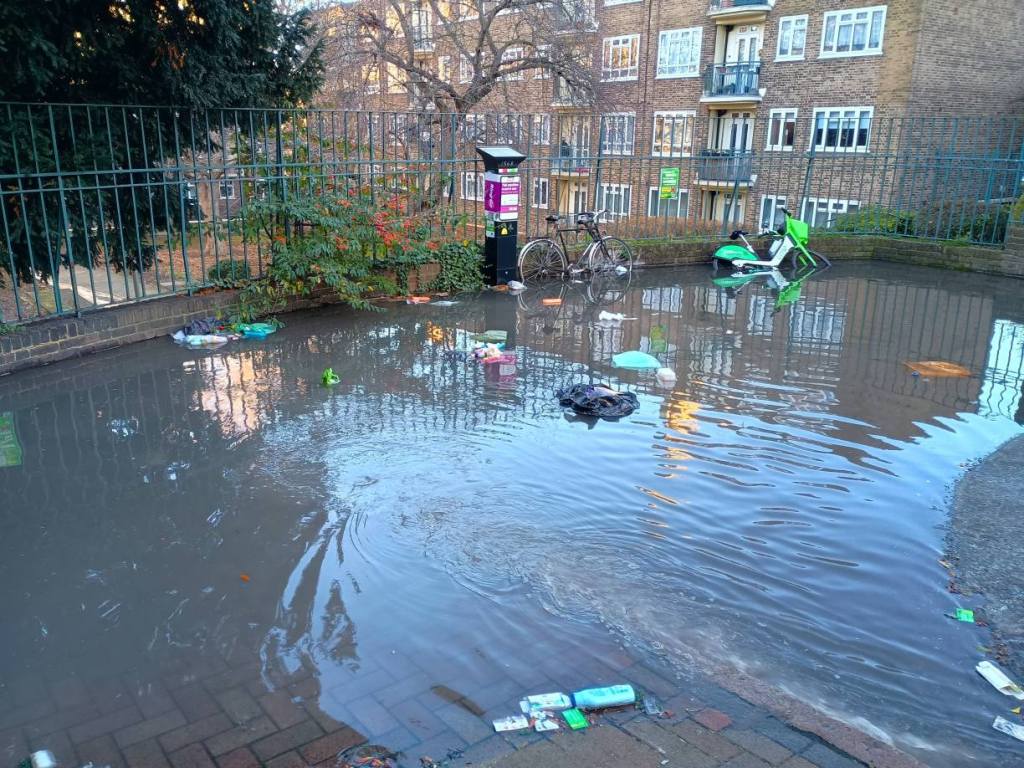
It works – things do, eventually, get fixed. Though if you have a smaller and less dramatic leak, you’d better not be in a hurry as the repair times are stretching from a few weeks, to many months. The oldest ‘live’ leak in Thames Water’s database on Lavender Hill was apparently first reported on 7th March 2025 and is still waiting to be investigated, despite Thames Water noting on that report that Our technicians aim to be there within the next 24 hours (It may be longer if we’re really busy. In the name of journalistic research we’ve just been to have a look – and can confirm it’s still leaking.
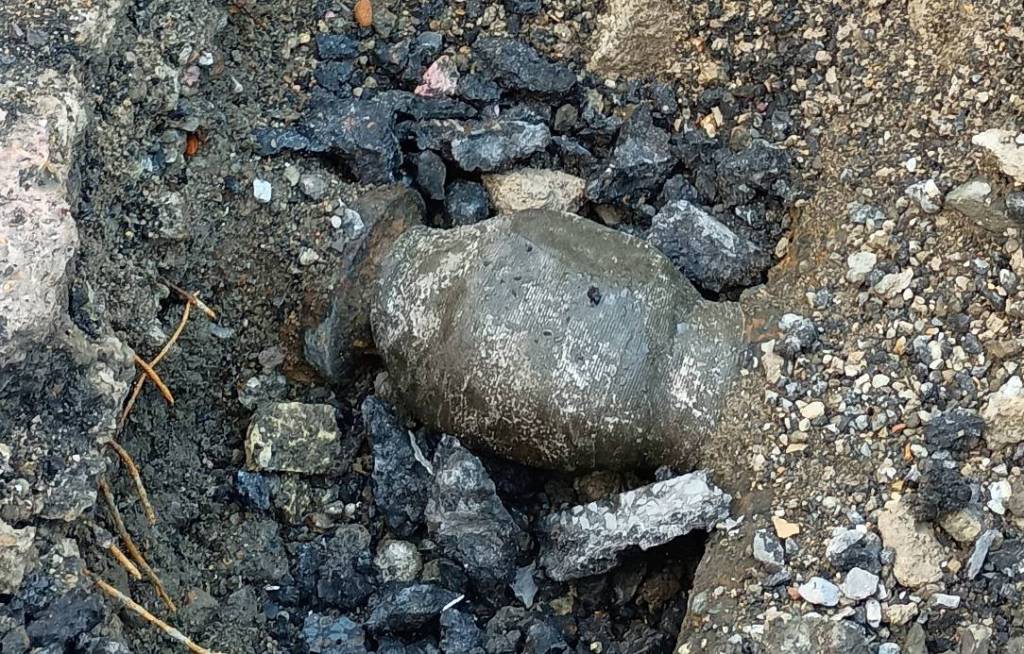
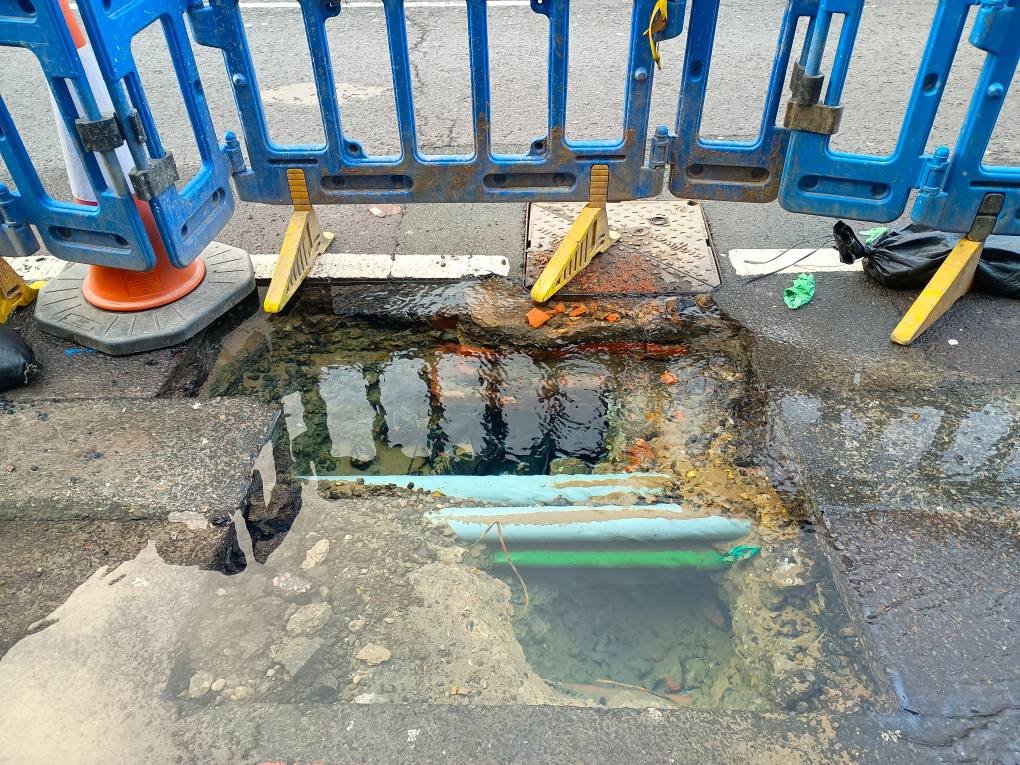
Here’s the pipe that caused all the trouble at Rush Hill Road, after it was patched up. It doesn’t look like much – it’s by no means the biggest water main out there, and if you’re thinking that it looks as though it has been fixed with a load of duck tape, you’re not too far off; it’s Denso Tape – which is a fairly quick and effective way of dealing with leaks, but maybe not an especially long term one for a water main in this condition.
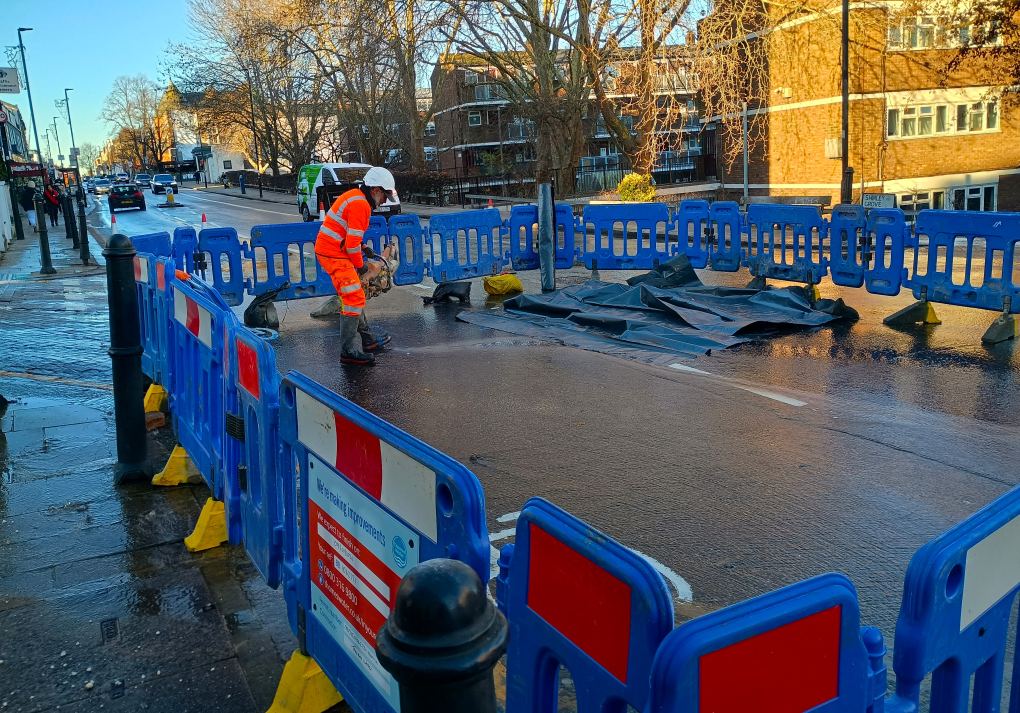
The trouble is – there’s only so far you can get with a team more or constantly in the process of patching up leaks somewhere along the street. Because it’s increasingly clear that this particular water main is entirely ‘life expired’ – it’s worn out – which is maybe not surprising given that more than half of Thames Water’s water mains in London are over 100 years old, with around a third exceeding 150 years – these are Victorian antiques!
These leaks aren’t the result of occasional disturbance, they’re just the pipe itself being too old and corroded to handle the pressure. When bits get dug out in the leaks, they seem to be made up of a mix of rust and embedded rubble, with just enough ‘pipe’ left to hold it all together. If Thames Water wasn’t a financial basketcase, this would all have been replaced years ago. This water main continues along Wandsworth Road, where it was in a similarly rubbish condition – until it was completely replaced about ten years ago. The replacement took months and caused huge traffic delays – but Wandsworth Road has been largely leak-free ever since.
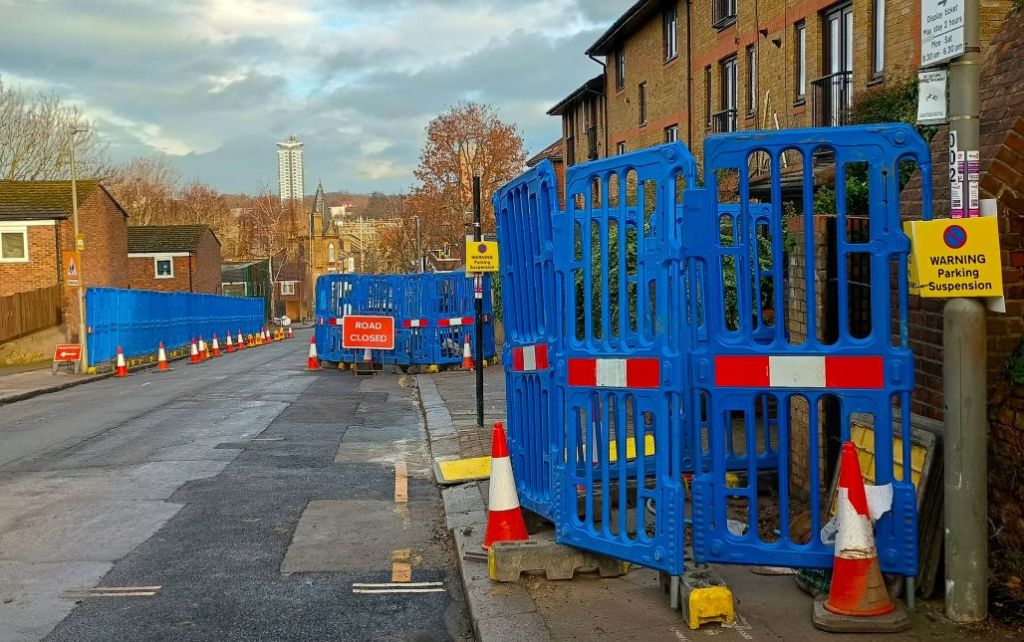
Thames Water can’t afford that sort of large-scale replacement any more. There is a much smaller bit of planned mains-replacement underway, on Acanthus Road about half way along Lavender Hill, which has partially closed the street for 5 weeks. It seems to be a new pipe being installed in parallel to an old one running down the street, and it’s part of a wider project to swap out just under three kilometres of the very worst pipes in the Clapham and Battersea area. There’s also a six year programme of replacements planned between this week, and 2031 in north Vauxhall and east Brixton – again targeting some of the most problematic bits of the old cast iron pipe network, as well as several very leaky housing estates.
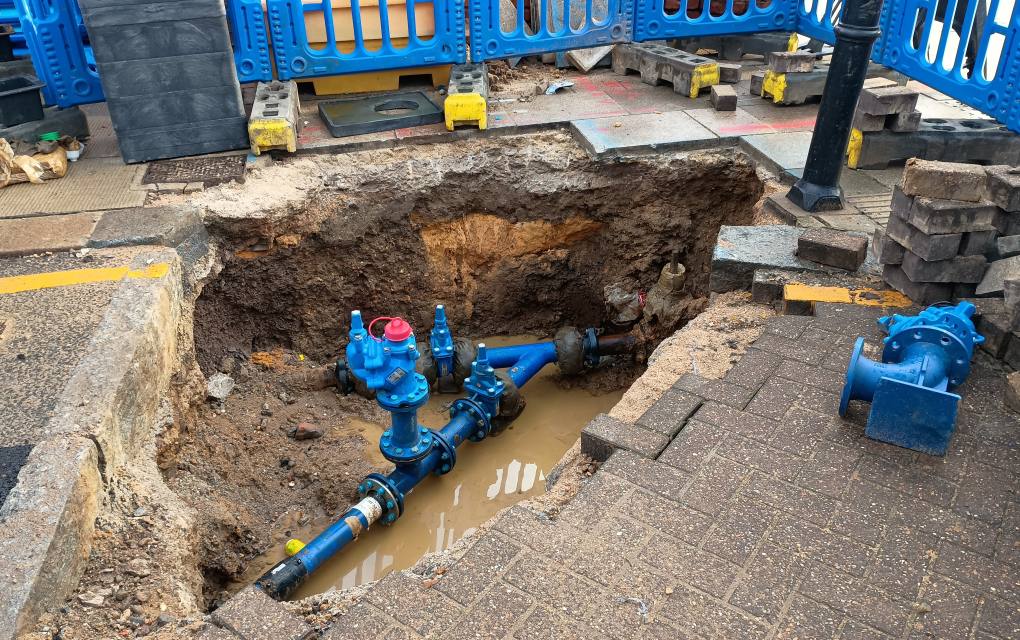
But fixes like these are a drop in the ocean: at the current rate of replacement and renewal, it has been estimated that it would take 2,000 years for all Thames Water’s water and sewage pipes to be replaced – the second slowest ‘replacement rate’ of any of England’s water companies (only Severn Trent water is more lackadaisical). The last major investment in local water supply was probably the London Ring Main, which opened in the early 1990s – which takes water from reservoirs on the outskirts of London and feeds it – via some deep and modern tunnels – in to the local pipe network at a pumping station just east of Battersea power station, with another near Brixton prison. The ring main was a clever project, as – by feeding water in at many places around London – it took some of the pressure off other older water mains and let them become more ‘local’ bits of the network, running at lower pressure, but since then everything has been left to decay. Realistically we’re probably stuck with our not-very-solid local water main for the foreseeable future.
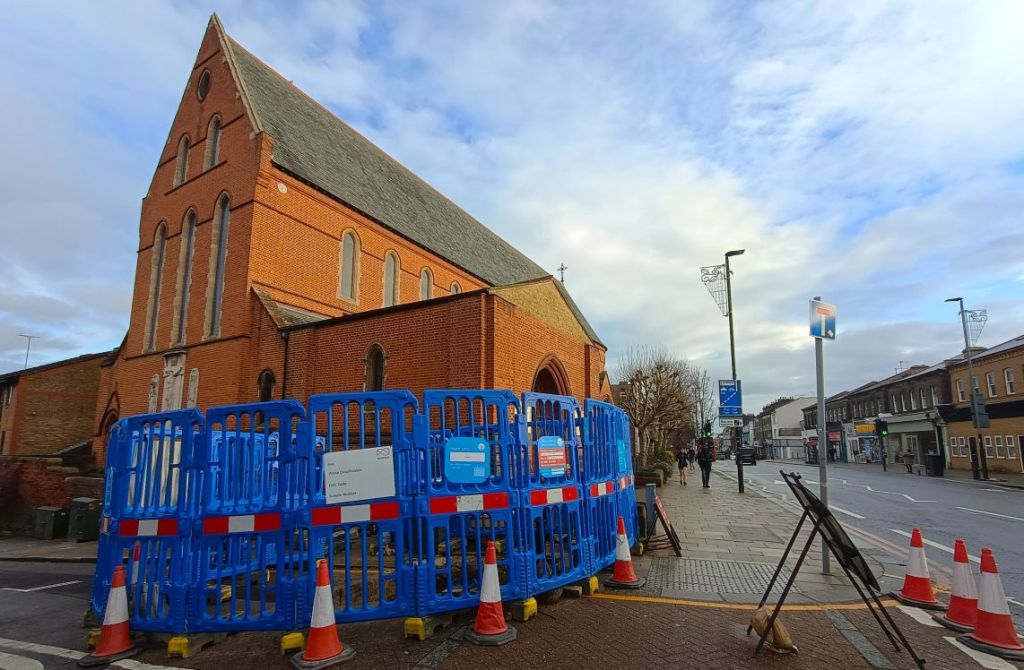
And the trouble is that as the leaks get larger and more frequent, they’re causing more and more floods, transport diversions and traffic delays – and posing an increasing threat to homes and businesses. Fortunately we’ve not had anything on the scale of the leak in Shepherds Bush a few days ago, the sinkhole that appeared in Clapham last year, or the regular explosions of the major main running under the A3 in Wandsworth town centre – where the repair process was such a shambles that Council leader Simon Hogg wrote a clearly very frustrated public letter to Thames Water – let alone the devastation of the 2013 Herne Hill burst (which saw Thames Water criticised for hiding behind their legal teams and failing to cover the costs of the damage their dubiously maintained pipes caused).
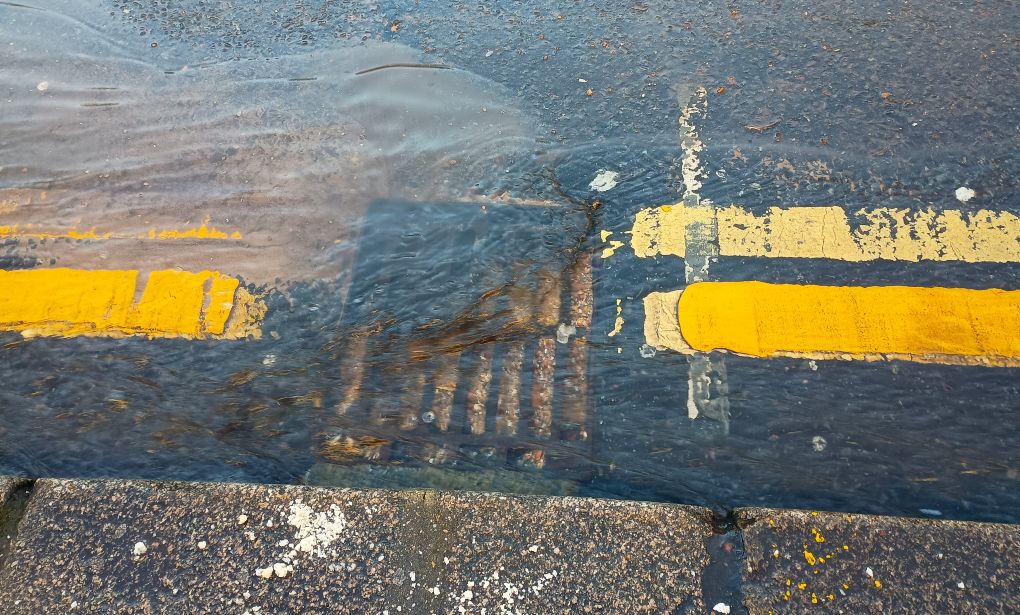
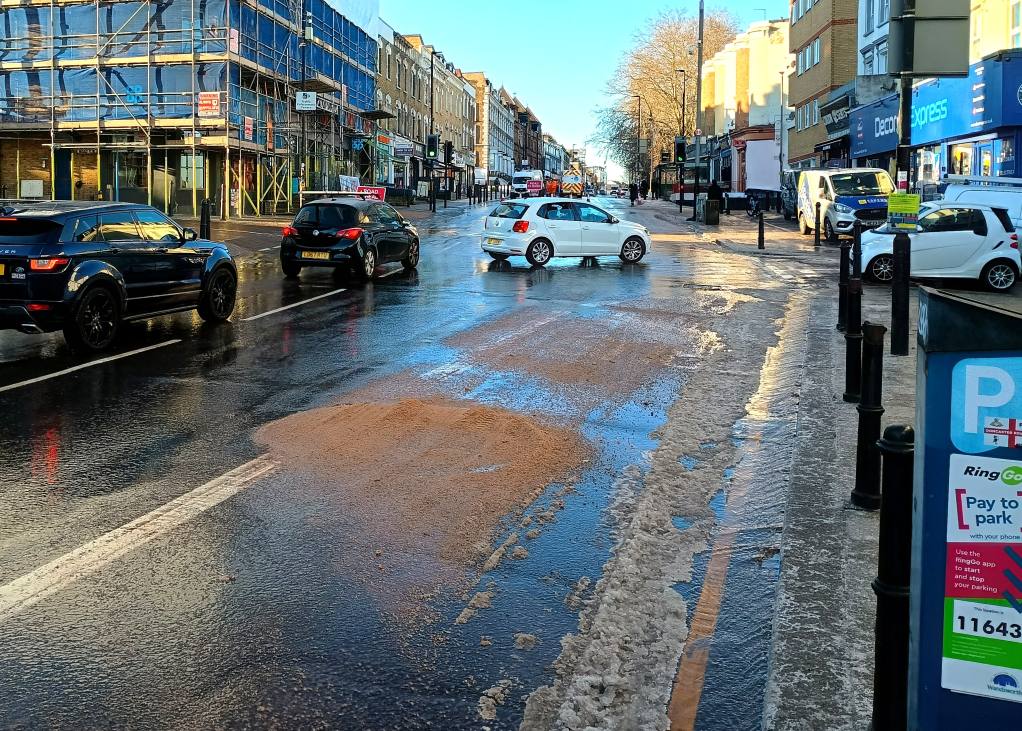
A week and a half after the diversions and closures at the eastern end of Lavender Hill were lifted, a new set of temporary traffic lights and Thames Water lane closures are back for another leak at the western end by the library. And a new and growing leak has also appeared at the eastern end by the Co-op, which has created a small lake towards the junction with Queenstown Road. There are also a few on the Queenstown Road, and it’s only a matter of time until there’s another on the Shaftesbury Estate. And it goes on… Many of the drains along Lavender Hill still aren’t working from the previous mains burst – because as our photo above shows, the sheer amount of sand and grit that gets washed out from under the road and pavements when there’s a larger leak tends to quickly block them.
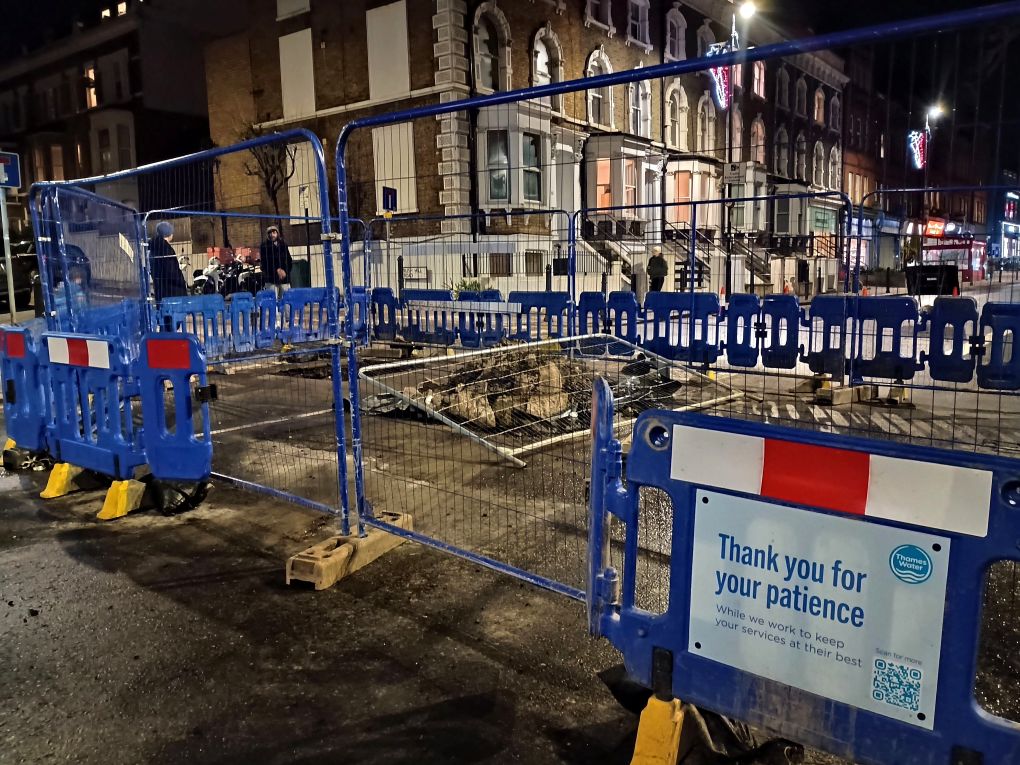
It’s costing Wandsworth money too. The Rush Hill leak is a case in point: Thames Water loosely filled the hole where they patched up the pipe, and ignored all the rest of the damage their pipes had caused. The streetscape upgrade that, back in 2018, saw the whole street repaved with good quality new paving materials, and raised pedestrian crossings added along almost all the side roads, has ended up being left in a proper mess.
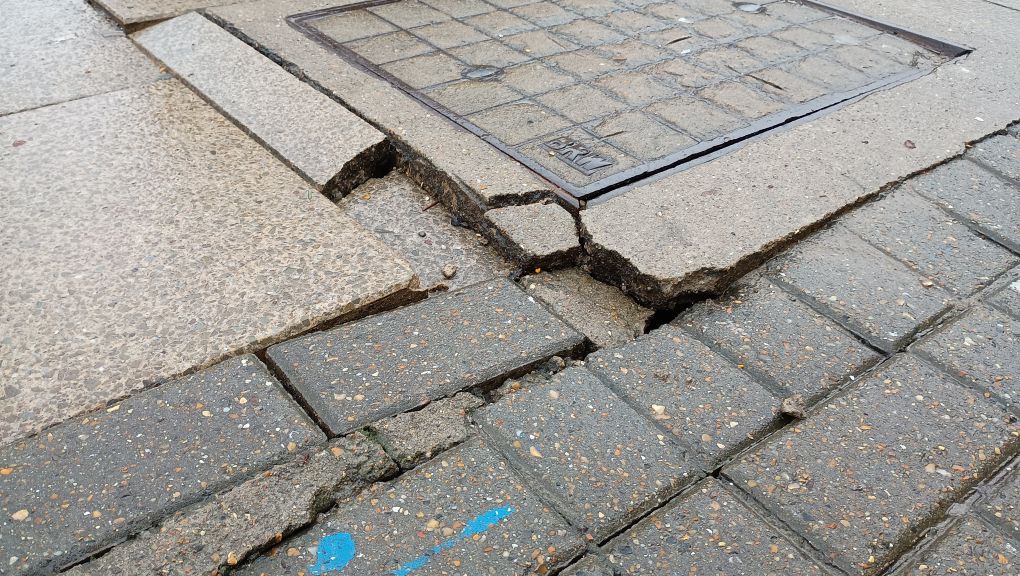
Lots of sand and earth from under the paving was washed out by the huge water flow – and as a result the paving slabs have subsided, some bricks have been completely washed out and vanished, the footway is all wobbly with gaps. The damage to the carefully installed and far-from-cheap streetscape works is frustrating, as it now needs a long process to get someone to repair it, and it’ll ultimately end up being funded by the Council Tax payers of Wandsworth rather than by Thames Water. And the new trip hazards in the paving will, when someone sprains their ankle on the irregular surface, probably also end up as a liability for Wandsworth rather than Thames Water.
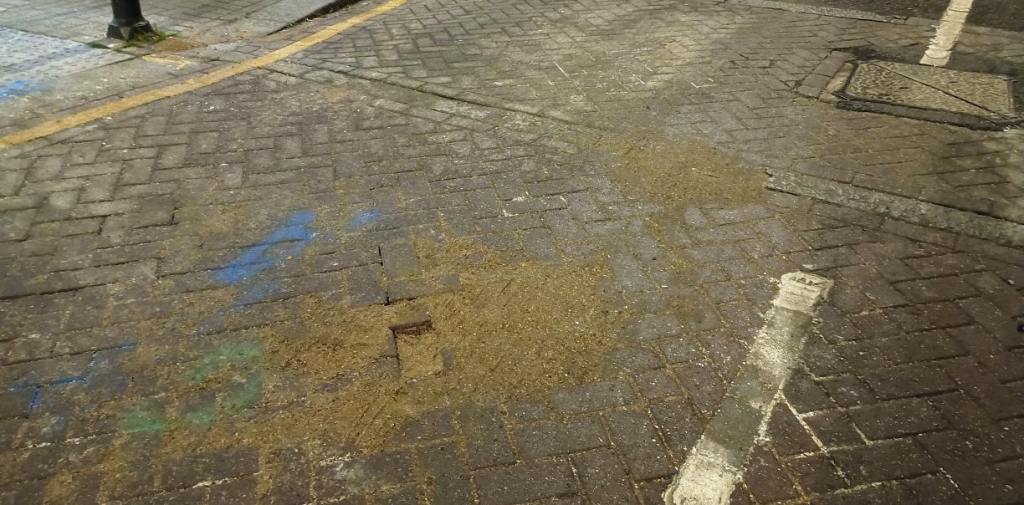
It’s not just leaks that are causing problems. We receive reports of repeated and persistent water pressure issues in some areas of the Shaftesbury estate, we know from direct experience that many of the under-street valves that allow Thames Water to shut off bits of the supply if there are large leaks seem to have seized up and not be fully functional, and don’t even get us started on the localised issues of bent and subsiding manhole covers – the ones that crash and bang at night when things drive over them, much to the frustration of residents near them. Getting those fixed used to be a fairly minor issue of reporting a fault and waiting a few weeks, but now to get Thames Water to act means getting local Councillors on the case, reporting things again and again, and probably still seeing nothing done because sustained noise disturbance doesn’t cut it any more when you have Niagara falls erupting in three other places in the Borough. We’ve heard of residents in some areas taking matters in their own hands and removing and hiding damaged drain covers to force Thames Water in to action (we’d stress – do not do this!). It’s telling that Wandsworth themselves ended up stepping in on a few of the worst cases in the Lavender Hill area under their ‘Seven rings, and in seven days‘ guarantee for repairing the most dangerous street defects – as while these posed only limited danger, they were clearly getting a lot of resident concern.
To be clear: this isn’t a criticism of the Thames Water teams out at all hours making the repairs. In our experience they’ve been committed to doing what they can, and generally making the best of a bad situation. It’s not easy working for a company as widely unpopular as Thames Water, where nothing ever goes right – and where you also have the ever present uncertainty on whether it will still be trading in the coming days or weeks. Thames Water’s back office are also pretty on the case, even though they are clearly heavily overloaded with problems.
No, the problems here run much deeper, and are closer to the top of the organisation. It’s widely known that the company has been raided for cash for years, with the bare minimum spent maintaining and upgrading its infrastructure – it’s already over sixteen billion pounds in debt, it’s only just got enough water to supply the growing city (even if it deals with the leaks) thanks to a similar underinvestment in reservoirs, and the backlog of infrastructure needing repair or – like our water main – outright replacement probably runs to the tens of billions. It’s probably going to get worse before it gets better, and need a lot of money spending along the way. Thames Water looks likely to collapse, sooner or later – at which point some of those who invested in or lent to it may lose out, and the debt mountain may reduce a little. But we’re still stuck with a system that’s falling to pieces, and a need to spend vast sums, and see years and years of large scale repair and replacement work, to get back to having a basically functional water network.
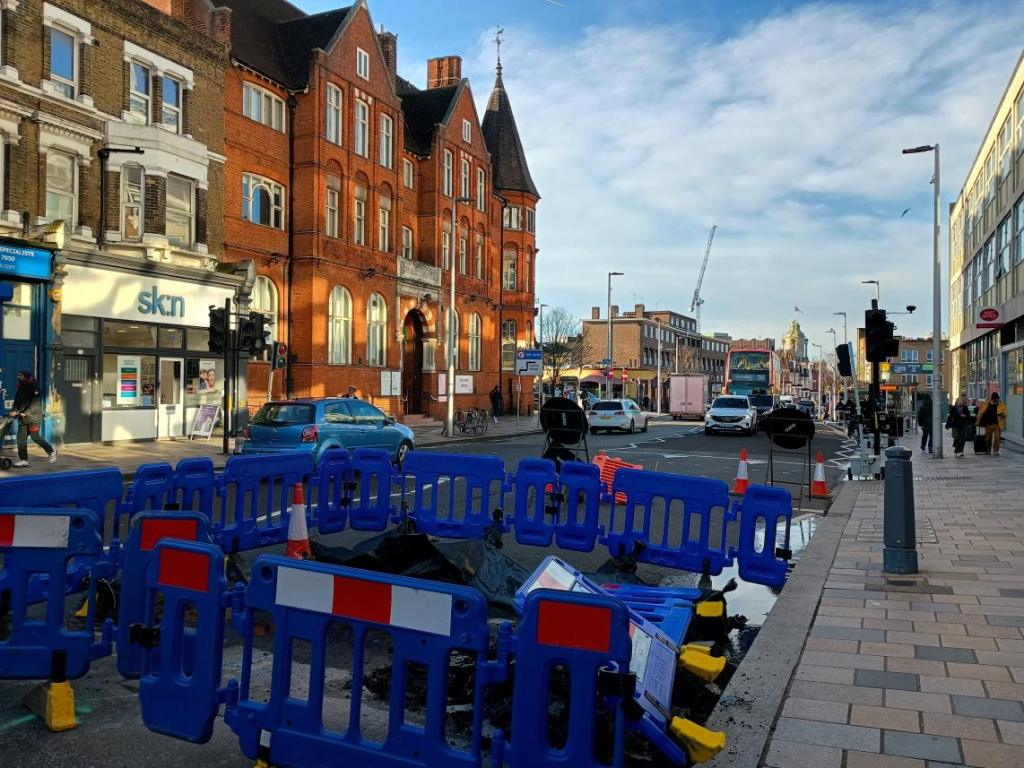
We like to end articles on a positive note, but that’s been a bit hard to do in this story. Maybe for Lavender Hill the saving grace of this tale of failed water companies, creaking Victorian water mains and surprise inundations is in the name. Because when we get a burst main, more often than not it’s at the top of what is – mostly – a hill, which creates temporary rivers that disperse the flow over quite a wide area rather than creating the much-more-damaging deep localised floods (which is what did for low-lying Herne Hill a few years ago). It’s a racing certainty that we’ll see many more leaks, and one day when London’s water supply finally gets back on track we’ll probably also see some huge project to install a new water main – but in the meantime, frustrating as the endless leaks are, at least it’s relatively unlikely that anyone’s house or shop will end up underwater.
Lavender-hill.uk is a community site covering retail, planning and development and local business issues, and sometimes on transport and the environment – centered on the Lavender Hill area in Battersea. We don’t tend to cover water infrastructure, unless it’s got to the stage where the issues are hard to ignore! We do sometimes post more detailed articles on local history, which are among our favourite posts, and maybe the water mains belong in that category. If you found this interesting feel free to sign up to receive new posts by email (for free, unsubscribe anytime). If you do spot a leak, it’s good to get on the case quickly as they tend to get bigger – Thames water’s reporting tool is here (and usually works, but at the time of writing even it is broken!) but for leaks that are traffic hazards or risk flooding property, it’s better to call them on 0800 316 9800.
 Lavender-Hill.uk : Supporting Lavender Hill
Just wanted to say thank you – I love your blog! Never miss an update, love the breathing topics and how you cover them. Thank you
LikeLike
Pingback: Clapham Junction’s Rough Sleepers Hub opens for business | Lavender-Hill.uk : Supporting Lavender Hill