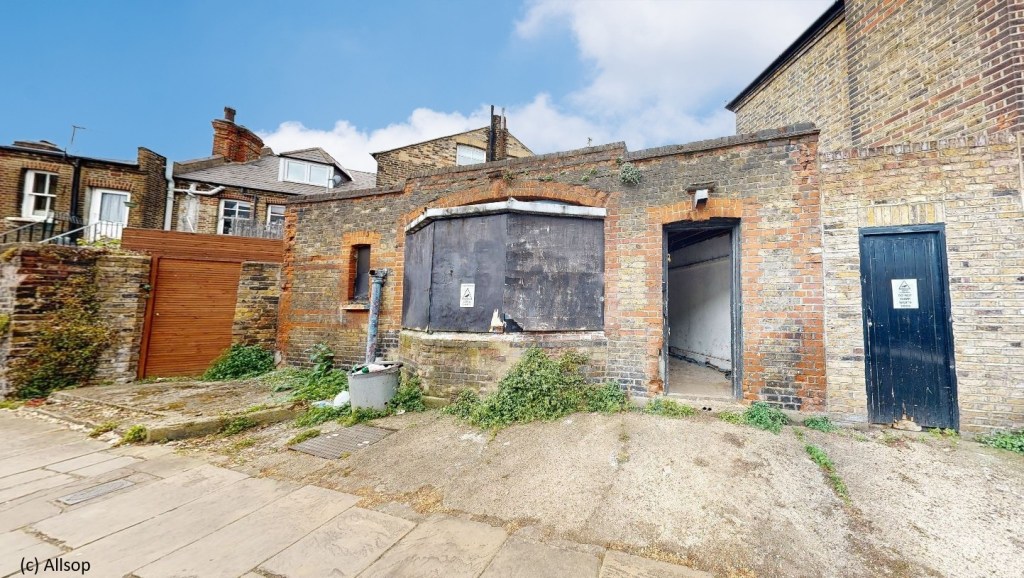
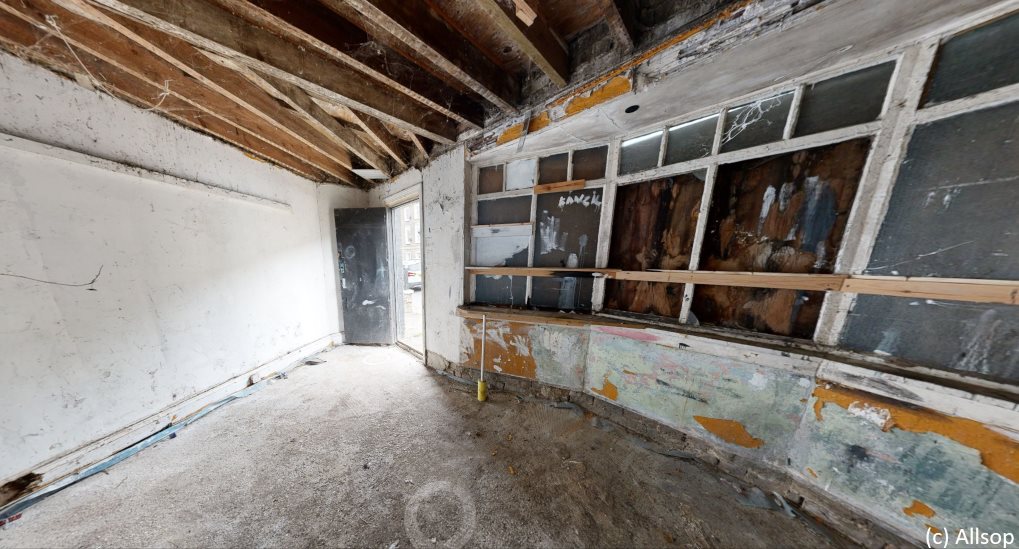
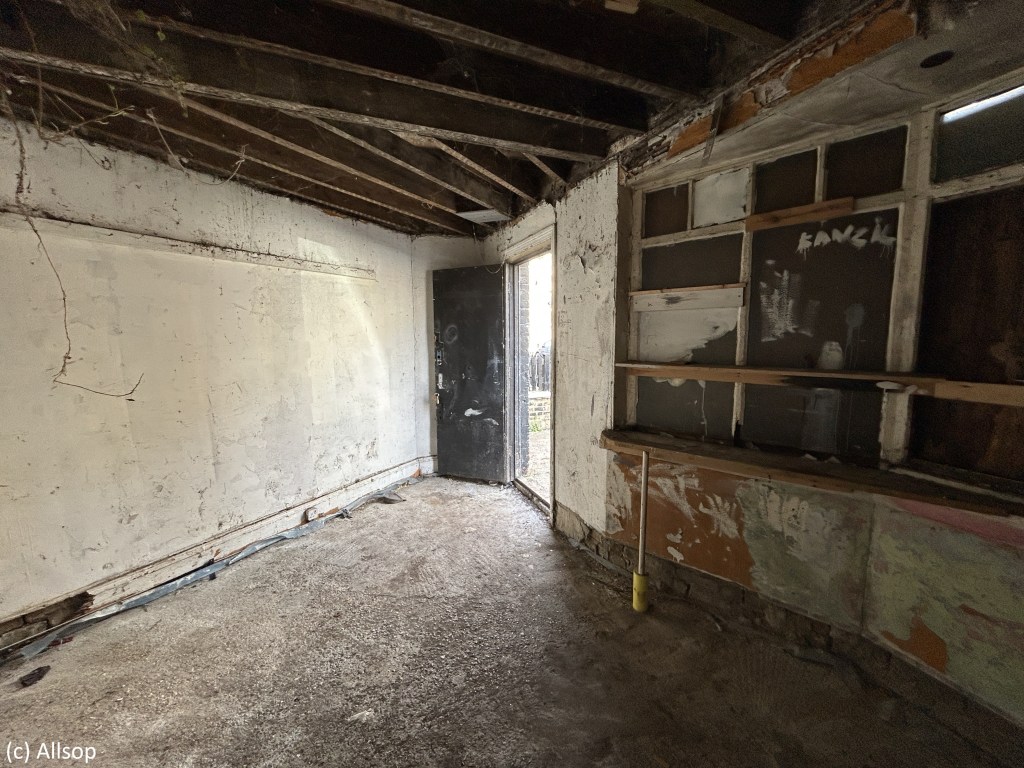
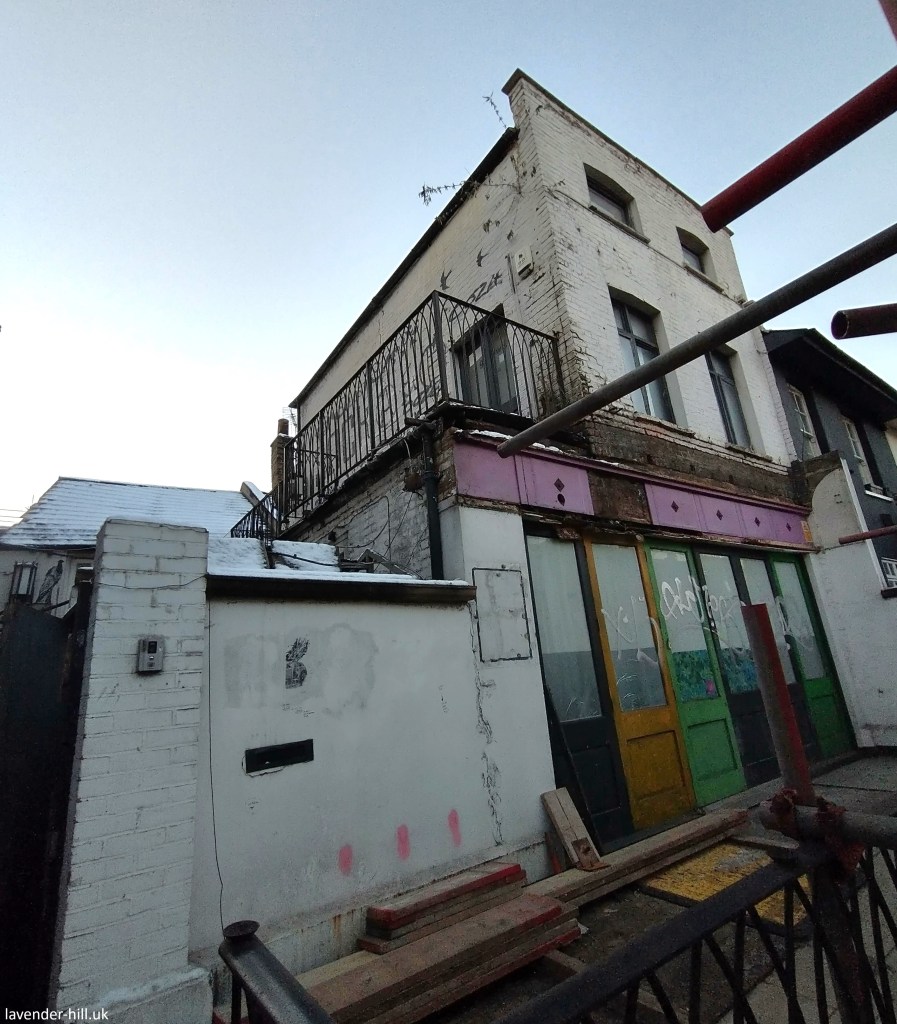
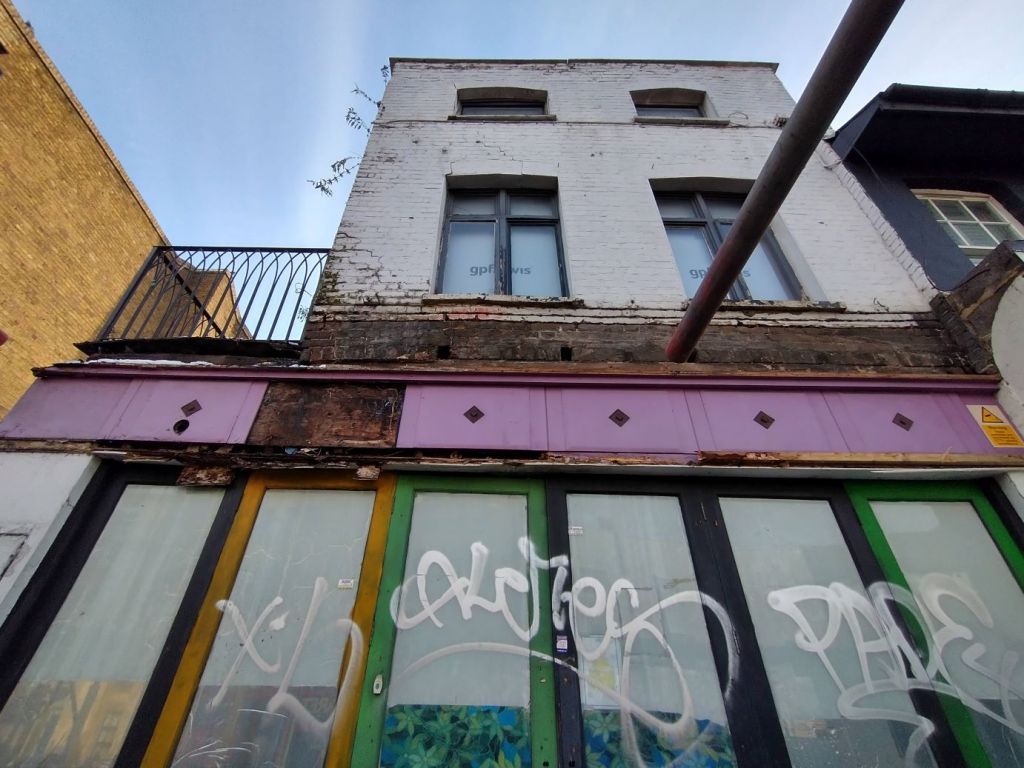
We don’t see many houses like this. A long-abandoned shop at 67 Broughton Street is up for auction on the 25th / 26th June, with Allsop auctioneers. We’re not sure when it was last in active use (any insights welcome) – but we do know it’s been boarded up for at least the last couple of decades.
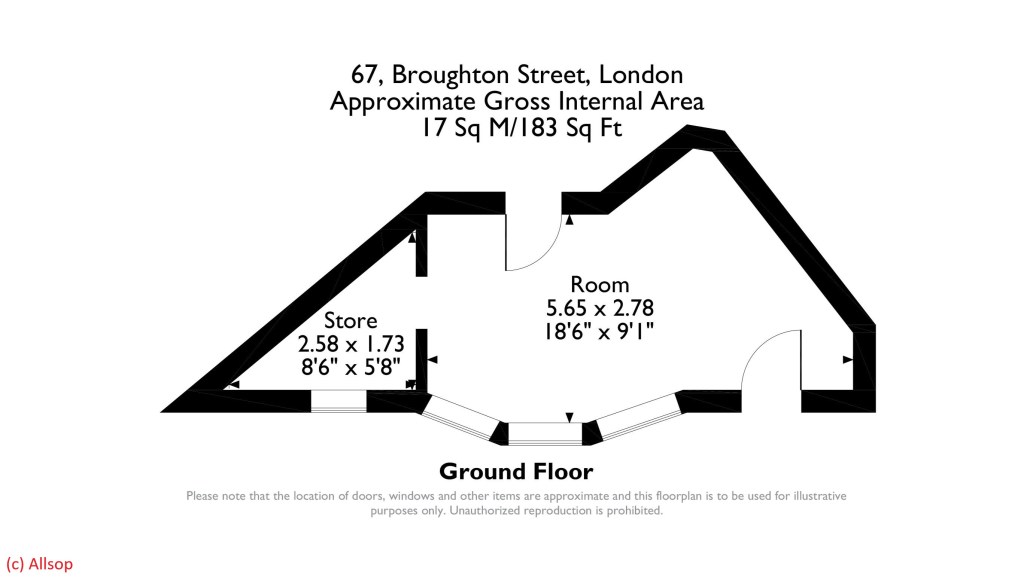
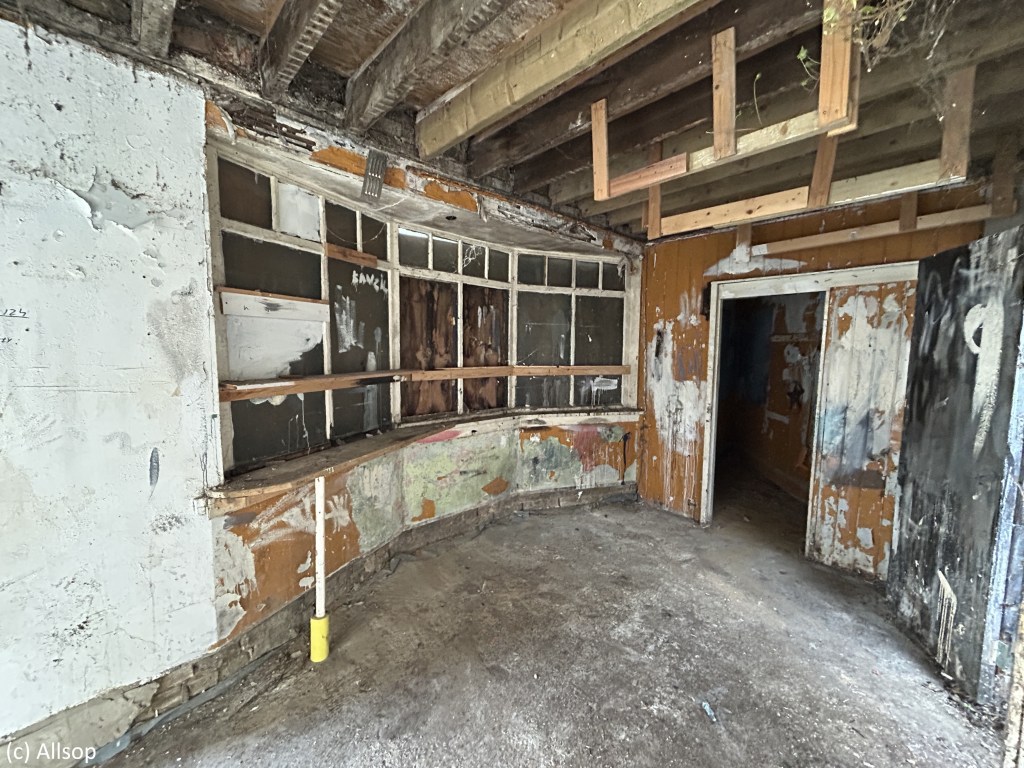
It’s a vaguely triangular shape, at about 17 square metres (183 square feet), and is suggested as having possible potential for redevelopment (subject to obtaining all necessary consents).
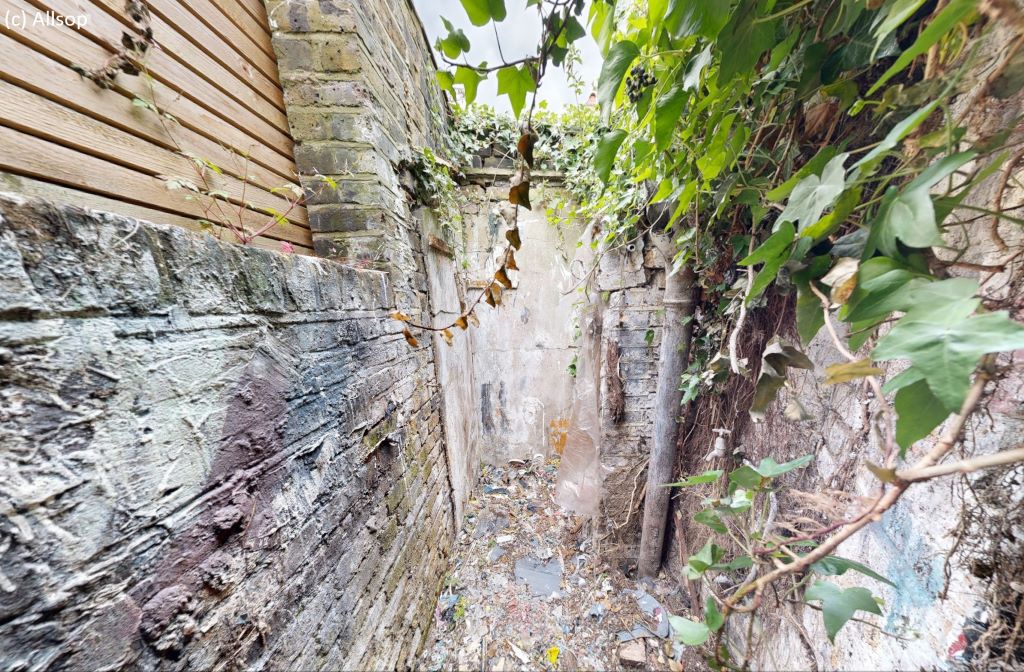
There’s an open paved area at the front that seems to be part of the property which (with a convincing planning case) could maybe be partly developed as an extension of the property. Intriguingly there is also a very small outdoor yard area at the back, accessible through a door at the back of the main room. In an alcove at the back of the yard the walls are rendered in the shape of a small lean-to building, whose dimensions suggest it was an old-fashioned pit toilet.
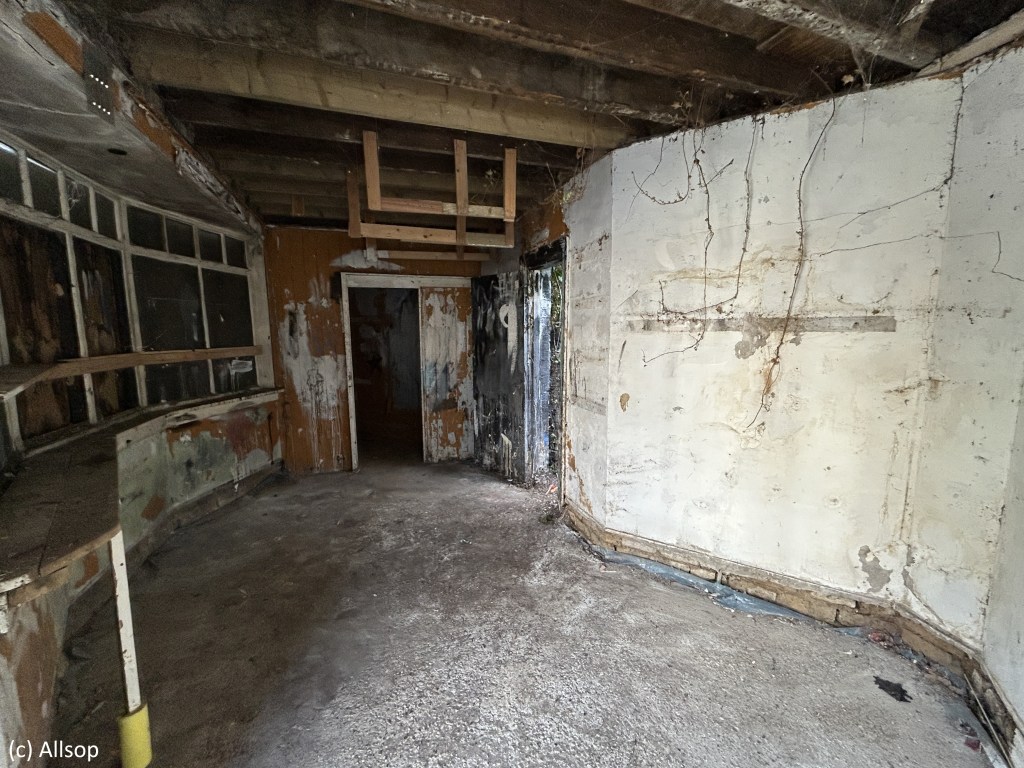
There’s no currently operating electrical system – however it clearly has been connected to the network at some stage, as an old switch is visible in one room, and there’s a socket on the skirting board in another. There’s also a pipe and a tap in the back garden area, suggesting it does have some form of water connection, as well as a drain in the front yard that would provide for future sewerage – in other words, several of the utility connections that would otherwise take time and money to sort out are likely to be in place.
It’s not exactly in mint condition! This rather unloved building definitely needs a bit of TLC. But the £45,000 guide price is a bargain for a freehold property in this area, within a few minutes of a Zone 1 tube station – and we could see it being developed downwards (to create more space) or converted to a small house or office. As ever with auctions like this, you’ll need to have cash, and have your wits about you, as this is very much not a mortgageable ready-to-move-in-to property.
There are several of these small triangular buildings in and around the Queenstown Diamond, which seem to have been built as small shops, fitted in to the gaps at the end of the terraces that were created by the awkward rad angles. One is just few doors down the road a 70 Broughton Street – which has the same triangular shape, but which also had a small basement that seems to have been there from the start – was converted to a small one-bedroom house in the early 2000s.
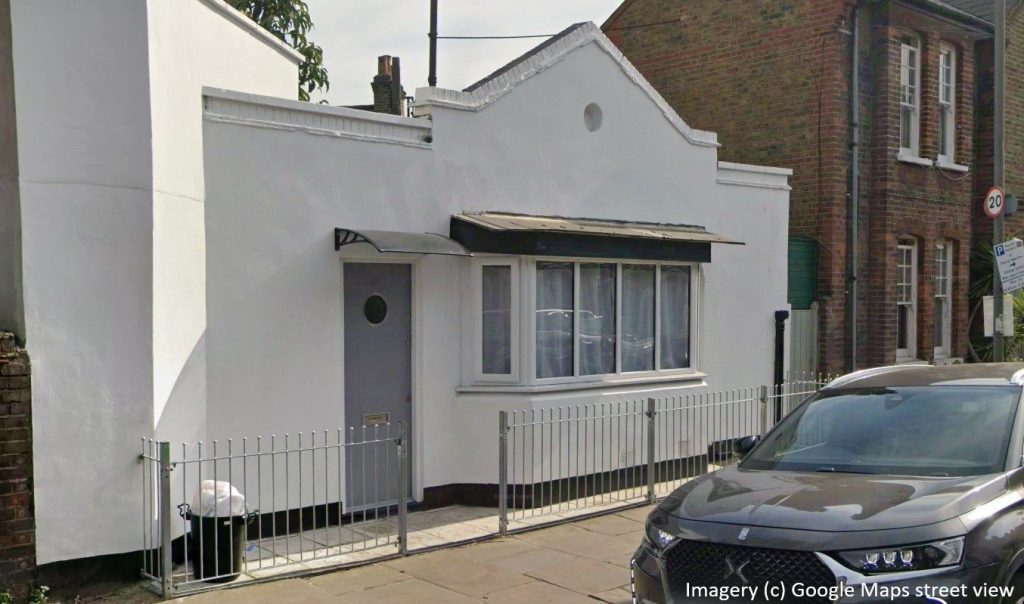
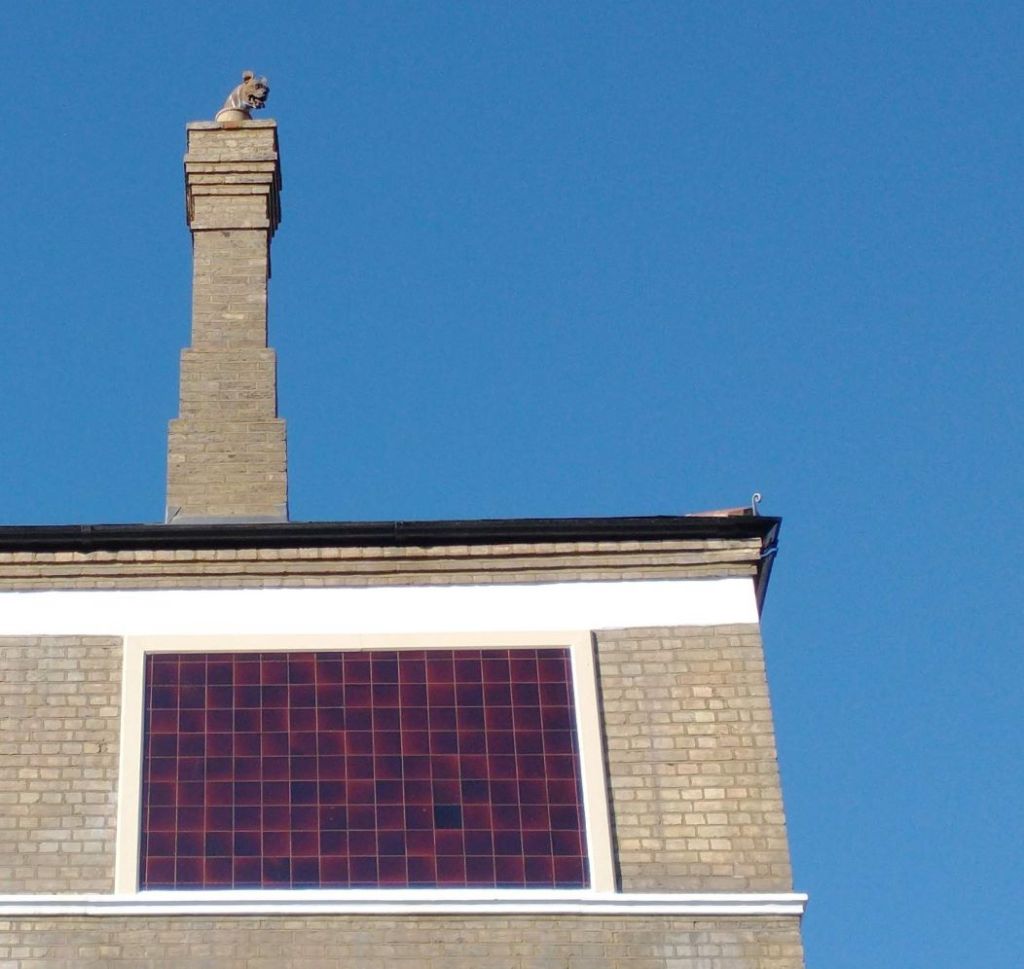
Another one at 62 Broughton Street – with just one storey, but in this case without the tiny back garden – was converted to an architects’ studio at about the same time. This one (pictured above) was recently refused planning permission for conversion to a house. Not because it wasn’t suitable (after all, another one just along the road has bene converted!), but because the Council planners weren’t convinced by the argument that it has been used as a house for the last four years and hence gained a default ability to be converted without going through normal change of use processes.
It’ll be interesting to see how things go for this small building that’s full of potential. If this looks like the project for you, you’ll want to see Allsop’s website for full details of Lot 42, going up for auction on the 25th/26th June – they also have a good virtual tour of the building, and they are hosting open viewing sessions on the 16th, 19th and 23rd.
Lavender-hill.uk is mainly focussed on the Lavender Hill area of Clapham Junction. If you found this of interest, you may want to see our report on a similar ‘vintage’ property on Clapham Common nortiside, which has since found a new owner and is well on the way to being a fantastic house, as well as our wider articles on local environment, planning and housing issues. Some of our favourite articles are on local history, and if you live near this site you may also find our photo story on the Shaftesbury Estate of interest. To receive new posts by e-mail (for free), sign up here.
Twelve years ago, after several years of a local campaign, and a public consultation, Lambeth Council proposed some tight new licensing requirements for the cluster of three bars & clubs at the junction of Wandsworth Road and North Street (the Artesian Well, Lost Society and Mist on Rocks – as well as off license Vesco News). These had together formed a busy late night venue for Clapham despite their somewhat remote location – loved by many for their lively atmosphere and distinctly hedonistic reputation, but resented by others for late-night disturbances around the venues.
It got a lot of local attention at the time, with strongly held views on both sides. Videos of late night goings-on were shared widely (an example below), and relations between some residents and the venues became quite acrimonious. Slightly surprisingly, after a four-day hearing in March 2014, Lambeth didn’t actually implement the proposed Early Morning Alcohol Restriction Order – which would have essentially stopped saes at midnight – concluding that it wasn’t ‘the right tool for the job’, instead making a decision stating “We applaud the agreed list of actions proposed by Lost Society and signed by all four premises. We endorse these steps and welcome this approach, which was clearly absent prior to the institution of this process. We expect to see that this would lead to a significant improvement in the situation for residents.”. They opted for much tighter use of the powers they already had.
However even without the Order, the impact of the wider clampdown that followed was swift, and brutal: within weeks Artesian Well threw in the towel, followed by the other venues, as well as Silverthorne Cars (which wasn’t part of the process, but partly relied on the bars for local trade). Vesco News lingered on for a few years but ultimately also pulled down the shutters for good. It was a controversial moment – with some residents relieved to have quiet streets at night, and others decrying the end of a popular nightspot.
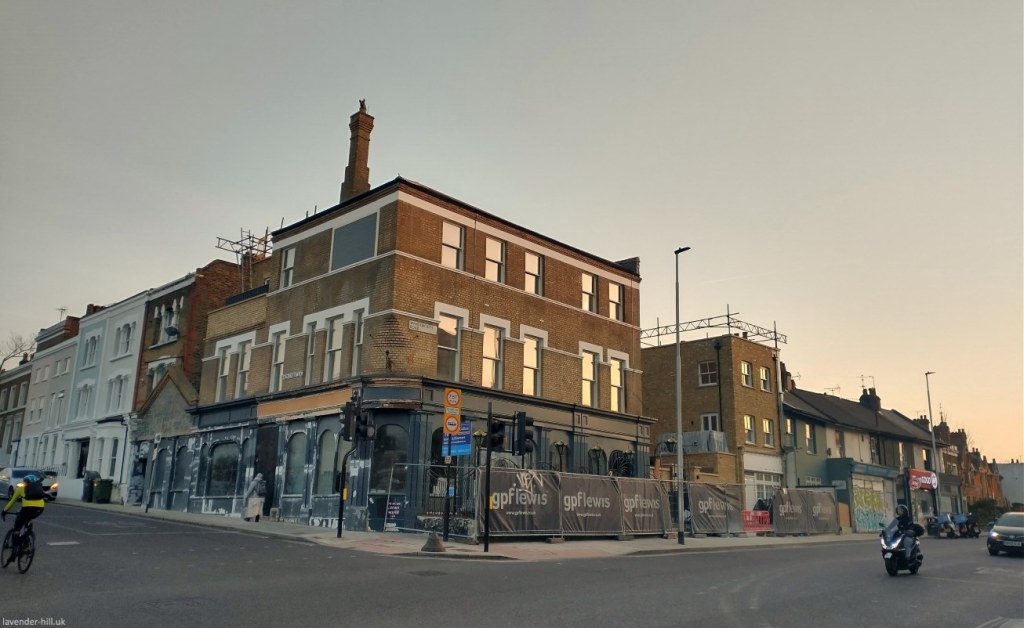
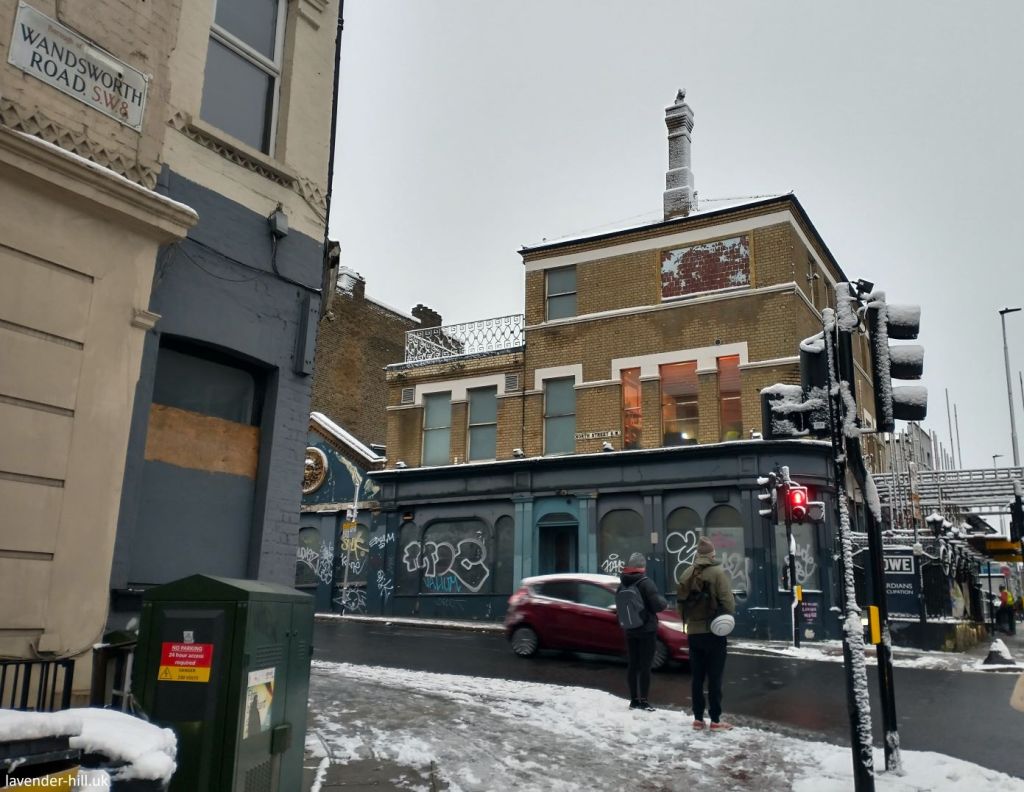
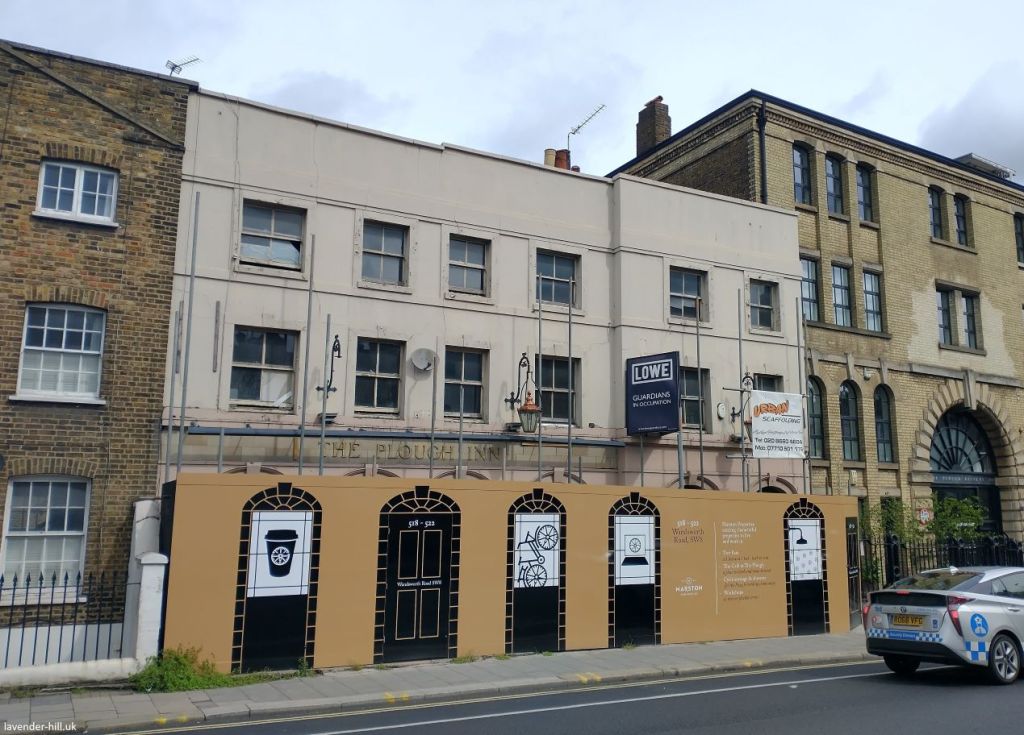
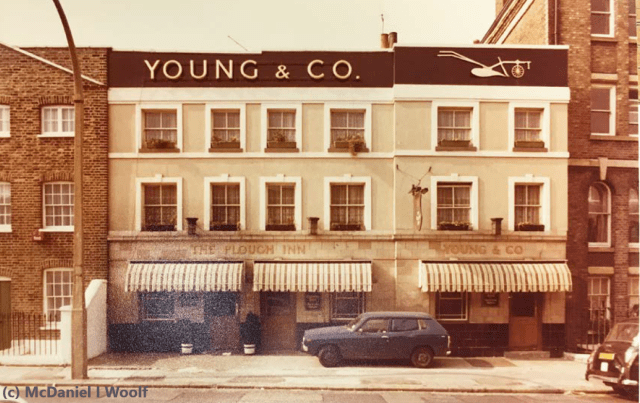
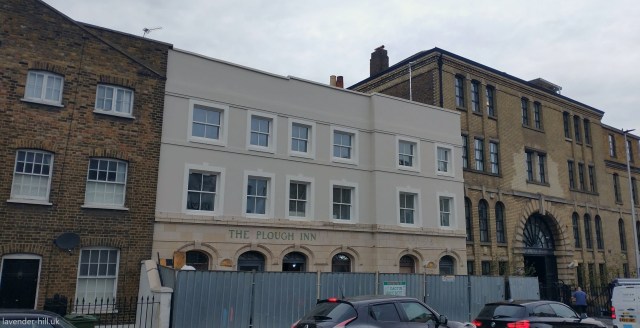
These mass closures effectively ended all commercial activity in the area – with the exception of still-trading Pizza GoGo (which had had its own troubles, with one of the staff being murdered on the premises a few years beforehand – allegedly by one of the other employees, who then had to be extradited from Brazil to face trial). This put the future of the buildings in some doubt, and it would do this for longer than anyone expected at the time. The buildings all had a long history – the Artesian Well had been a pub all the way back to 1838, with the current building dating to 1876 (spending a lot of its life as the Nag’s Head – and with North Street once called Nag’s Head Lane). The Mist on Rocks bar across the road dates back to the late 1800s, having been converted to a pub by amalgamating three terraced houses and spending most of its life as the Plough Inn. The old Lost Society was a much plainer and simpler building but it had the longest history of all, maybe going all the way back to the 16th century when it was a barn on the Clapham Manor estate – when it would have sat on an isolated hilltop overlooking the Thames flood plain.
The empty buildings got covered in tags, became home to squatters, followed by a phase of property guardians, but mostly they were just left to their own devices. Maybe not surprisingly the buildings – being both an increasing eyesore, and a sizeable development opportunity – caught the eye of local developer Marston Properties, who own the Plough Brewery right opposite the site (which they have converted to an office complex), and who have developed several buildings in the Lavender Hill area, for example a cluster of flats at Crosland Place (just off Taybridge Road) which we reported on in 2023 when they were runners up for the prestigious Stirling architecture prize.
Marston’s bought the Plough Inn in 2015, and the rest of the buildings the following year, and set about a large scale redevelopment. With these purchases, Marston found itself in the interesting and unusual position of owning four neighbouring buildings – three of them former licensed premises – so had quite an opportunity to reshape this bit of town.
The Plough Inn went first – with the frontage carefully restored, and most of the interior converted to flats. It’s looking good – a nice touch is that the original windows and the pub tiling were carefully restored. The former pub / bar on the ground floor spent the last few years as the site office for the rest of the development, and was notionally going to be offered for lease as a cafe, though that never felt especially likely in this fairly quiet location.
Marston have now more or less abandoned hope of reviving commercial activity at the Plough, on the grounds that years of everything being closed – and the difficulty of competing with the larger clusters of activity along Lavender Hill and in Clapham Old Town – mean it’s not viable. They now have a planning application open for consultation which seeks agreement to convert that to flats as well (search for reference number 25/00995/FUL here if you want to see the details or comment).
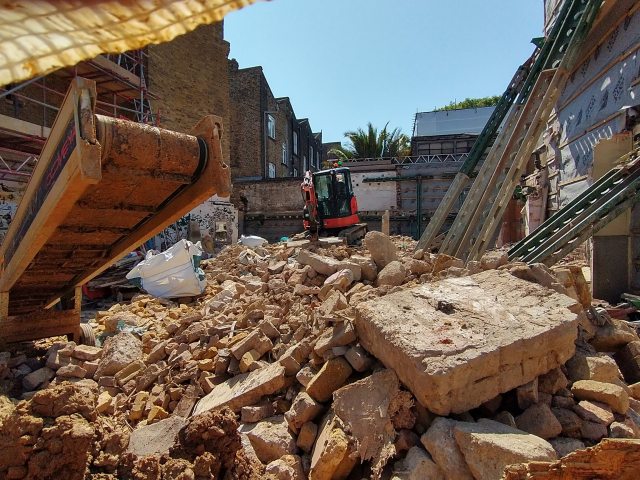
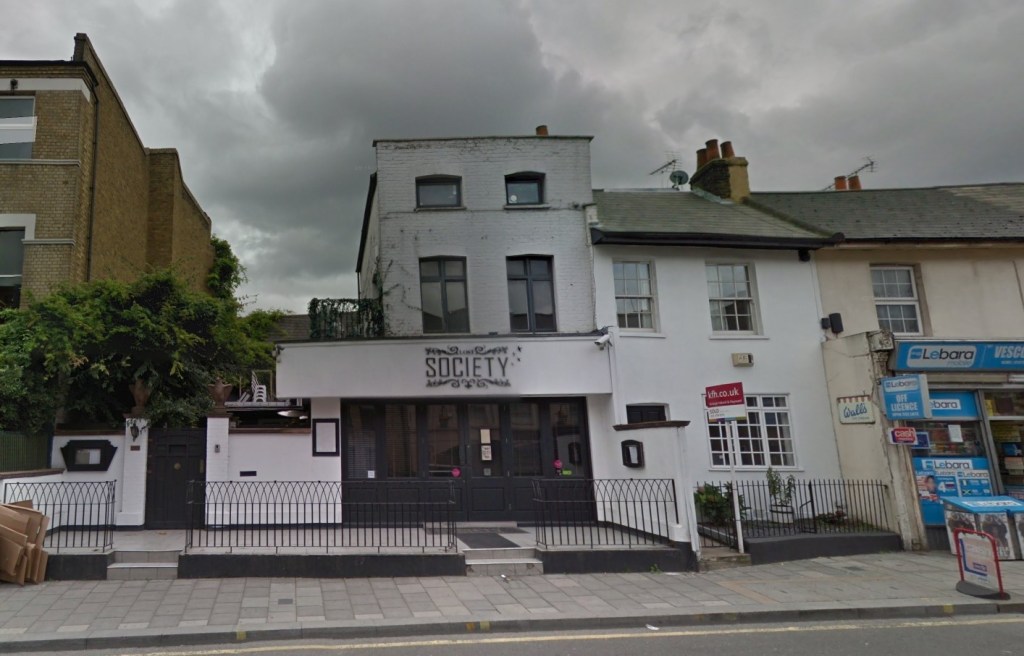
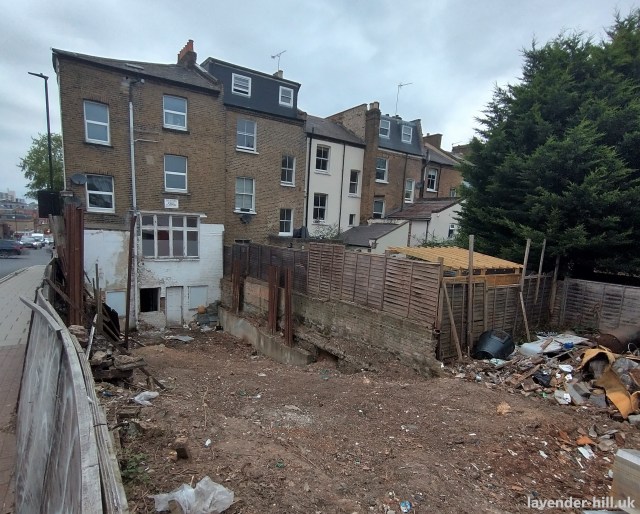
Having got that done, Marston then got going on the buildings south of Wandsworth Road. The former Lost Society – the oldest building of all – had the harshest fate, as it was swiftly demolished. The developers’ argument was that there was just too much structurally wrong with the building for it to be rescuable.
Our photo above is probably the last one taken of the building, just before it was demolished – and having had a close look at the building, with significant cracks and visible decay, it was probably fair to say that its long life sadly was at an end.
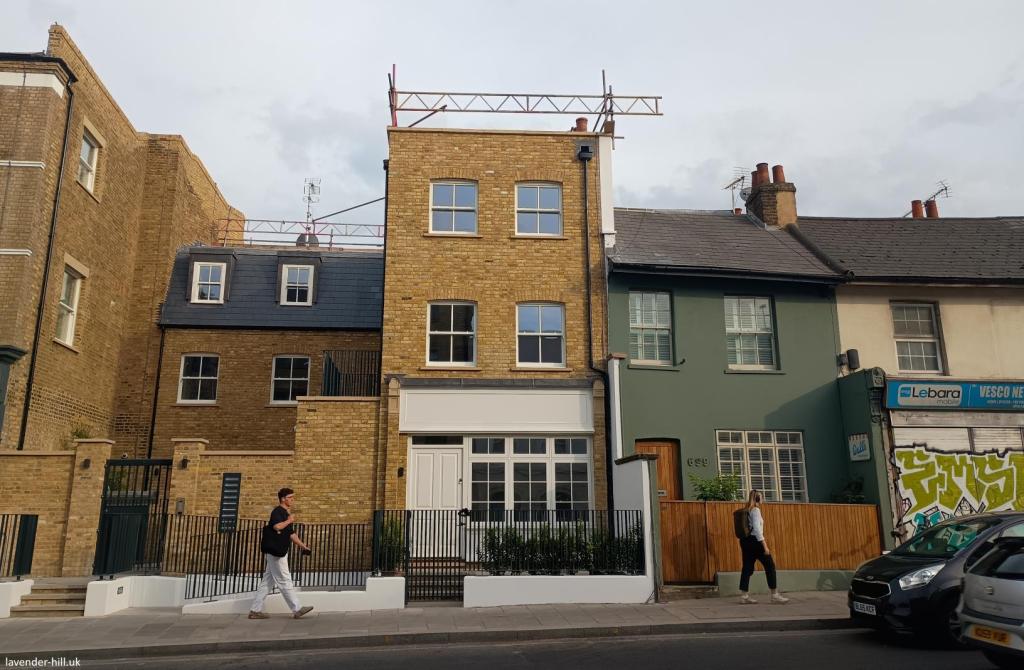
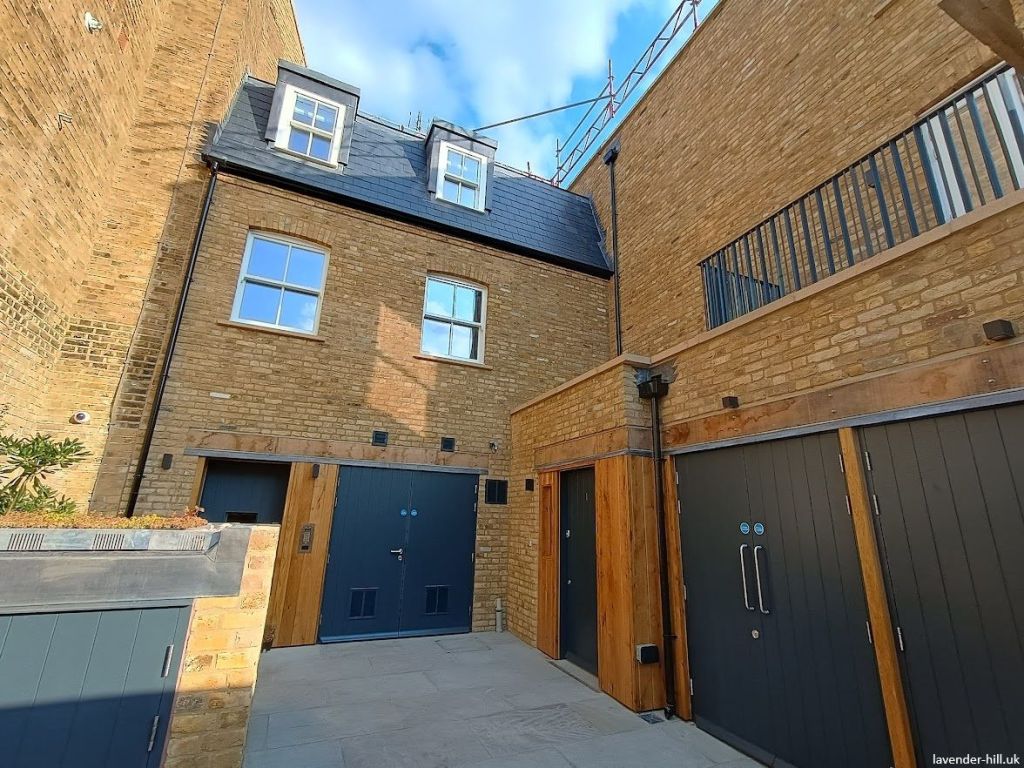
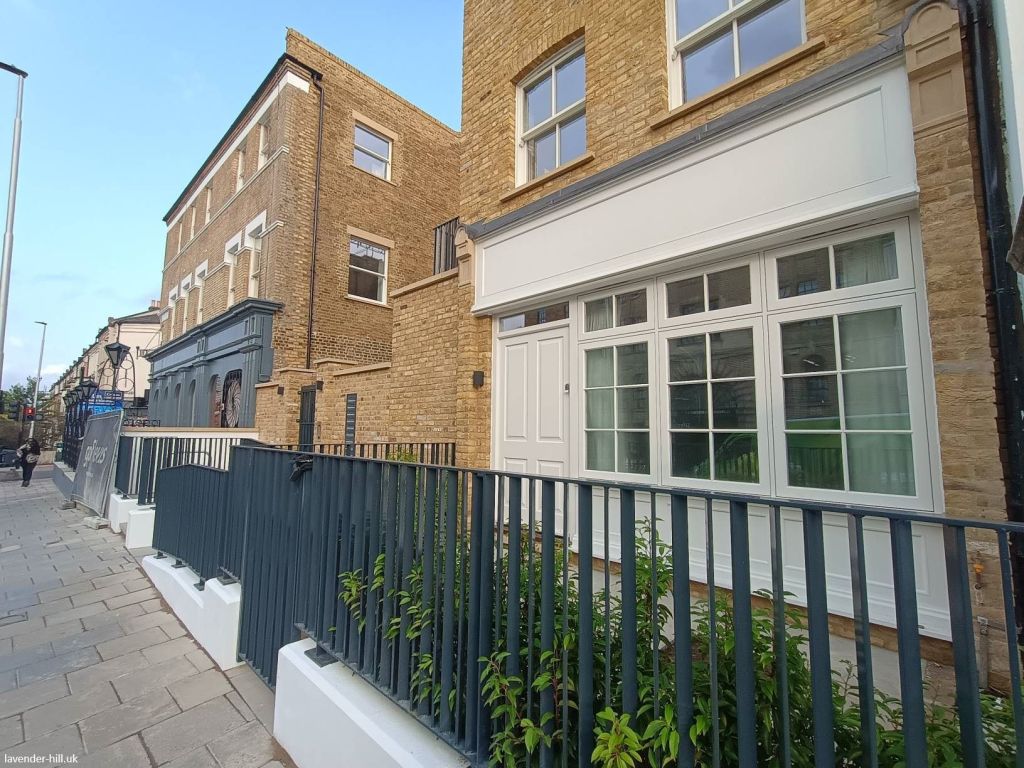
It has now been completely rebuilt, to pretty much the same size and shape (but with a slightly higher roof). The commercial space is gone, it’s now entirely a block of flats.
Here’s a quick before and after!
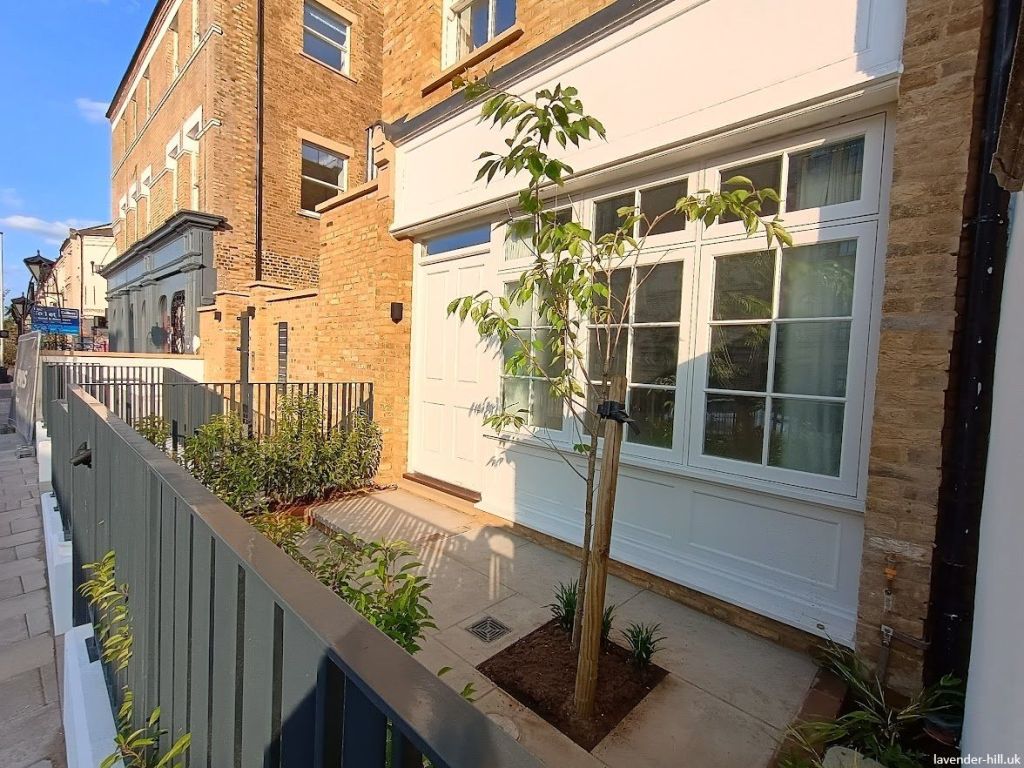
The flat occupying the main frontage of the old bar has its own entrance, and a small private terrace to give a bit of privacy from the street.
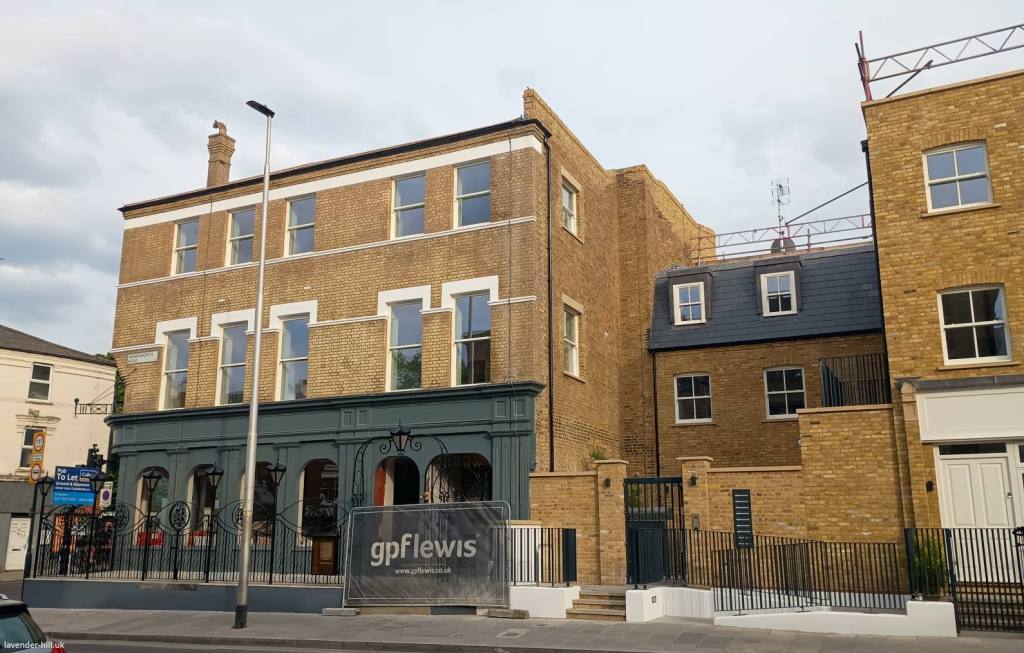
The old courtyard between the two buildings – previously Lost Society’s outdoor area – has been partly filled in with a new building, set back from the street, that houses more of the flats.
It’s now a more mundane set of cycle and bin sheds, and houses the access points to most of the nine flats in the development.
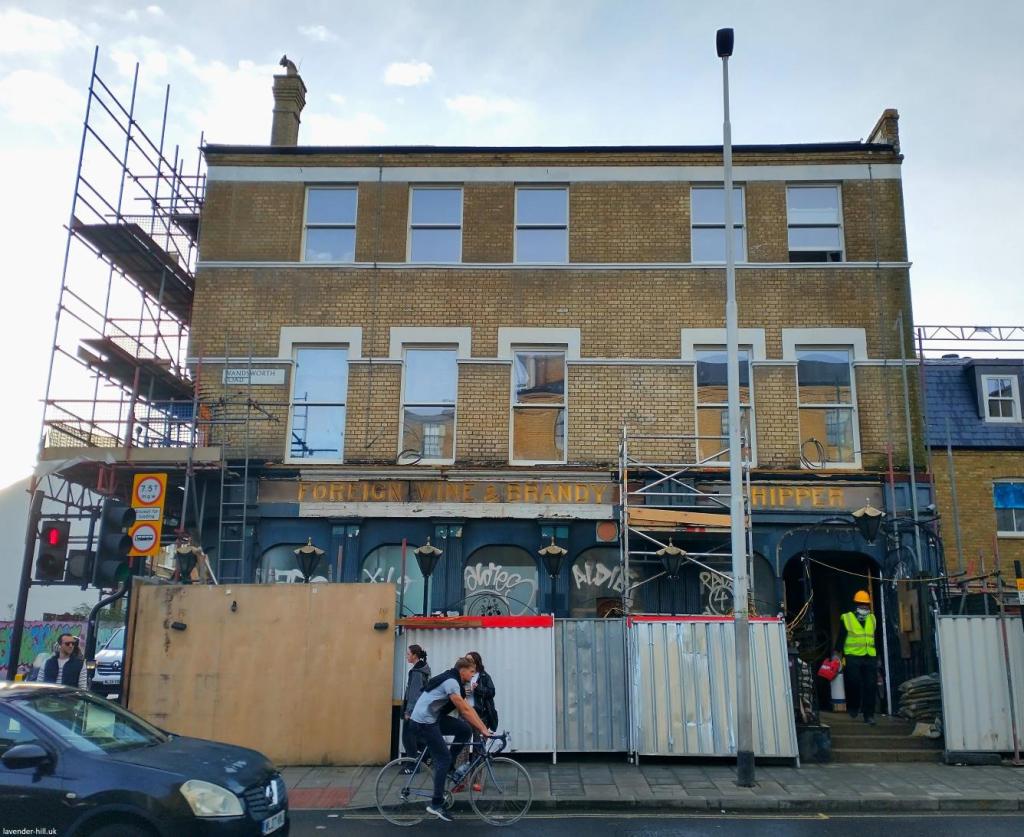
Meanwhile next door the Nag’s Head / Artesian Well has a large-scale refurbishment to bring modern flats to the upper levels of the building.
One small find during the works was the original gold leaf pub sign, hidden behind many more recent ones – advertising the Nag’s head as a FOREIGN WINE & BRANDY SHIPPER. It was in remarkably good condition, though sadly it’s been covered up again rather than restored as a feature.
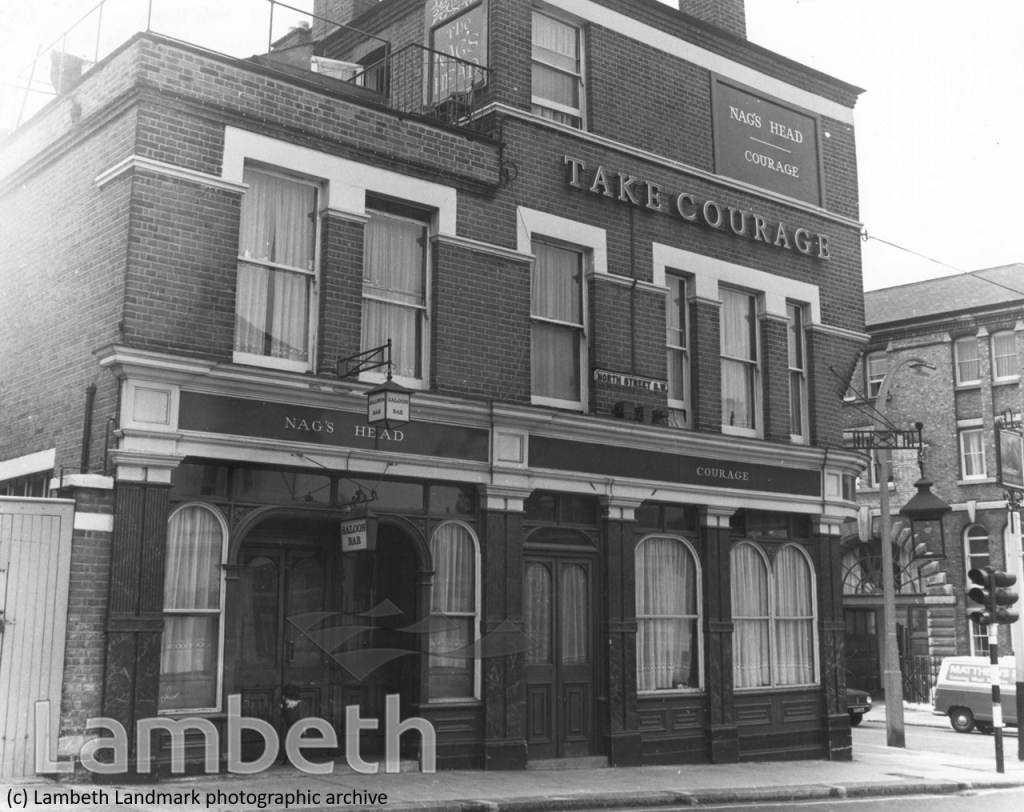
It;s nt bene visible for many tears – this photo of the pub from around 1975 (from the Lambeth Photographic archive) shows the original signs were already covered up back then –
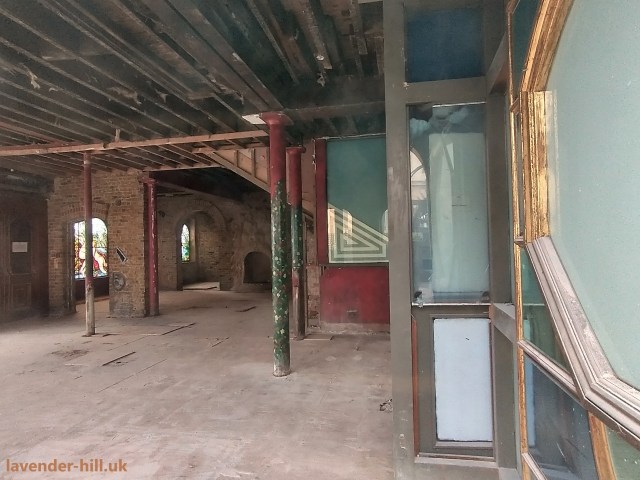
The interior of the Artesian Well was quite quirky (thanks to its manager and co-owner being sculptor Rudy Weller – who’s known for all manner of sculptures including the horses close to Piccadilly Circus). It was full of character, including stain glass freezes, murals and figurative sculptures. Some of this was, stripped out during the building works (our photo below shows the ground floor part way through the building work) – but the feature stained glass windows that can be just seen at the back left of our photo below are still in place.
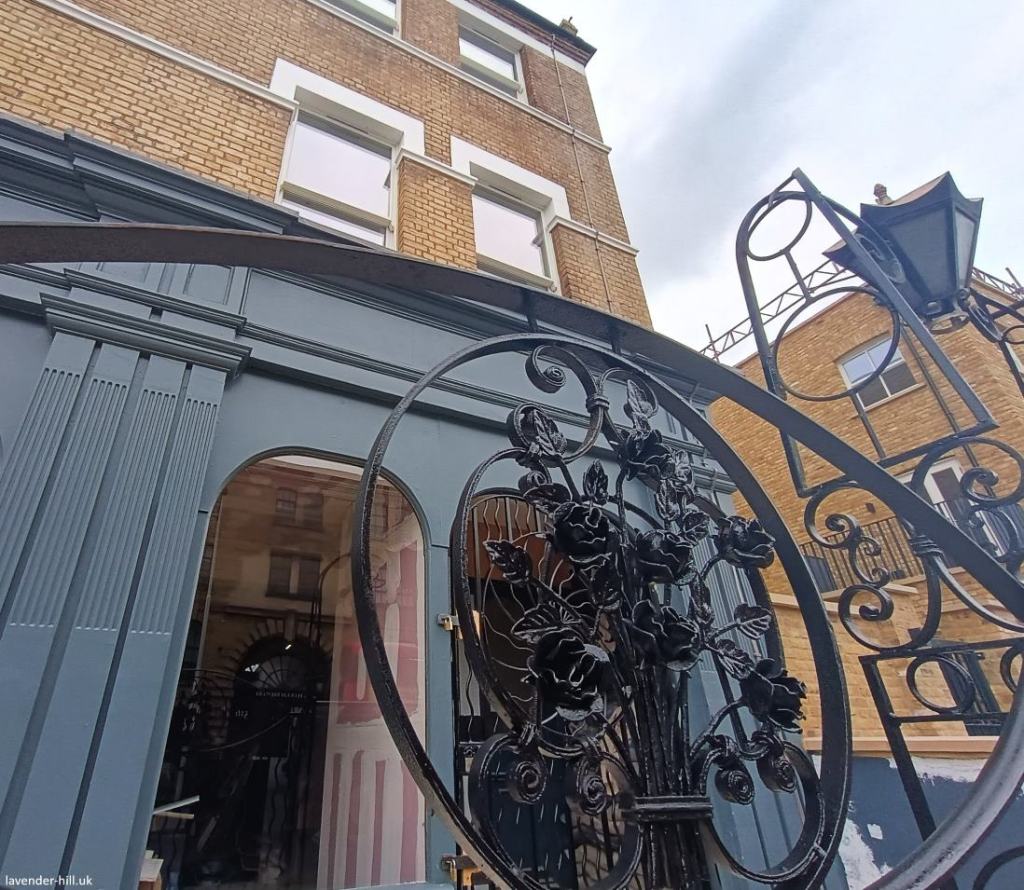
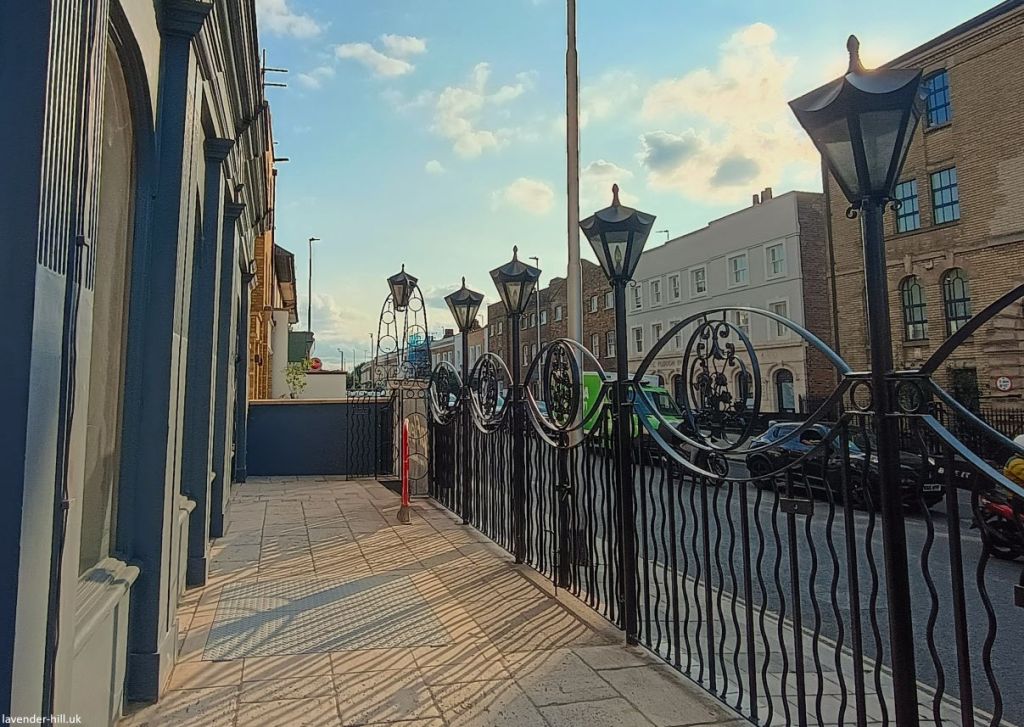
Rudy’s unique and remarkably intricate railings and lamps at the front of the pub have had a repaint and are also still going strong –
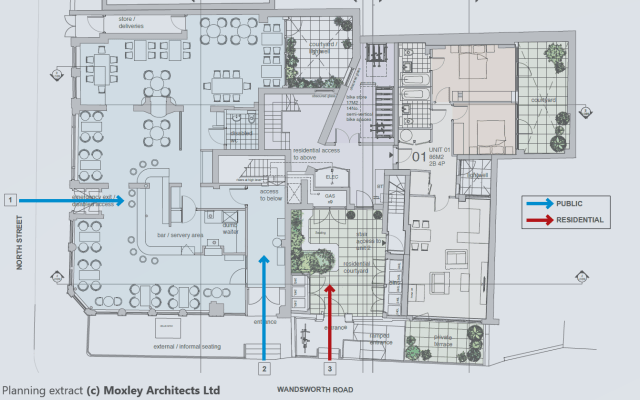
The ground floor is the only part of the development that is still going to be in commercial use, and it’s currently a blank canvas ready for a new occupier. It’s being advertised as a pub / restaurant opportunity, which covers the whole of the ground floor, and a smaller area of basement, and the space is currently up for leasing with Colliers, for around £75,000 a year. Colliers’ listing says the ground floor, which is a shade over 2,600 square feet, can accommodate 75 covers, with the full-height basement providing back of house and ancillary space. It has its own small private courtyard at the back, at the top middle in the floorplan below.
There’s external seating along the whole of the Wandsworth Road frontage, which catches the evening sun – as well as a more intimate courtyard at the back.
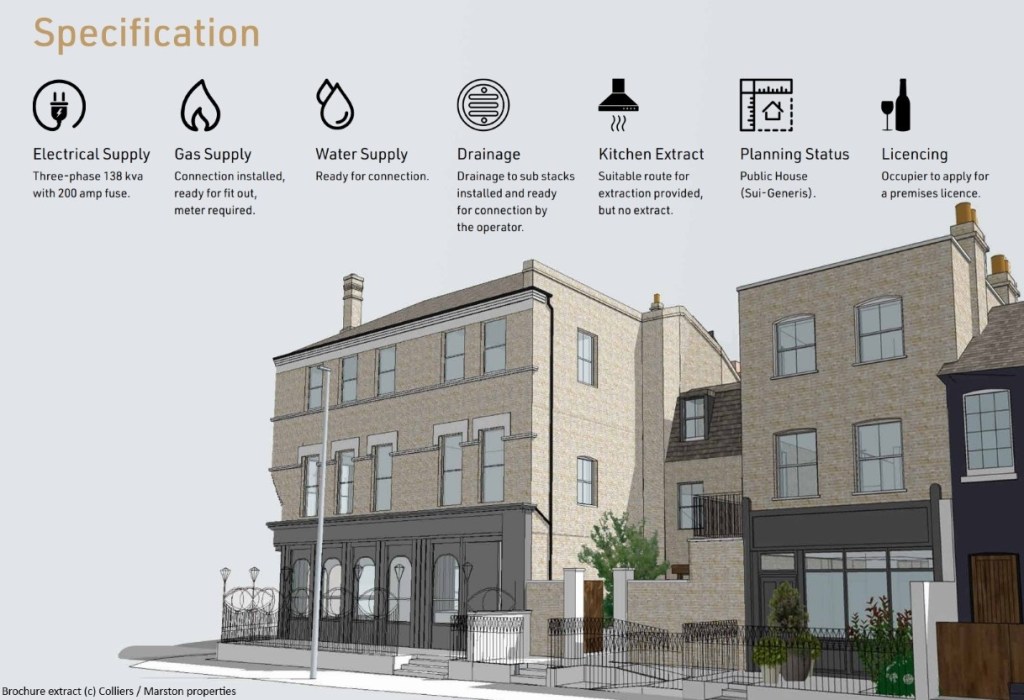
It’s been provided with everything needed to get going for a commercial fit-out, including a suitable route for kitchen extraction, as well as the services and utilities.
Will it find a tenant? It’s a prominent location and traded well for more than a century. Recent years have not been too kind to this location, with everything else around it now being closed – but it is a good spot in a wealthy and busy catchment area, and ought to have plenty of potential.
If you can see your pub’s name on the now-blank tiled sign panel at the top of the building – you’ll want to speak to Colliers. It would be a shame if this goes the same way as the Plough Inn opposite and ends up as just another set of ground floor flats in a former pub.
While the building waits for someone to fall in love with it again, a slightly poignant sign remains by the front gate, that’s been there for over a decade – expressing a hope that it woudn’t be the end. Time will tell if this building ever opens to the public again.
Back in 2021 when we reported on these developments there were a couple of other projects also on the way in the cluster. The largest was at North Street Mews, just to the south of the Artesian Well – where a battle had been ongoing for some time between the many small businesses occupying the site, and an owner keen to redevelop it as flats. North Street Mews had been home to 21 light industrial units serving a tight knit community of artists, designers, music producers and thriving small businesses for over 20 years – but their future was very much in danger at the time.
That continued to play out over the following months and years: as we understand it, the leases of the remaining commercial occupiers were gradually ended when they reached break clauses, and a series of planning applications were then made to turn the individual units over to residential flats. No businesses now remain in the mews – which has meant the end of North Street Mews as a hub for small businesses. The front of the building has since seen a repaint, to make what are now flats more attractive.
The last of our empty property cluster is the old Silverthorne Cars minicab office site at 691 Wandsworth Road (“A cab Anytime Anyplace Anywhere”). It’s a larger-than-average terrace house, converted to include a shop on the ground floor and two flats above, and with a similarly larger-than-average back garden along North Street. Silverthorne were there for years, before the loss of all the neighbouring venues (and the rise of app-based ride hailing) ended the business. The site briefly became a beauty salon, before falling vacant. Planning permission has been approved to build houses in the large back garden (which was, at one stage, a parking lot for the minicab firm) but nothing has happened since. The shop itself remains empty: a planning application to turn it in to a flat was refused in 2023, mainly on the grounds that the proposed design would affect neighbours’ privacy, as well as a variety of design and daylight related concerns, and a lack of clarity on parking arrangements. Since then there’s been no news, and the space remains somewhat abandoned.
It’s good to see these buildings getting back in to use, and seeing the attention some of them need after long years of sitting unused. Marston have been true to their word in carrying out the works on the three buildings they bought to a high standard, and the quality of the main cluster of buildings is excellent. Steppig back a bit, the evolution of this area maybe reflects a wider change in this bit of Clapham and Battersea – from the home of a set of busy and young bars and clubs, to a quieter, more settled, and more residential district. Dirty Blonde just down the road (which we’ve reported on recently) was the last late night venue to go, and while there has been a new opening recently in the railway arches by Wandsworth Road (150-capacity venue Gaffe / Common Studios), it’s unlikely we’ll ever see the likes of Artesian Well again at the eastern end of Lavender Hill.
This is part of our series of posts on planning issues in the area in and around Lavender Hill – including Wandsworth Road. Our original article (from 2021) also covered the redevelopment of the buildings at the corner of Wandsworth Road and Silverthorne Road. If you found this interesting, you may want to see our wider articles on local business, environment, planning and housing issues – as well as some of our favourite articles on local history. To receive new posts by e-mail (for free), sign up here.
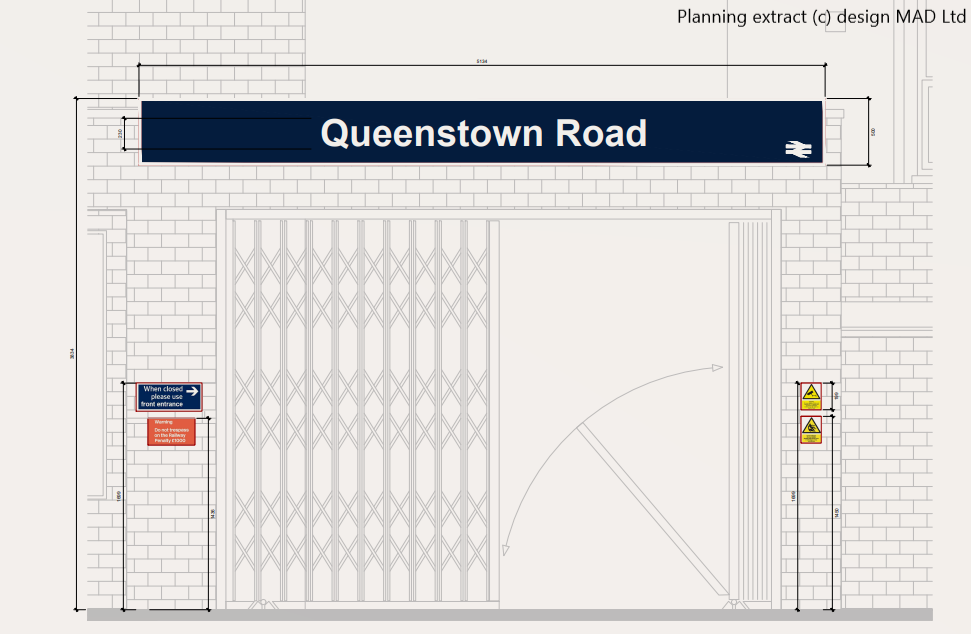
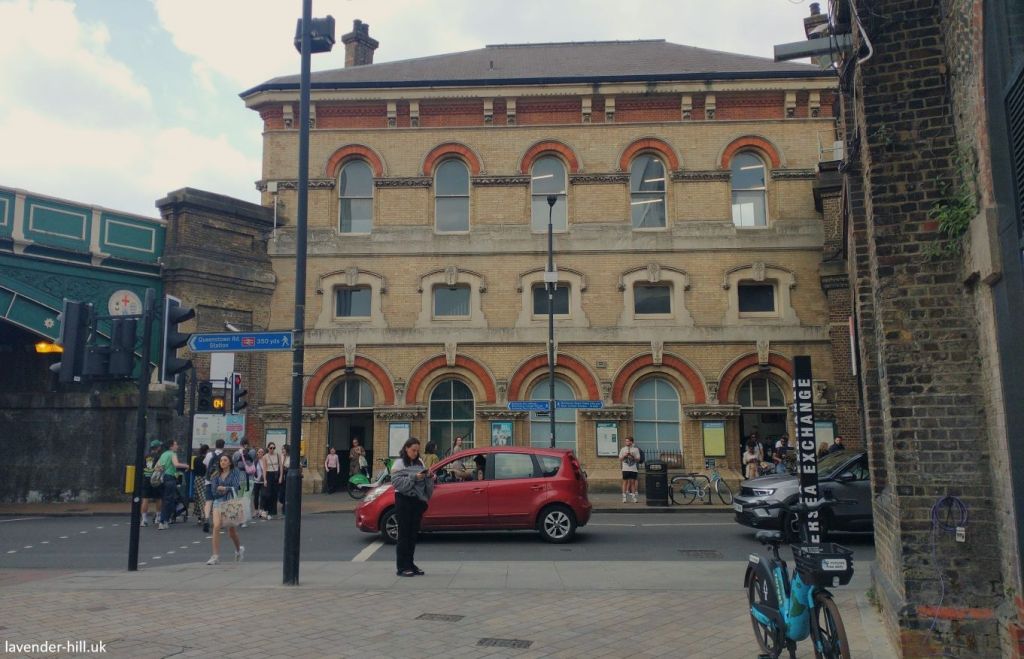
It’s taken years and years – but works have finally got going on building a second entrance to Queenstown Road station. This was originally proposed way back in 2014, as part of Taylor Wimpey’s ambitious Battersea Exchange development, which combined lots of little bits of land, two railway viaducts and a school, to create new flats, shops and office space (and a replacement school).
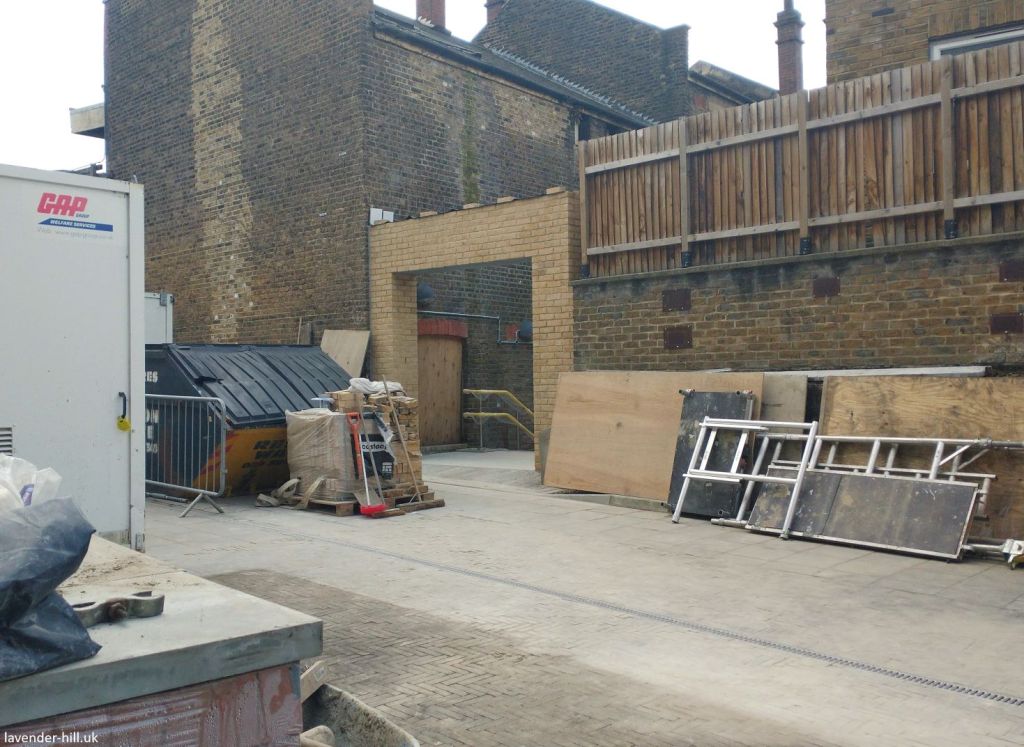
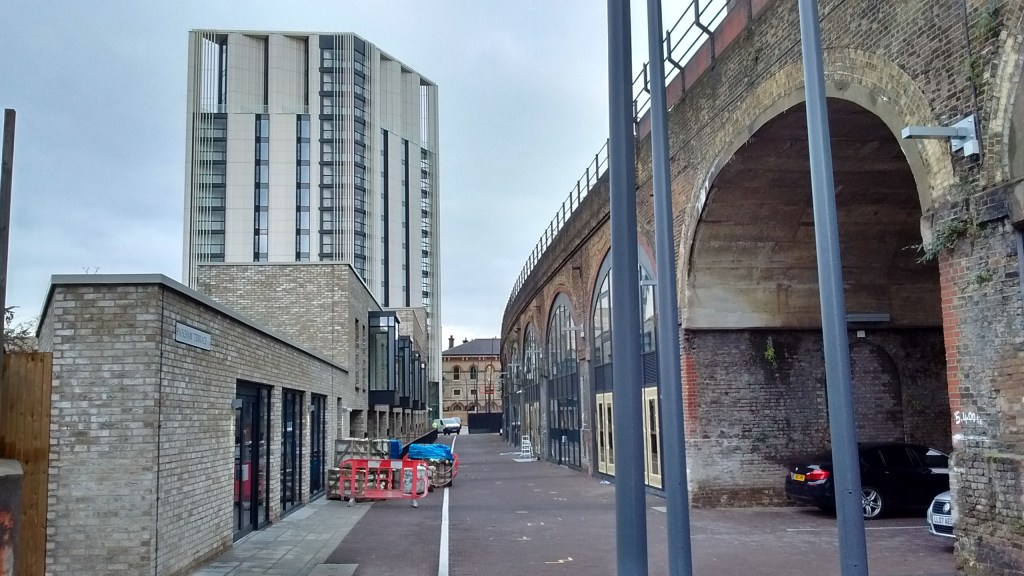
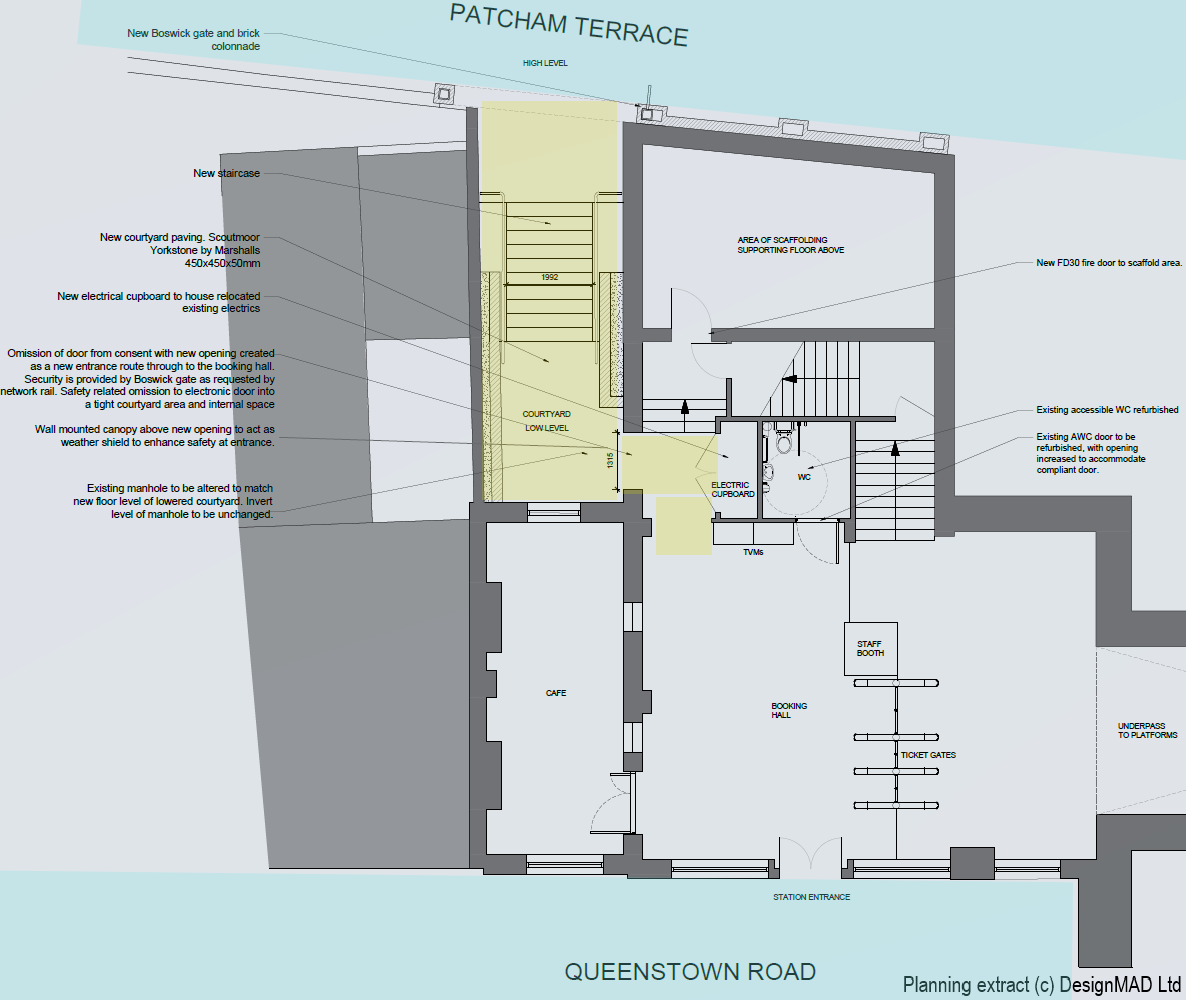
We have reported on it many times since then – mostly noting that there have been new delays, or small changes to the plans bit with no actual works underway! The development itself completed years ago, with a layout clearly designed to accommodate the second entrance – but nothing happened on the station aspect. But after many delays, things are now progressing quickly. This is most visible from the back of the building, where the brickwork of the entrance archway is in place, the once-overgrown and abandoned back yard of the station now has steps installed, and the electrics and lighting are installed.
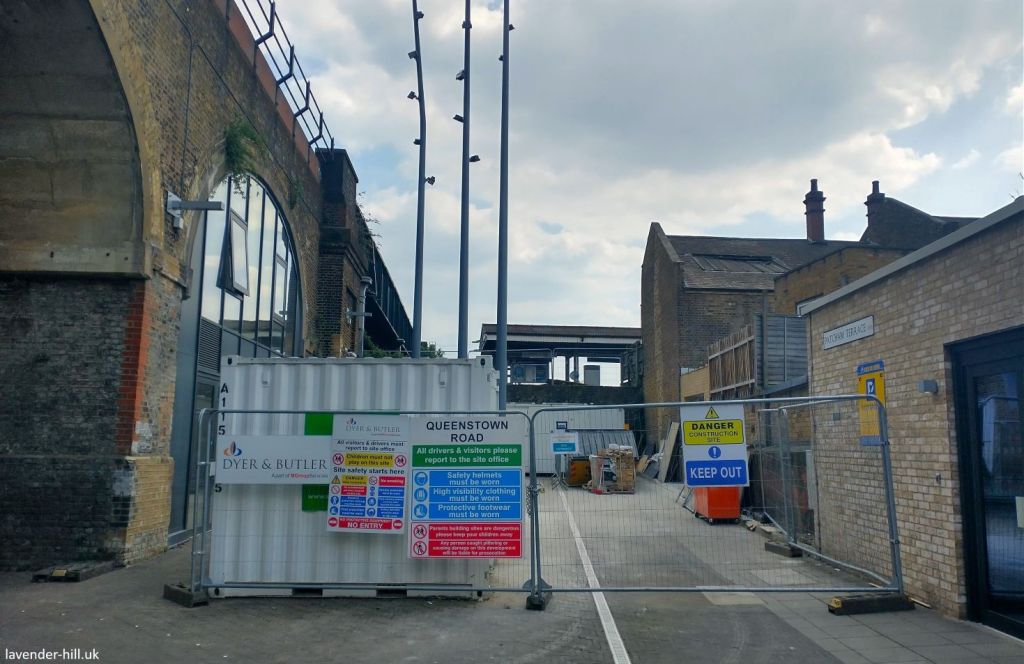
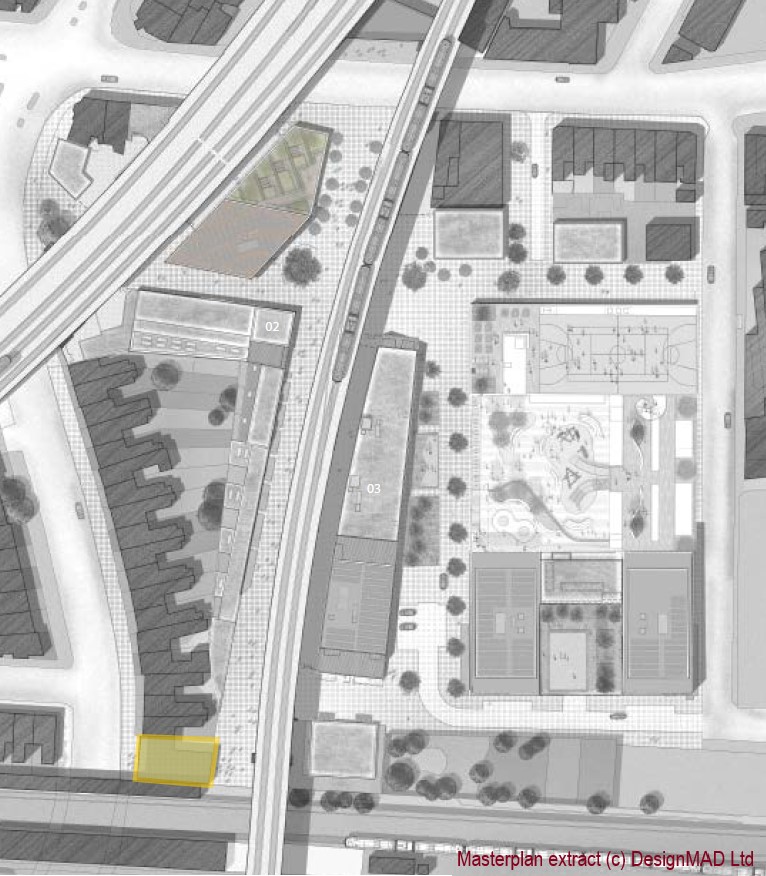
What’s being done is quite straightforward – we’ll have an entrance straight on to Patcham Terrace, which is a new road built by the developers that currently ends behind the station (which is in yellow on the diagram below).
It’ll be a useful link – it connects the station more directly to the school in the development, and also bring a bit of pedestrian traffic to Patcham Terrace, which is a rather isolated near-dead-end road where the small shops and offices under the railway arches have been slow to let. Because both the entrances will be outside the station gateline, anyone coming from Queenstown Road towards Battersea Park Station or the new tube station at the power station will be able to use this as a shortcut during station opening hours.
It’s a nice, simple, and above all cheap project. There are steps because the level at the back doesn’t match the station level, but there’s no expensive lift included as the front entrance is already accessible (ish).
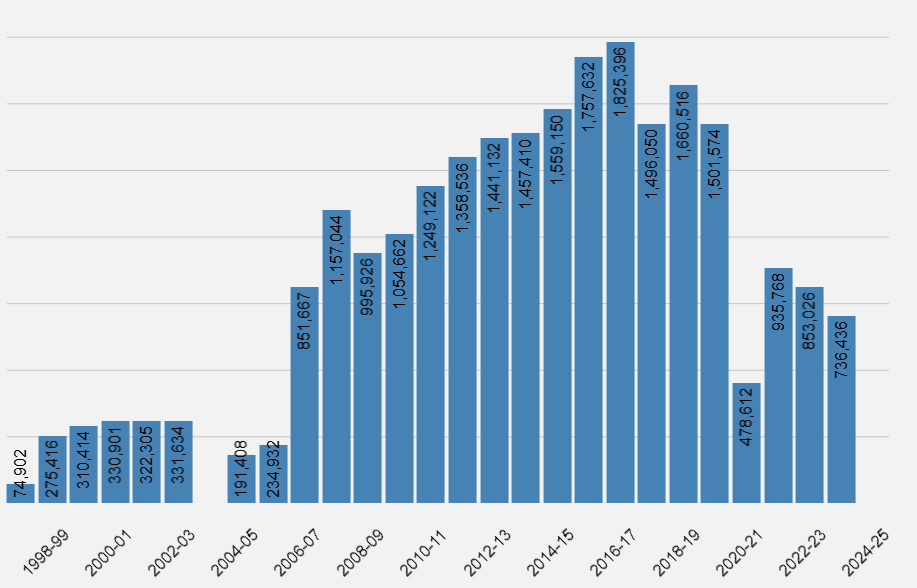
The slightly frustrating thing about this is that, if the project was proposed now, it would be a lot less likely to get the go ahead – because since the plans were originally agreed Queenstown Road has seen a huge decline in passenger numbers, losing nearly two thirds of its passenger numbers, and doing so despite the population of the town around it exploding thanks to a load of new developments.
Covid and working from home played their part, and some local commuter traffic towards Waterloo has clearly also shifted across to the new Northern Line extension, which opens up more options for onward travel than the short overland journey to Waterloo used to. But the main reason is that in 2022 South West Trains slashed the number of trains that stop at the station, from eight to just four an hour. They sacrificed half of the stops at this station, as from their point of view these stopping trains were just blocking the line for smallish numbers of passengers – who were mostly also making relatively unprofitable short journeys to Waterloo – to make space for more of their more profitable long-distance trains from further out to get to Waterloo at peak times.
Worse still, the four trains hour that still do stop at peak times aren’t evenly spread through the hour, so you can easily be waiting over 20 minutes for the next train. All the evidence suggests that maximum-15-minute waits are the magic number where usage goes up, because passengers feel comfortable in just turning up rather than worrying about checking train times beforehand. The passenger numbers graph below (from ever-useful site Railstats) shows how severe the impact has been! Speaking bluntly, it’s fairly clear that South West Trains couldn’t care less about this minor station – but at least the small upgrade funded mainly by Taylor Wimpey has happened.
All is not lost, and the station still sees a fairly steady stream of people from south west London use the station to access Battersea Park, and Battersea Power Station. It remains comfortably within the top third of the busiest stations in the UK, even if it’s a shadow of the days when it saw nearly 2 million passengers a year (more than several northern cities!), and the more convenient access to the east that the new entrance will enable may see usage edge upwards again to the point where the decision to drop half of its train services may be revisited. There have also been long running plans to repoen Platform 1, which has been abandoned since the early 1990s (and which unusually is still made of wood!). This could allow local (‘Windsor’) and mainline services to be kept more separate – providing additional capacity on the approach to London Waterloo; if this is ever done it would allow a proper train service at Queenstown Road again.
One of the reasons for adding the second entrance was to create a better link to Battersea Park station – which has new-entrance plans of its own. Battersea Park’s passenger numbers are much higher that Queenstown Road, at nearly 2 million a year. After a notable dip in usage (like all other stations) during Covid lockdowns, passenger numbers there have bounced back and been going up and up, as it has become a key access route for visitors from all over south east London and beyond to get to Battersea Power Station, as well as the park itself (where the Saturday morning parkruns alone regularly attract well over 1000 people). The roads east and west of the station used to be a quiet area, but now you can’t miss the stream of people walking along the road between the two day and night.
Battersea Park station is long overdue for step-free access, as it is currently a bit of an accessibility nightmare and a borderline safety hazard, with the exceptionally steep wooden stairways within the station. This project has also been running for years, and unfortunately as the article we wrote on that project in 2023 makes rather clear, it’s a more awkward and expensive project that Queenstown Road’s second entrance – as it’s a really complicated thing to actually deliver, with steep stairs, narrow spaces, lots of old structures in the way, and not a lot of space on the platforms. And we have an update on that one – but that will be in another post in a few days.
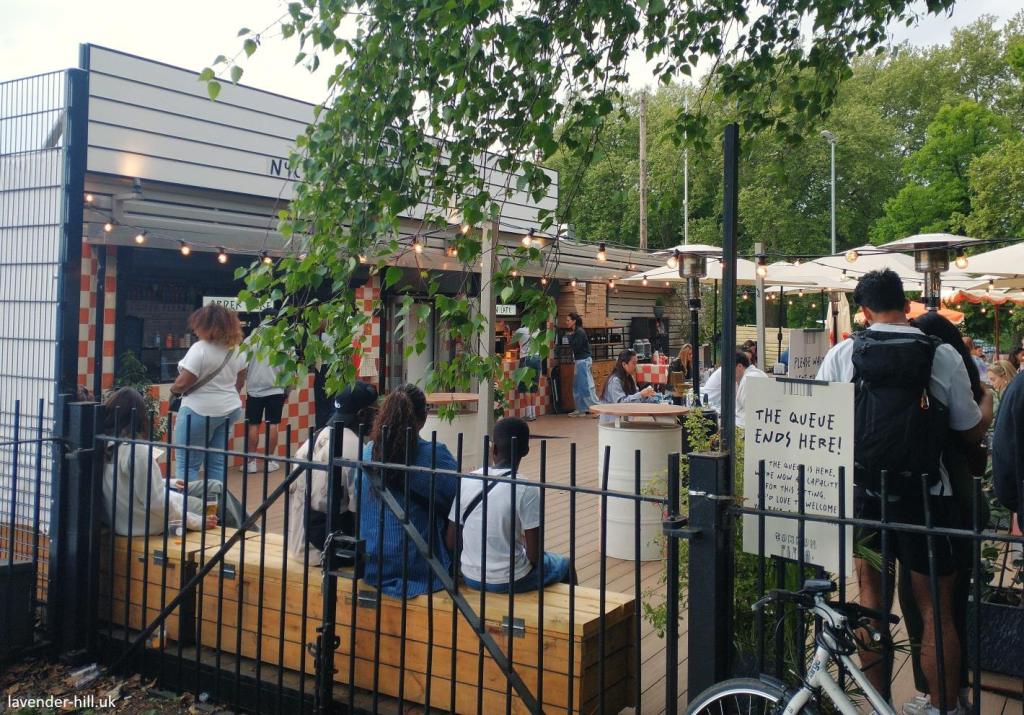
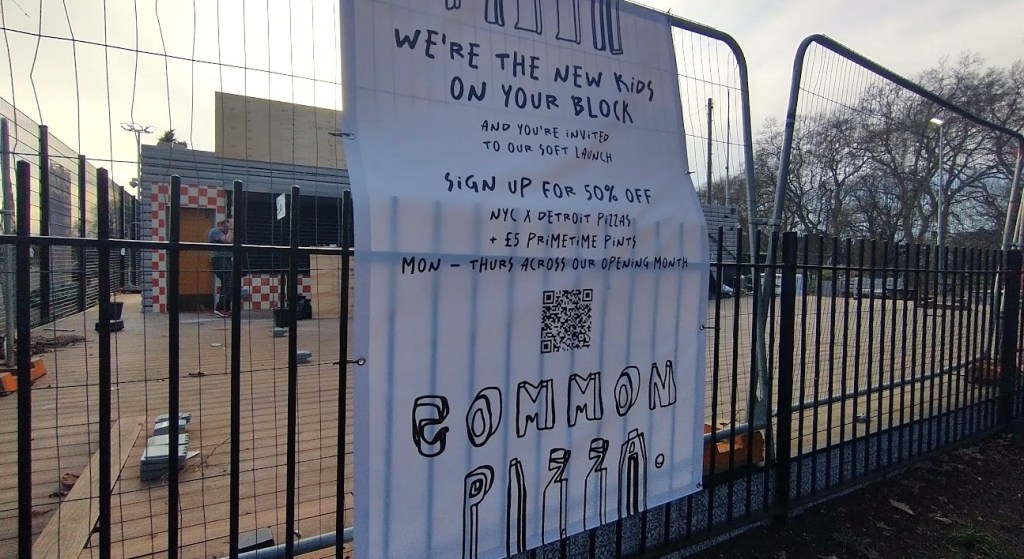
Pizza’s one of the few foods that somehow never goes out of style – and we’ve got four new pizzerias on the way. First up is Common Pizza, who have just opened by the basketball courts in Clapham Common. Their speciality is New York style pizzas and deep-pan Detroit pies, with both on-site and takeaway on offer. A two-for-one happy hour is running daily from 4-6pm, and conscious of their outdoors location, if you order a main to eat on site and it rains, they’ll offer a free drink. Opening offers include half price mains, with details at @commonpizzauk.
Last year this was Megan’s terrace – a place we wrote about quite afewtimes in 2021 as they took over what had previously been a notoriously hard-to-let unit in the middle of Clapham Common. Before Megan’s it had gone through a lot of tenants, mainly because it was too small: there wasn’t enough indoor space to host a proper kitchen while also having enough seating to make a profit, the complicated laws that decide what can be built on Common land meant an extension was out of the question, and the somewhat isolated location meant it hardly saw any winter trade.
Megan’s took a completely different (and quite clever) approach, making the entire building in to a much larger kitchen, with all the seating outside. It wasn’t straightforward to do: they still only traded in the summer, and we understand they had nightmares with the power supply, which just wasn’t powerful enough for a modern kitchen (so needed a generator to be on site for more than a year) – but overall it worked pretty well, and the sizeable investment by Megan’s also made what had been a bit of an eyesore, in to something more worthy of this high visibility location.
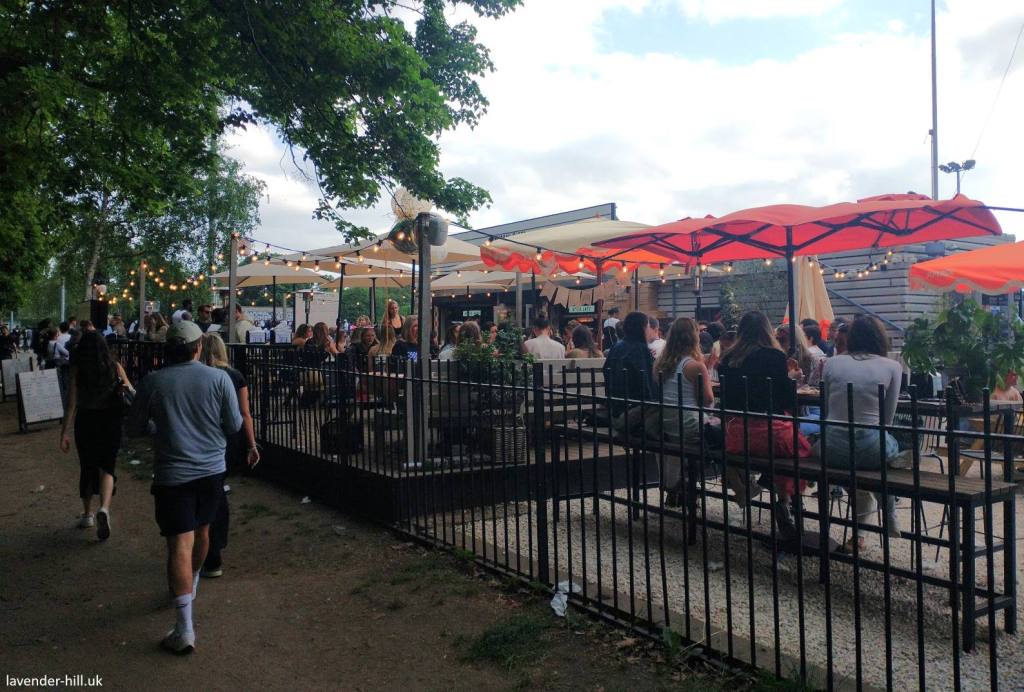
Common Pizza have stuck with this model. As our photos show they’re taking more or less the same approach of a mainly outdoor venue, but have done a fair bit of redesign of the space and the seating area, mainly to make it all a bit lower-maintenance and simpler to run; it works on a mainly walk-in basis but they do take bookings for larger groups.
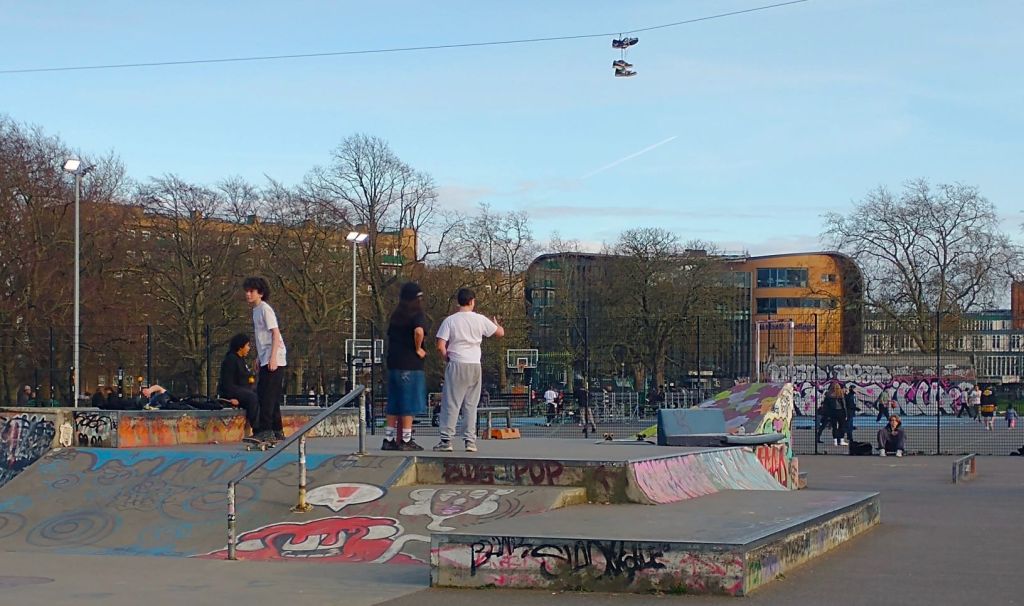
It’s a pretty decent location, if you can make this outdoor-focussed approach work, right next to the ever-busy skate park and the refurbished Basketball courts. Megan’s was very busy in the summers; going by the crowds on site so far it looks like Common Pizza has pulled in the numbers.
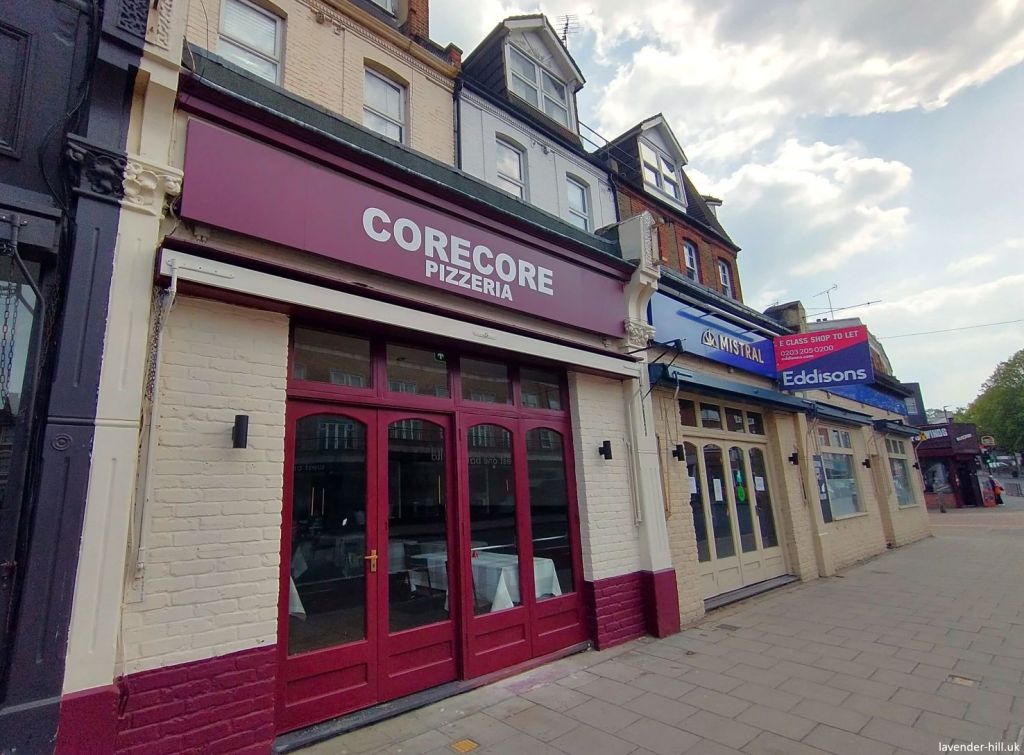
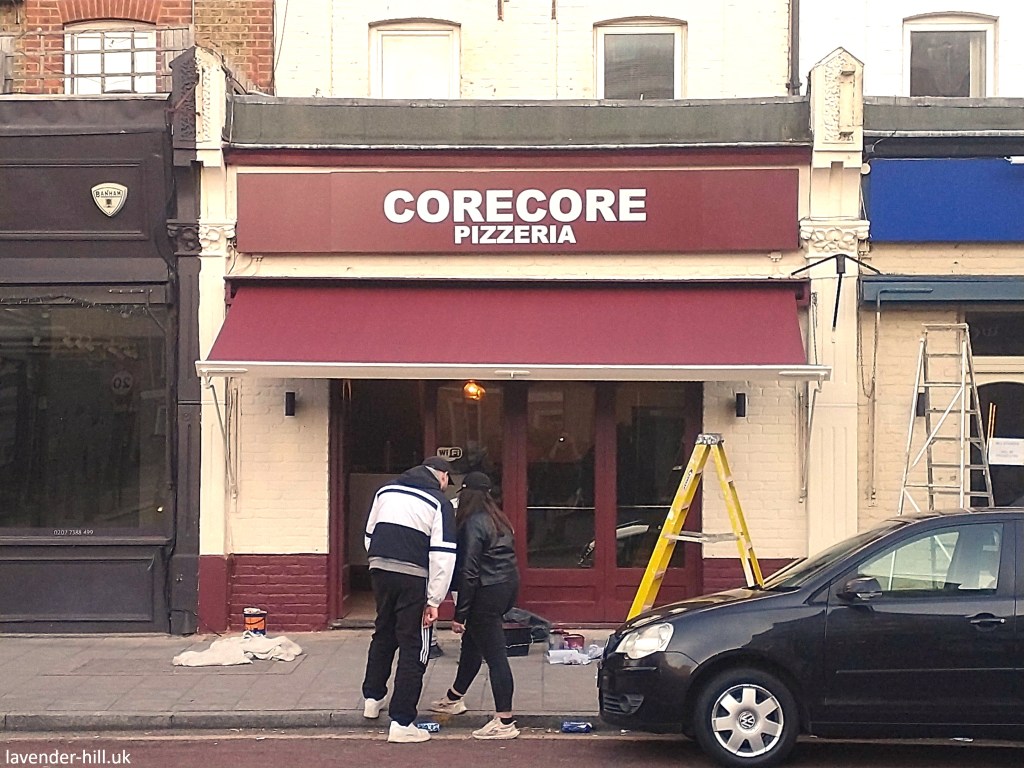
Next up – as we noted a few weeks ago, Corecore Pizzeria have been trading locally for the last two years from a ‘delivery only’ base at the nearby business centre on Ingate Place, and have a strong local following. So strong that they’ve made the big jump to running their very own restaurant, at 40 Queenstown Road – with lots of seating, as well as takeaway, and delivery. And after a few weeks of work to fit everything out and get the kitchen (and above all the pizza oven) up and running, they’re now open!
Corecore’s core product is very much the traditional Neapolitan pizza, with the sides and extras you might expect. Their previous Ingate Place Pizzeria was consistently popular – and also got a solid ‘5 out of 5’ hygiene rating from the Food Standards Agency – and the new location has had excellent reviews so far as well. Do visit – you’ll of course be doing your bit to support a local business as it takes a big step up in scale and ambition – but above all, you’ll be in for an excellent pizza!
Meanwhile back in January we wrote about part of the Party Superstore at Clapham Junction potentially becoming a restaurant, and while details were very vague at the time, a bit of detective work (looking at who the planning agents had worked for before, and tracing a few company links) led us to suspect it would become a branch of Rudy’s Pizza. And sure enough it is – as more detailed plans have now been submitted.
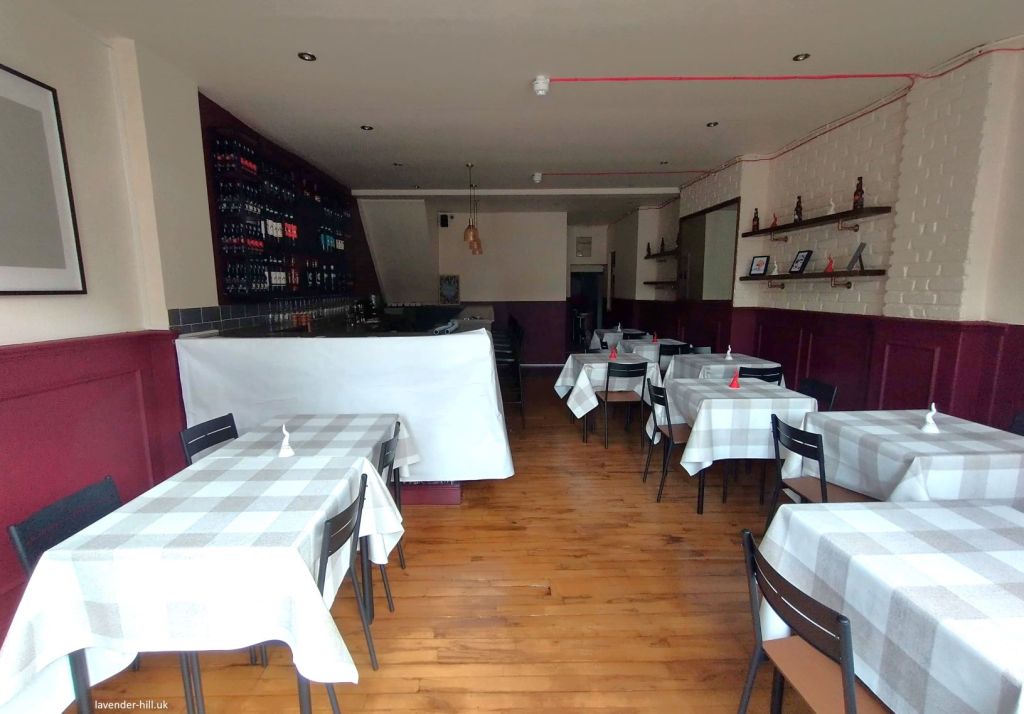
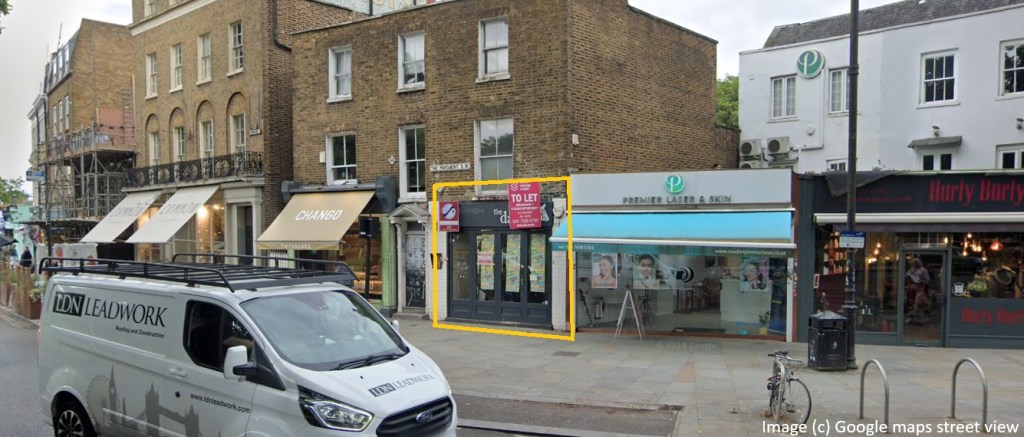
Rudy’s Pizza are a medium-sized chain specialising in Neapolitan pizza. They opened their first pizzeria in Ancoats in Manchester in 2015, and have been expanding rapidly to the point where they have thirty branches, including seven in London, and sold over two million pizzas a year. Their core product is classic Italian pizzas made with fresh dough in a Neapolitan-style base with a variety of toppings, including vegan and vegetarian options. Their new Clapham Junction branch will take over half of the Party & Celebrate store, making fairly minor changes to the shopfront as shown below; as we understand it our famous Party Superstore will squeeze things in a bit and carry on as usual in the remaining space.
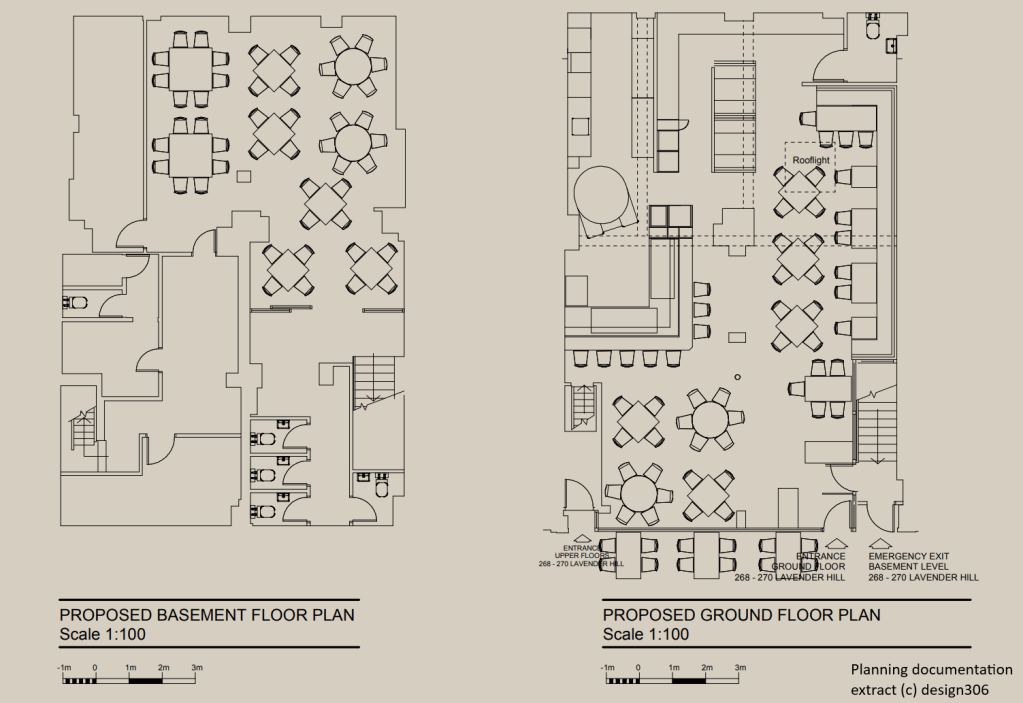
The plans, which have now gone live after a delay while the applicants assembled all the necessary planning details, will see small changes to the building including a skylight on the rear flat roof, new extraction , and using some of the pavement at the front for customer seating. Most of the ground floor is taken up by the kitchen and pizza oven, with the basement opened up as the main internal seating area. The plans are not especially controversial – but there are concerns that the conversion of increasing number of shops to food & drink is eroding the overall viability of Clapham Junction town centre, and that the narrow and somewhat slopey pavement doesn’t have the width for more outdoor seating. If you want to see and comment on the details, search for application 2024/4363 at wandsworth.gov.uk/planning.
Now we said Rudy’s are an expanding chain, and it turns out this isn’t the only branch they’re opening locally – as another is already being fitted out next to Clapham Common station. This one will be rather smaller, and will take over the shopfront shown below. The Clapham Common branch has been through a few planning challenges over the last year as Rudy’s tried to make the small and awkwardly-shaped premises larger with an extension at the back, but saw the first plans rejected; an updated approach has now been given the green light.
Rudy’s Clapham Common will be located at 15 The Pavement, and will also be serving up fresh Neapolitan pizza daily. There’s no opening date yet, but work is well underway.
Of course no mention of Neapolitan pizzeria would be complete without a nod to consistent local favourite Pizzeria Pellone, who have been trading in their surprisingly small restaurant at 42 Lavender Hill since 2019 – and who see people travel from far and wide to get quality pizzas.
Corecore Pizza are open at 40 Queenstown Road, London, 020 7871 6897 (instagram). Common Pizza are open at the Junction of Long Road & Rookery Road (by the skate park & basketball courts), Clapham Common SW4 9DD (menu / instagram). Rudy’s Clapham Junction location will be at 270 Lavender Hill, subject to planning, and their Clapham Common is at 15 the Pavement SW4 0HYand looks set to open in a month or so (web).We post from time to time on developments in and around the Lavender Hill area of Battersea, London – if you found this of interest you may want to see our other recent posts on retail and on food and drink in the area, or to sign up to receive new posts by email. And if you’ve got tips or insights on any of the areas we cover – get in touch and let us know!
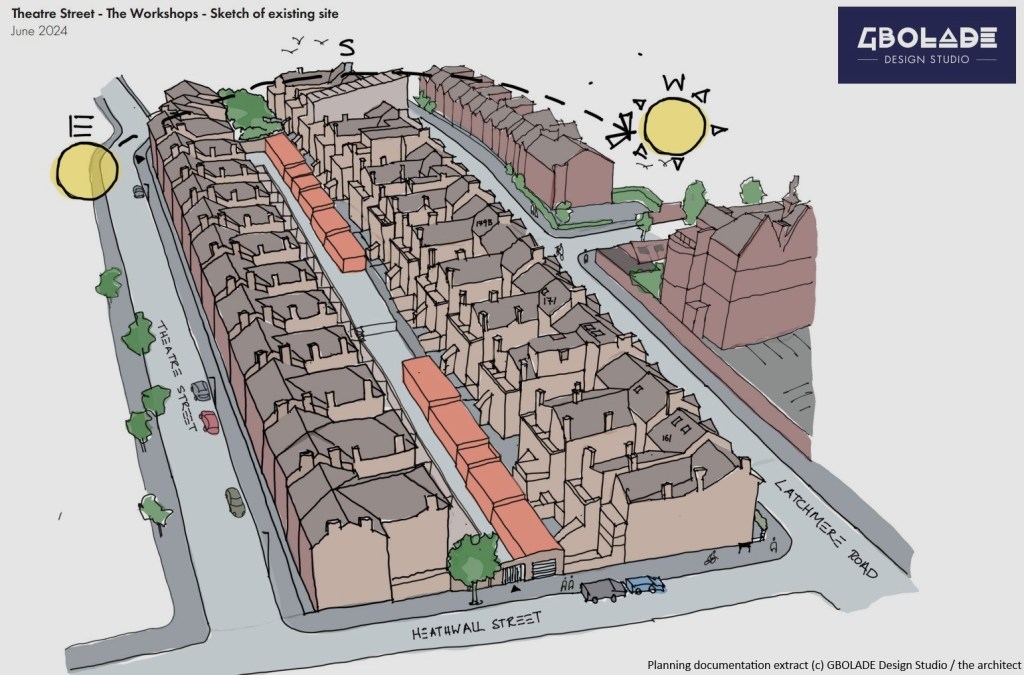
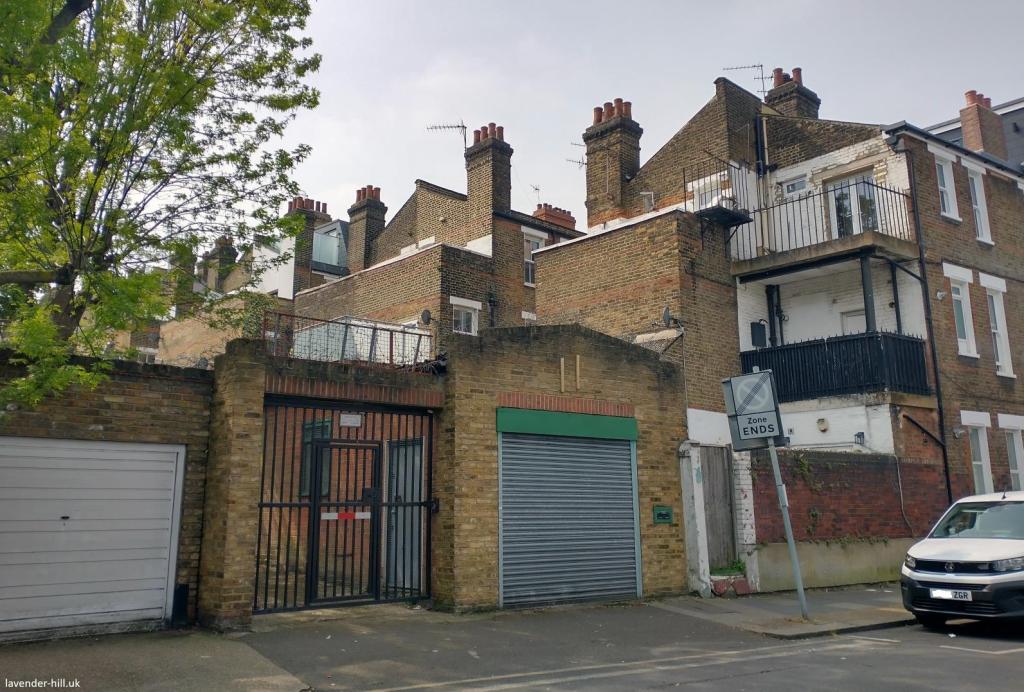
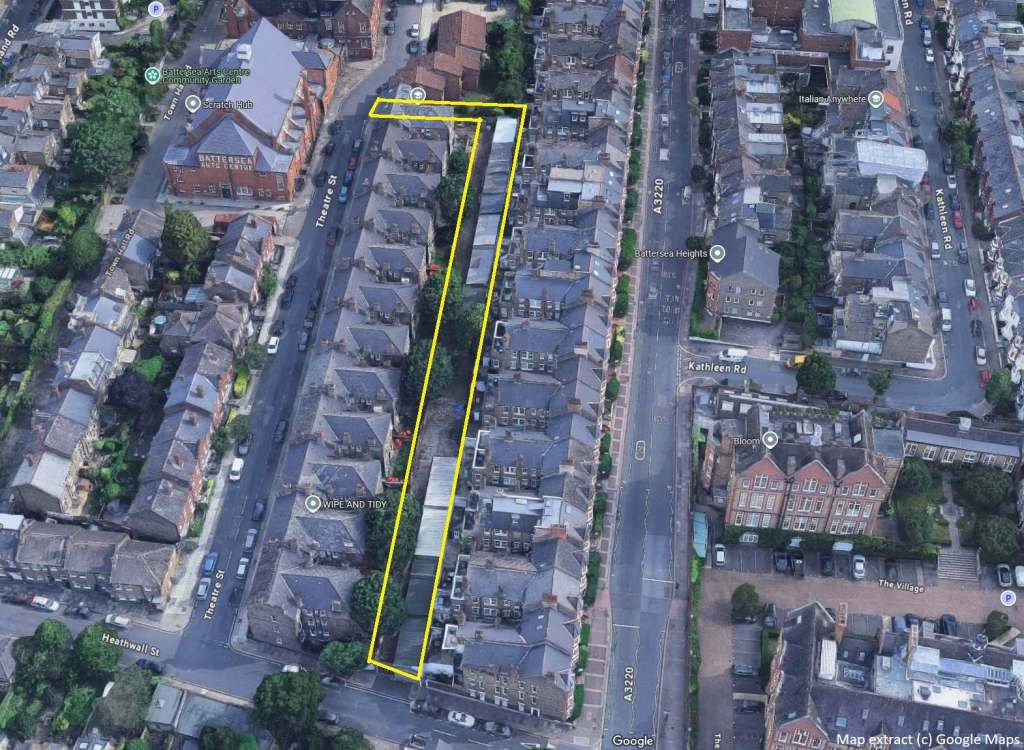
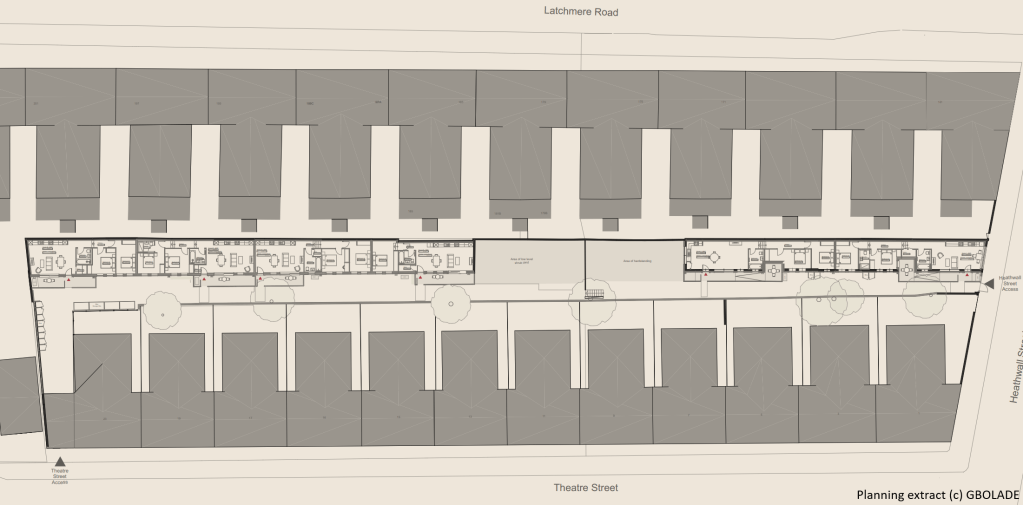
It’s rare to see new houses rather than flats in Battersea – but six of them are coming to a sliver of land you’ve probably never noticed, hidden away behind two rows of Victorian tenement flats on Theatre Street and Latchmere Street. The picture above shows their location (shaded in red) – where they will replace a series of small workshops that are spread along a thin passageway, almost completely hidden from every angle (apart from a glimpse through a gate on Heathwall Street, shown below).
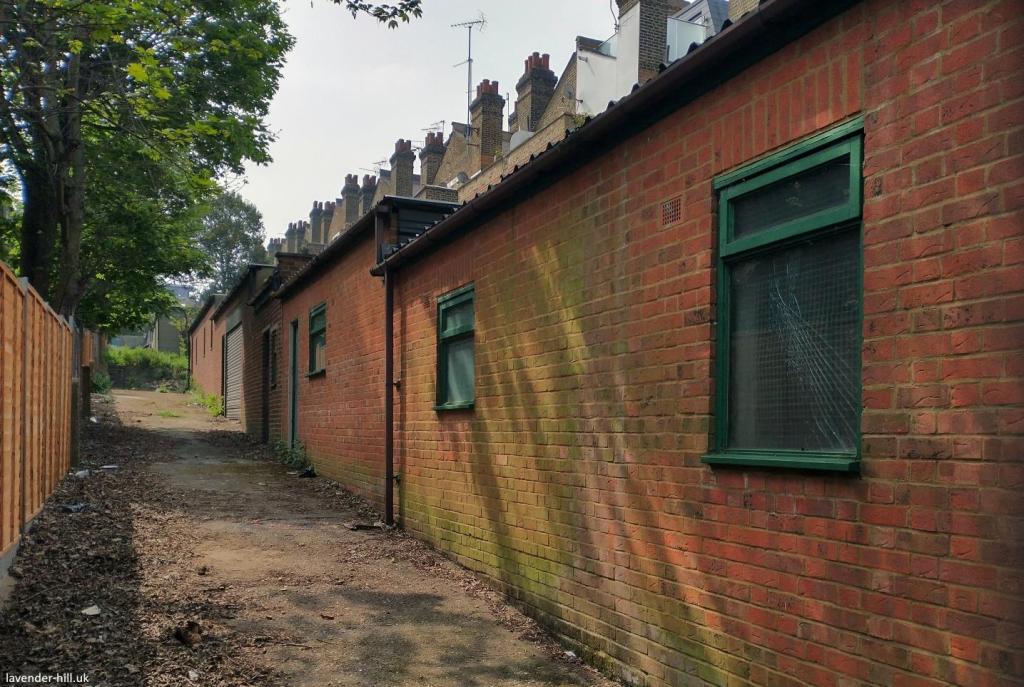
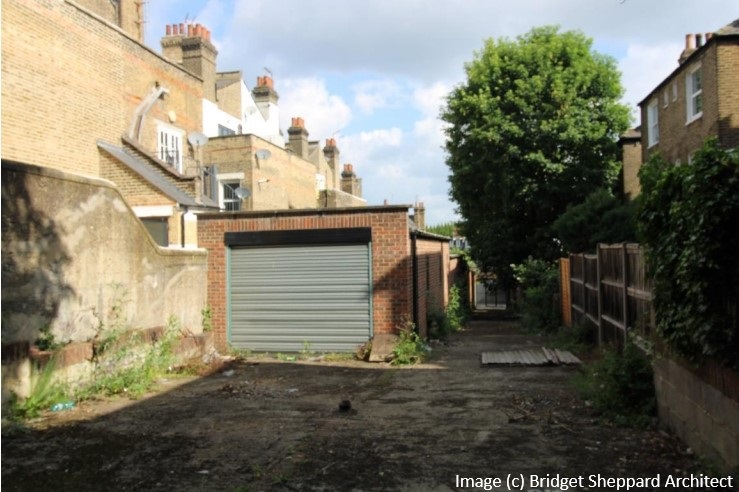
The buildings are on the right hand side of the alleyway, spread along a long slope with lots of different sections at different floor heights, and they seem to have been built at the same time as the houses either side of the alley. The heritage assessment by Bridget Sheppard notes they were built by the original developer of the houses, Albert Bussell – who planned to use them as his own builders’ yard and workshops.
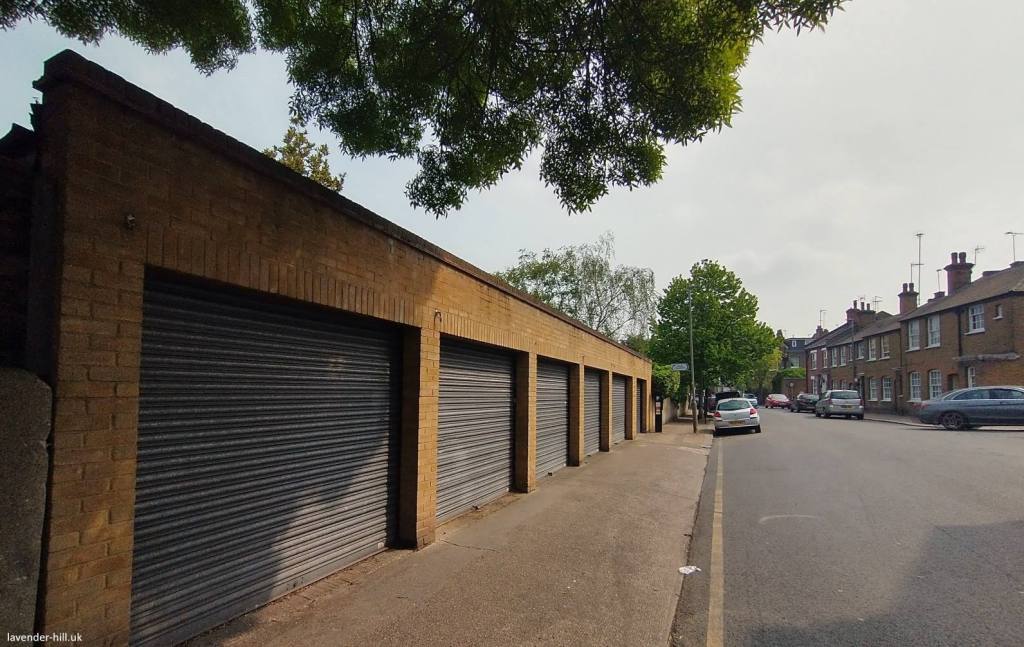
Albert’s original approach was unfortunate with hindsight, as it meant the already-very-small back gardens of his new flats ended up being truly minuscule – however he does seem to have at least built everything to a reasonably robust quality. The current buildings may not be especially pretty but they’re clearly solid, with brick walls and iron roofs, and have stood up to 150 years of use. The buildings are mostly in much the same state as when they were built, but those nearest to Heathwall Street have seen more recent changes, mainly to adapt them for use as garages.
The new plans will convert all the existing single storey buildings to six terraced houses. There’s no change in height, and the overall shapes of the buildings will remain more or less the same (even to the extent of keeping most windows and doors in the same place), which will make sure that they don’t block the light of the small neighbouring bakck gardens – but with the modern insulation, better roofs, and the more robust doors and windows that new housing needs. The plans suggest that the slightly industrial style of the buildings will be preserved in the new development.
The cluster of current buildings at the top bit of the slope nearest Lavender Hill – just inside the gate shown below – will become four houses, and a separate cluster of buildings at the bottom of the slop will become two more houses – with the proposed floor plans shown below. The houses, which will be a mixture of one- and two-bedroom properties, will all have small private front balcony areas – and there’ll also be a small area of shared green space in the middle of the development.
The general principle of conversion of these buildings from workshops to housing already has planning permission, following an application by the developer last year. Those plans received four objections and two general comments – with concerns including fear that these houses could become an Airbnb-type party zone, concerns about how foundations and party walls would be handled, worries about how fire safety and access would be maintained if the alley was to become partly used for balconies (which the Council has asked the developer to provide details of before work starts), and the lack of parking for the new houses.
There’s currently another cneighbour consultation underway on the details – including the design and appearance of the new houses. This includes, for example, the plan to include wildflower green roofs – which we hope is followed through with (even if in practice these elements seem to be consistently abandoned when the actual building work starts!), the way the doors and windows will look, and how most of the development will use a brick- and bronze- focussed set of materials. We don’t expect that any of this will be particularly controversial (and that’s despite the buildings being right in the middle of the Town Hall Road Conservation Area – the pdf map’s here – albeit not getting any mention in the associated planning guidance, probably because no one noticed them). Neighbours have fed inconcerns that the developer’s proposal to remove one of the larger trees between the two sets of buildings, but go some way to reinstating greenery with a green roof on the buildings, needs to be made a ‘binding’ commitment (which is a fair concern: as as we have oftenfound, greenery gets thrown in liberally at the planning application stage, but more often than not gets dropped when it comes to actually building projects).
Getting planning permission may be fairly straightforward – but this still won’t be an especially easy development to take forward: it’s a tight site, and the current buildings are old and tired, and weren’t originally built to be lived in and there will be quite a big job to get them up to modern standards. We suspect this may well end up being more of a ‘rebuild’ than a ‘refurbishment’ in many cases. However if the development goes ahead it should make a small but helpful contribution to local housing needs, and should create quite an interesting and quirky set of properties, hidden away in a quiet little mews right in the middle of Clapham Junction that hardly anyone knows exists.
This isn’t the first unusual houses plan on Heathwall Street – back in 2022, we wrote a post about the a planning appliation for some of this row of garages, just opposite Theatre Street Mews; which would have seen five of the six demolished, and repaced with a cleverly deigned two-bedroom house with quite a large basement, helped by a generously sized lightwell to create a bright and airy living space. That got planning (and it was the third similar planning application that had gone on for the site, with the previous two also both having been approved but both timed out after a few years without any development) – but we’re three years down the line and nothing has come of that application. Maybe the Theatre Street mews will see more action.
To see and comment on the detailed plans, visit wandworth.gov.uk/planning and search for planning application 2025/0034. Lavender-hill.uk is mainly focussed on the Lavender Hill area of Clapham Junction. If you found this interesting, you may want to see our wider articles on local environment, planning and housing issues. Some of our favourite articles are on local history, and if you live near this site you may also find our photo story on the Shaftesbury Estate of interest. To receive new posts by e-mail (for free), sign up here.
Some of the articles we write really catch on and get shared all over the place – and some don’t. Early last year, we posted someting especially niche-interest: “Lambeth’s Planning officers face the interesting question of whether Dirty Blonde is a bar or a club“. It was the stuff of geeks, going in to the lesser known backrooms of planning and licensing policy. A couple of hundred of you read it at the time; whether you made it to the end is debatable!
Dirty Blonde was a controversial business for its neighbours, and we saw fairly reular reporting of late night chaos – not that crime is a topic we cover much. However it had nothing of the wider profile that some of the previous clubs at the site used to have (notably Inigo, which was hugely popular).
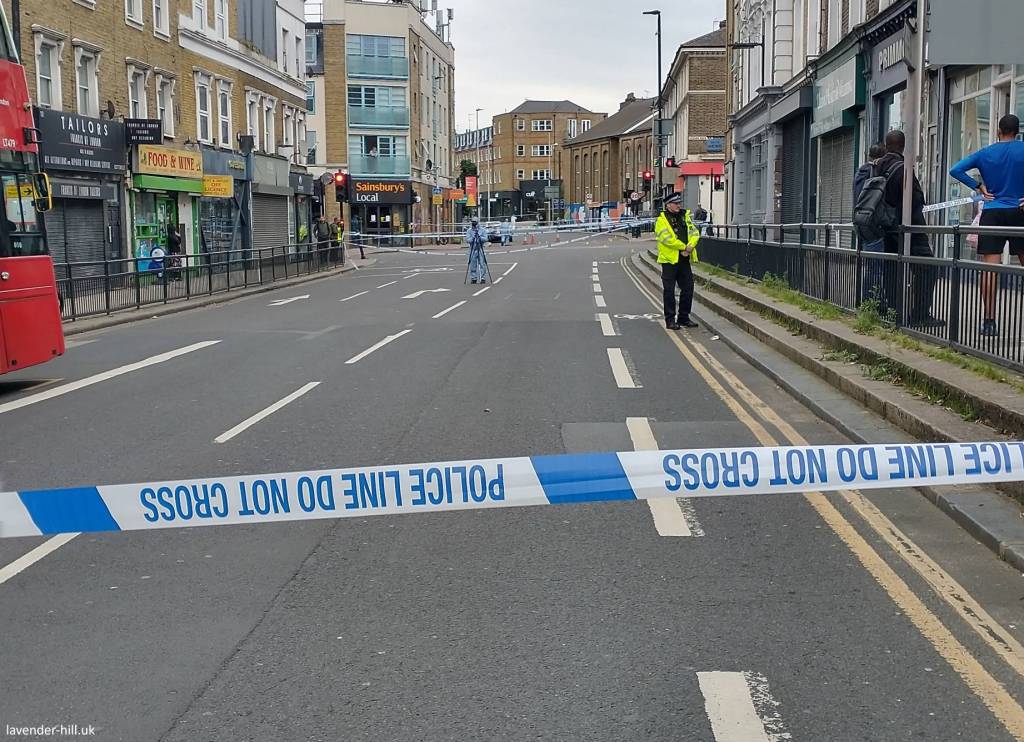
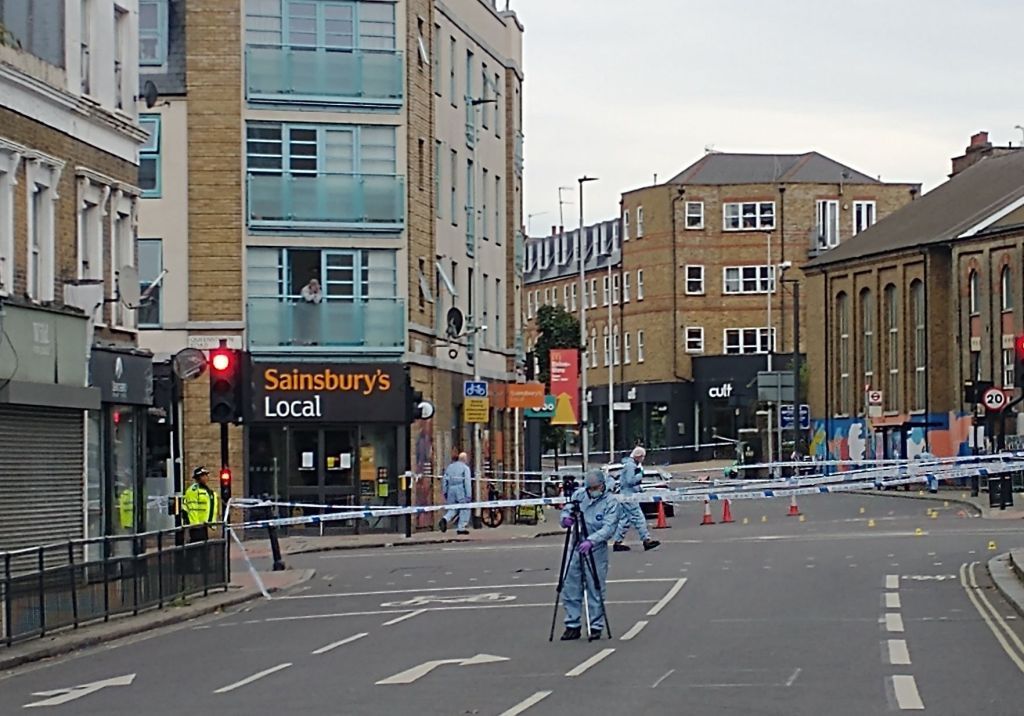
All that changed on the 29th September, when 24-year-old Dontae McLaren was murdered in a fight between about 20 people in the middle of the road outside the venue. Exactly what happened has yet to be fully mapped out (and we won’t be commenting on it here, given there’s an ongoing legal case), though it was at closing time for the club, and the sad loss of a young life followed significant ongoing concerns abut the management of the venue.
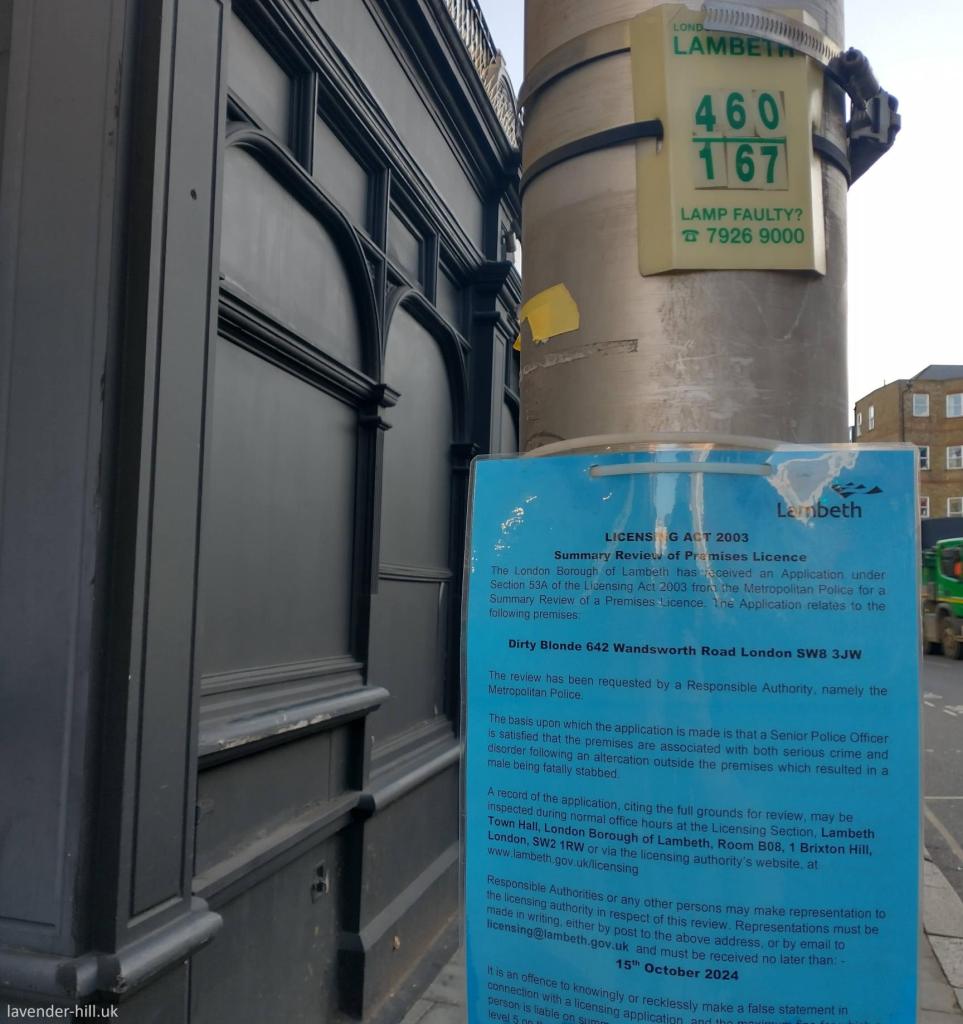
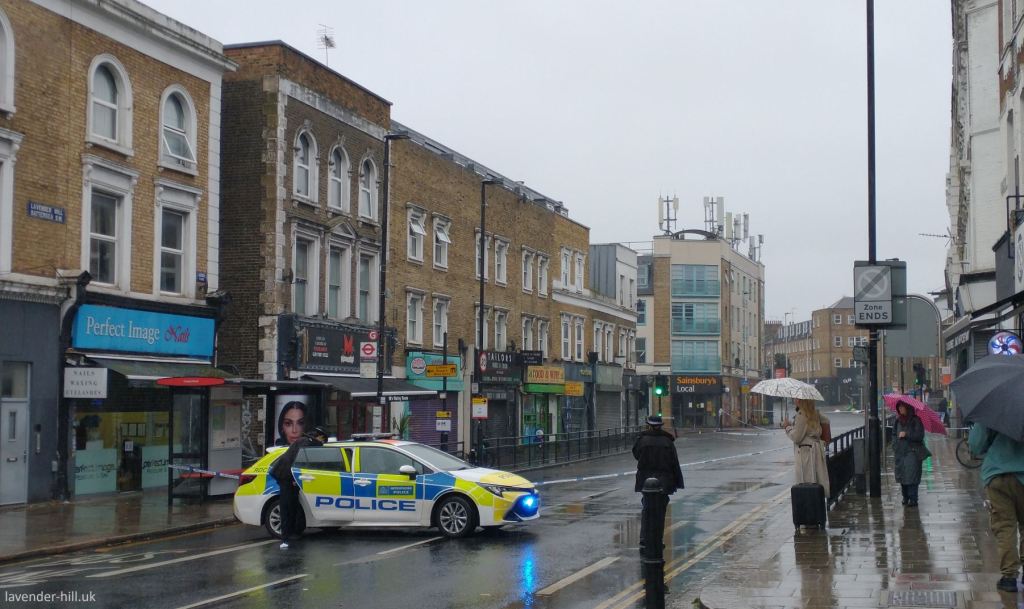
The whole area was closed for two days for a forensic investigation of the road surface – leaving Premier Inn’s guests somewhat marooned, both Tesco and Sainsbury’s closed, and all buses suspended. Our little-known article suddenly gained enormous numbers of readers. We suspect Lambeth’s licensing officers were also having a quick look at the status of the club – especially given that it had been operating in what was a bit of a licensing grey area for some years. Dirty Blonde’s license was suspended almost immediately, followed by the announcement of a Summary Review – on the grounds that a senior police officer was satisfied that ‘the premises are associated with both serious crime and disorder following an altercation outside the premises which resulted in a male being fatally stabbed‘.
That licensing review was held on the 25th October, and as the helpful report on Open Council Network shows, it was a pretty open-and-shut case! It got off to a bad start for Dirty Blonde when it wasn’t too clear that they had sent the right people along to represent themselves, and it emerged that was some confusion within the business on who even was the premises licensee. Lambeth, as the licensing authority, argued that a load of licensing conditions had been breached – including a lack of CCTV footage available for review by the police and licensing officers, the lack of an incident log, insufficient security staff, with inadequate SIA badging, training, supervision and communication equipment, the use of external promoters’ security staff, and – maybe most pertinently to the sad case of Mr McLaren – inadequate control of patrons leaving the premises.
The Met Police didn’t share all their input in public (presumably as a legal case was ongoing) – but noted they had concerns about how the venue was being run, as knives had been spotted inside the venue despite them being informed that there is a robust search regime in place; they were also concerned about a lack of CCTV. Councillors noted that the venue was ‘a magnet for anti-social behaviour that in turn fuels an atmosphere where crime occurs‘, and that not revoking the license would be irresponsible of the council and risk further unnecessary tragic fatalities. Linda Bray, ward councillor for Clapham Town, reported on complaints she had received about the premises going all the way back to 2019 – including the lack of a licence for the premises to operate as a nightclub, and the impact this had on the council’s ability to regulate its activities, a lack of communication from the premises about when events were taking place, the venue’s failure to respond to previous attempts at engagement with the council and the police, and suspicions that it was potentially also operating as an unlicensed sex premises.
Twenty nine members of the public – many from neighbouring street Victoria Rise – also opposed the reopening of Dirty Blonde, and reported a litany of anti-social behaviour, crime and noise nuisance associated with the club – inclding drug dealing and use, fighting, shouting and screaming, and cars playing loud music in the side streets – with many having a clear fear of walking past the premises at night. The past lack of response by both Police and Council to previous concerns was a frequent theme – with some shock that it has taken the loss of a young life to get a proper review of the license. This was backed up by the Regulatory Noise and Antisocial Behavious Enforcement Officer, who made similar points on behalf of Public Protection.
This was only realistically going to go one way – and the licensing hearing concluded that there was sufficient evidence to show breaches of the licence, and the licensing committee was not satisfied that the premises licence holder could be trusted to operate the premises consistently with the licensing objectives, or that any option other than revoking the license was appropriate.
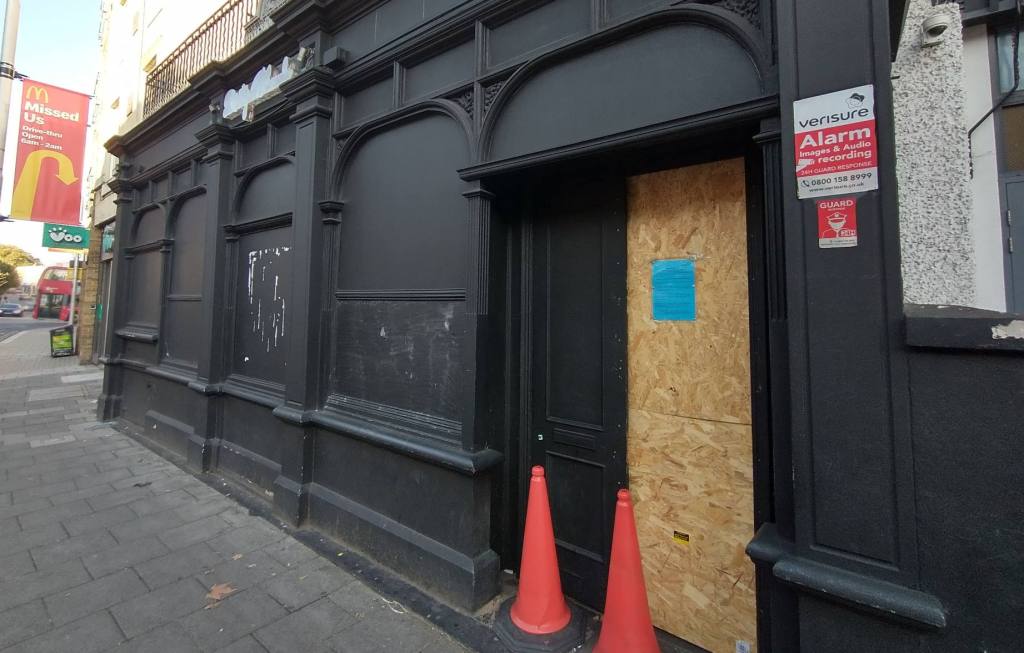
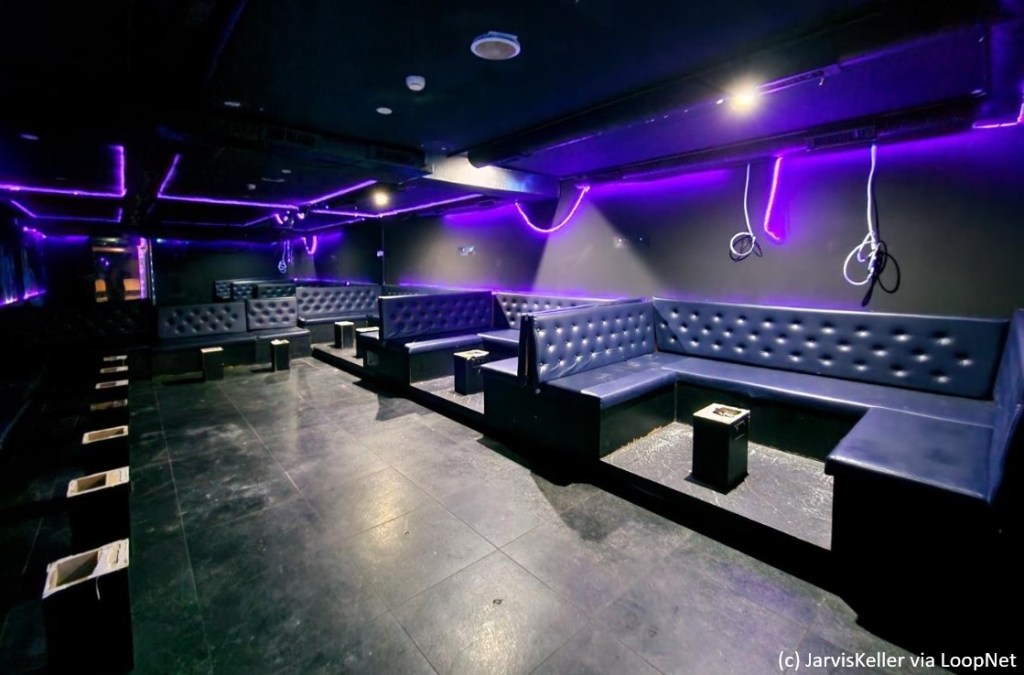
Since then the premises has had a minor clearout, with the stickers removed from the windows, and it is now up for lease with Jarvis Keller for around £90,000 a year. Residents of Victoria Rise will be crossing their fingers that it doesn’t return to all-night club use – although Lambeth’s previous refusal of planning permission for a Certificate of Lawful Development (Existing) with respect to the use of the property as a nightclub (which kicked off our first report on the venue – where planners had denied planning permission for ongoing club use, but at the ame time left a late night club license in place), and the tragic events since then, makes a new late ‘club’ license unlikely.
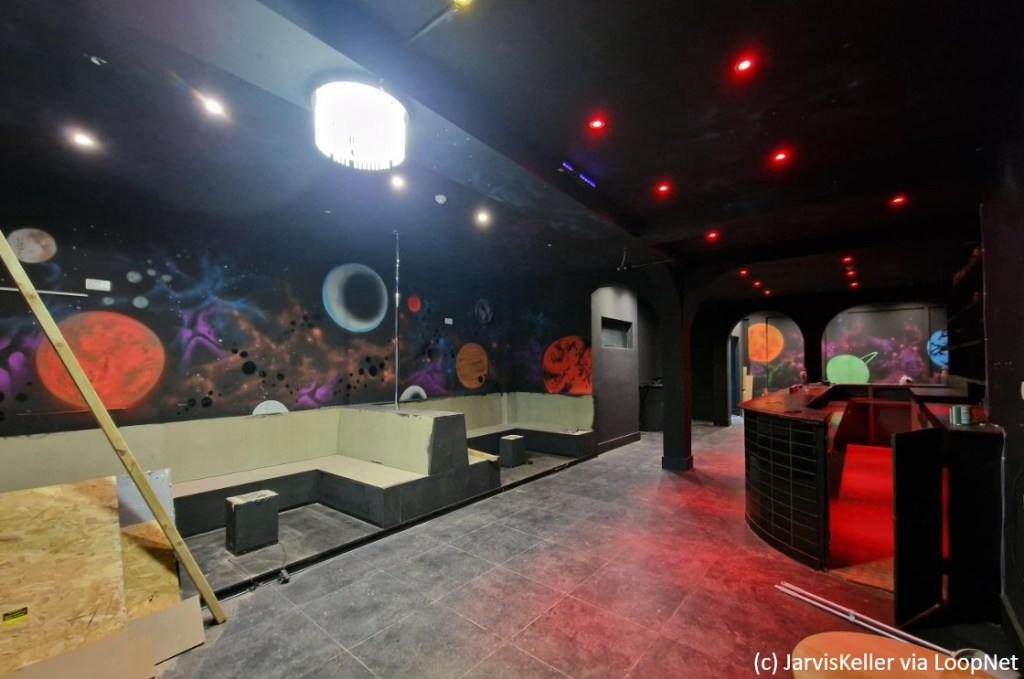
It’s a relatively large unit, as these photos from the listing show – with 3,300 square feet of space spread over the ground floor and basement – in a fairly busy area; and it could see a fair number of uses. Although it’s not seen any food trade for years, we understand that there’s still an extractor flue in place that would allow for food preparation. Historically it was a pub, the Victoria, whose name can still be seen in the stonework on the upper floors of the building – but the lack of outdoor areas and narrow pavement probably mean it’s more likely to become something else – like the Vet’s premises next door, or the growing number of specialist businesses (gyms, property businesses, interior decorators, trade suppliers…) at this end of the street. If this sounds like a premises you could do something with, you’ll want to contact Jarvis Keller.
Update (August 2025): The premises have been cleaned up and are back in business, as Nicola Arts Charity Shop – with enough space to also host art exhibitions, live open mic performances, and more.
Dirty Blonde – previously Inigo, Blake’s, Grind, and The Victoria – was at 642 Wandsworth Road, London, SW8 3JW.Nicola Arts is open there now (instagram). Laveder-hill.uk posts from time to time on developments in the Lavender Hill area of Battersea, London – if you found this of interest you may want to see our other recent posts on retail and on food and drink in the area, or to sign up to receive new posts by email. And if you’ve got tips or insights on any of the areas we cover – get in touch and let us know!
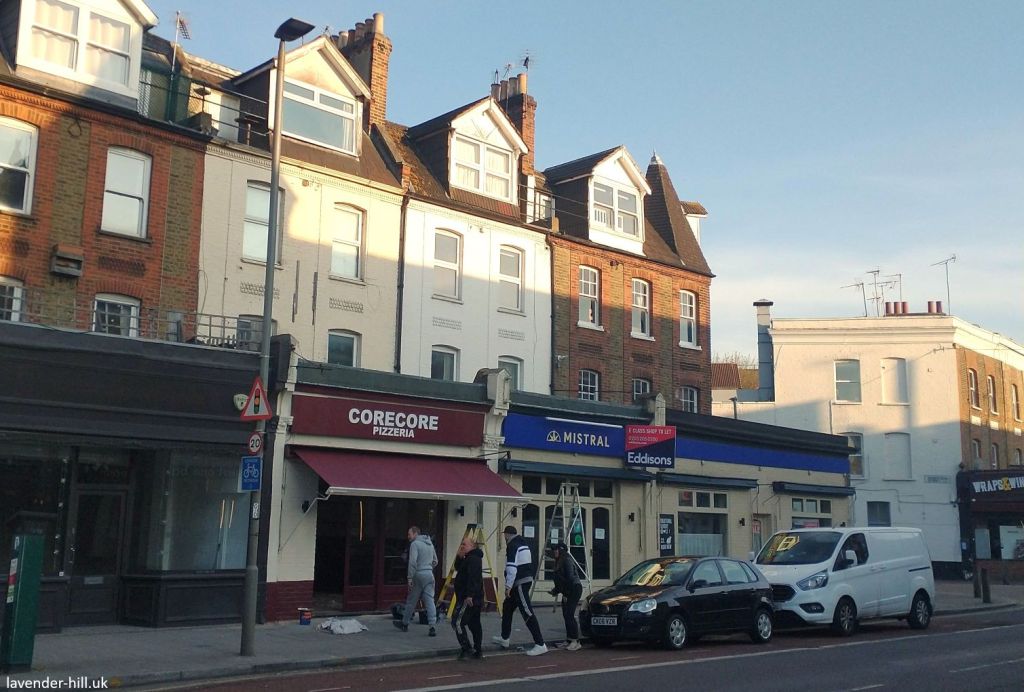
The large corner unit at 36-40 Queenstown Road was for well over a decade home to Le Pot Lyonnais, a neighbourhood bistro offering classic Ferench fare done to high standard. In early 2024 the restaurant had a comprehensive refit and relunched as Mistral – while still focussing on the best of French food. It got off to a strong start, but sadly the restaurant suddenly closed after just a few months in May, following the death of owner Patrick.
The landlord has now split the site in to three smaller shops. Some are currently still to let (the middle one is currently to let for about £20k a year), but the left hand one will soon be opening as Corecore Pizzeria. Their core product is very much the traditional Neapolitan pizza, with the sides and extras you might expect. Owners Giovanni and Carmen of Corecore aren’t starting from nothing – they’ve been trading locally for the last two years, from a ‘dark kitchen’ at the nearby business centre on Ingate Place, which hosts quite a variety of businesses who solely sell food via delivery apps. They’re well reviewed – and have also got a solid 5 hygiene rating from the Food Standards Agency. Of course they’re not the first Neapolitan pizzeria (and have the formidable competition of consistent top performer Pizzeria Pellone) – but it’s fair to say demand for good pizza seems to be very large in Lavender Hill.
Moving from a dark kitchen to a full restaurant is quite a common way for businesses to grow – we have seen a fair few do this on Lavender Hill over the years, including Remedy Kitchen who started out in an industrial unit near the heliport, as well as several non-food businesses who have ‘graduated’ from smaller premises within the Battersea Business centre as they have grown. For food businesses moving from a dark kitchen to an actual high street premises brings new costs – but also gives the business a lot more profile and visibility, and aloows for the more profitable options of in-house dining, as well as customer collections. Delivery apps typically take a cut of a third of the restaurant’s takings (in addition to what the customer pays for the delivery), so even with a 10-15% collection discount there’s still a better margin for the restaurant if some local customers come and collect in person (and it’s also why prices on delivery apps can sometimes be higher than on takeaway menus, and menus restricted to the more profitable items).
We look forward to Corecore’s new venture opening – which is planned for the 1st May. We’ll keep you posted on what happens to the other two units next door.
Corecore Pizzeria, 40 Queenstown Road, London SW8 3RY. Planned opening is the 1st May (though they’re already trading via deliveroo and Just Eat from Ingate Place). We post from time to time on developments in the Lavender Hill area of Battersea, London – if you found this of interest you may want to see our other recent posts on retail and on food and drink in the area, or to sign up to receive new posts by email. And if you’ve got tips or insights on any of the areas we cover – get in touch and let us know!
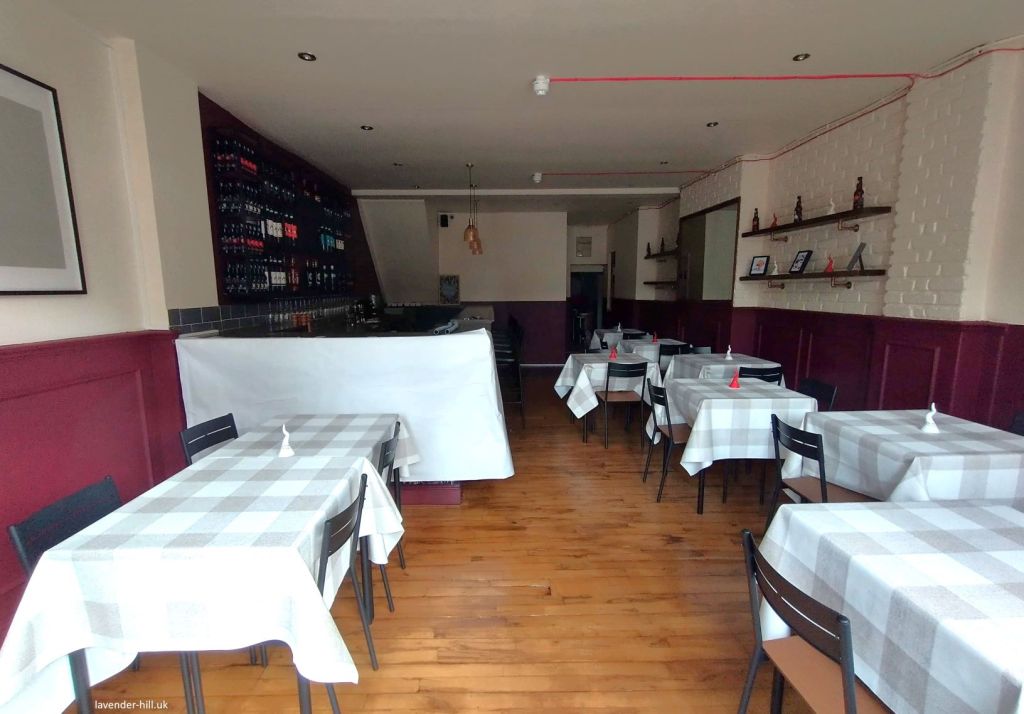
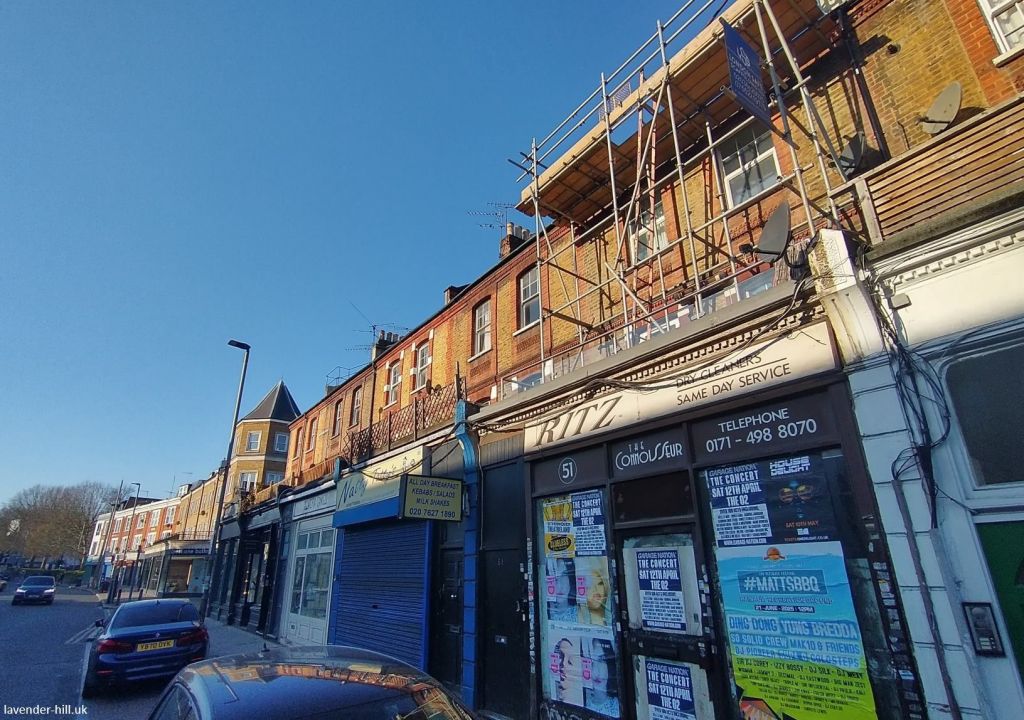
It’s been a minor mystery for some time. 51 Queenstown Road was once the home of Ritz Dry Cleaners – but they closed maybe 20 years ago. Since then the shop has sat empty, keeping a rare example of a classic ‘0171’ inner London telephone number on its sign; these were replaced with 0207 numbers way back in 2000. At first someone kept the windows cleaned, but that stopped at some point and No. 51 has been getting gradually more and more buried under posters and adverts. The street around it has evolved in the decades of emptiness – losing most of its general retail, but finding a new market as it gained an ever larger number of interior design businesses, as well as seeing a bit of a growth in restaurants.
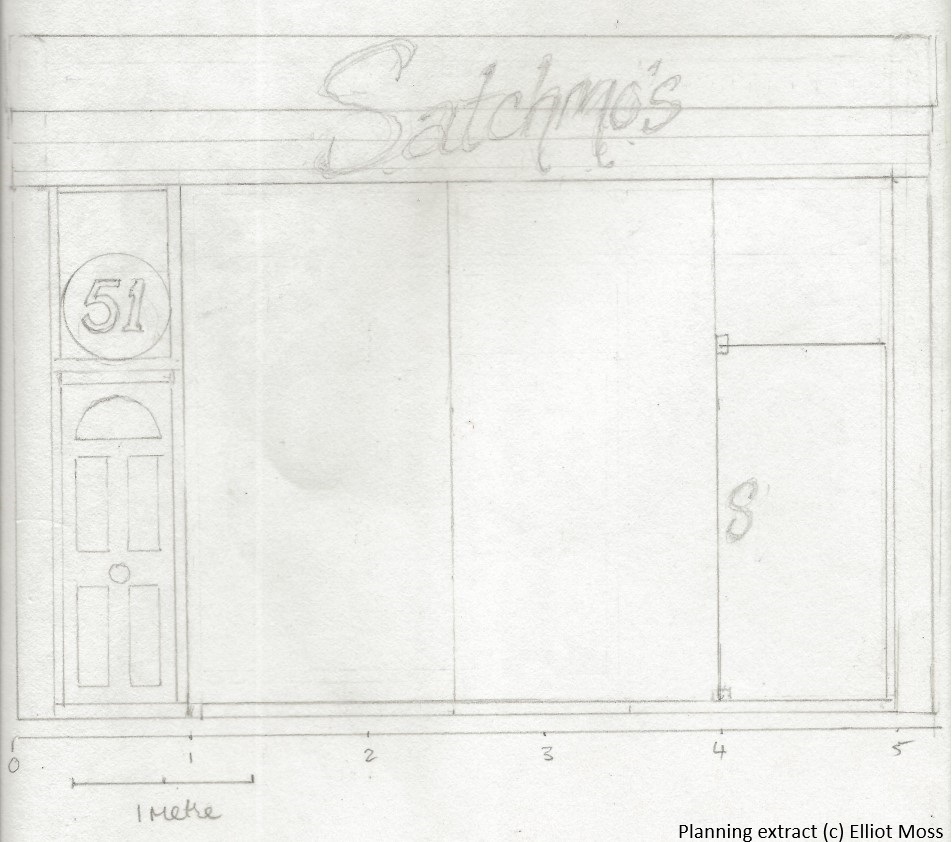
It’s always curious when this happens for so long – especially when so much potential rental income is left on the table, with rents for some of the units like this approaching £20,000 a year. We’ve seen a few cases where properties got caught up in probate issues, some where the owners own a lot of properties and have their focus elsewhere, and some where elderly owners struggle to manage their properties. Sometimes landlords are waiting for leases on other partys of buildings to end, to pave the way for bigger redevelopments. In a few (rare) cases, the owners can’t be traced at all! We don’t know what the story is in this case – although back in 2016, when Ritz Dry Cleaners had already been closed for several years, permission was given for the dry cleaners to be converted to a restaurant, which the planning documents suggest could be called Satchmo’s. It never happened, and for the following decade, the unit remained empty. The only clue we have here si that the current proposals are from the same applicant as the never-implemented 2016 plans – Mr Elliot Moss.
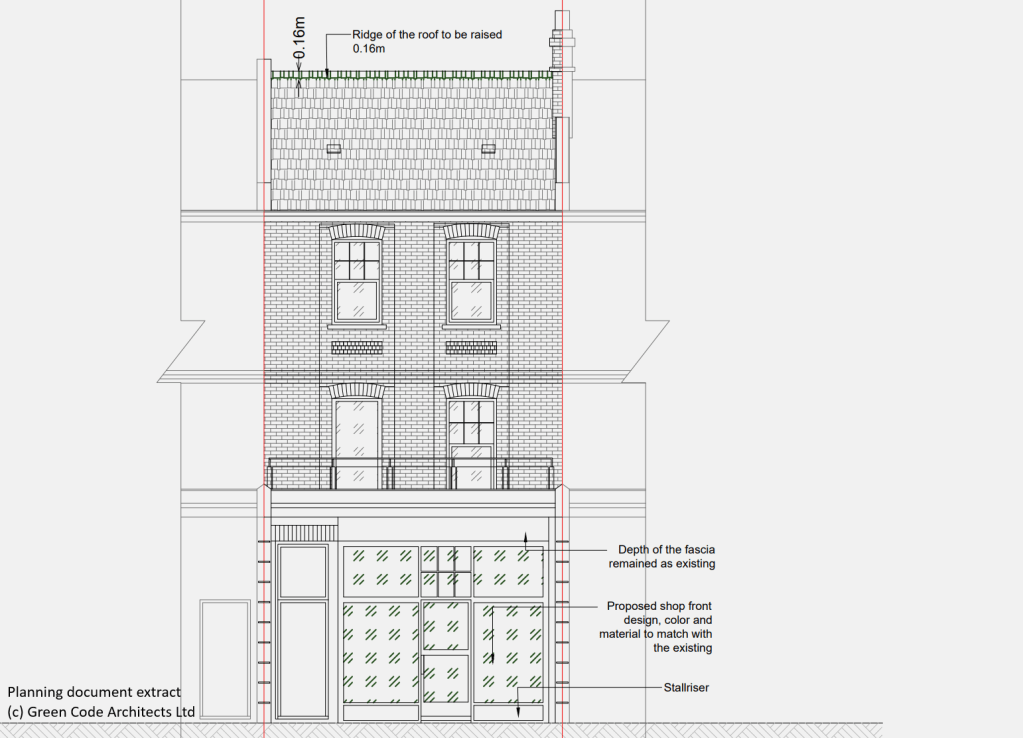
But now new plans have emerged to redevelop the building – and refurbish the shopfront to a condition where it can again be let out. The image above shows what’s planned – which includes a new shopfront that is a bit more consistent with its neighbours, but otherwise doesn’t make all that many changes. On the inside of the shop, not a lot will change – but a slight reshaping of the shop unit will make a more efficient use of the space. The plans also include a general reorganising and sorting out of the rest of the building, including a small ground floor extension at the back that will allow the existing flat behind it to be converted to a more open-plan and efficient layout, and a mansard extension to convert the currently-unused loft to an en suite bedroom, similar to what has already been done in some of No. 51’s neighbours – accompanied by a barely noticeable increase to the roof level. None of this looks to be controversial; at the time of writing there are unrsurprisingly no comments on the proposals. Fingers crossed these works will lead to this long-vacant retail unit, which has frankly become a bit of en eyesore, come back in to use.
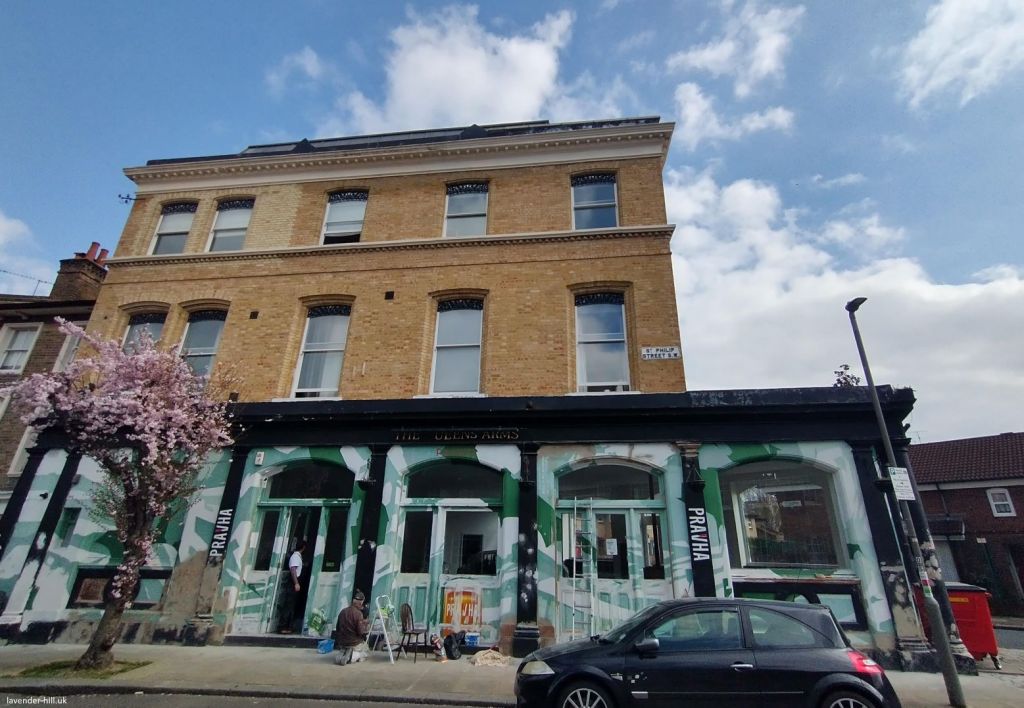
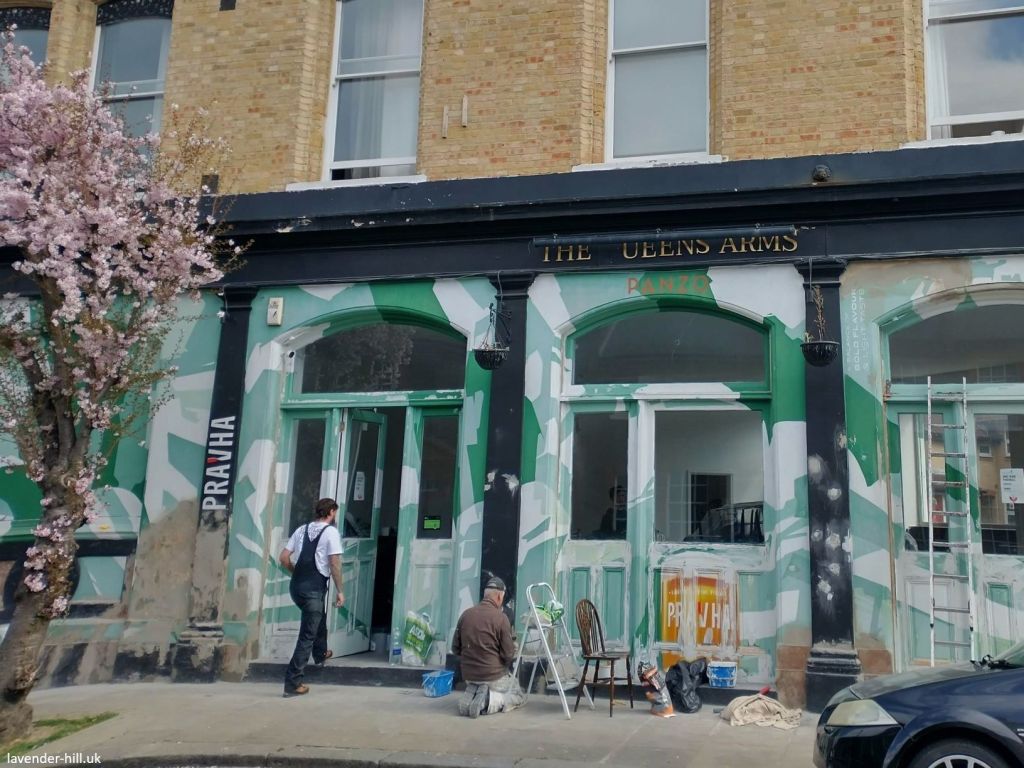
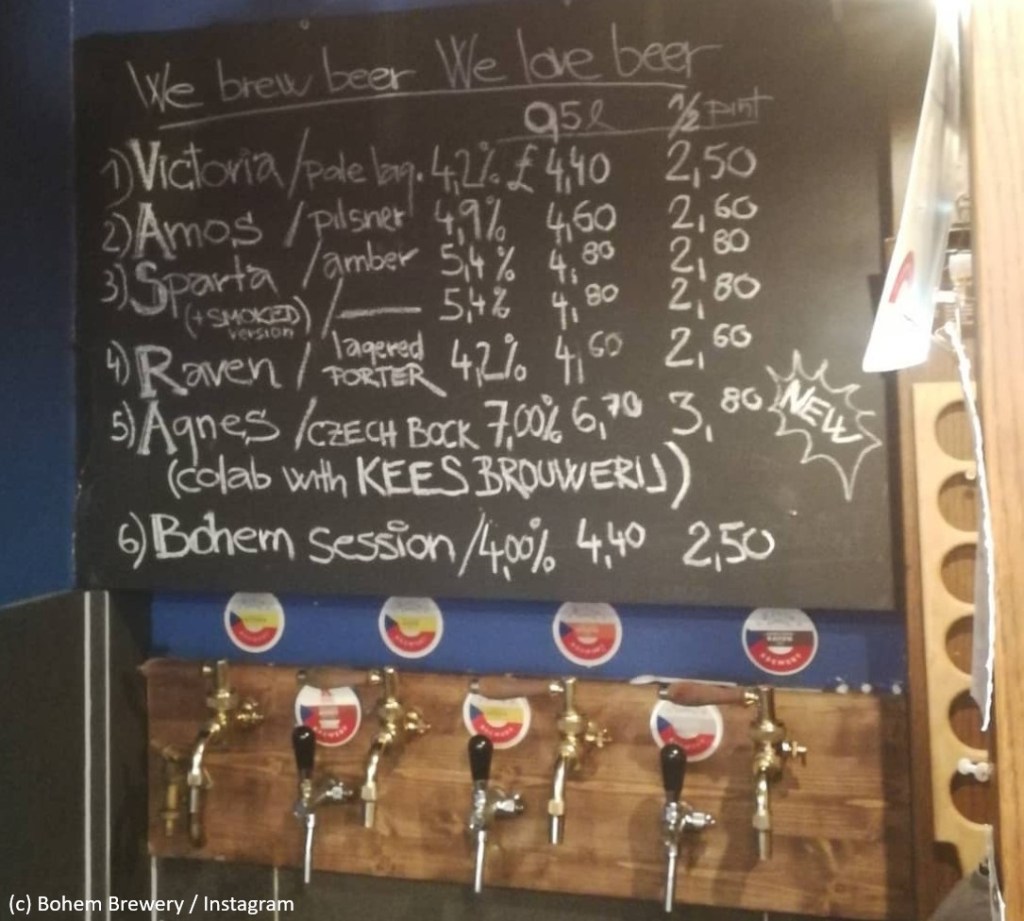
A new pub’s coming to Battersea – and it’s set to be a bit special. The Queen’s Arms, which has stood empty for a couple of years, has a new landlord – as the third venue for Bohem Brewery, who specialise in traditional Bohemian-style lagers. Bohem are a proper brewery – putting considerable effort in to making the best beers, brewed by Czechs and Slovaks, in London. Their brewery is hidden away in an industrial area close to Spurs’ stadum in Tottenham, and uses bespoke equipment imported from the brewers’ homeland; it also sells to a range of other pubs round the country.
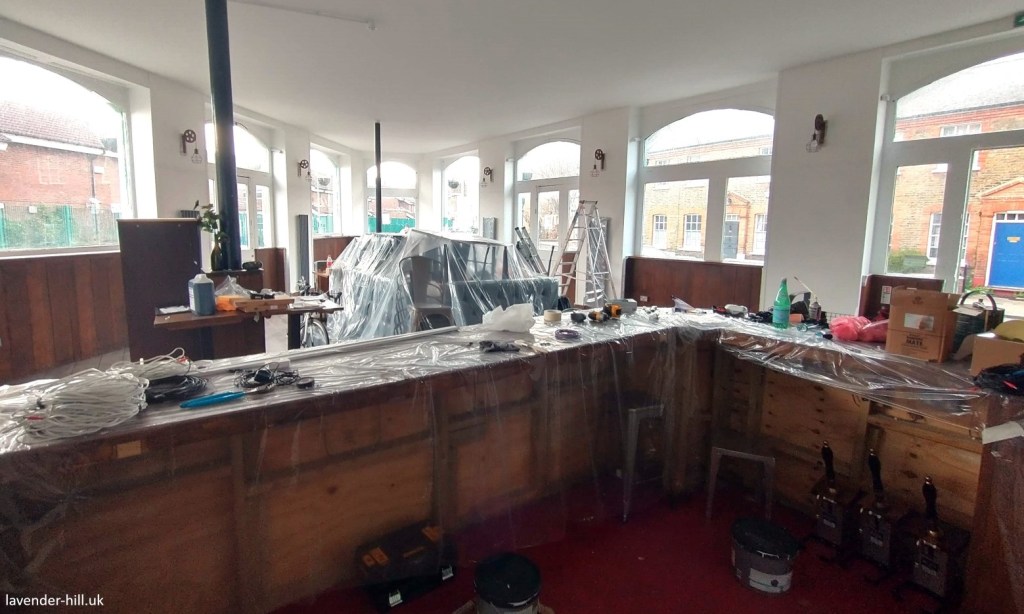
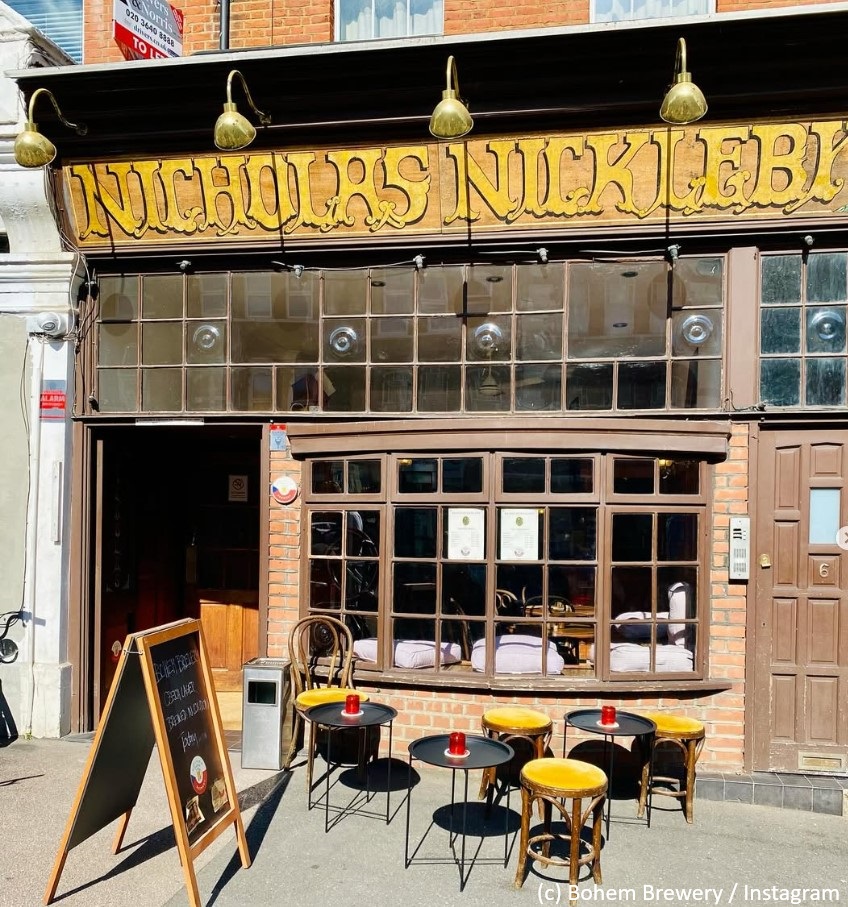
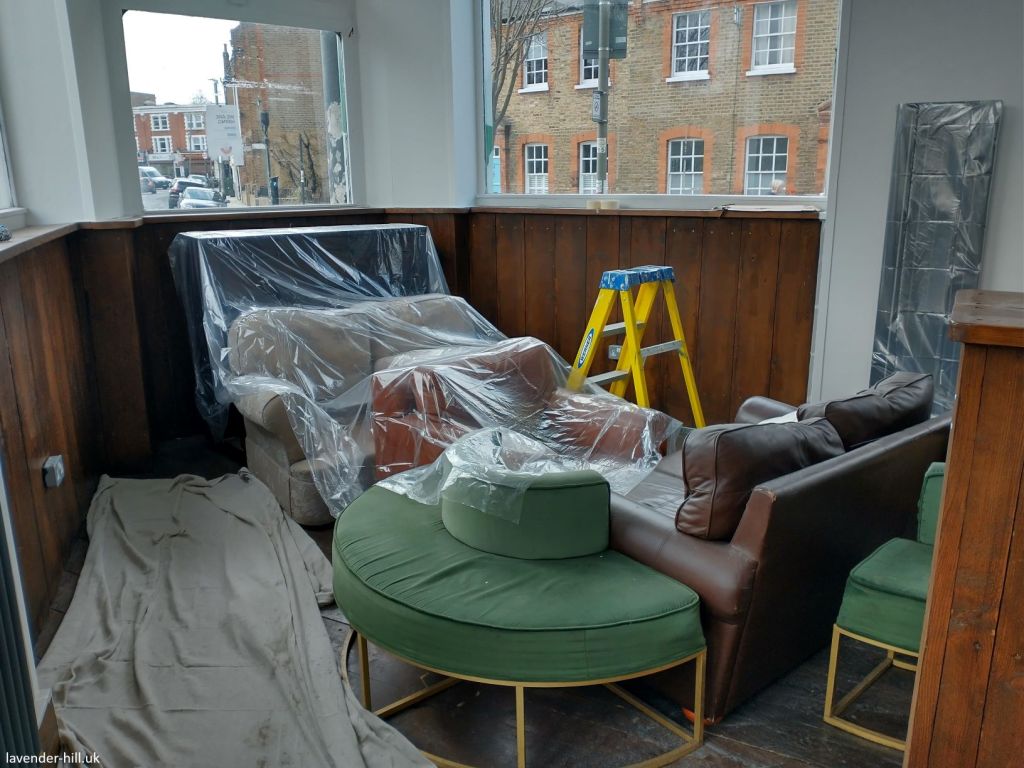
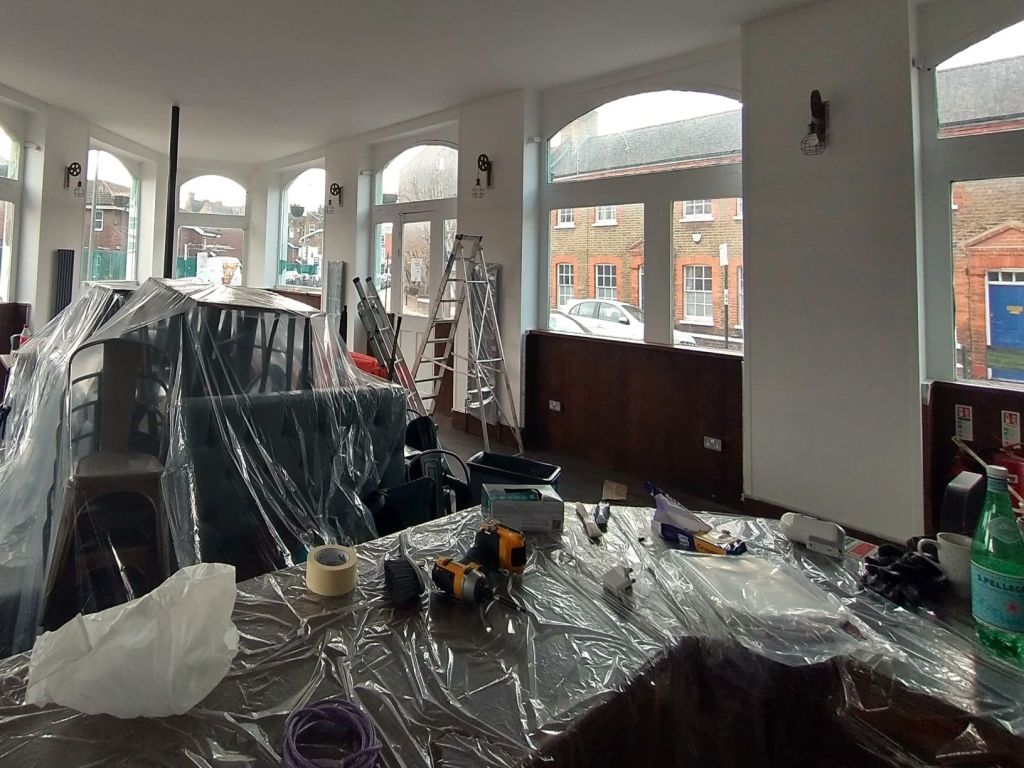
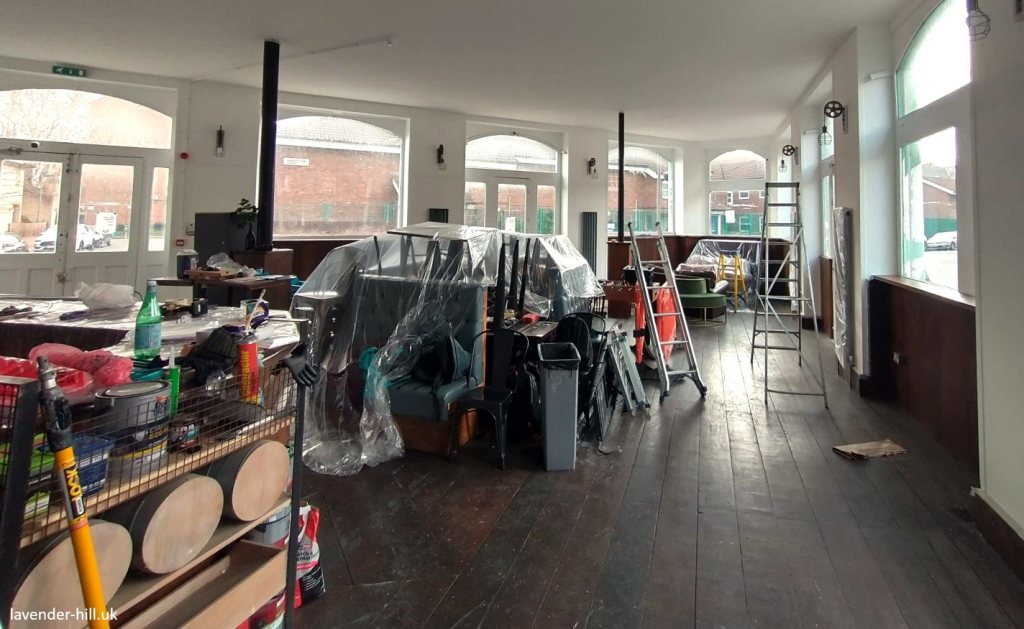
We caught up with General Manager Jakub, who already runs the Nicholas Nickleby pub in Finsbury Park, and explored the works in progress to update the pub and prepare for opening. His vision for The Queens Arms is similar to Bohem’s two existing pubs in north London: they;r enot making a beer hall, but instead want to create a proper welcoming pub with a Czech twist – that combines the best of London & Czech beer & pub culture. Our photos are of the works in progress, about a week ago, when the power was not yet up and running and there was a lot to do. But fear not – progress is ongoing and chances are by the end of the month or so this will be a fully operational pub!
Bohem started out in 2018 with the Bohem Tap Room in Bowers Park (north of Wood Green) – which was their first venue, and which stands out for its diminutive size – being a fairly small shopfront. They went on to take over the Nicholas Nickleby in Finsbury Park, pictured below – a somewhat larger and more classically pub-like vene.
The Nicolas Nickleby also has London’s first chladici vana, or cooler bath, a contraption that makes sure that the beer glasses are clean, wet, and above all cold: by removing the temperature change between the cold room and the tap, the beer is doesn’t get a shock when it’s poured, th eplan si to have one at the Queen’s Arms as well
Bohem’s own beer unsurprisingly has pride of place in their pubs – however they go well beyond this, with a range of imported Czech wines and spirits, rotating guest beers, and a variety of foods including some Czech specialities. All Bohem’s beers are brewed using imported double decoction brewing equipment, and traditionally lagered at low temperature for a minimum of six weeks. The beers at the Queen’s Arms will be served from Lukr side-pour taps (which are a rare thing in London – they’ve been imported from the Czech manufacturer), pouring beer directly from a cold storage room in the authentic Czech style.
The Queen’s Arms is an excellent purpose-built Victorian pub – with high ceilings, loads of space, lots of light, the choice seat being the one below in the corner – as well as the option to use a sunny pavement area that has the benefit of being off the main road. However the challenge of the site has long been just that, that it is just off the main roads, so the landlord needs to be a little better known to attract custom. Bohem’s unique offer of a beer lover’s dream, with beers you can’t find anywhere else around, live music, classic pub games, proper Czech pouring techniques, together with the strong popularity of their existing two venues, looks like just the thing to relaunch the Queen’s Arms.
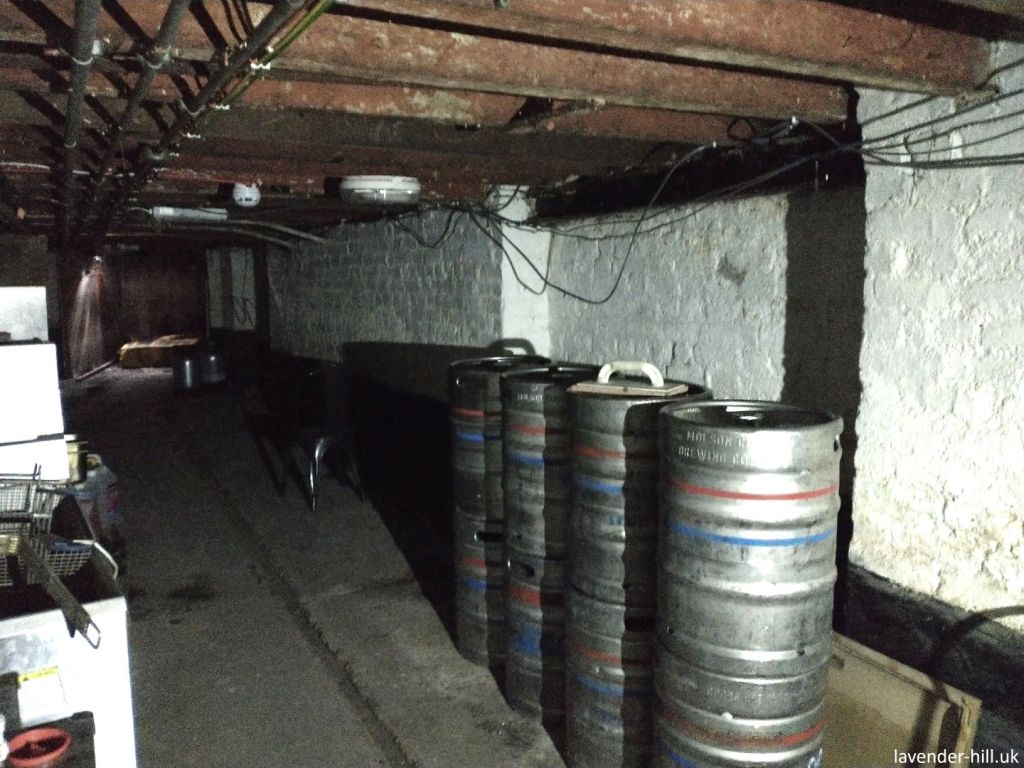
While the work is ongoing we explored the whole of the site, incuding the surprisingly extensive basement – which has lots of separate sections and is a bit of a labyrinth, much of it with a just-slightly-too-low ceiling that makes it not especially useful other than for beer storage.
However something we didn’t know is that one of the high-ceilinged sections of the basement includes a fully fitted modern kitchen, which will open up considerable catering possibilities. The Nicholas Nickleby has developed a reputation for quality Czech pub snacks, and the plan is to do something similar here.
There’s still lots of work to do – but the aim is to open within the next few weeks. It’s good to see the return of the Queen’s Arms, and especially to see it with suah an enthusiastic team behind it – bringing something quite different to Battersea. We’ll keep you posted in the countdown to the opening – and do make sure to pay our new local a visit when it opens.
The Queens Arms, 139 St. Philip Street, Battersea, London, SW8 3SS – opening soon. In the meantime Bohem Brewery‘s Instagram, including reports on the work in progress, is here. We post from time to time on developments in the Lavender Hill area of Battersea, London – if you found this of interest you may want to see our other recent posts on food and drink and retailin the area, or to sign up to receive new posts by email.
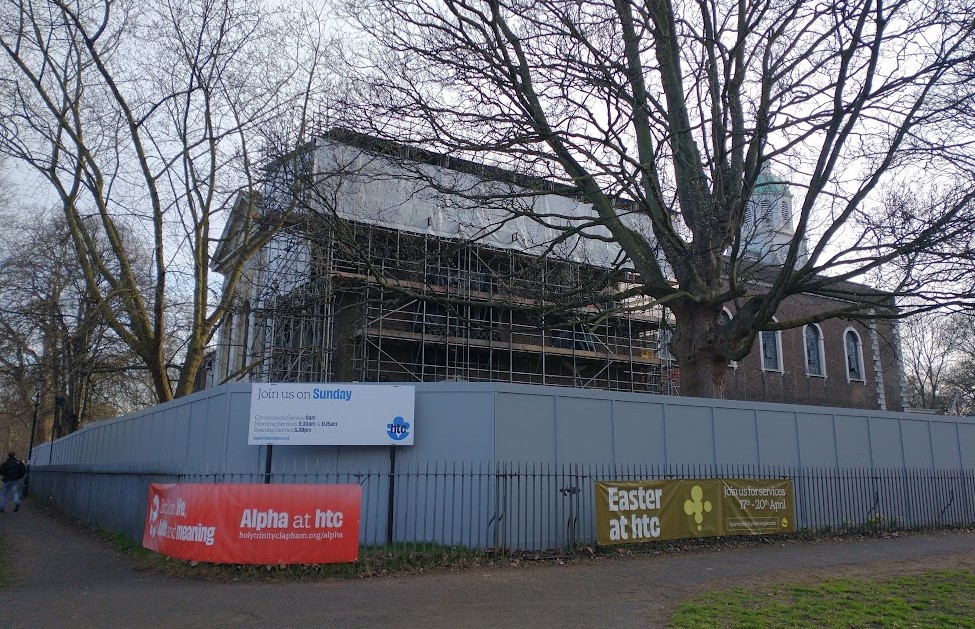
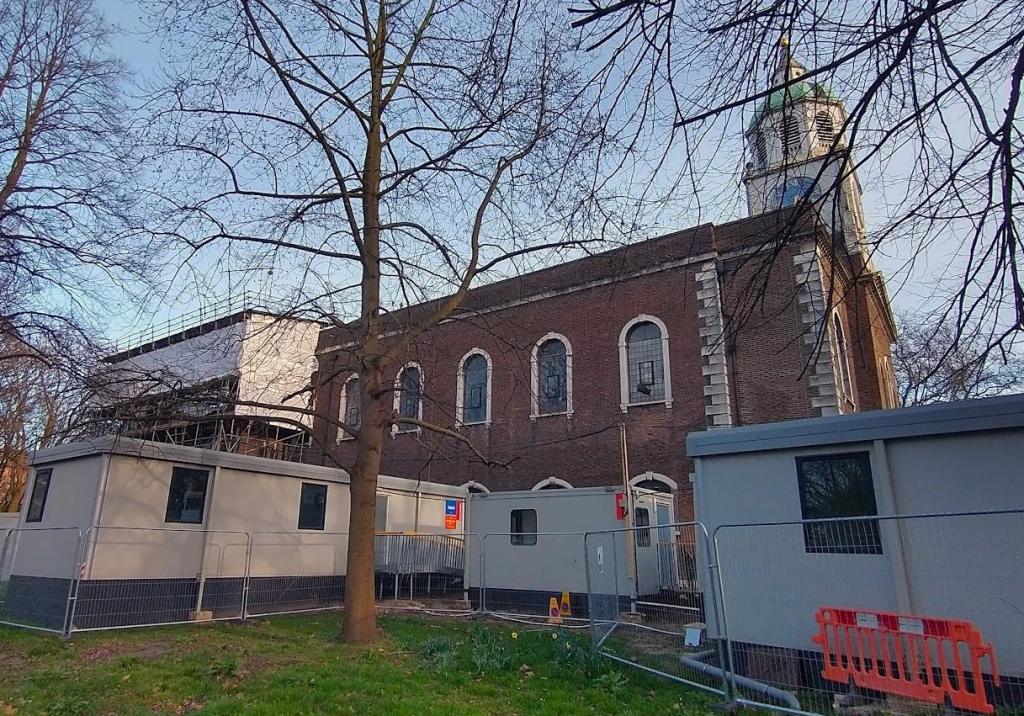
It’s rare to see a church turn in to a building site – especially one as prominent as the Holy Trinity, which is surrounded by part of Clapham Common. We reported back in 2021 that plans were afoot to extend the building and modernise its facilities, and works have now started – with half the church surrounded by construction hoardings.
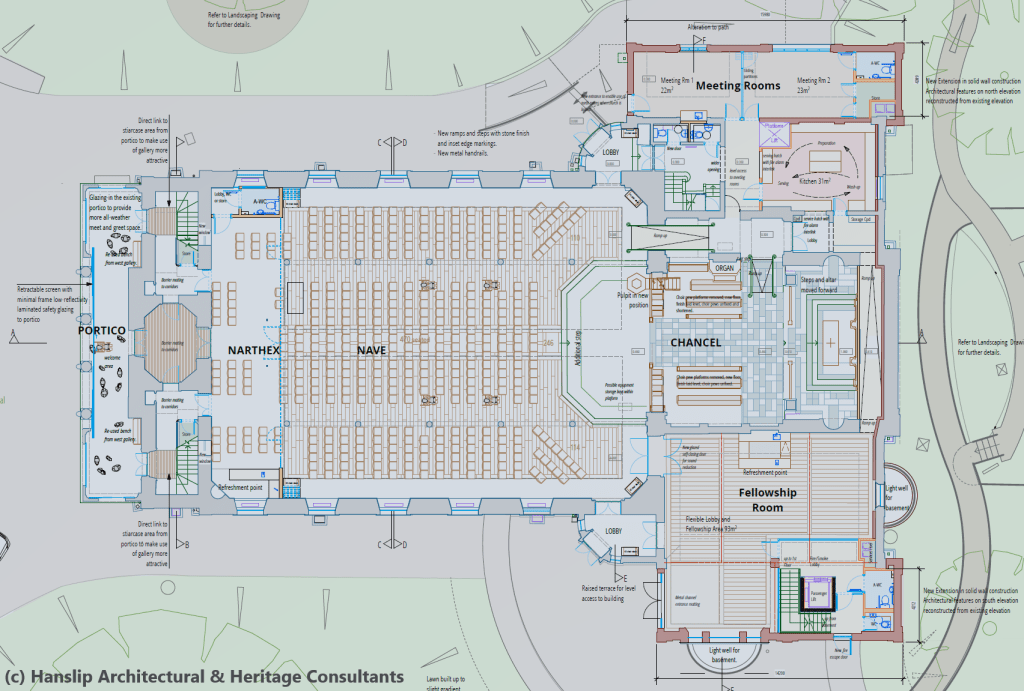
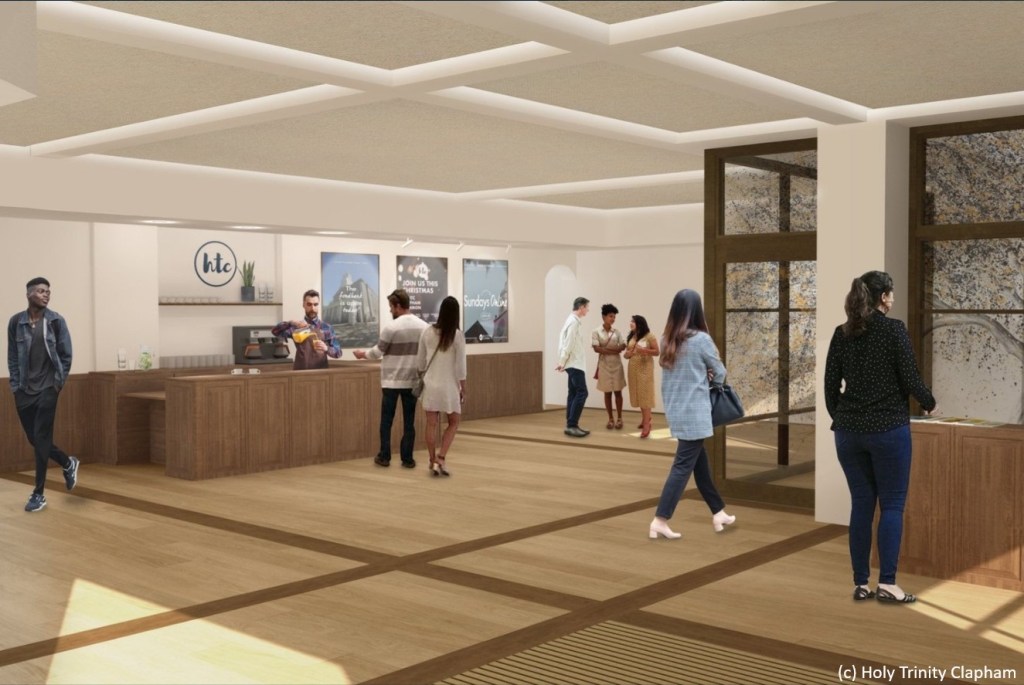
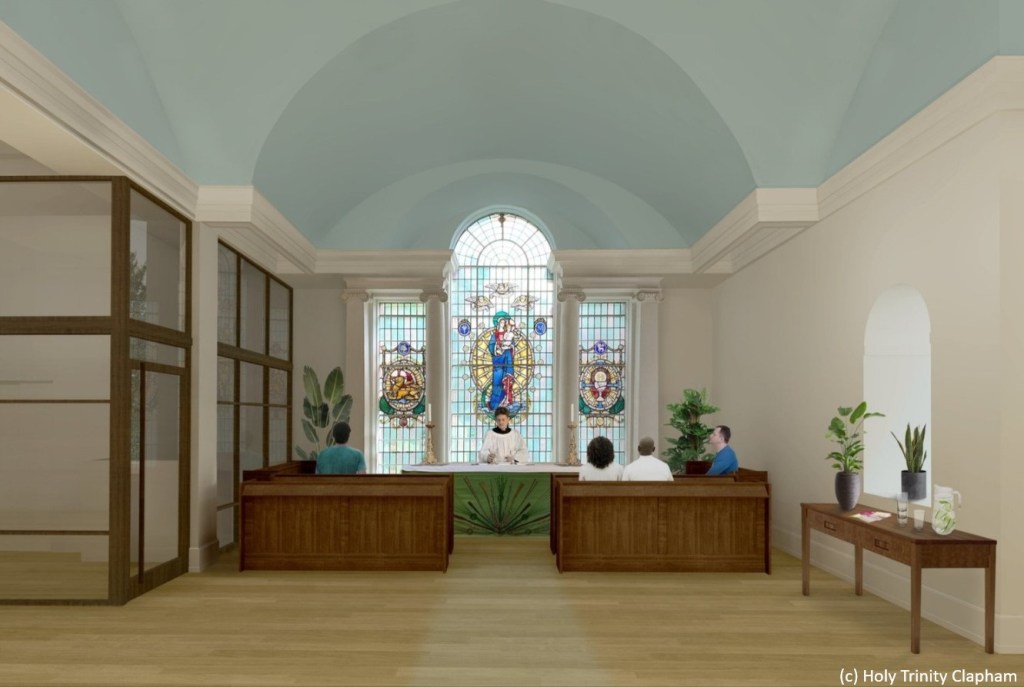
The project is essentially a set of extensions and changes to make the church a more flexible building, and open it up to wider set of uses. The north vestry will be extended to add four new meeting rooms spread over two floors, and the former south chapel will also be extended to include a disabled accessible entrance, ‘meet and greet’ space including tea and coffee facilities (pictured below), new fully accessible toilets, a new kitchen facility, and a lift and stairs down to the basement (a well as new lightwells to bring daylight to the basement).
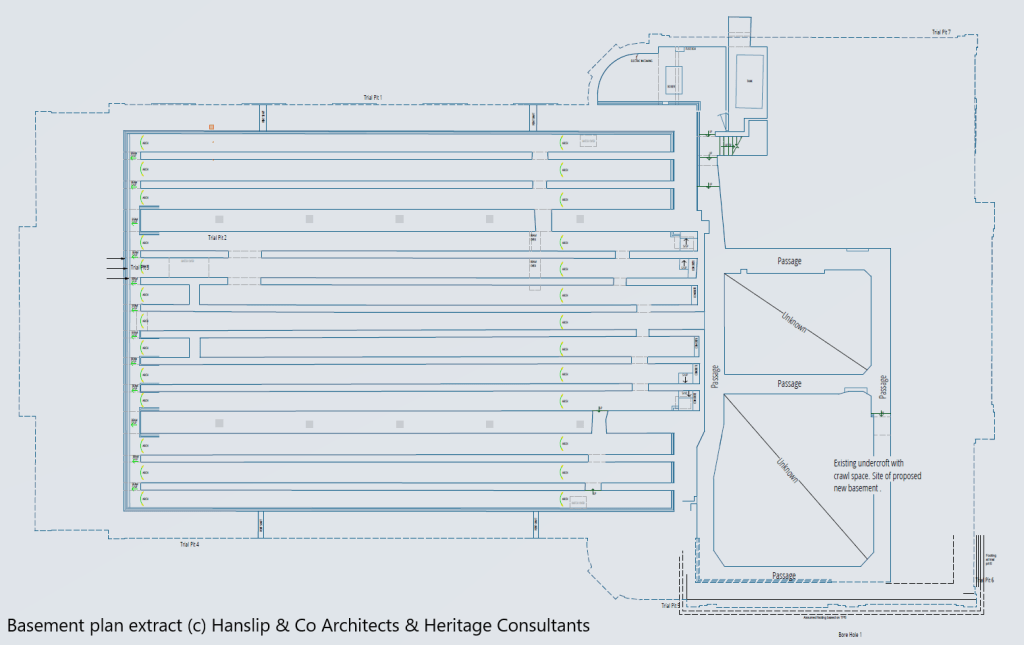
Now having mentioned the new lift to ‘the basement’ – there’s not currently a basement in the church! Just a series of narrow arched vaults and passageways, with a couple of larger crawl spaces at the south east corner of the building – as shown in the basement floorplan below. As part of the extension work, some of the baement is being excavated and turned in to usable space.
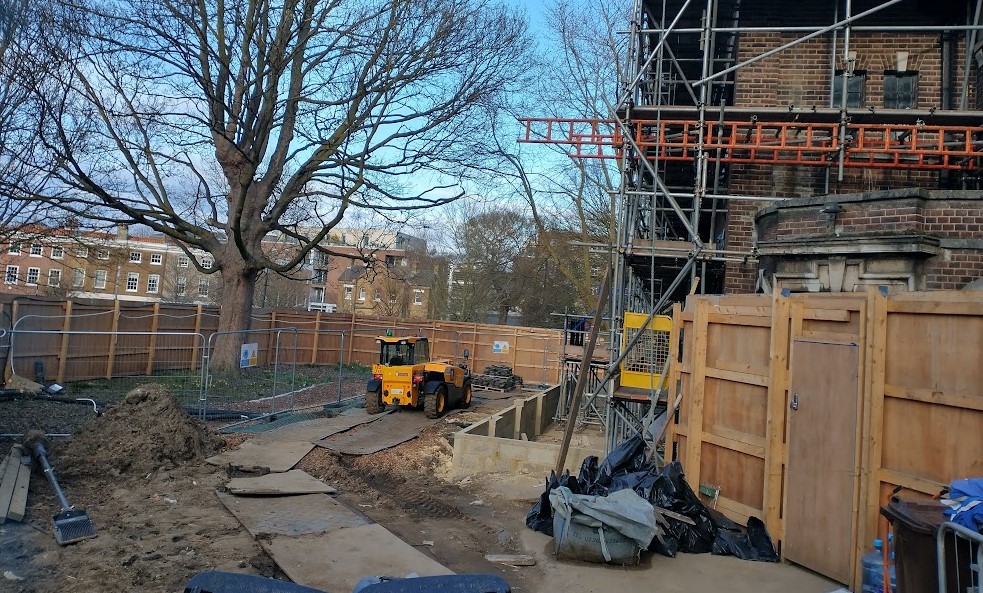
The extensions are essentially going to make the two parts of the church that stick out at the sides, now stick out a bit further – in a pretty similar style to what is already there. And works are now well underway – with the aim of finishing by the end of the year. At the north side of the church a small brick wall is in place, which looks like the edges of a poured-concrete foundation for the extension.
The south side now has the foundations for the new basement in place, which are just about visible in the picture below behind the area of new tarmac surfacing.
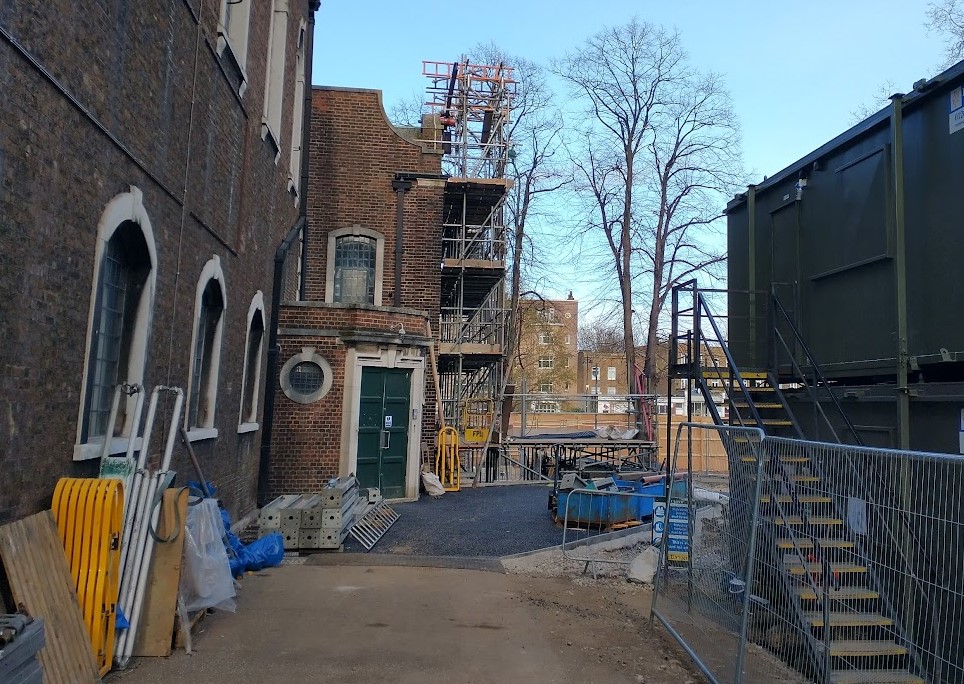
The first floor of the extended south wing (pictured below) will include the relocated stained glass window – and the scaffolding visible in the above photo is likely to be preparing for its temporary removal.
A whole load of site cabins are currently scattered around the site – some as site offices, but most serving as temporary accommodation for activities that would normally take place in parts of the church that are closed for building works.
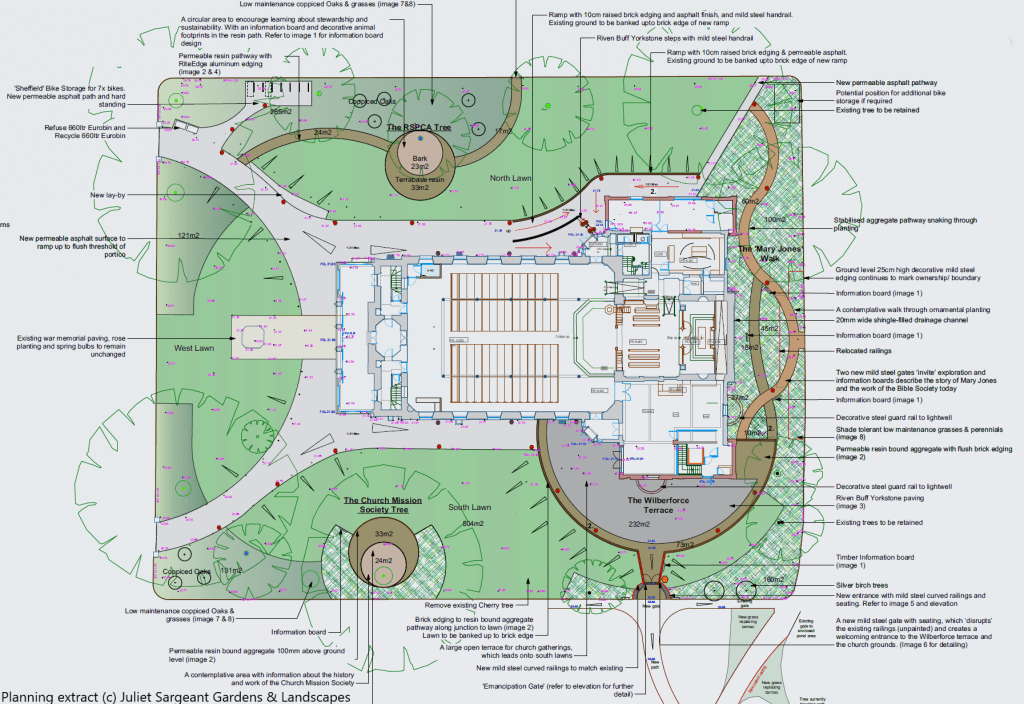
There will be works to the landscaping, including a new entrance gate with curved railings and seating at the south east corner of the church crounds, which will lead to a new outdoor terrace for gatherings (to be called The Wilberforce Terrace – the bit in grey in the diagram below – and named after former local resident, and leader of the movement to abolish the Atlantic slave trade, William Wilberforce). There will also be a more richly planted area with new paths around the eastern side of the church, and a refresh of the lawns and some new trees.
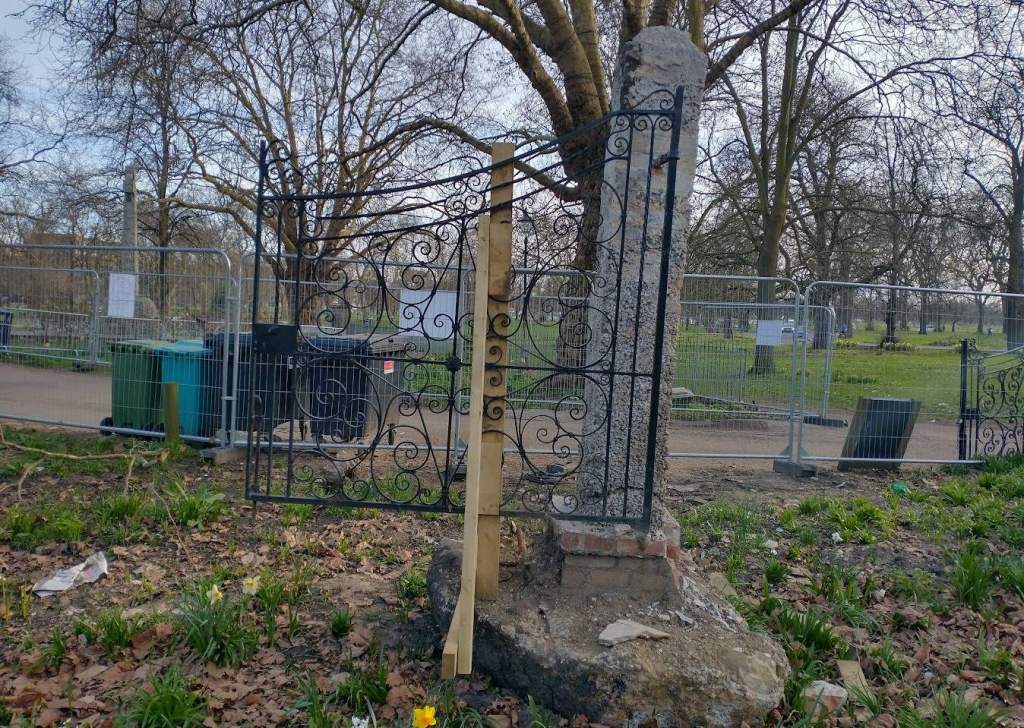
One slightly intruguing sight on the building site is one of the old gates, which has been removed to widen the entrance route and allow larger construction vehicles in to the site. The whole structure including its foundation has bene lifted up and moved out of the way, supported by a wooden prop. The gate post has been stripped down at the same time to reveal the rough concrete core.
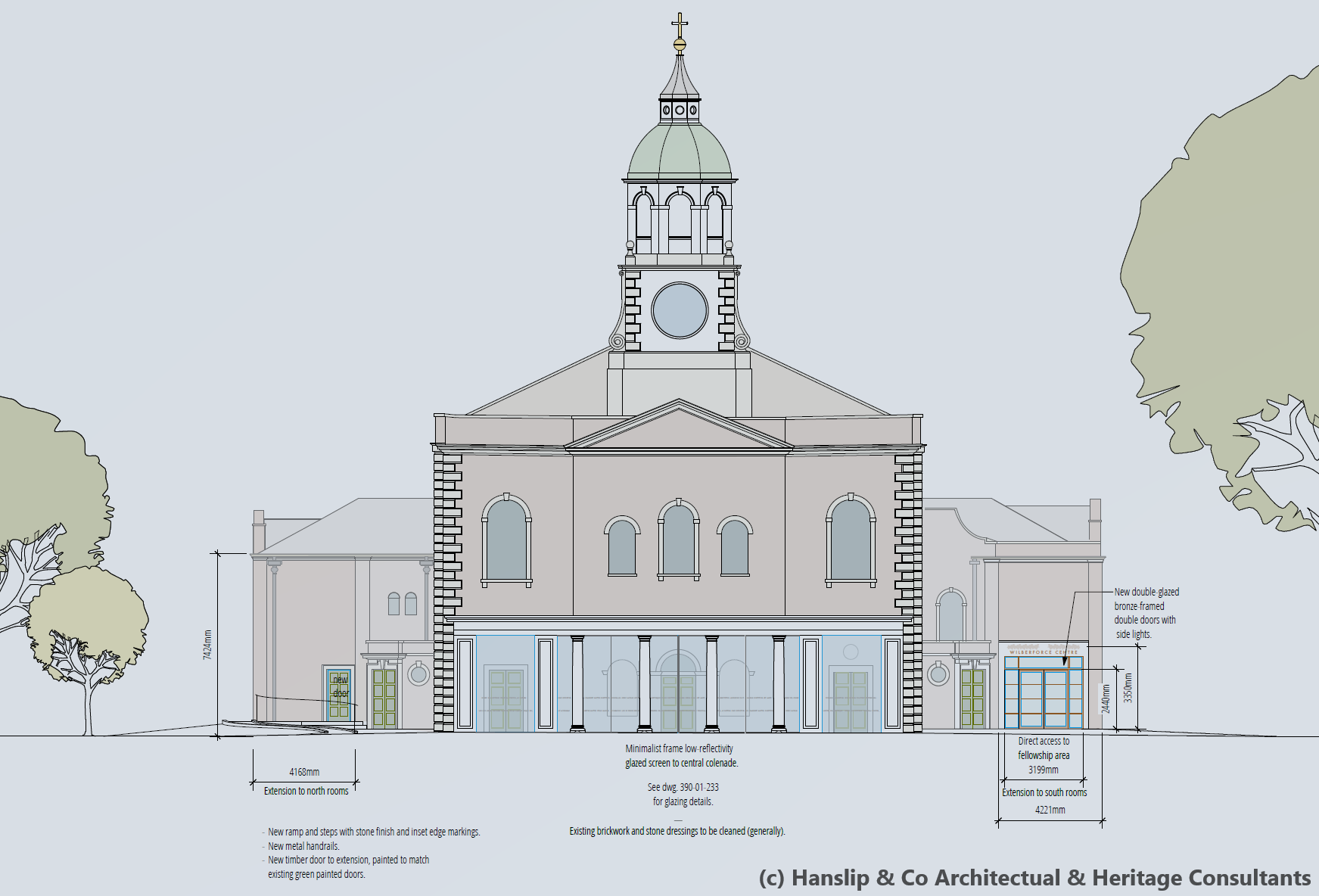
The original plans involved demolishing the portico, and rebuilding an extended version of it, which would have changed the overall proportion and appearance of the church quite significantly. This led to quite a lot of concerns – so the plans were revised to keep the portico much the same size as it is, but close off the entrances with glass (shown in the planning diagram below). This still proved controversial – so the plans were then revised a second time to make no changes to the front of the building.
Changes are also planned for the interior – in particular moving the pulpit, and removing the pews. This also proved controversial during the planning process, and it’s a frequent debate in the church world: on the one hand, pews are part of the core fabric of a church, and removing them fundamentally changes the original interior. On the other hand, they do really limit the use of the building to activities involving linear rows of seating, which makes it harder to use the building for anything other than the classic church service. Following concerns, including from the Clapham Society, the plans were changed to keep some of the pews within the northern upper gallery. There will be a new and improved audio-visual system so everyone in the building can clearly hear and see what is going on, including those in the galleries.
It’s a big and ambitious project. The church’s congregation has grown significantly over the last decade to over 700 people on a Sunday, and these works will help the building handle the needs of these much larger crowds. The church already has many calendar clashes in accommodating the various groups, courses and meetings that are part fo running a modern church, and has to use other spaces away from the church for the children’s groups that support Sunday services. The new meeting spaces in the extensions will be able to host all these at the main building, alongside the main services.
Regardless of whether you’re religious, it’s good to see this carefully thought through, sensitive project to refurbish one of the major landmarks of the Common and prepare it for the future. It’s a sizeable investment coming in at a shade over £6 million – coming from a mixture of some grant aid but mostly donations from 350 individuals. Holy Trinity are still looking for donations to complete the building works – partly because changes to tax rules have increased the overall cost. More details on what to do if you’d like to support the works, and the wider project, are here.
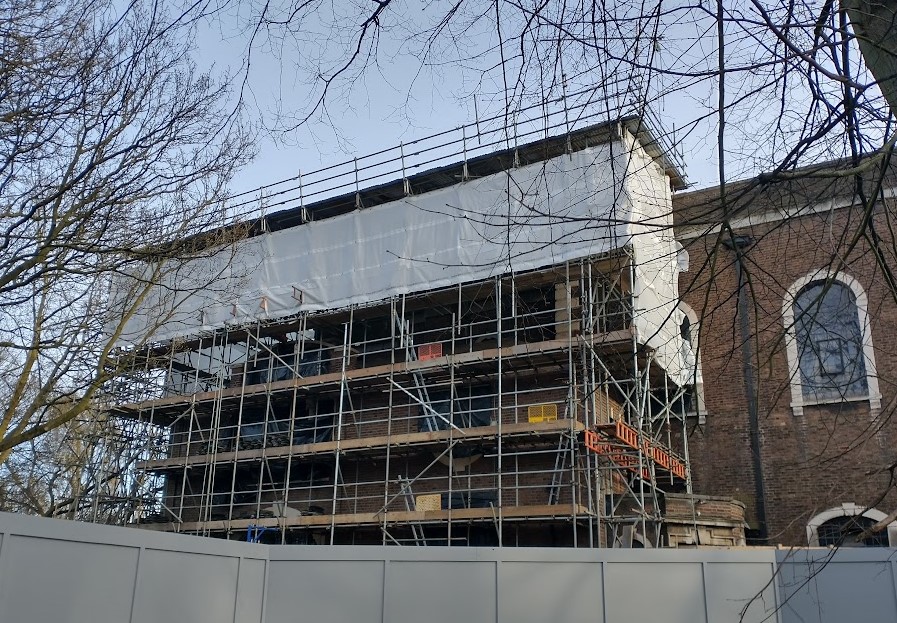
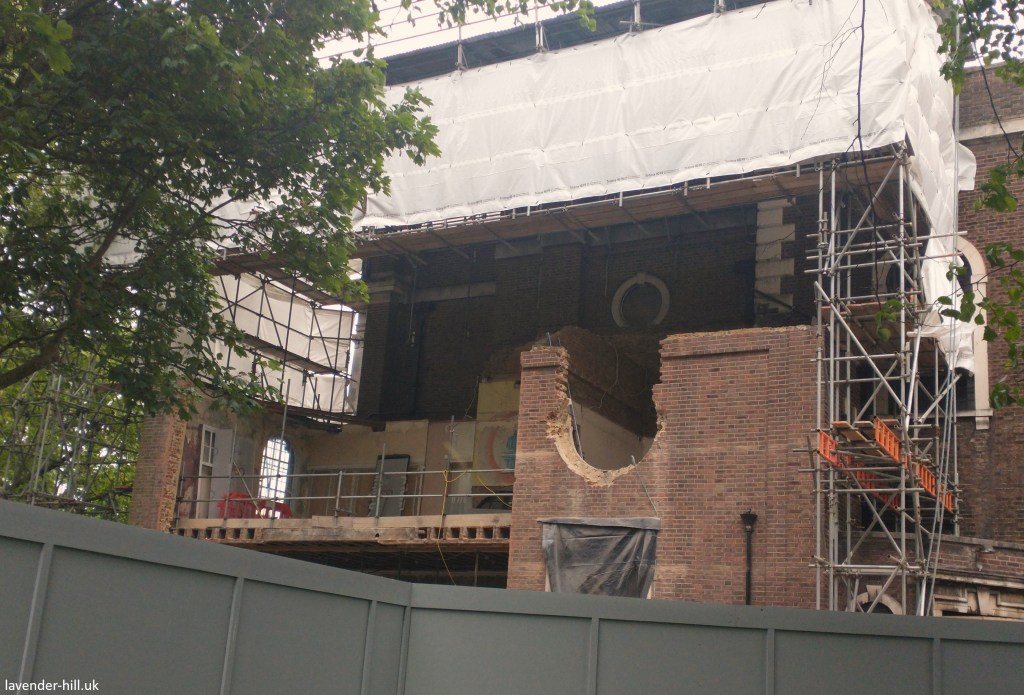
Update (May 2025) – one more photo of works well underway on the North wing. The windows have been removed for safekeeping, and demolition of the old end wall is now well underway –
We mainly cover the Lavender Hill area, but sometimes also report on developments on Clapham Common; we previously covered the Holy Trinity project in 2021. If you found this interesting, you may want to see our previous articles on planning and development, or on shops and food & drink traders in the area. To receive new posts on lavender-hill.uk by e-mail (for free, unsubscribe anytime), sign up here.
Lavender Hill for Me is a community website working to support Lavender Hill, a neighbourhood in Battersea, London and a home to about 250 shops, restaurants and small businesses. We take an active interest in developments that could improve Lavender Hill for residents, traders and visitors.










 Lavender-Hill.uk : Supporting Lavender Hill