
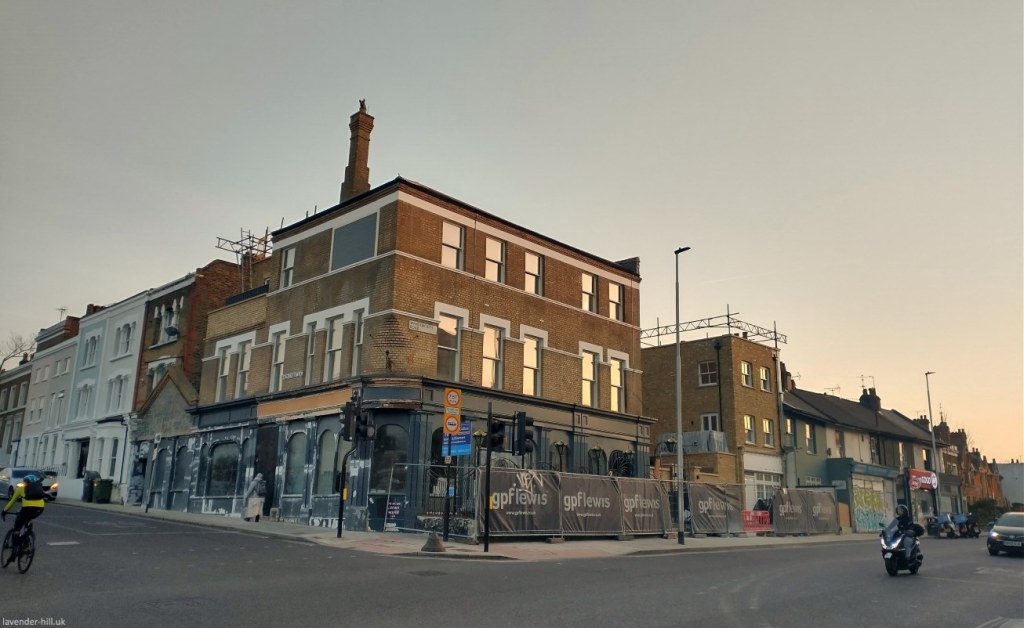
Twelve years ago, after several years of a local campaign, and a public consultation, Lambeth Council proposed some tight new licensing requirements for the cluster of three bars & clubs at the junction of Wandsworth Road and North Street (the Artesian Well, Lost Society and Mist on Rocks – as well as off license Vesco News). These had together formed a busy late night venue for Clapham despite their somewhat remote location – loved by many for their lively atmosphere and distinctly hedonistic reputation, but resented by others for late-night disturbances around the venues.
It got a lot of local attention at the time, with strongly held views on both sides. Videos of late night goings-on were shared widely (an example below), and relations between some residents and the venues became quite acrimonious. Slightly surprisingly, after a four-day hearing in March 2014, Lambeth didn’t actually implement the proposed Early Morning Alcohol Restriction Order – which would have essentially stopped saes at midnight – concluding that it wasn’t ‘the right tool for the job’, instead making a decision stating “We applaud the agreed list of actions proposed by Lost Society and signed by all four premises. We endorse these steps and welcome this approach, which was clearly absent prior to the institution of this process. We expect to see that this would lead to a significant improvement in the situation for residents.”. They opted for much tighter use of the powers they already had.
However even without the Order, the impact of the wider clampdown that followed was swift, and brutal: within weeks Artesian Well threw in the towel, followed by the other venues, as well as Silverthorne Cars (which wasn’t part of the process, but partly relied on the bars for local trade). Vesco News lingered on for a few years but ultimately also pulled down the shutters for good. It was a controversial moment – with some residents relieved to have quiet streets at night, and others decrying the end of a popular nightspot.
These mass closures effectively ended all commercial activity in the area – with the exception of still-trading Pizza GoGo (which had had its own troubles, with one of the staff being murdered on the premises a few years beforehand – allegedly by one of the other employees, who then had to be extradited from Brazil to face trial). This put the future of the buildings in some doubt, and it would do this for longer than anyone expected at the time. The buildings all had a long history – the Artesian Well had been a pub all the way back to 1838, with the current building dating to 1876 (spending a lot of its life as the Nag’s Head – and with North Street once called Nag’s Head Lane). The Mist on Rocks bar across the road dates back to the late 1800s, having been converted to a pub by amalgamating three terraced houses and spending most of its life as the Plough Inn. The old Lost Society was a much plainer and simpler building but it had the longest history of all, maybe going all the way back to the 16th century when it was a barn on the Clapham Manor estate – when it would have sat on an isolated hilltop overlooking the Thames flood plain.
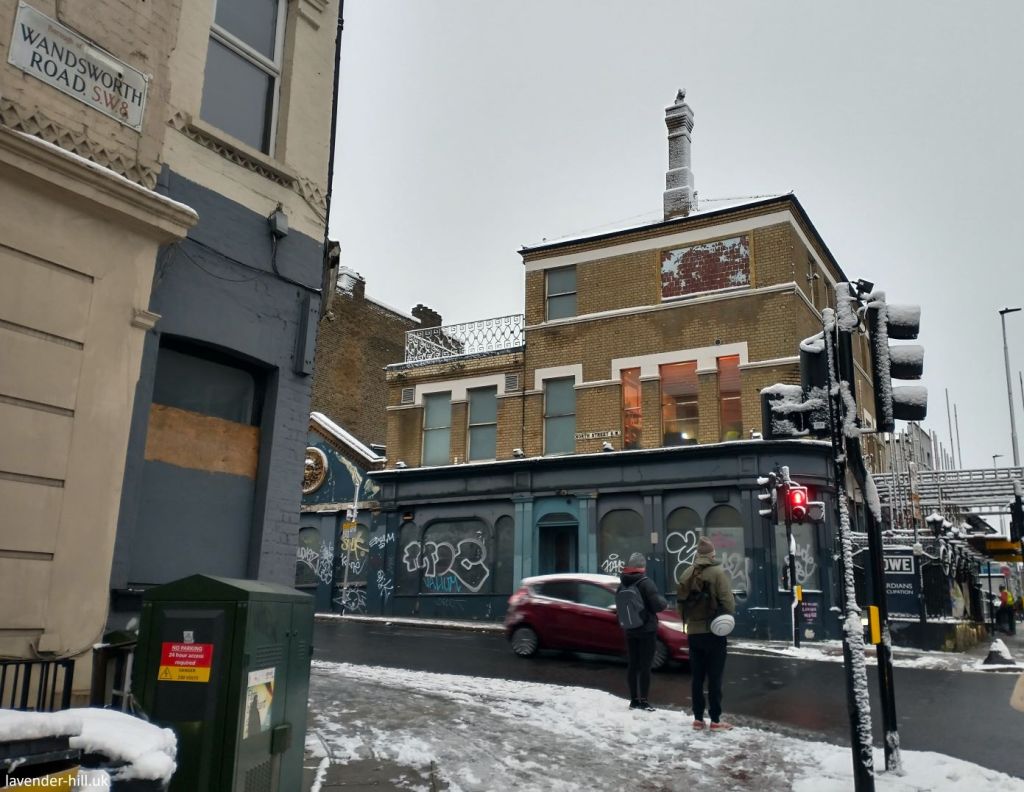
The empty buildings got covered in tags, became home to squatters, followed by a phase of property guardians, but mostly they were just left to their own devices. Maybe not surprisingly the buildings – being both an increasing eyesore, and a sizeable development opportunity – caught the eye of local developer Marston Properties, who own the Plough Brewery right opposite the site (which they have converted to an office complex), and who have developed several buildings in the Lavender Hill area, for example a cluster of flats at Crosland Place (just off Taybridge Road) which we reported on in 2023 when they were runners up for the prestigious Stirling architecture prize.
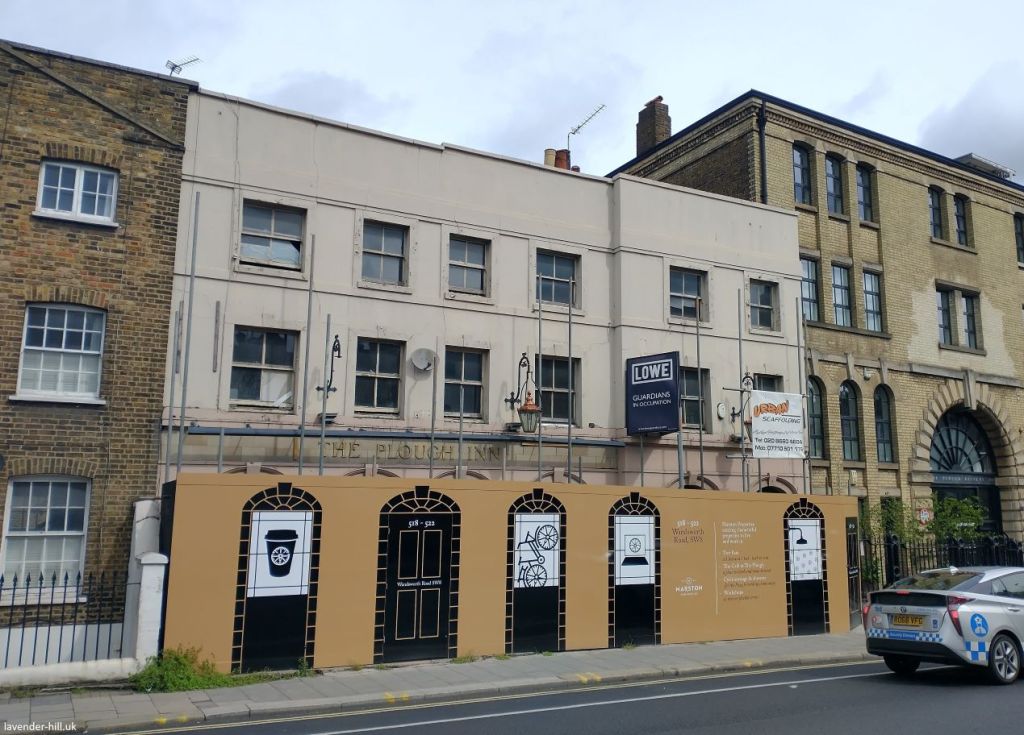
Marston’s bought the Plough Inn in 2015, and the rest of the buildings the following year, and set about a large scale redevelopment. With these purchases, Marston found itself in the interesting and unusual position of owning four neighbouring buildings – three of them former licensed premises – so had quite an opportunity to reshape this bit of town.
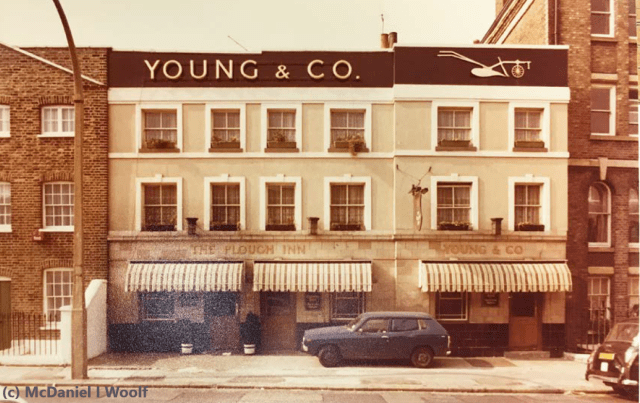
The Plough Inn went first – with the frontage carefully restored, and most of the interior converted to flats. It’s looking good – a nice touch is that the original windows and the pub tiling were carefully restored. The former pub / bar on the ground floor spent the last few years as the site office for the rest of the development, and was notionally going to be offered for lease as a cafe, though that never felt especially likely in this fairly quiet location.
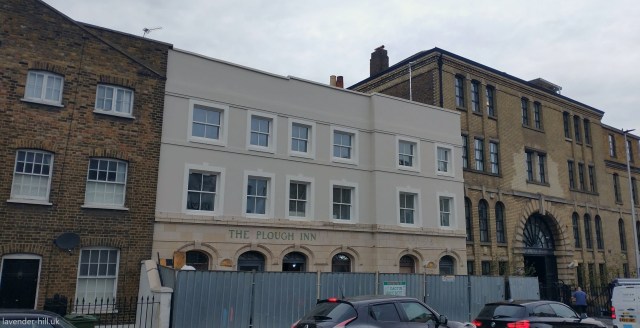
Marston have now more or less abandoned hope of reviving commercial activity at the Plough, on the grounds that years of everything being closed – and the difficulty of competing with the larger clusters of activity along Lavender Hill and in Clapham Old Town – mean it’s not viable. They now have a planning application open for consultation which seeks agreement to convert that to flats as well (search for reference number 25/00995/FUL here if you want to see the details or comment).
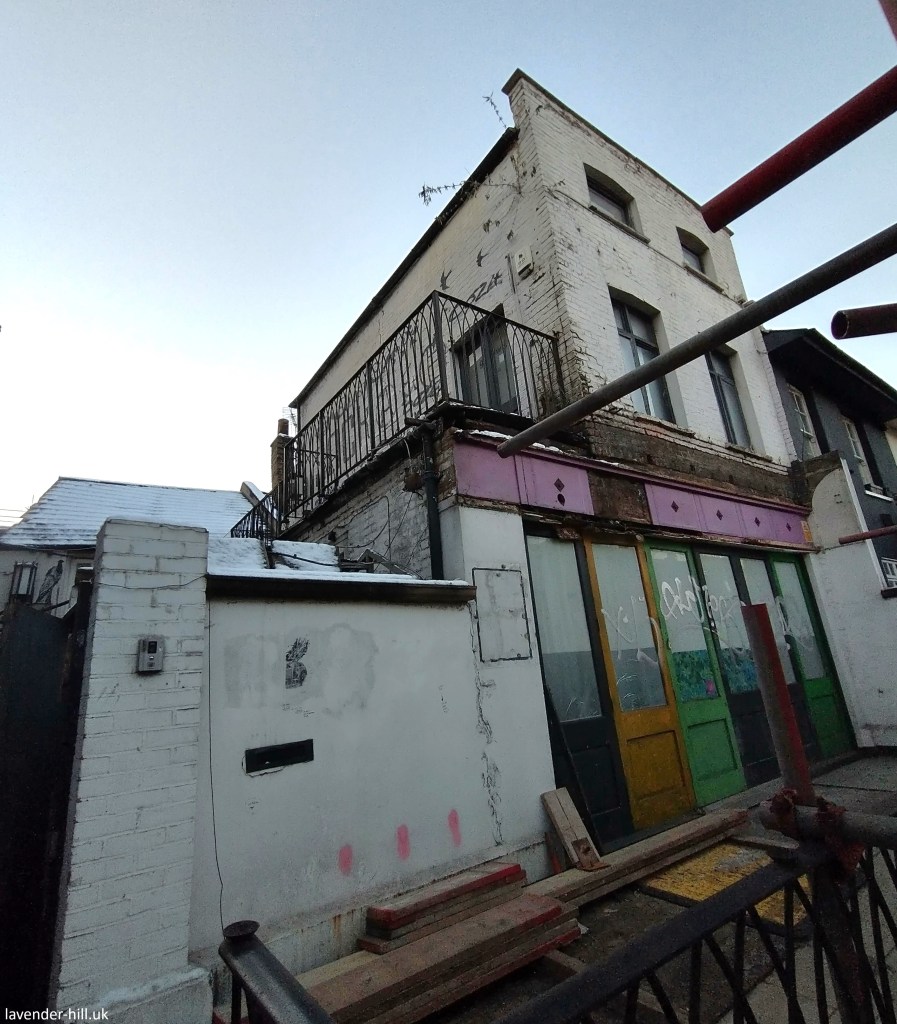
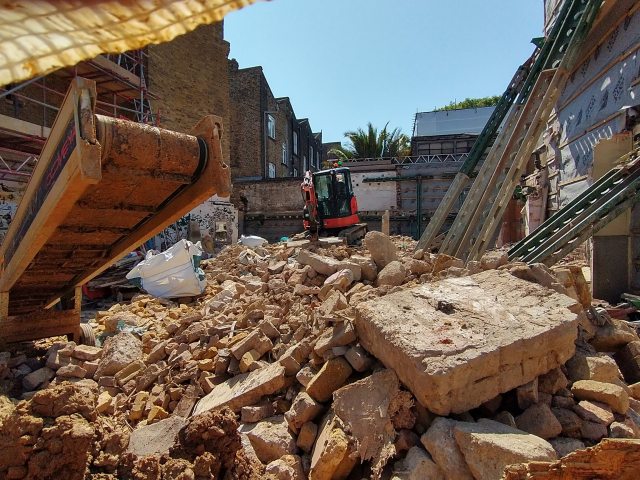
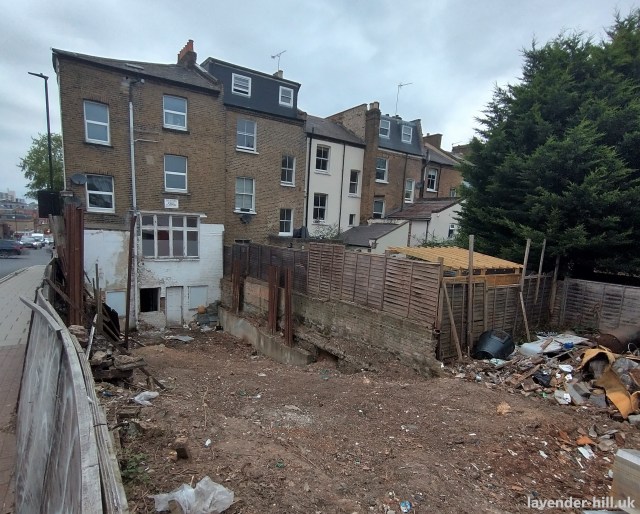
Having got that done, Marston then got going on the buildings south of Wandsworth Road. The former Lost Society – the oldest building of all – had the harshest fate, as it was swiftly demolished. The developers’ argument was that there was just too much structurally wrong with the building for it to be rescuable.
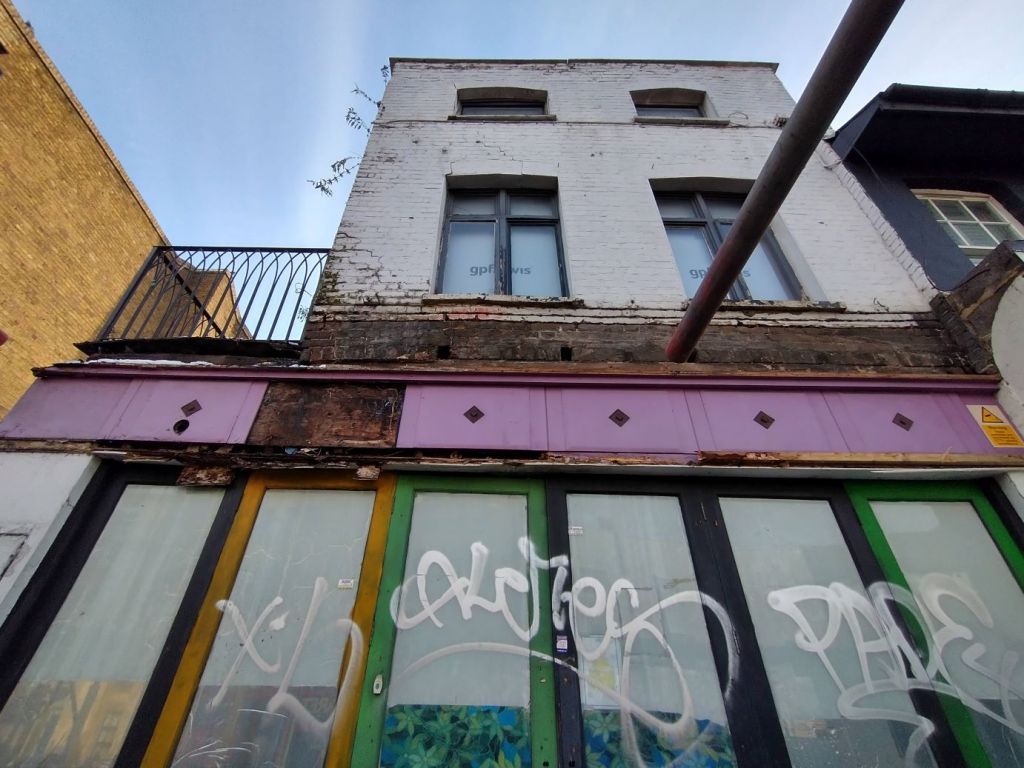
Our photo above is probably the last one taken of the building, just before it was demolished – and having had a close look at the building, with significant cracks and visible decay, it was probably fair to say that its long life sadly was at an end.
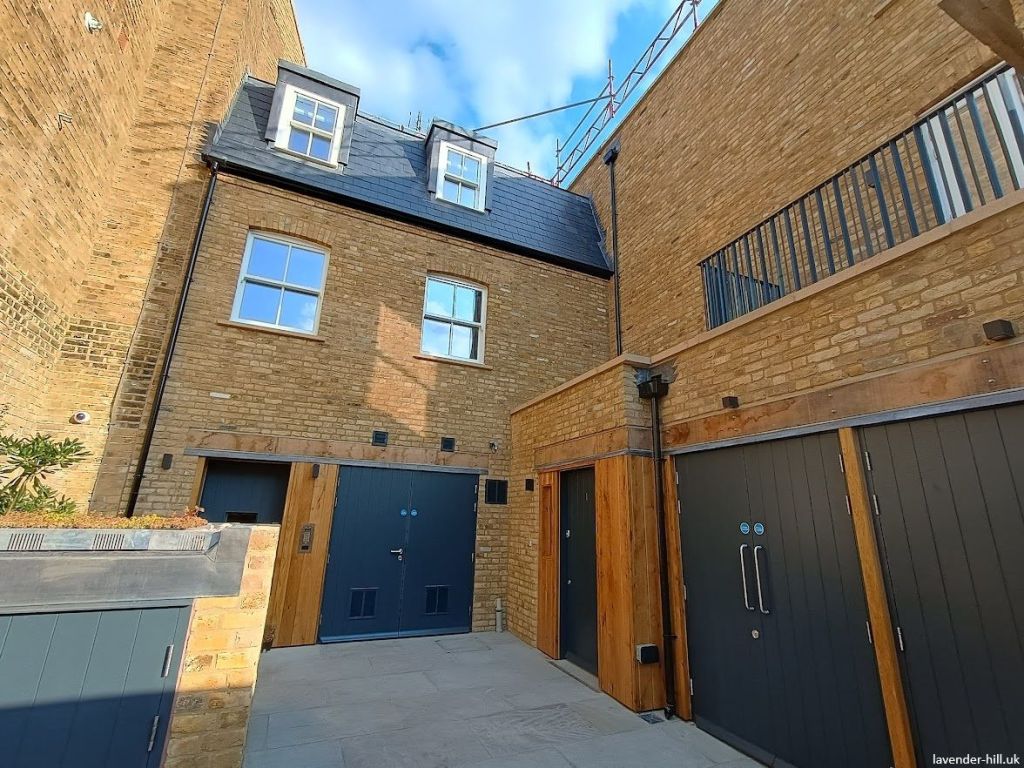
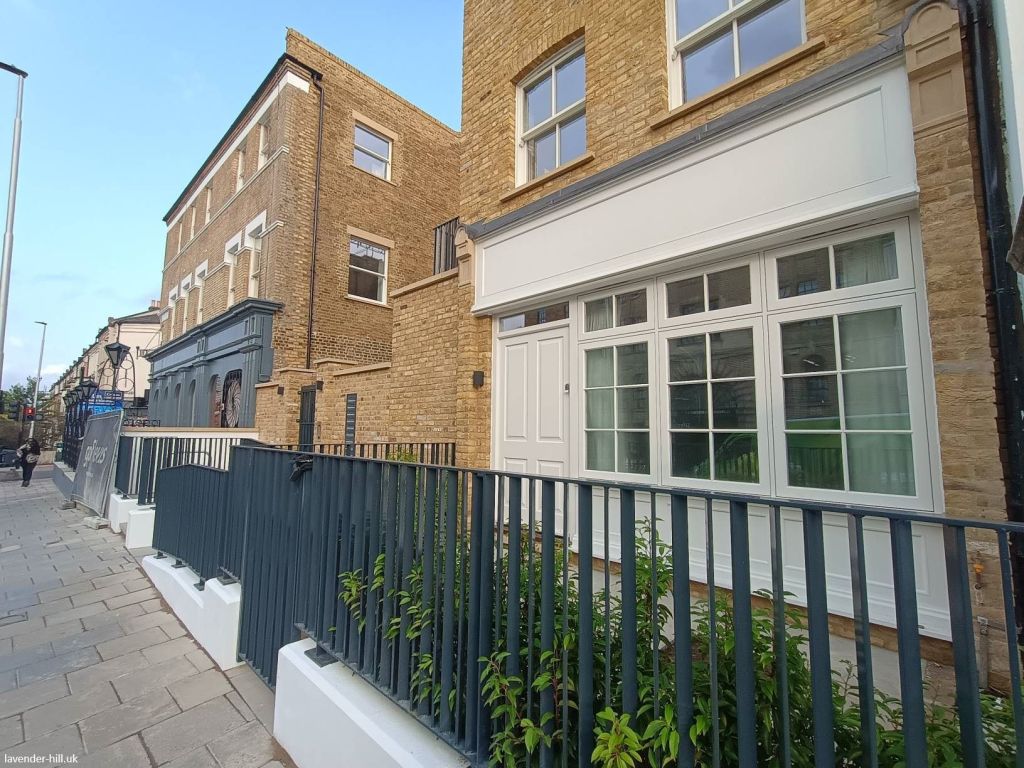
It has now been completely rebuilt, to pretty much the same size and shape (but with a slightly higher roof). The commercial space is gone, it’s now entirely a block of flats.
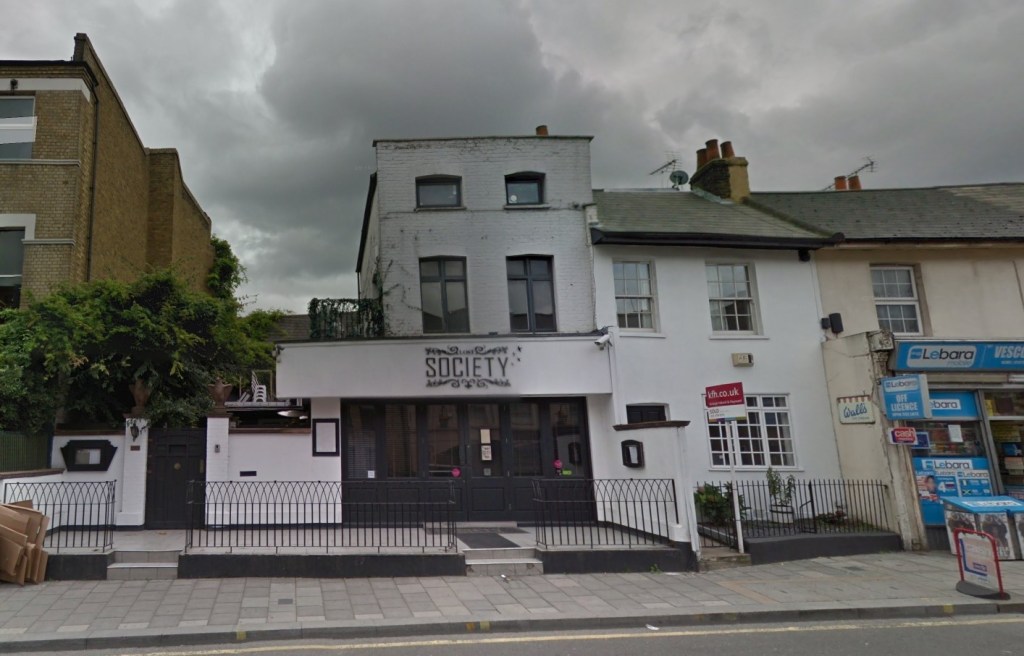
Here’s a quick before and after!
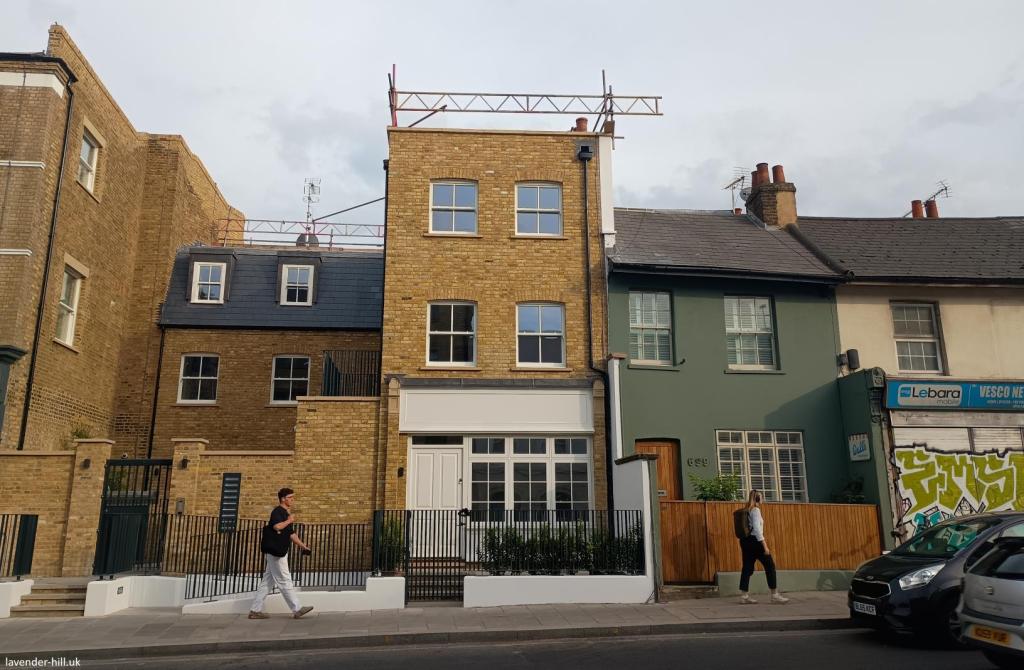
The flat occupying the main frontage of the old bar has its own entrance, and a small private terrace to give a bit of privacy from the street.
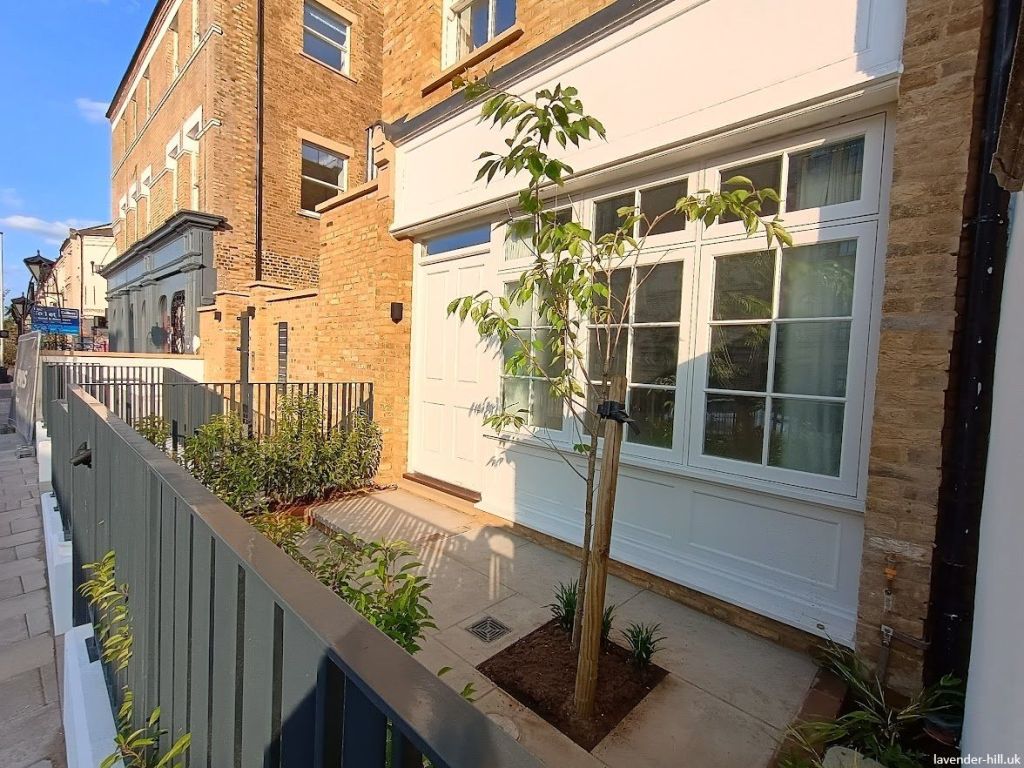
The old courtyard between the two buildings – previously Lost Society’s outdoor area – has been partly filled in with a new building, set back from the street, that houses more of the flats.
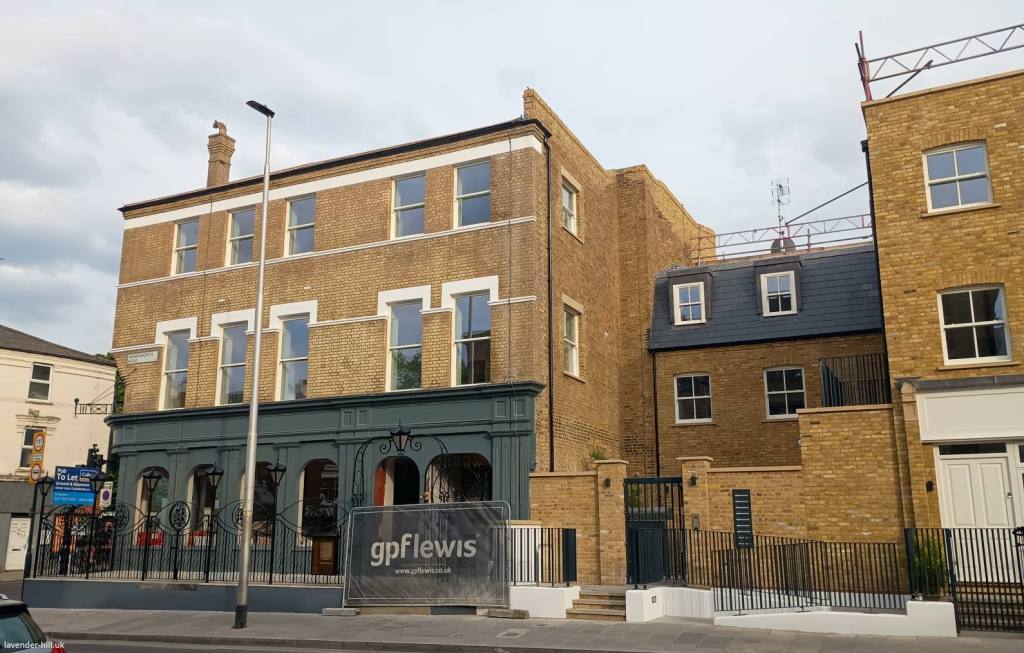
It’s now a more mundane set of cycle and bin sheds, and houses the access points to most of the nine flats in the development.
Meanwhile next door the Nag’s Head / Artesian Well has a large-scale refurbishment to bring modern flats to the upper levels of the building.
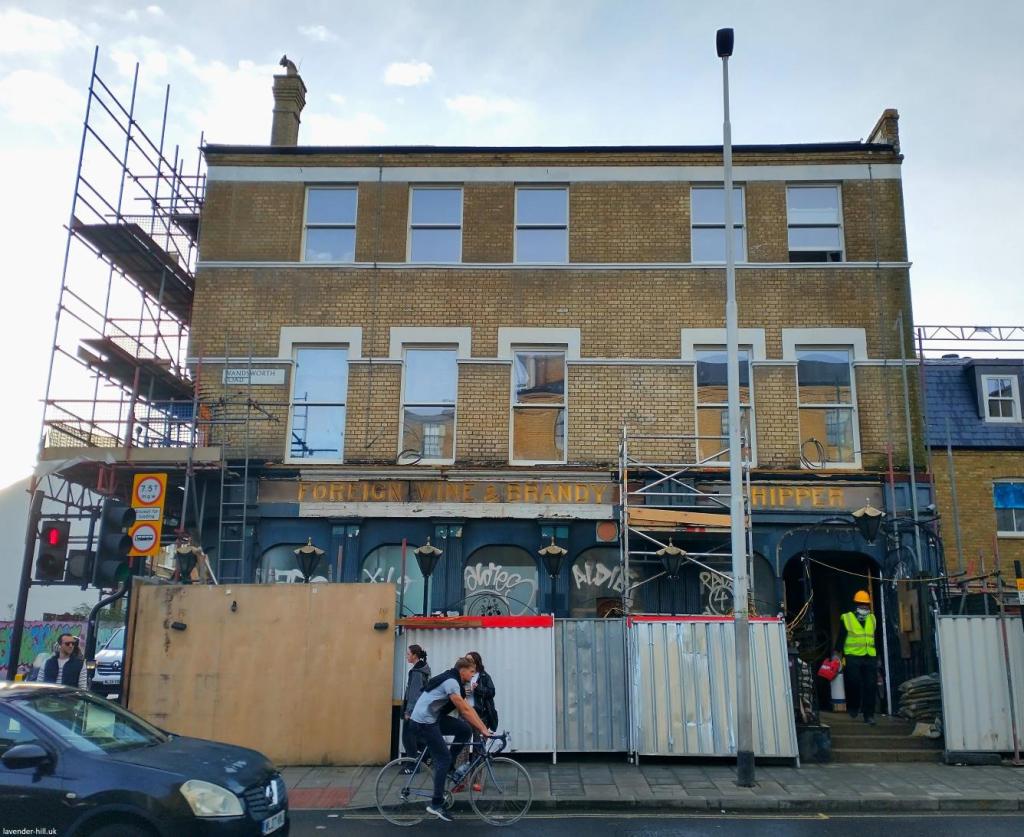
One small find during the works was the original gold leaf pub sign, hidden behind many more recent ones – advertising the Nag’s head as a FOREIGN WINE & BRANDY SHIPPER. It was in remarkably good condition, though sadly it’s been covered up again rather than restored as a feature.

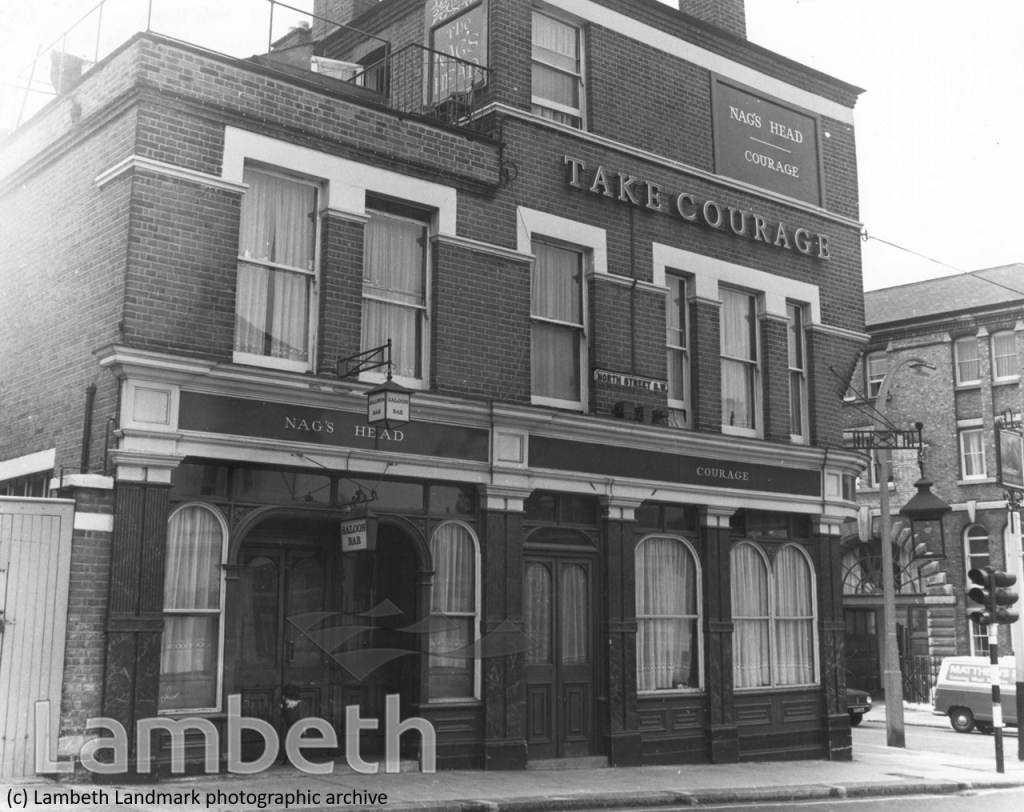
It;s nt bene visible for many tears – this photo of the pub from around 1975 (from the Lambeth Photographic archive) shows the original signs were already covered up back then –
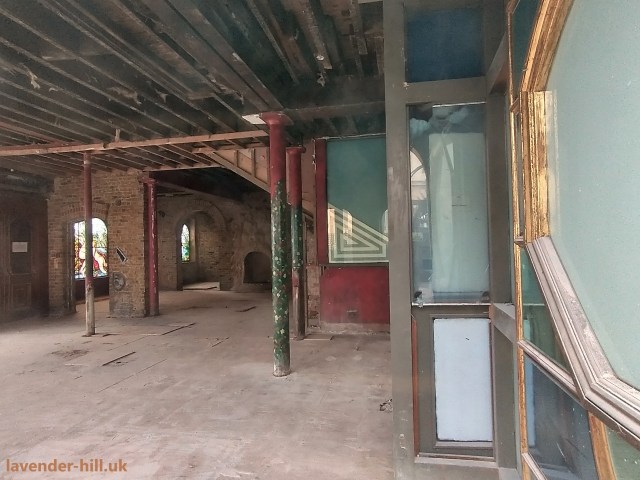
The interior of the Artesian Well was quite quirky (thanks to its manager and co-owner being sculptor Rudy Weller – who’s known for all manner of sculptures including the horses close to Piccadilly Circus). It was full of character, including stain glass freezes, murals and figurative sculptures. Some of this was, stripped out during the building works (our photo below shows the ground floor part way through the building work) – but the feature stained glass windows that can be just seen at the back left of our photo below are still in place.
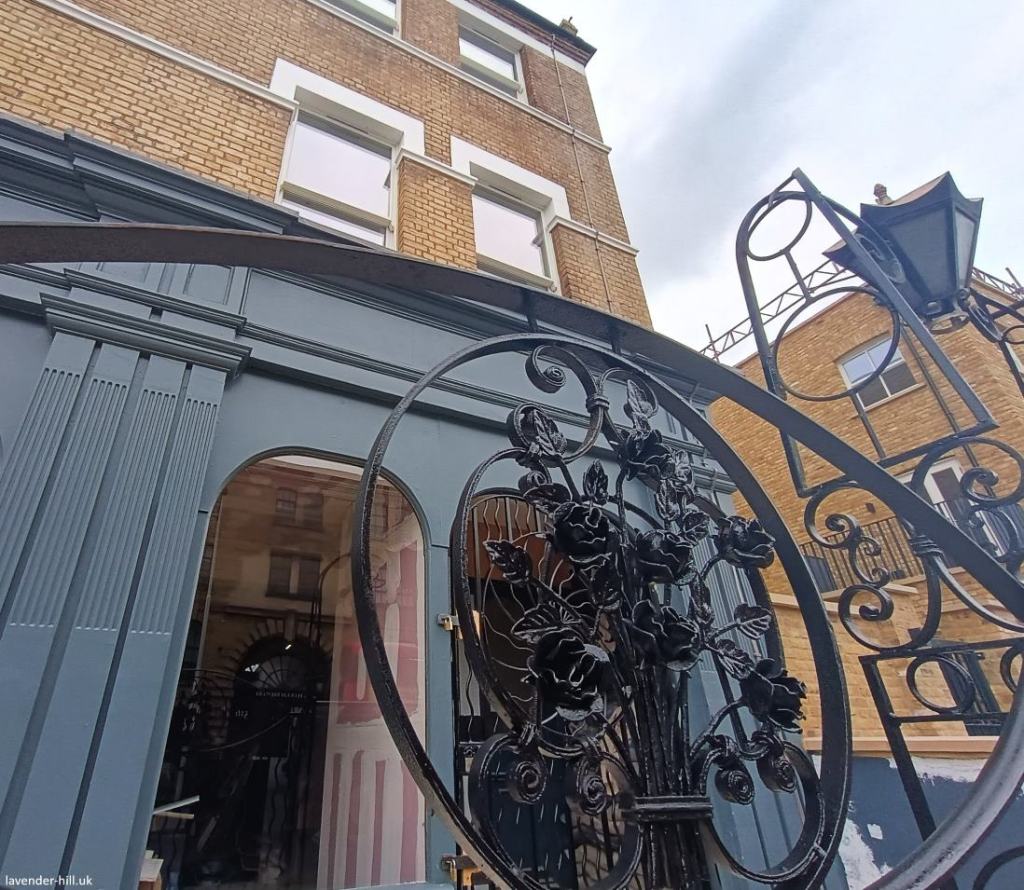
Rudy’s unique and remarkably intricate railings and lamps at the front of the pub have had a repaint and are also still going strong –
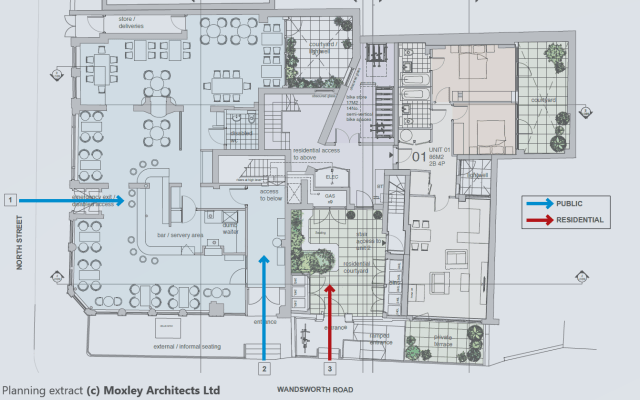
The ground floor is the only part of the development that is still going to be in commercial use, and it’s currently a blank canvas ready for a new occupier. It’s being advertised as a pub / restaurant opportunity, which covers the whole of the ground floor, and a smaller area of basement, and the space is currently up for leasing with Colliers, for around £75,000 a year. Colliers’ listing says the ground floor, which is a shade over 2,600 square feet, can accommodate 75 covers, with the full-height basement providing back of house and ancillary space. It has its own small private courtyard at the back, at the top middle in the floorplan below.
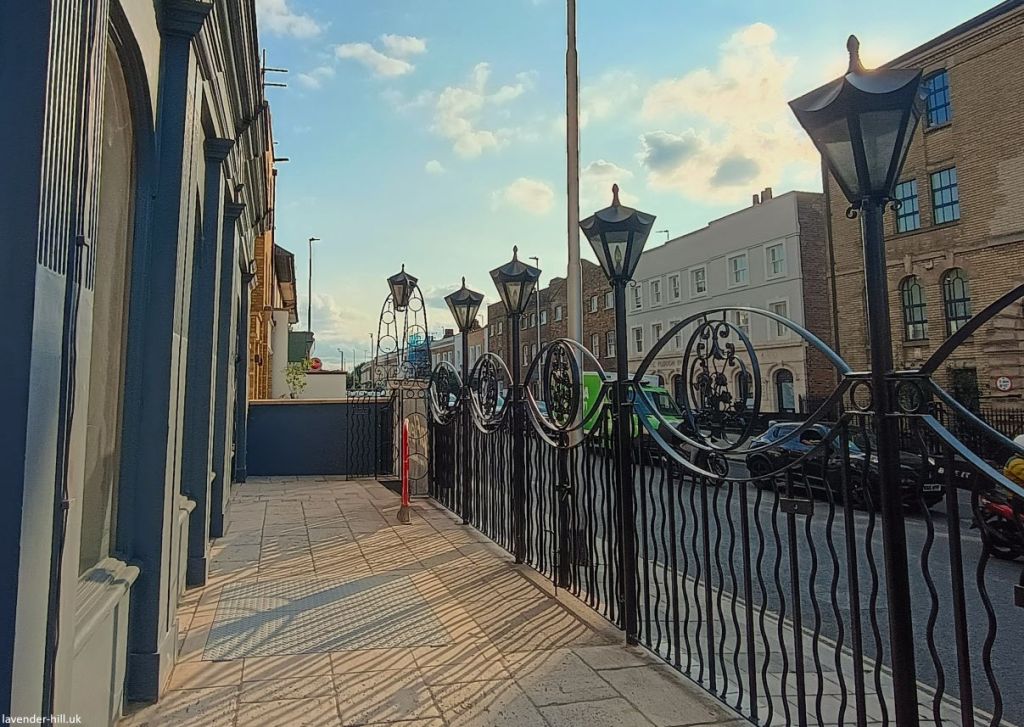
There’s external seating along the whole of the Wandsworth Road frontage, which catches the evening sun – as well as a more intimate courtyard at the back.
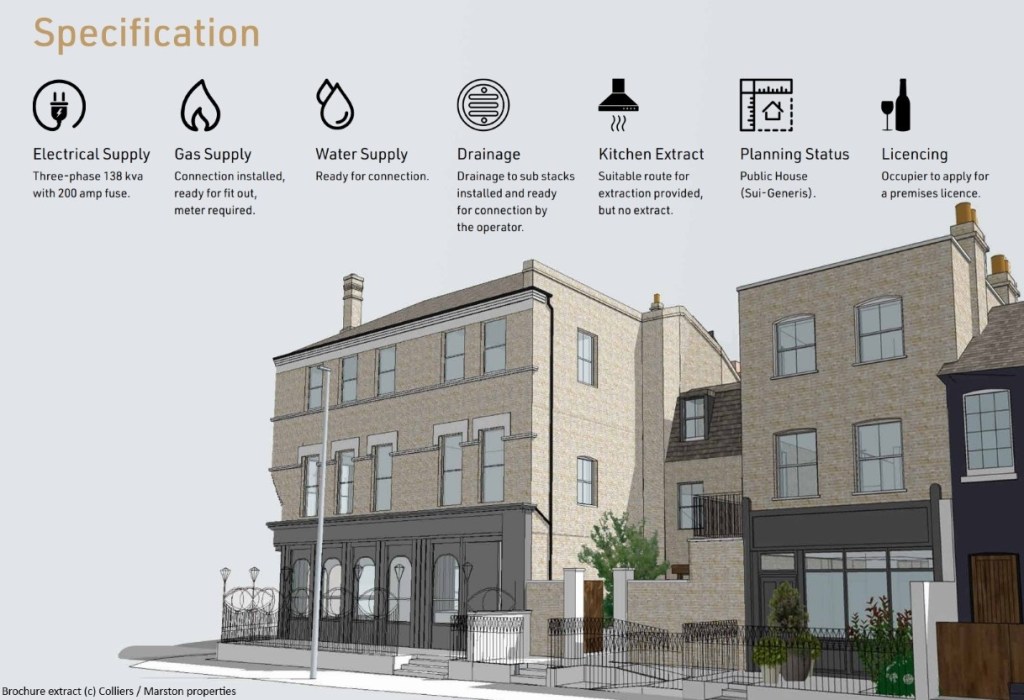
It’s been provided with everything needed to get going for a commercial fit-out, including a suitable route for kitchen extraction, as well as the services and utilities.
Will it find a tenant? It’s a prominent location and traded well for more than a century. Recent years have not been too kind to this location, with everything else around it now being closed – but it is a good spot in a wealthy and busy catchment area, and ought to have plenty of potential.
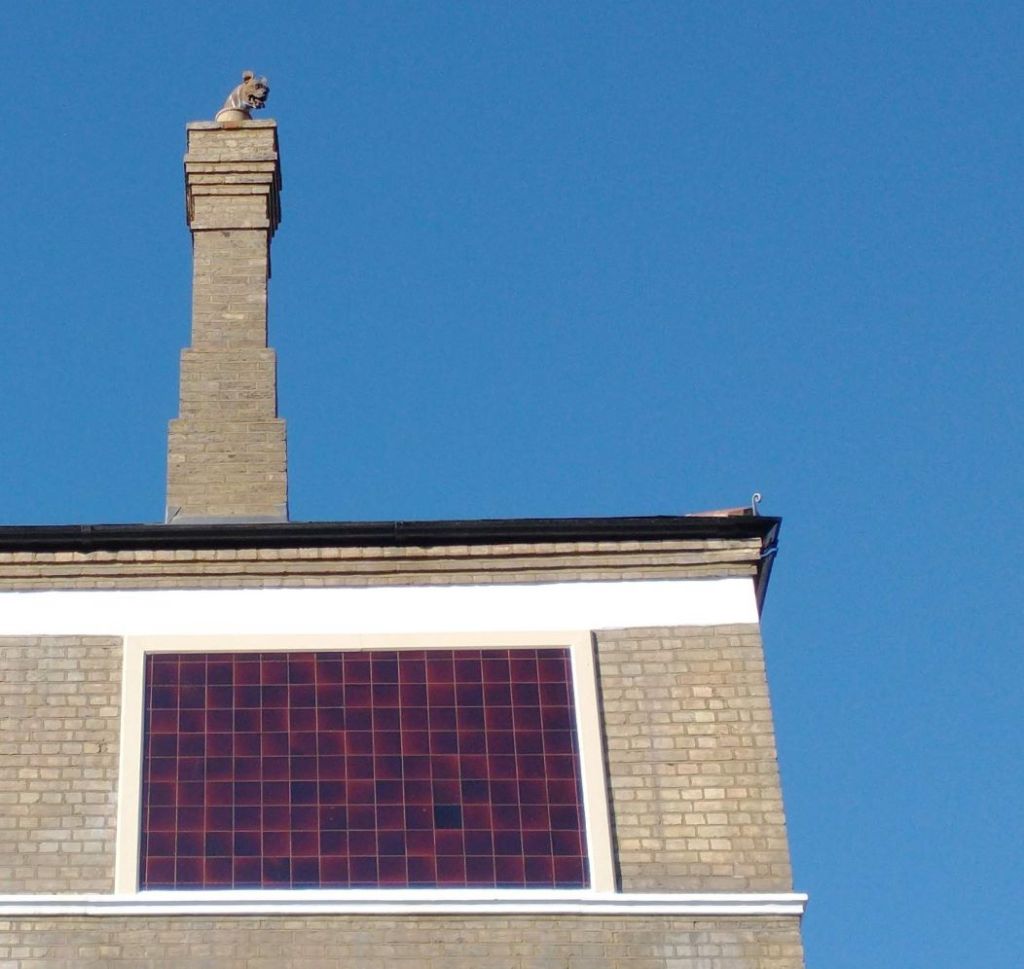
If you can see your pub’s name on the now-blank tiled sign panel at the top of the building – you’ll want to speak to Colliers. It would be a shame if this goes the same way as the Plough Inn opposite and ends up as just another set of ground floor flats in a former pub.

While the building waits for someone to fall in love with it again, a slightly poignant sign remains by the front gate, that’s been there for over a decade – expressing a hope that it woudn’t be the end. Time will tell if this building ever opens to the public again.
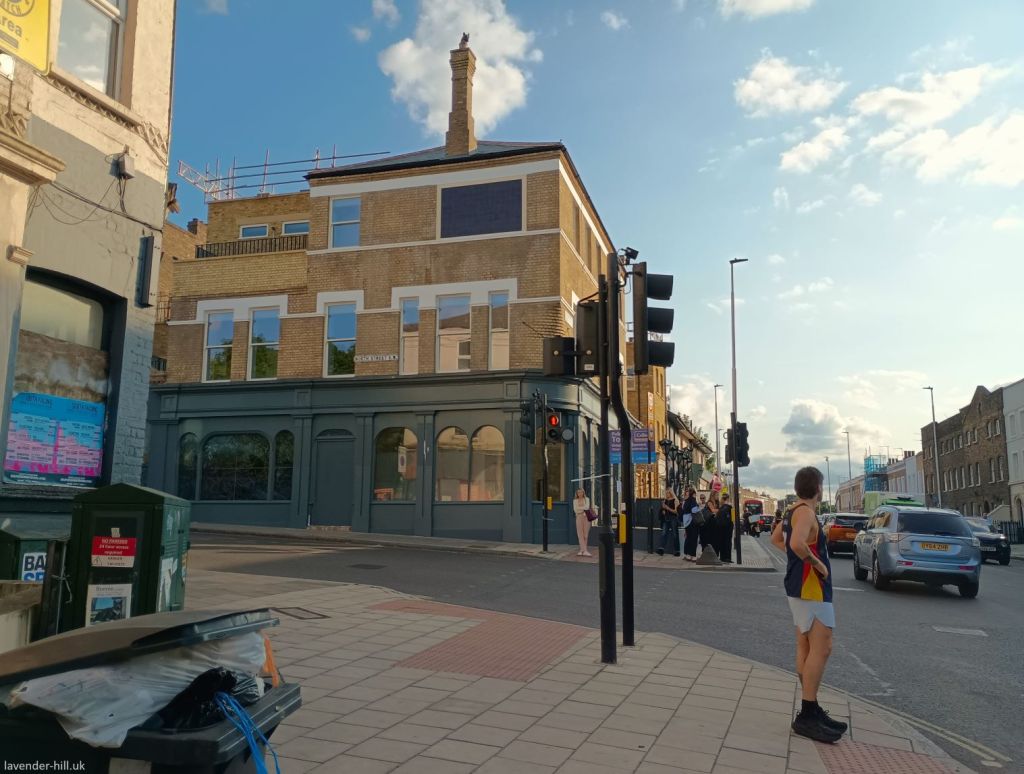
Back in 2021 when we reported on these developments there were a couple of other projects also on the way in the cluster. The largest was at North Street Mews, just to the south of the Artesian Well – where a battle had been ongoing for some time between the many small businesses occupying the site, and an owner keen to redevelop it as flats. North Street Mews had been home to 21 light industrial units serving a tight knit community of artists, designers, music producers and thriving small businesses for over 20 years – but their future was very much in danger at the time.
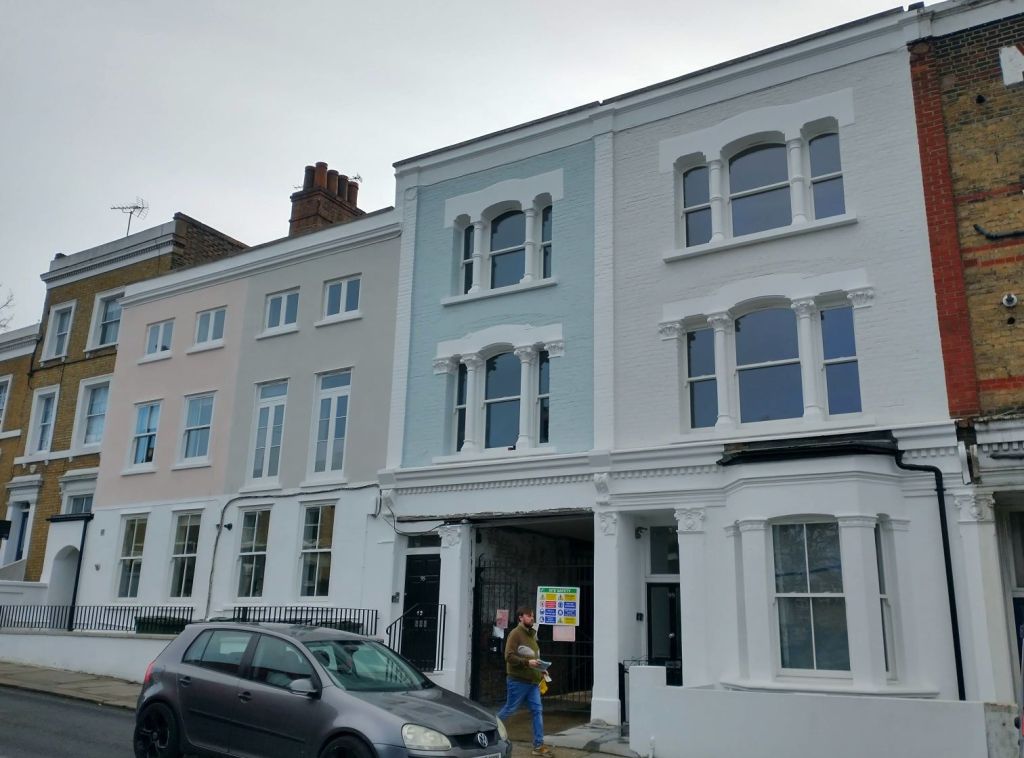
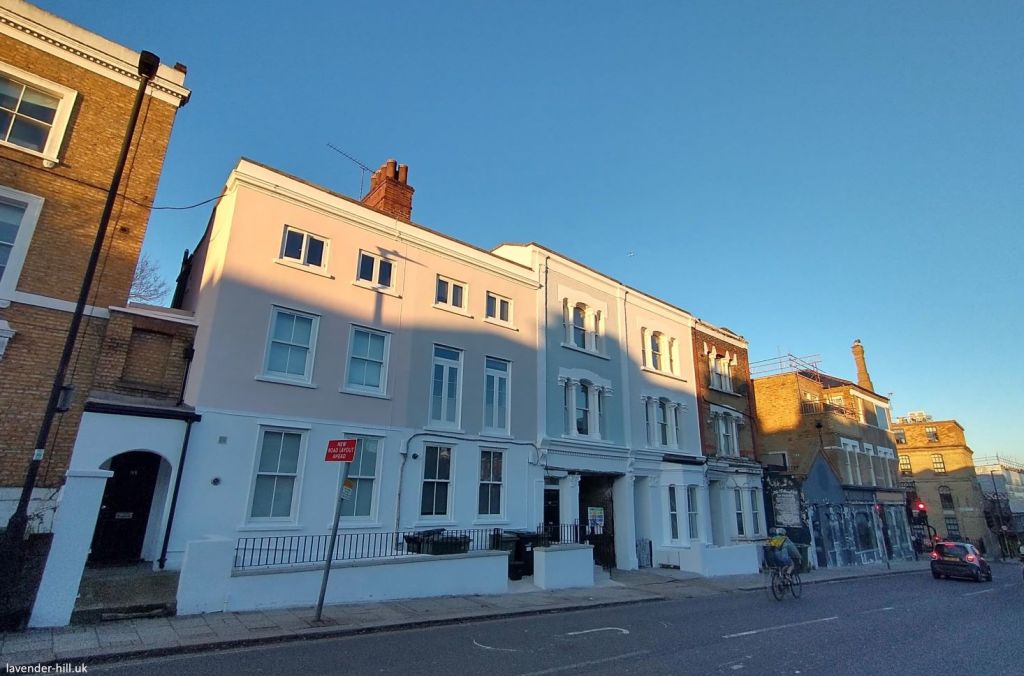
That continued to play out over the following months and years: as we understand it, the leases of the remaining commercial occupiers were gradually ended when they reached break clauses, and a series of planning applications were then made to turn the individual units over to residential flats. No businesses now remain in the mews – which has meant the end of North Street Mews as a hub for small businesses. The front of the building has since seen a repaint, to make what are now flats more attractive.
The last of our empty property cluster is the old Silverthorne Cars minicab office site at 691 Wandsworth Road (“A cab Anytime Anyplace Anywhere”). It’s a larger-than-average terrace house, converted to include a shop on the ground floor and two flats above, and with a similarly larger-than-average back garden along North Street. Silverthorne were there for years, before the loss of all the neighbouring venues (and the rise of app-based ride hailing) ended the business. The site briefly became a beauty salon, before falling vacant. Planning permission has been approved to build houses in the large back garden (which was, at one stage, a parking lot for the minicab firm) but nothing has happened since. The shop itself remains empty: a planning application to turn it in to a flat was refused in 2023, mainly on the grounds that the proposed design would affect neighbours’ privacy, as well as a variety of design and daylight related concerns, and a lack of clarity on parking arrangements. Since then there’s been no news, and the space remains somewhat abandoned.
It’s good to see these buildings getting back in to use, and seeing the attention some of them need after long years of sitting unused. Marston have been true to their word in carrying out the works on the three buildings they bought to a high standard, and the quality of the main cluster of buildings is excellent. Steppig back a bit, the evolution of this area maybe reflects a wider change in this bit of Clapham and Battersea – from the home of a set of busy and young bars and clubs, to a quieter, more settled, and more residential district. Dirty Blonde just down the road (which we’ve reported on recently) was the last late night venue to go, and while there has been a new opening recently in the railway arches by Wandsworth Road (150-capacity venue Gaffe / Common Studios), it’s unlikely we’ll ever see the likes of Artesian Well again at the eastern end of Lavender Hill.
This is part of our series of posts on planning issues in the area in and around Lavender Hill – including Wandsworth Road. Our original article (from 2021) also covered the redevelopment of the buildings at the corner of Wandsworth Road and Silverthorne Road. If you found this interesting, you may want to see our wider articles on local business, environment, planning and housing issues – as well as some of our favourite articles on local history. To receive new posts by e-mail (for free), sign up here.
 Lavender-Hill.uk : Supporting Lavender Hill
Pingback: Special report: Is there a way forward for Lambeth’s troubled Westbury Estate redevelopment? | Lavender-Hill.uk : Supporting Lavender Hill
Pingback: Clapham Old Town, London SW4 – Julia Upton