
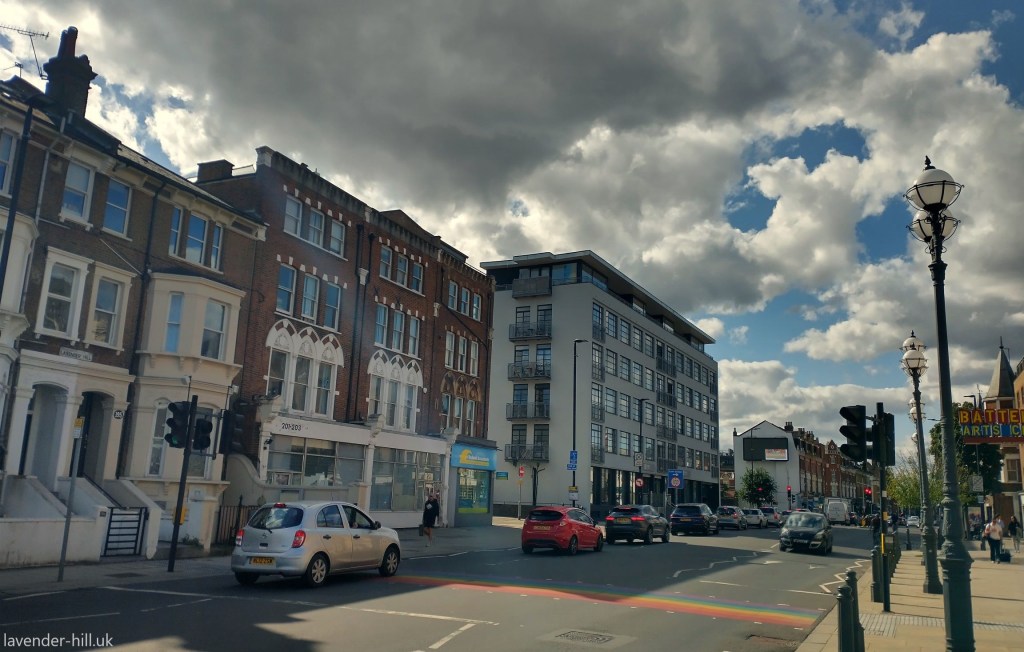
A few weeks ago we found out about some rather vague plans for a new hostel for rough sleepers opposite Battersea Arts centre, which we noticed on a chance dig deep in the Wandsworth planning database. These were a bit of a surprise to us, so we wrote a short article about the plans, which quickly got a lot of attention – with a few thousand readers within a day (which for a very local site like this one, is rare). And it turns out this new hostel plan was a big surprise to everyone else too! It shouldn’t fall to us to break the news – a major 24/7 hostel operation is not a trivial matter like changing a launderette to a dog daycare and pet supplies shop (and yes, we’ve also reported on that). To our considerable surprise, we later found that even the immediate neighbours at the day nursery and at TaxAssist accountants had not been told about the plans! The proposal did look rather like a ‘stealth’ plan, whether accidentally or deliberately – with a distinct echo of this Douglas Adams quote on a local authority’s planning department’s engagement…
“But the plans were on display…”
“On display? I eventually had to go down to the cellar to find them.”
“That’s the display department… But look, you found the notice, didn’t you?”
“Yes,” said Arthur, “yes I did. It was on display in the bottom of a locked filing cabinet stuck in a disused lavatory with a sign on the door saying ‘Beware of the Leopard.”
Our friends at Clapham Junction Insider also covered these plans, as well as wider news outlets. It seems that Wandsworth Council has rather belatedly now realised that a ‘stealth’ planning application is not the best way to create an important but potentially very disruptive new facility in the heart of Lavender Hill. As we noted before, there are strong arguments for taking a better and more joined up approach to tacking a significant rough sleeping challenge – and the activation of the ‘severe weather emergency protocol‘ for supporting those sleeping rough in cold weather this week is a timely reminder that supporting people to get off the streets can be a life and death issue. But this has to be done with the support of local residents, who will inevitably live with the impacts of this development, and who need to be confident that any new hostel is well managed, that proper steps are being taken to mitigate the impact on local traders and businesses, and that the Council is working to keep the neighbours safe.
Aydin Dirkedem, the Council’s lead on housing, is hosting a public meeting at the Lower Hall at Battersea Arts centre, from 4-7pm on Wednesday 6th December. It’s running on a just-drop-in basis, there’s no need to register in advance. Aydin grew up here, is a generally all round good guy, and is one of the Councillors in Queenstown ward – please do go and ask questions and discuss your concerns – and feel free to feed in thoughts on how this troubled Council venture could be improved and made more suitable for the neighbourhood it will need to coexist with. We’ve summarised the support comments, the objection comments, and most importantly, many of the ways this could be made to work better at the end of this article.
Looking at the proposal itself – it’s fair to say that the Council’s plans for the hostel did not go down well with its unsuspecting future neighbours. No one had commented when we first reported on the plans, but the application has now had 13 supportive comments, and a staggering 507 objections! That said, we know our readers and neighbours are a thoughtful bunch, and lots of helpful ideas have also been suggested in these comments on how – if it does go ahead – it can be made to work better; we’ll summarise these further down this post.
On a rather darker note, our article clearly didn’t go down well with some of the people behind the hostel project. We received several very unpleasant direct messages, that do seem to be from people involved in it, full of threats and expletives (and we won’t be quoting any of them here; some of you read this at work and it’d be pretty sure to set off numerous ‘inappropriate content’ flags). And that’s despite our article being, in our view at least, pretty balanced on the potential benefits of an innovative approach to rough sleeping that seems to have delivered results elsewhere, and the need to carefully address the genuine challenges involved for neighbouring residents and businesses – have a look for yourselves. Interestingly, these offensive messages also had a distinct party political undertone to them, assuming that we somehow represent the Conservative party (to be clear: none of us are political). This set some real alarm bells ringing: if a community website gets that sort of threatening and aggressive knee-jerk reaction just for reporting that there are plans to develop the building, we dread to think what would happen if we were a neighbour wanting to work with the hostel’s management if there’s a problem with future residents, or the way the place is run. This sort of abuse is seriously out of line, and suggests more trouble may be ahead.
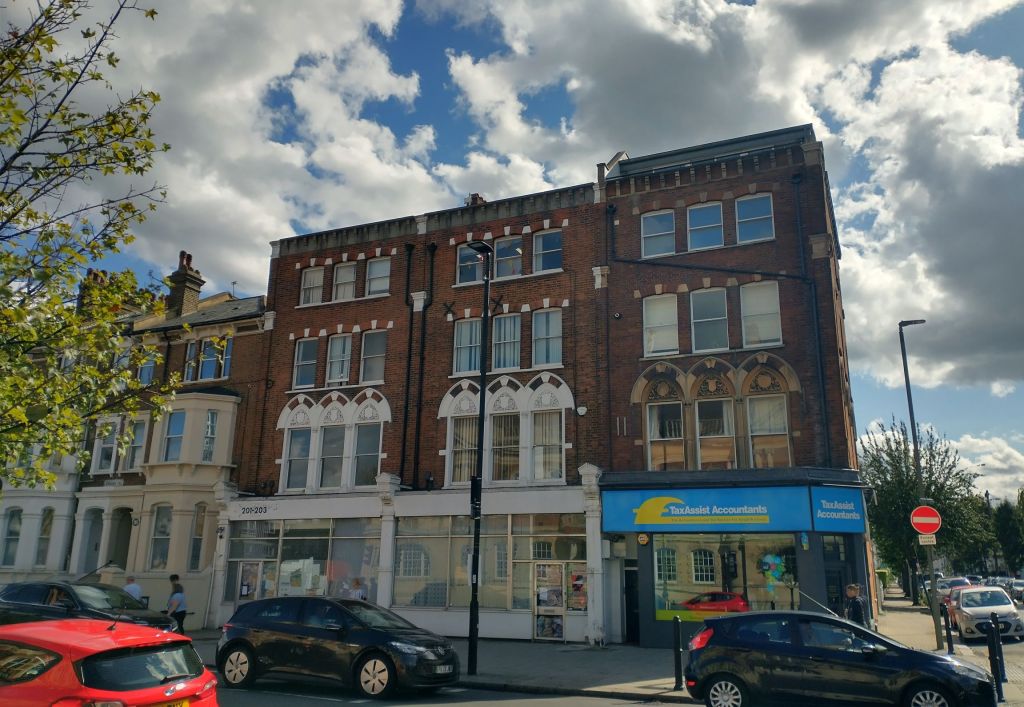
Let’s take a look at the comments that came in. As a reminder of what this is all about, the Council wants to convert a small office building they own, at 201-203 Lavender Hill – pictured above – to a new ‘rough sleeper assessment hub’. Part of the proposal is a traditional ‘homeless hostel’, which aims to provide a bed for the night for people sleeping on the streets, and gradually move occupants on to sustainable long-term accommodation. But the plans provide quite a lot more than just a hostel, with a relatively large number of on-site staff to provide advice to the residents and a variety of specialist services – supporting them to access specialist services and move away from the dangers of rough sleeping. Some staff would also be on site overnight, to maintain safety given that the residents at hubs can often experience a variety of challenges including substance and alcohol addiction, poor mental health, offending behaviour and histories of abuse. Our previous article runs through the plans in some detail.
The 507 objections set out a wide range of concerns. First, we’ve had a go at picking out some of the most common themes in the objection comments –
Unsuitability for a primarily residential areas: Many objections focussed on housing people with mental health challenges and substance abuse issues – as well as potentially unpredictable or aggressive behaviour – in a non-central location, where a relatively small number of nearby residents and small retailers would face the full impact. These were a mixture of fear of increased crime and violence, and of wider antisocial behaviour. One commented that she worked next to a very similar facility, and had seen the unsanitary effect that it had on the area, with individuals from the facility gathering in the streets, often intoxicated and under the influence of illegal substances, urinating in the area and at times being abusive. That vicinity had been declared an ‘anti-social behaviour focus area’; she felt the impact would be even worse in a more residential area with families and nurseries. One commenter noted that most research shows that around a third of people who are homeless have problems with alcohol and/or drugs and around two thirds of those people have lifetime histories of drug or alcohol use disorders, with over half having mental health problems, and that people with offending history are over represented amongst single people who are homeless and that housing authorities are obliged to provide services for released prisoners by law. In planning terms, the building is outside the recognised Clapham Junction ‘town centre’ set out in the ‘Wandsworth Local Plan 2023-28’.
Crime, violence and antisocial behaviour: In one of the few concessions to neighbours to date, the Council says the hostel ‘will have CCTV’, but it’s unlikely that this will be much more than what we see in the average corner shop. Many commenters suspected this would only lead to residents congregating further down nearby side streets for drink and drugs. Many noted that as the site has no contained outside area of its own, residents were bound to congregate on the pavement or side streets to smoke. Some noted the fear that women on their own will not feel safe walking in this area, particularly in the dark, as it is quiet and there is a lack of other businesses to ensure safety, and that the proposal was very unspecific when it referred to the security that would be in place. Some commenters were worried that young teenagers using the bus stops by the hostel, and using this as a route to local schools, may be at some risk, given that the hostel may struggle to identify if short term residents had a history of sexual offences.
Safeguarding and child protection concerns: The location, right next to the garden of a day nursery which is heavily used all day for outdoor play (children 0-5 years old), was frequently mentioned as a significant concern from a safeguarding perspective, and the owners of that business (who were not initially informed by the Council about the proposals) were clearly concerned with a detailed series of comments. This is a recurring concern in the comments from parents and neighbours too – with bedroom windows directly overlooking the back playground. There was a view that some parents would remove their children from this nursery – endangering the future of a respected and established local business providing a service to the local community. The plans gave no detail on how impacts would be managed, and it seems from the comments that the building is already creating issues for the nursery, with several reports that: “A month or so ago squatters [at the planned hostel site] got out of the first-floor window onto the flat roof [behind the proposed hostel] and was shouting abuse at around 8am, [young child at the nursery] burst into tears as he was clearly scared and didn’t understand what was happening. It is not acceptable for very small children to be subject to any antisocial behaviour from people staying at or using the services of the proposed hostel next door – and instances like this example would likely increase substantially.” The Asda precinct nursery also commented that while they didn’t oppose the idea – they felt this was the wrong location. The operators of the after school tutorial centre two doors down, hosting pupils from 7 to 16, was also concerned – feeling that the plans present an unacceptable risk for the children, and may also adversely impact the business.
The impact of overflow when the facility is fully occupied: Many people felt that the security and operational aspects were very vague in the original proposal. One commenter noted that even if there were security guards in the building itself, this would not alleviate the effects on the wider community. If the facility became overcrowded then those who are turned away would very probably resort to begging and sleeping rough in the surrounding streets, and that the lack of any public toilets nearby would also create headaches. Many noted that there is no mention of opening hours in the planning application, or indeed any information on how the hostel would be managed. If the hostel facilities are only open at night then there may be an influx of rough sleepers awaiting a bed, with those turned away moving into local business doorways or garden areas.
Harming local retailers and businesses: Many respondents – including several of the small independent businesses – noted that an influx of residents who may rely on theft to fund addictions would add to the amount of petty crime and abuse and violence against local shop owners (a serious issue, which we’ll also be writing about soon), and that it would make women and young children feel unsafe, especially during winter when the days are shorter – and noted that the Council had not addressed these issues at all in the proposal. One respondent commented that the proposal would result in the area feeling unsafe, dirty, and would deter locals and businesses in the area which had already lost a lot of trade, and further drive businesses away. Another noted that amid efforts to regenerate the area after Covid 19, the potential rise in anti-social behaviour could be devastating for the other businesses and certainly put potential businesses off from moving in; with local coffee shops and restaurants likely to be harassed by people begging and intimidated by antisocial behaviour. A local company noted that in planning terms, the planned use is not in keeping with the ‘National Planning Policy Framework’ (Section 6 /para 81), as the viability of the neighbouring business will be significantly affected.
A generally poorly explained planning application lacking any details: Many noted that the scheme was being “somewhat rushed through for the council, by the council”, noting a worrying lack of detail in this planning application that was full of ‘indicative’ rather than actual plans – with only two drawings of the proposals, and a short generic rough sleepers hub background information sheet. It dosn’t even indicate whether people are expected to stay for days, weeks or months. There was not enough for a planning committee to base a decision – one respondent noted that the Wandsworth Planning Committee rightly expect planning application to be detailed and complete prior to being submitted. This application is poorly explained and lacking in any details. This contained no design and access statement, no proper plans, no HMO / hostel management plan, no indication of how the waste from residents (which will include food and maybe also some hazardous clinical waste) will be stored and managed. A neighbouring business commented that when they applied to use their site, they were required to follow strict conditions of use (limiting activity to between 8am and 6.30pm), to ‘safeguard the amenities of the neighbourhood, in accordance with Council policy TCS13’; nothing in the ‘Wandsworth Local Plan 2023-28’ has happened to change that approach – but thsi proposal clearly expects to be open 24/7 without even stating its planned hours in the application. The application includes a very basic fire statement, which was (to put it mildly) torn to shreds by one well-informed commenter, who noted that it was woefully inadequate on many fronts, and in its current form could put residents at risk. Indeed all in all, this is one of the roughest planning applications we have seen to date (and we’ve seen a lot of them). Dare we say, it’s the sort of shoddy back-of-an-envelope proposal you’d only dare put in in you knew that your own Council would be making the decision….
For planning geeks, some noted problems with the proposed ‘Sui generis‘ property use class – which converts a general office / retail use to something much more specific and inflexible – and felt this approach wasn’t appropriate in this location amongst otherwise all ‘Class E’ use properties, and that allowing it would set an inappropriate planning precedence. It is also against the spirit of the 2020 amendments to the Town and Country Planning (Uses Order) 1887 which sought to relax planning laws such that office and shops could be more easily changed to other uses in order to protect the existence of vibrant high street. This proposal would act against that, resulting in the demise of local business/s rather than the support of them.
Some interesting other comments came in. A very nearby neighbour commented that the Council – as the owner of the properties – has already left the building unoccupied and unguarded for several months – leading to it being squatted and disturbances for neighbours. They said – if the Council had shown themselves unable to control the security of their buildings, how could they be trusted to organise a hostel there? Overall, while many people supported the principle, there were many concerns about the actual proposal. This comment maybe sums up the gist of many of the objection concerns –
The people using a facility such as the one proposed have high levels of complex needs and deserve help, but creating conflict and collateral damage to an existing community and local area does not ultimately help them or the other residents. The proposal would make the situation worse not better. A more suitable location can be found – for example, the new developments around Nine Elms and opposite the station could include a purpose-built facility. This is not a case of being NIMBY, there are genuine substantial and material concerns about this application and detrimental impact upon an area and community, particularly the safeguarding or children. – one commenter on the proposal
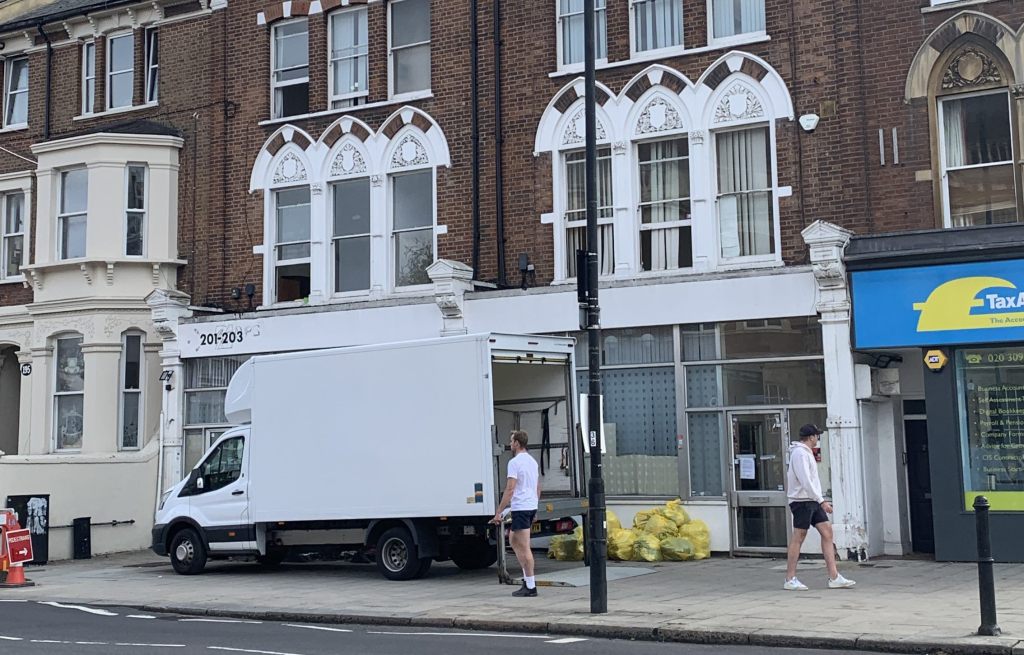
Not quite everyone is unhappy about these plans – and there were also a handful of support comments. Not many, to be fair – and some were from people miles away from the site, and can be pretty much ignored in planning terms (but special mention to the resident of 71 Bathgate Road, a detached house next to the tennis courts in Wimbledon, whose full response was “Fantastic Idea!”).
But they do also include several near neighbours. A resident of Kambala, off Falcon Road, noted that there is a drug problem in every area it is not just Wandsworth, and that this could be a good idea for the community as it may help more people to get off the streets. A resident of Theatre Street noted that he supports any scheme to help people off the street and into some sort of safety, noting that homeless people are people too, and everyone would do well to remember that. They deserve our respect and care given they are in an intensely vulnerable situation, a situation that anyone of us could end up in if luck and circumstance didn’t go our way. We should welcome any site that may help them get their lives back on track. A neighbour on Lavender Sweep felt this might be a good place to locate a hostel, using a building that is currently out of use, on a main road, easy to find and with access to transport hubs and resources like Battersea Arts Centre.
A gentleman a bit further away, between the Commons, said that in his experience homeless people are often stigmatised and abandoned by society and government – and felt many people would be amazed at just how “normal” most homeless people are, and how much they desperately need help. In terms of the effect on the community, he felt the proposal seemed to be an attempt to deal with the negative consequences of rough sleeping which already exist in the area (anti-social behaviour, begging etc) by dealing with the underlying causes. He noted that there is evidence that helping get homeless off the streets and into shelters – where they can receive medical and mental help, a warm meal and a bed, and support in finding permanent accommodation – is beneficial not just to the homeless concerned but to society in general.
One of our readers, who had worked to provide cancer care to many people affected by homelessness, was concerned that a night-time ‘shelter’ providing chairs in open cubicles – as seems to be the plan for at least some of this new hostel (as shown in the floorplan below) – was not the answer – being hardly conducive to security or comfort. She noted that most people who are homeless do not want to use these types of places because they have their already few possessions stolen and do not feel safe there. People often needed access to medical care, and after going through difficult medical procedures, there was often nowhere to discharge them to without painstaking effort. Her team would detox them, provide drug and alcohol support, give good nutrition, access to mental health support, benefits and grants for clothing, furniture and items for their new accommodation that the team helped to access. Most did not return to their previous life because of ongoing support and follow-up. These poor people needed proper support, not an occasional chair for the night!
Richard Taylor, the vicar of St Barnabas Church (a short walk from the proposed site), wrote a particularly thoughtful letter in support of the plans. He noted that his church has been hosting a winter night shelter for six ears, and has not had any theft, vandalism or violence, or any complaints from the church’s neighbours. He felt it was wrong to associate homeless people and threatening or criminal behaviour, arguing that the work of the night shelter had enhanced and enriched the church. That said, he also felt the consultation on the plans had not been as transparent as it might have been: the perception was that the Council had been trying to do it on the quiet and sneak it through, which had only served to make residents – who were already worried about these plans – angry about the way they were being introduced.
The ever-sensible Battersea Society noted that they strongly support the Council’s Homelessness Strategy, which includes creating a rough sleeper assessment hub to bring together Council services and support from other agencies. However they expressed significant concern that the planning application for change of use of the former Council offices on Lavender Hill included only scant information about the nature of the hub and the services it will provide – indeed much less than is set out in the draft Strategy. In narrow planning terms, they also noted also that the floor plans provided in the application were marked as only ‘indicative’. They argued that before the application proceeds further, much more information needed to be shared about the proposed hub, the services it will offer, how they will be advertised, how referrals to the hub will work, how it will be managed and operate (including access hours), and the extent of outreach work beyond the hub itself, and that this information should be widely publicised, not least to all those who have commented on the application.

So – what’s the answer to all this? Realistically the Council is going to push this through come hail or high water – they have grant funding to spend on it, and a genuine commitment to try to do something about a real homelessness issue in the Borough. But their plan needs to be much, much better than what’s being proposed here – both for the future residents, and its neighbours. We’ve done our best to pick out the (many) helpful suggestions that have come in in the comments from neighbours, almost all of which reflect good practice in some of the better-run Hostels & Hubs elsewhere, and distill them to a plan of action to make this facility work. We think a new application – with proper details, proper management plans, and explanation of how the following commitments will be included as planning conditions, is what’s needed. With thanks to the many people who explored what might be done – these are 12 recommendations we think are needed to make this work:
- The Hub must publish and implement a Good Neighbour Plan: Wandsworth must establish, and publish, a proactive plan that addresses the potential challenges and mitigates them, ensuring smooth operation and peaceful coexistence in the neighborhood. This must set out the options for residents if they encounter abusive or antisocial behaviour, and have a clear complaints and escalation procedure including the ability to have issues appealed to someone independent of the local hostel management if complaints cannot be resolved locally.
- The Hub needs to commit to community engagement and awareness: The Hub should engage with the local community and businesses to understand their concerns and incorporate their feedback into the Good Neighbour Plan. They should also organise regular meetings or forums with neighborhood representatives to discuss ongoing issues and solutions.
- The Hub needs to operate controlled entry, and run by appointments only: An important one is the need for residents to exclusively be brought to the site, and those seeking services to only arrive on appointment, rather than being allowed to turn up unannounced – to avoid the sites becoming a late night magnet for anyone looking for a room, and people then going away disappointed and causing havoc. This is quite standard in some Hubs (but not all) and significantly helps them be calm and effective places. The Hub must, as a planning condition, be required to implement an appointment-only system for those seeking services to prevent unexpected arrivals and potential disturbances.
- The Hub needs to commit to an all-hours complaints hotline: A formal planning and licensing requirement must be that the Hub will operate a 24-hour complaints hotline within the service (which is not likely to be difficult if it is, as suggested, staffed 24/.7). They must ensure advertisement of this telephone & email contact service is prominent for local residents and businesses to see and use.
- There must be a requirement for strict enforcement of House Rules: We recognise that the Hub can’t fully control who arrives, and that residents can be complicated people with their own challenges. However the culture of a hostel matter – not least for its own residents who will make better progress if they themselves feel safe there. Good behaviour is also essential for this venture not to cause severe harm to its neighbours. The facility should formulate clear and strict house rules pertaining to noise control, prohibition of begging/shoplifting, abusive or antisocial behaviour inside the facility but also in the neighbourhood, and illicit substance use/dealing. The facility must commit to investigating any neighbourhood complaints / concerns in a timely manner and reporting back to those who raised them, and to implement a swift eviction policy for repeat breaches.
- Security within the site – and in its neighbourhood: The Hub must more formally be required to commit to the 24/7 security staffing alluded to in the rather vague proposals, and these staff need to be assigned to regularly patrol areas around the hostel, as well as the site itself, to prevent offsite congregation and ensure the safety and cleanliness of the surrounding area. The hostel should introduce a plan to increase surveillance technology especially in darker alleys / car parking areas opening off Mysore Road and Sisters Avenue immediately behind the hostel where crime and loitering are especially likely.
- Provision of Supermarket Vouchers to all residents: As is done on some similar facilities, there must be a commitment to provide all residents who need them with supermarket vouchers to enable them to buy food and general supplies without resorting to shoplifting, in order to reduce harm to nearby traders and businesses through shoplifting and threats to staff.
- Support and Rehabilitation Programs: Develop and offer support and rehabilitation programs for residents to address underlying issues and assist with their reintegration into society. Potentially, the Hub could partner with local businesses to explore potential employment opportunities for residents, contributing to their stability and reducing potential strain on the community.
- Safeguarding neighbouring businesses: The rear facing windows should be non-openable (to avoid smoking and the throwing / dropping of objects), and the three bedroom windows that face the nursery playground must be permanently fitted with frosted glass as a planning condition. The Hub should also commit to screening any new longer term residents and avoid housing anyone on the sex offenders register next to the nursery school.
- Daytime activity: The Hub should ensure that its residents assigned to rooms can, while they are residents, be accommodated ‘full time’, rather than on a minimal overnight-only basis, to ensure that they get some stability, that they feel safe (and that they are confident their possessions are safe), and have somewhere warm and safe to socialise other than neighbouring streets. The design also needs to be amended to provide some onsite ‘living space’ other than just the small bedrooms. An important detail is that the Hub needs to make clear, as part of the application, whether it will allow the consumption of drugs & alcohol onsite to avoid consumption in the surrounding streets.
- Monitoring and Evaluation: The Hub needs to regularly (and at least annually) evaluate the effectiveness of the implemented measures and adjust strategies as needed based on continuous monitoring and feedback.
- Transparent Communication: The Hub should commit to and ensure transparent communication with residents and businesses about any upcoming changes or developments related to the rough sleeping hub, as well as with police – and agree to report any incidents to the police to enable their work to be linked with wider community crime prevention efforts, as well as to inform police if violent offenders from Category A & B prisons are housed.
Reading this list, you may well be a tad concerned. But do please remember – many of the people at this Hub will be people like you or me for whom things have just all gone wrong at once. We’re not about to see an avalanche of violent addicted sex offenders attacking people on the street and terrorising local businesses. The site isn’t going to be a chaotic 24 hour party venue awash with drugs and mayhem. The key to making this work, and making this one of the quiet, capable facilities that gets on with the difficult but important business of helping people put their lives back together when they’re at their most vulnerable, rather than one of the badly managed hostels that hardly help anyone but cause endless headaches (and London already has plenty of both), is that there is a well thought through plan to prepare for trouble before it happens, to have excellent communication with neighbours and authorities, and to be open and honest in handling any situations where things do go wrong or changes are needed. The Wandsworth Hub clearly got off to an unfortunate start with its badly thought-through, stealthy and content-free planning application. The letter sent to residents about the public meeting doesn’t suggest any of the concerns have been taken on board yet either. But now the Council has seen the concerns their plans have caused, fingers crossed they will revisit and improve the plans, re-consult with proper details, and get this back on the right track.
Aydin Dirkedem, the Council’s lead on housing, is hosting a public meeting at the Lower Hall at Battersea Arts Centre, Lavender Hill SW11 5TN, from 4-7pm on Wednesday 6th December. It’s running on a just-drop-in basis, there’s no need to register in advance.
Our previous article, which is all about the planned assessment hub, what it will do and how it will bring services together, as well as indicative floorplans, and thoughts on how the potential challenges can be managed, is here. Please do get in touch with ideas or suggestions (but please don’t bother if you’re project staff determined to insult or threaten us).
If you want to support, oppose or comment on planning aspects of the proposed change of use for the building, search for application reference 2023/3434 at wandsworth.gov.uk/planning – it was originally open for comments until 19th October but was slightly extended when the Council belatedly realised they hadn’t told the neighbours! We’re past even the extended the deadline now, but late comments are usually also taken in to account where possible.
 Lavender-Hill.uk : Supporting Lavender Hill
Your articles are always very informative and keep the locals up to date.
In this instance the council have been very underhanded with this application..
LikeLike
Pingback: Rough Sleeper Hub: Public meeting on Wednesday 6 Dec. – Clapham Junction Insider – Local Democracy Reporting
Sent from my iPad
LikeLike
Pingback: The latest on the planned rough sleepers’ hub opposite Battersea Arts Centre, following the Council’s public meeting | Lavender-Hill.uk : Supporting Lavender Hill
Pingback: Clapham Junction’s Rough Sleepers Hub opens for business | Lavender-Hill.uk : Supporting Lavender Hill